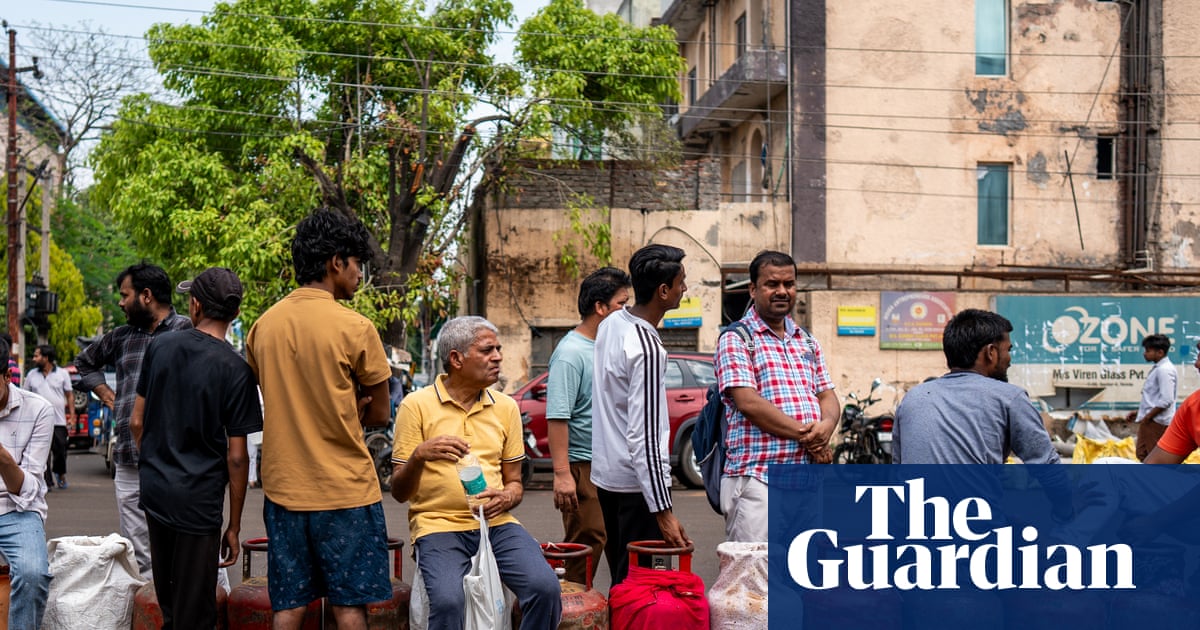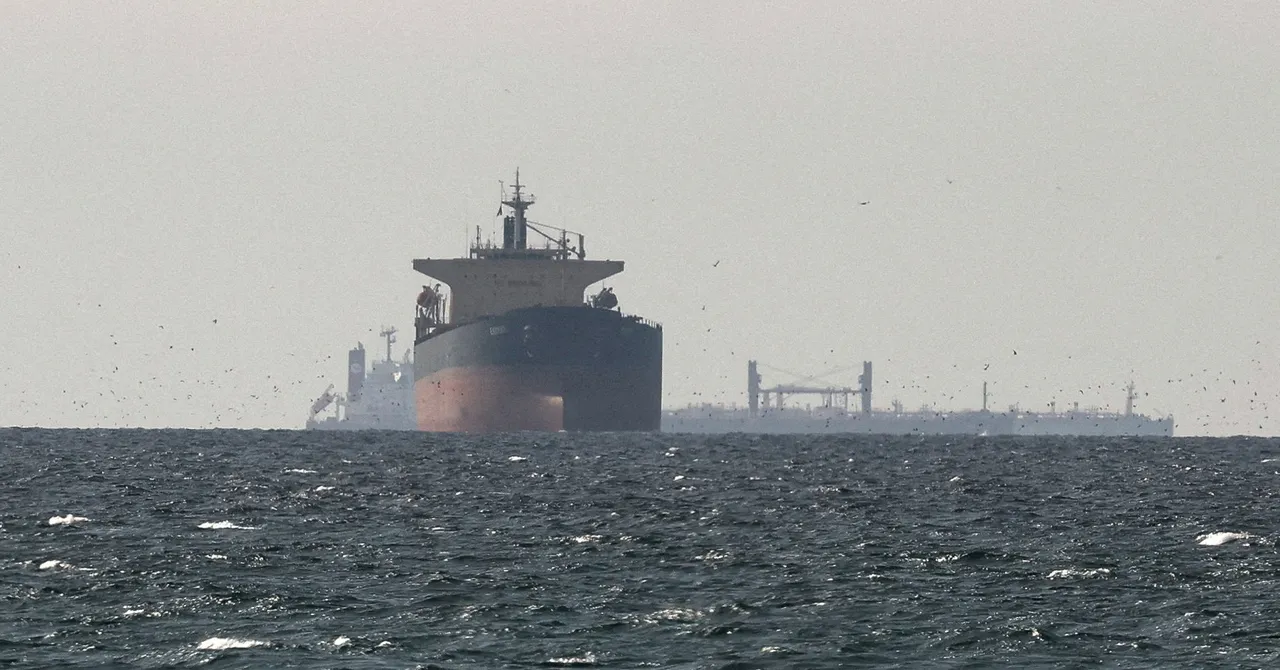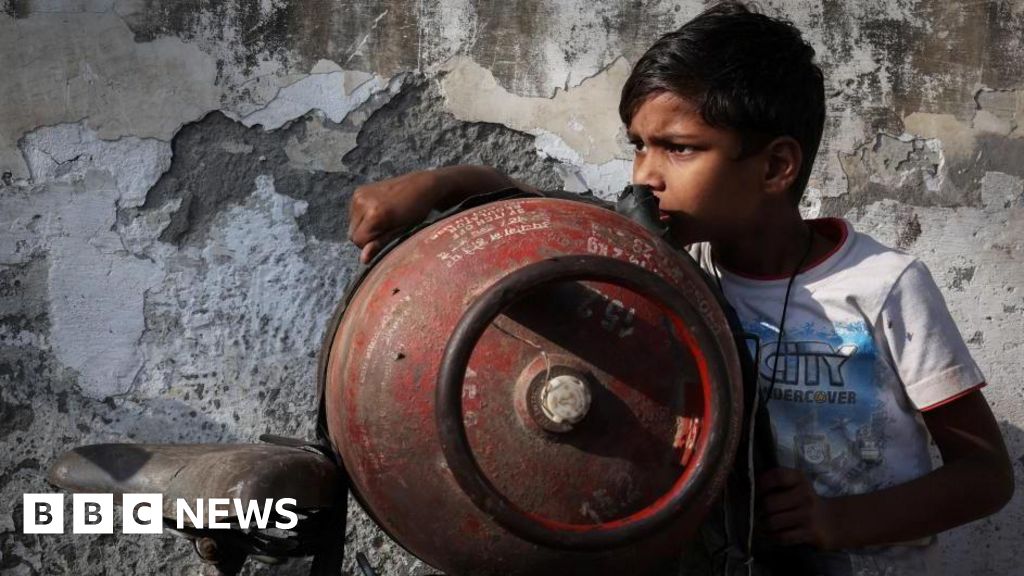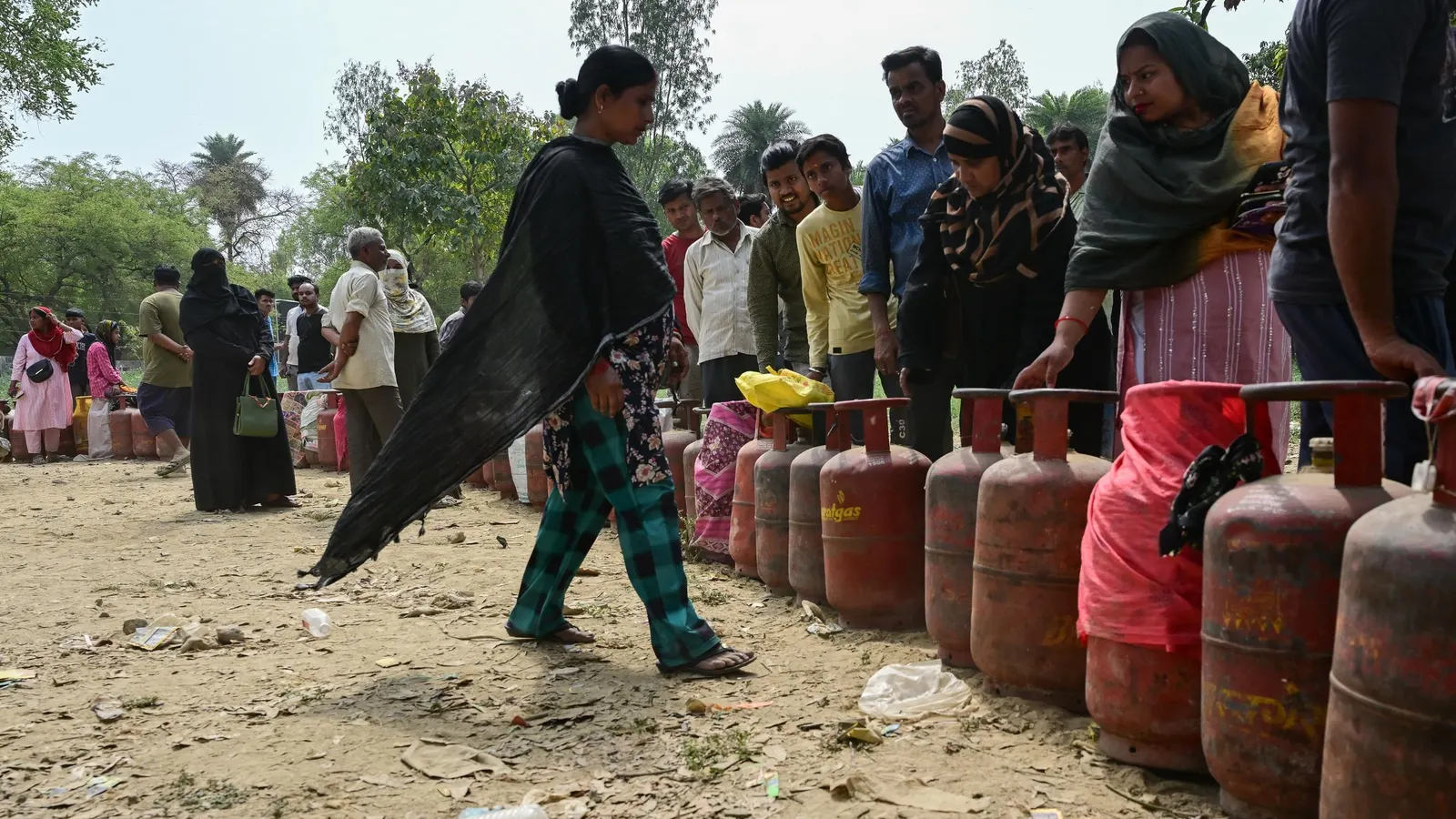
ToplineThe Iran war and the near-complete closure of the Strait of Hormuz has forced several countries to adopt measures to significantly curb energy and fuel use to help tackle a crisis that the International Energy Agency has described as the “largest supply disruption in the history of the global oil market.”People stand in a queue near a liquefied petroleum gas (LPG) cylinder distribution agency as they wait for a supply of LPG cylinders to be delivered.Getty ImagesKey FactsTehran has effectively halted the movement of nearly all ships through the Strait of Hormuz—which is used to carry around 20% of the world’s oil—as the U.S.-Israel war against Iran continues.This has pushed global crude oil prices above $100 per barrel, up from around $67 before the start of the conflict, and is resulting in a daily supply deficit of about 15 million barrels.Countries in Asia and Africa, which heavily rely on petroleum supplies from the Middle East, are most affected and have curbed energy usage as a result.Consumers in the U.S. have been impacted by the surge in crude price as well, with the national average price of gasoline rising around 35% in the past month to $3.983 per gallon.How Is India Tackling The Fuel Crisis?Liquefied Petroleum Gas (LPG) is an essential commodity in homes across the world’s most populous country, where it is used as cooking fuel. India imports 60% of the total LPG it consumes, and 90% of those imports flow through the Strait of Hormuz. The fuel crisis has prompted the Indian government to invoke the Essential Commodities Act, which prioritizes domestic LPG consumers over businesses such as hotels and catering services. The government has also implemented a minimum 25-day gap between LPG cylinder bookings for urban households. Cooking fuel is delivered to most households in the country via subsidized LPG cylinders to their doorstep by state-owned petroleum companies. The new rules limit such delivery bookings to one cylinder every 25 days. Several workplaces in the country, especially major IT firms, are urging employees to “Bring Your Own Food” to work as they scale back on on-premise cafeterias and food counters.Motorists queue to fill their tanks ahead of a petrol price adjustment expected on March 23, at a petrol station in Suzhou, in China's eastern Jiangsu province.AFP via Getty ImagesHow Is China Dealing With The Crisis?Earlier this month, China imposed a ban on refined fuel exports in a bid to avoid a domestic fuel shortage. According to Reuters, the ban was imposed by the National Development and Reform Commission (NDRC) and it covers all shipments of gasoline, diesel and aviation fuel. But there have been reports of long queues at petrol stations and panic buying over concerns that pumps may run out of fuel. China, however, remains more insulated from the crisis than other Asian countries, thanks to its large fuel reserves and decades-long renewable energy push.Motorists wait in line to purchase fuel at a petrol station in the Mohammadpur area of Dhaka.NurPhoto via Getty ImagesWhat About Other South Asian Countries?Other countries in South Asia have been hit hard as well and Pakistan has responded by instituting a four-day work week, two-week school closures and a 50% reduction in government fuel allowances. Sri Lanka has also implemented school closures while instituting fuel rationing through a National Fuel Pass QR system. This fuel pass system sets a weekly limit of 25 liters of petrol for cars and 20 liters for three-wheeled tuk-tuks. Bangladesh’s government was also forced to introduce a fuel rationing system earlier this month after concerns about fuel shortages triggered panic buying at the pump.Philippine President Ferdinand Marcos Jr. speaks during a press conference after declaring a national energy emergency.Getty ImagesHow Are Southeast Asian Countries Dealing With The Oil Crisis?In a video that garnered widespread interest on social media, prominent Thai TV anchors were seen removing their blazers during a live news broadcast to encourage people to cut back on air conditioning and reduce energy use. The country’s government has advised offices to set air-conditioner temperatures at 79-80 degrees Fahrenheit, cut back on elevator use and encouraged car pooling. In the Philippines, President Ferdinand Marcos has declared a year-long state of energy emergency, warning that the ongoing conflict posed “an imminent danger of a critically low energy supply.” In a bid to keep electricity prices in check, the country’s government has said it plans to expand output from coal-fired power plants.How Are African Countries Responding?In a bid to cut energy use, Egypt has ordered malls and restaurants to close by 9 p.m. every day. The country’s officials have also suspended the use of lighting in billboards and ordered government offices to close by 6 pm every day. To address potential shortages, Ethiopia has established a priority list for allocating fuel. Under this measure, security and defense, crucial public projects, manufacturers and exporters, commercial farms, and public transport are being prioritized. TangentLast week, the International Energy Agency published a list of 10 measures to reduce fuel use and help tackle the crisis. The options outlined included expanded work from home, lowering of highway speed limits, encouraging public transport and carpooling, avoiding air travel and switching from petroleum-based cooking fuels to alternatives like electric cookers.Further ReadingNational Gas Prices Near $4 Per Gallon As Oil Inches Back Up (Forbes)
Here’s How Countries Are Being Squeezed By The Iran War Oil Shock: Shorter Work Weeks, No AC
The closure of the Strait of Hormuz has created a daily supply deficit of around 15 million barrels of oil, triggering fuel shortages in countries that rely heavily on Middle Eastern oil.
878 words~4 min read