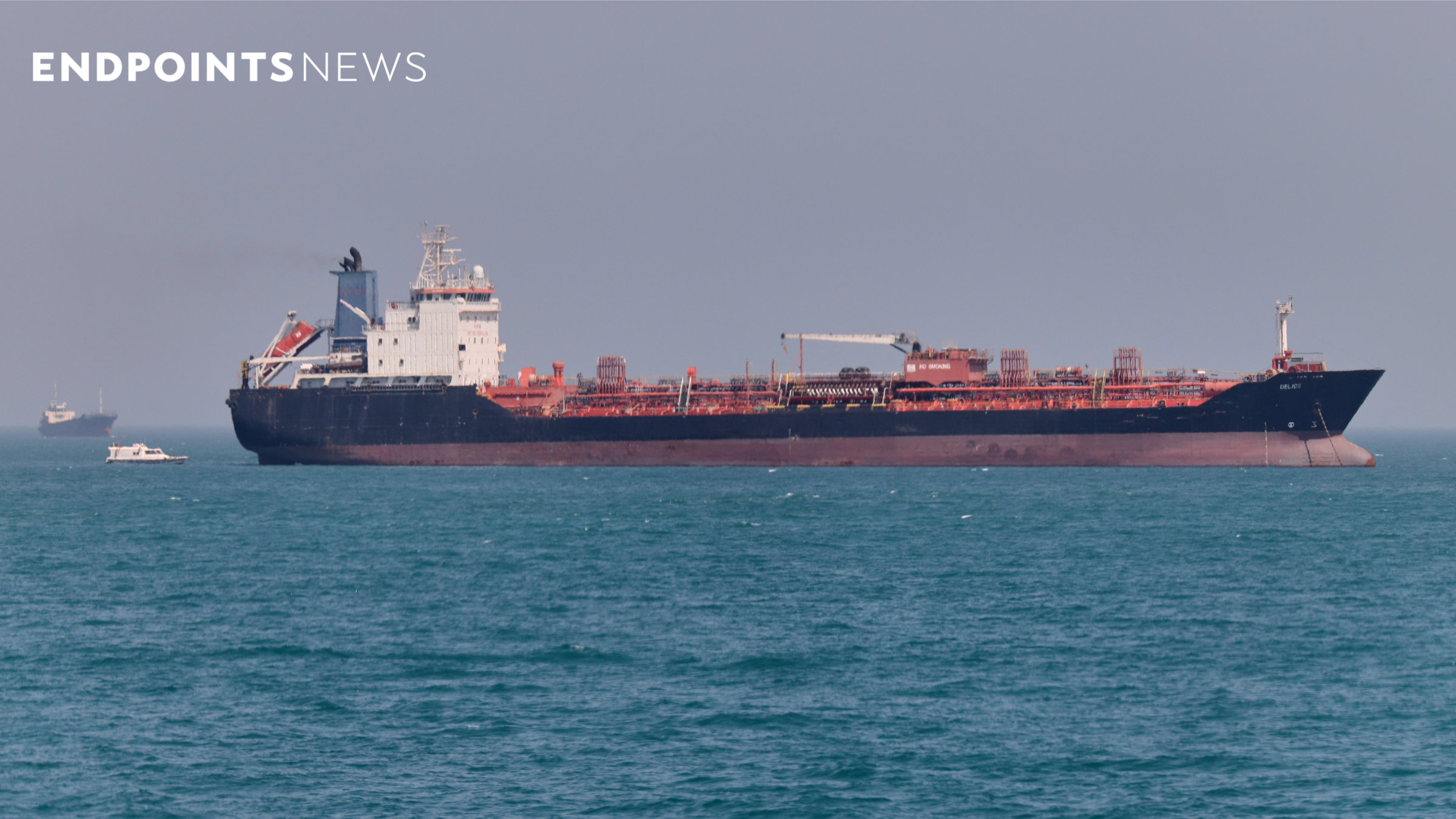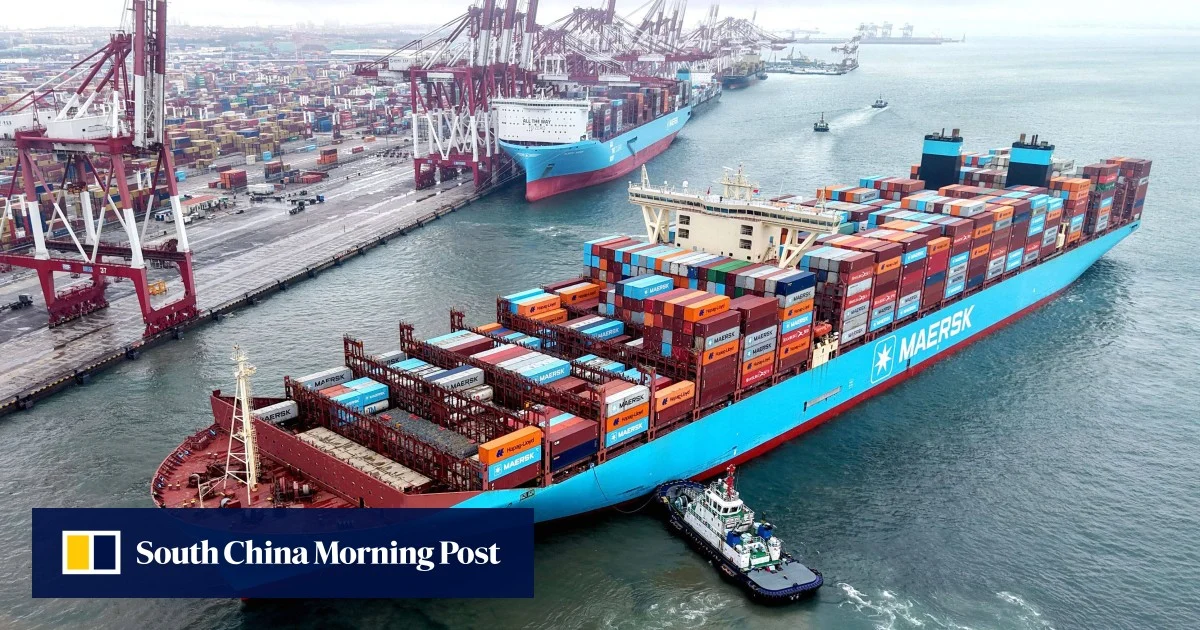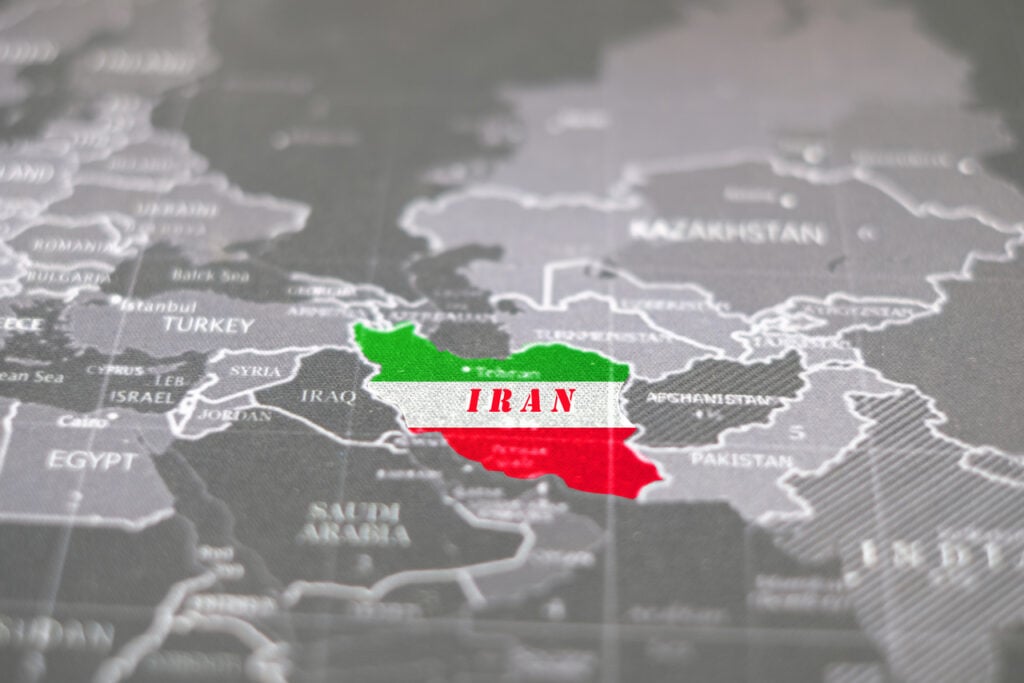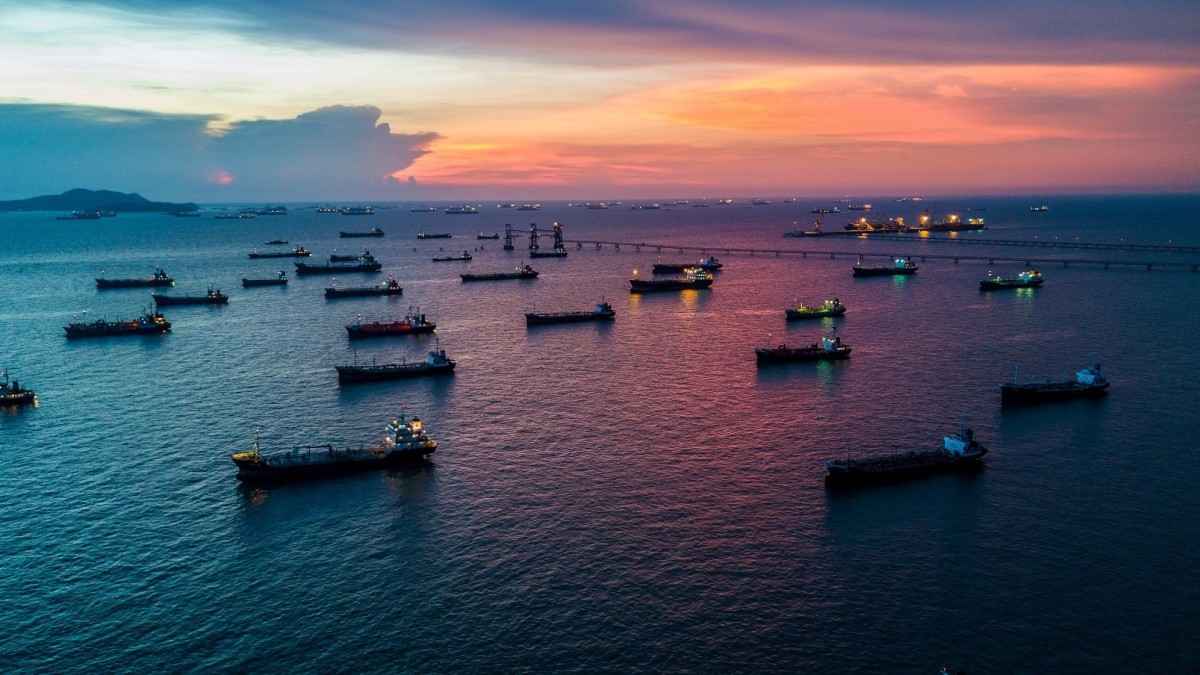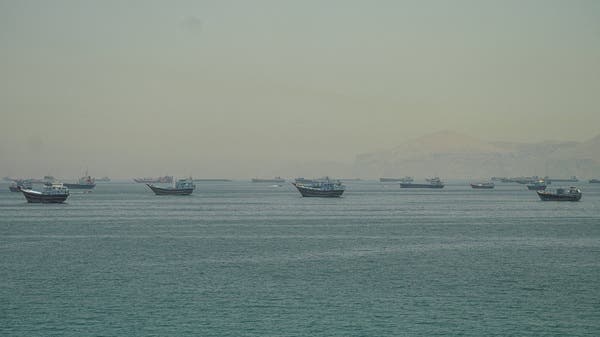
BANGKOK (AP) — Ship operators rely on a sludgelike substance known as bunker fuel to keep vessels running. The Iran war's closure of the Strait of Hormuz has choked off the supply of this fuel that powers the global maritime industry and its largest refueling hub in Asia.
READ MORE: Iran war hits home as gasoline prices fuel significant U.S. inflation jump
Bunker fuel is a literal bottom of the barrel product: heavier and dirtier than the more expensive kinds of refined crude oil used by other vehicles like cars and airplanes, it sinks to the bottom of storage containers.
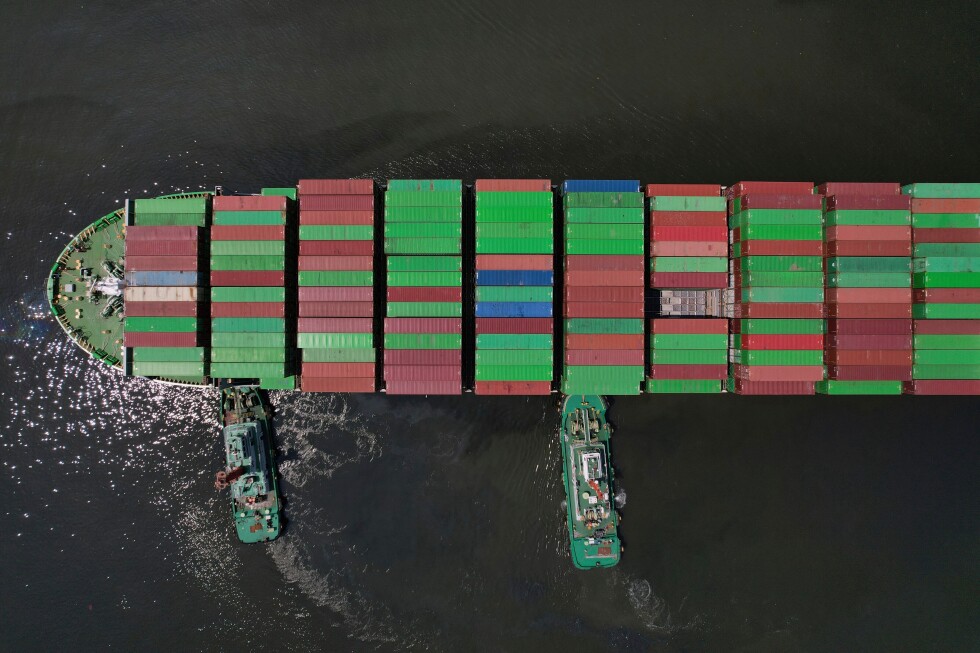
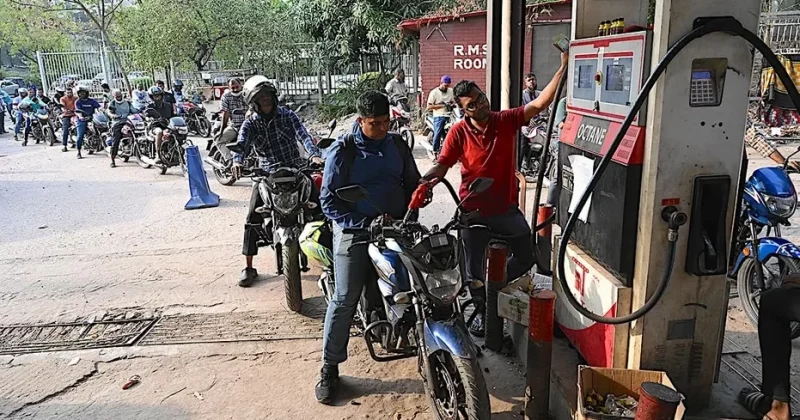
But it helps move the 80% of globally traded goods that are transported by sea, and experts say that means a shortage of bunker fuel will translate to higher shipping costs, increase consumer prices and hurt the bottom lines of businesses worldwide.
That will be an issue first in Asia, which relies heavily on Middle Eastern oil. In Singapore, the world's biggest refueling hub for bunker fuel, reserves are dwindling and prices are spiking.