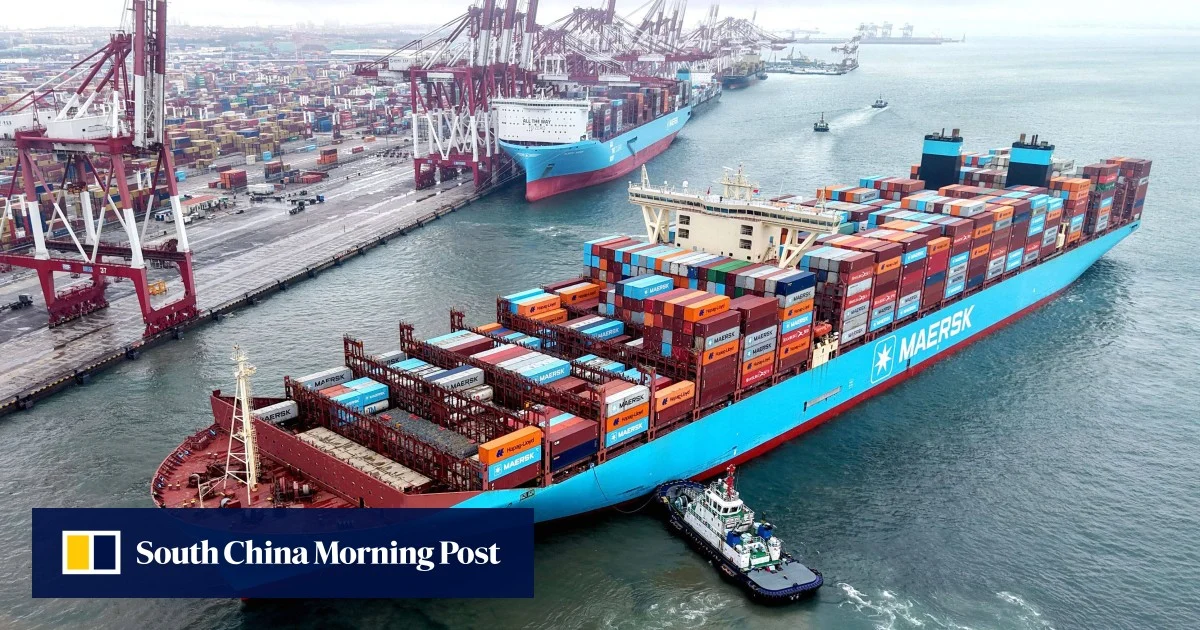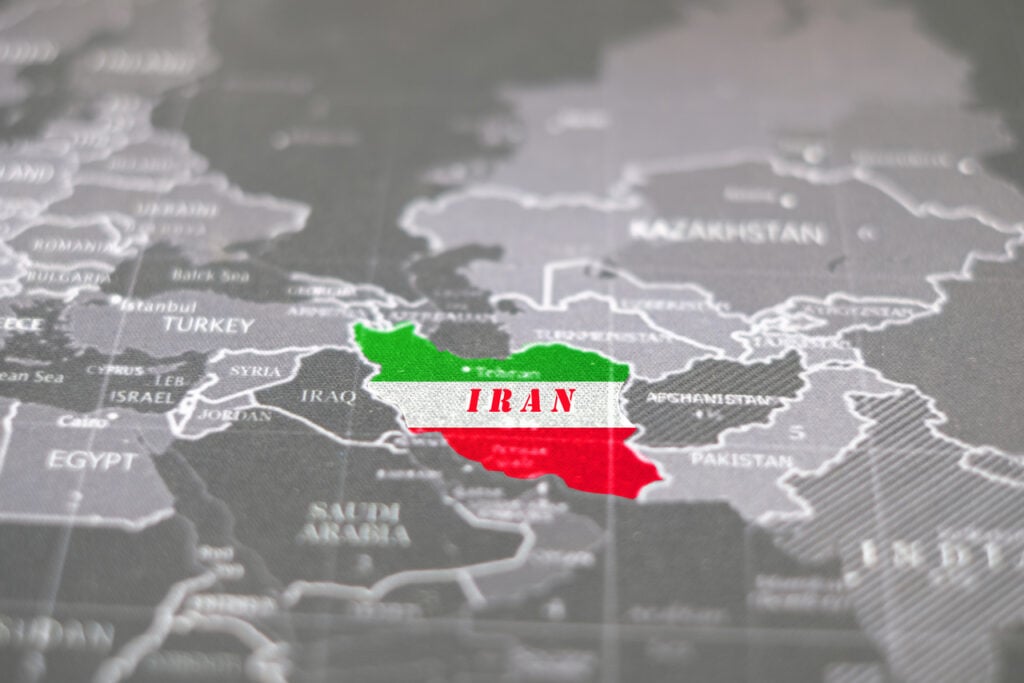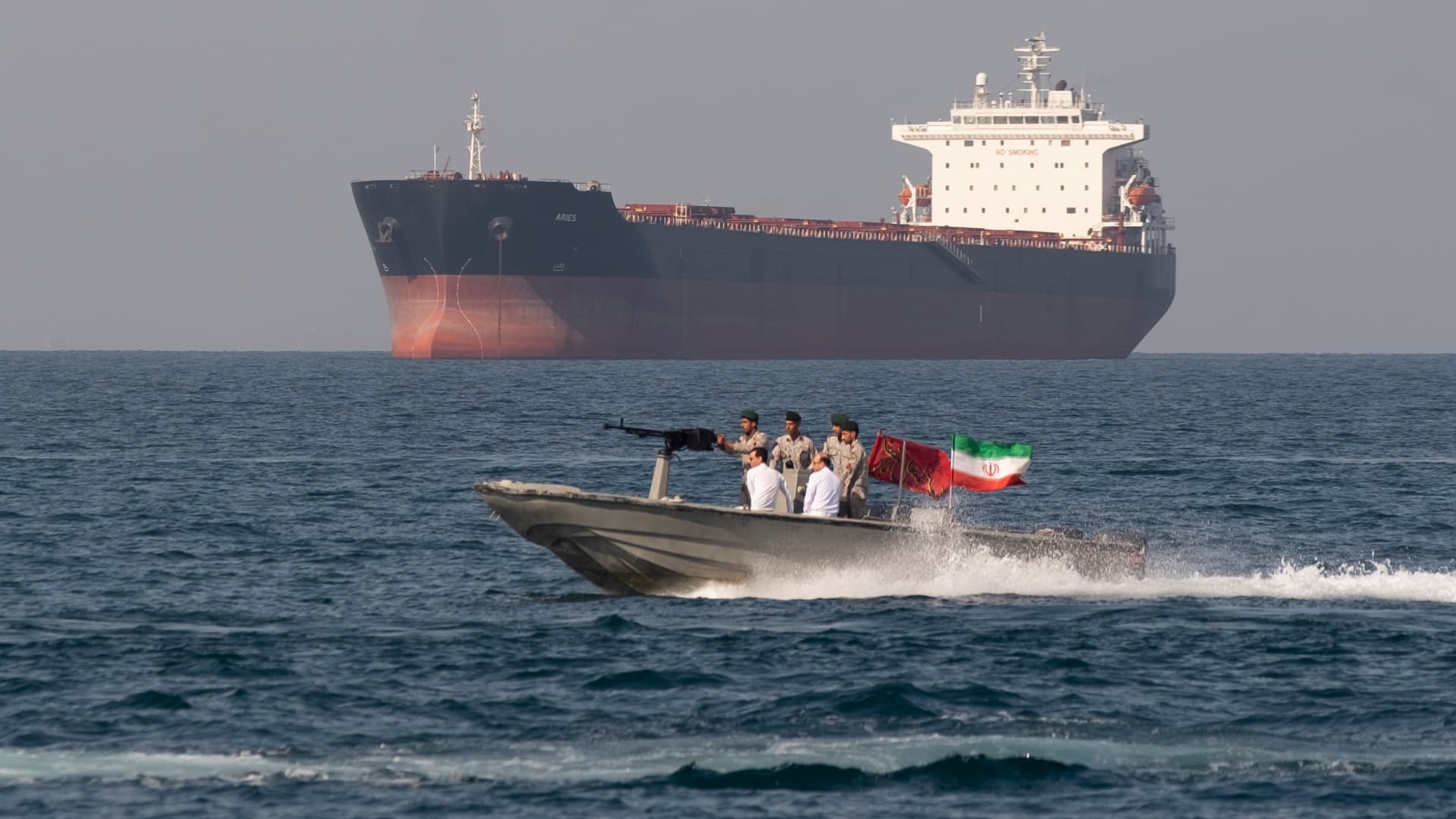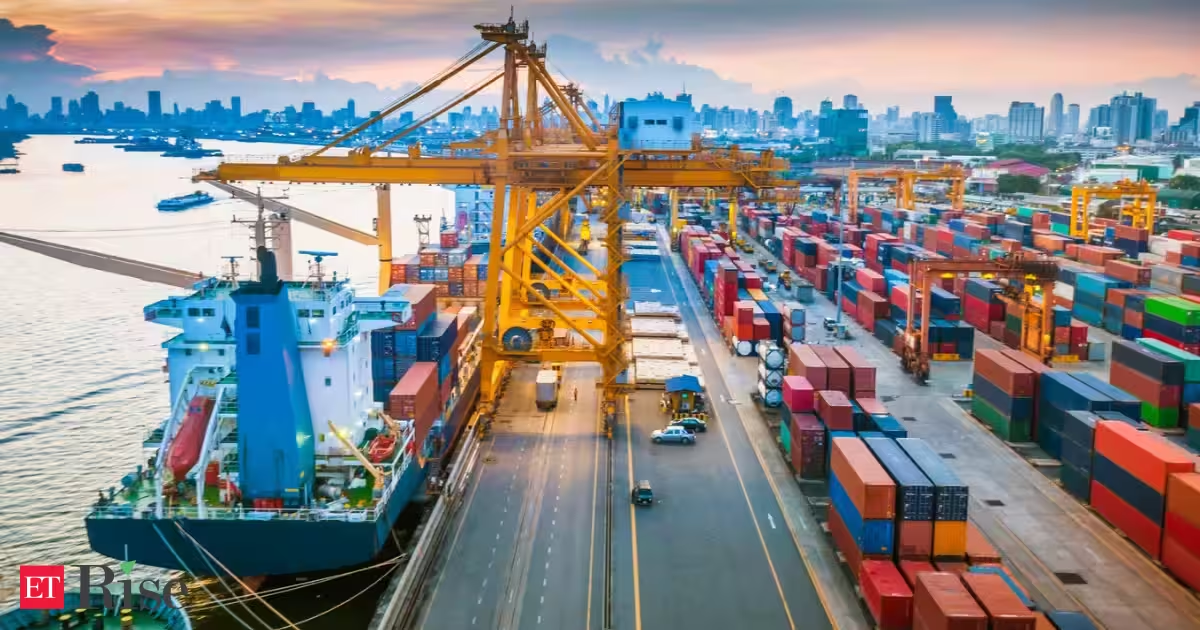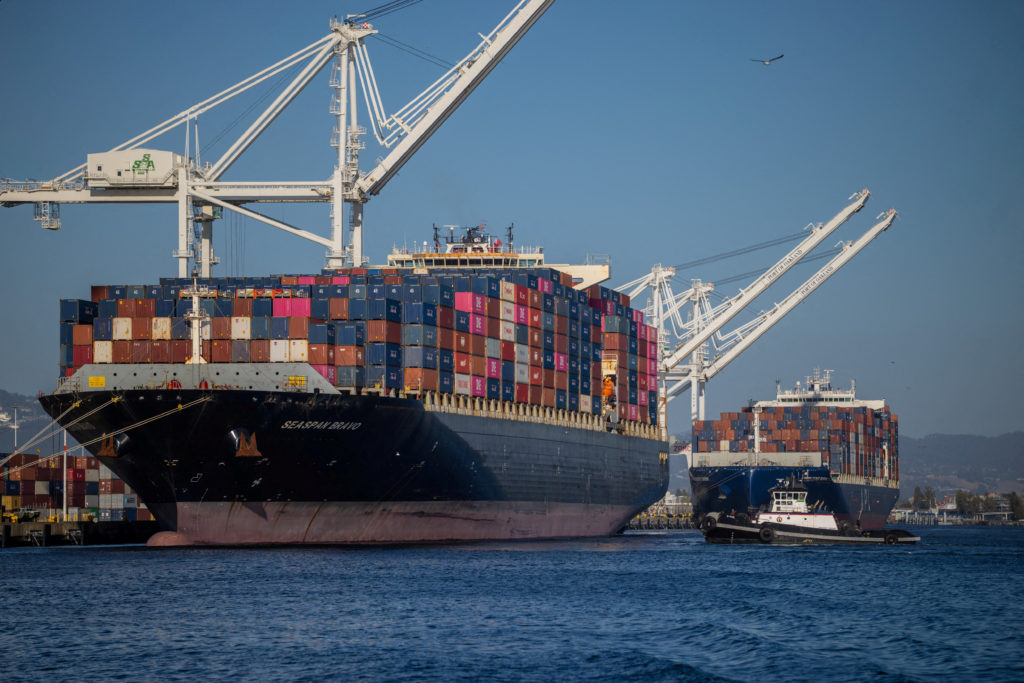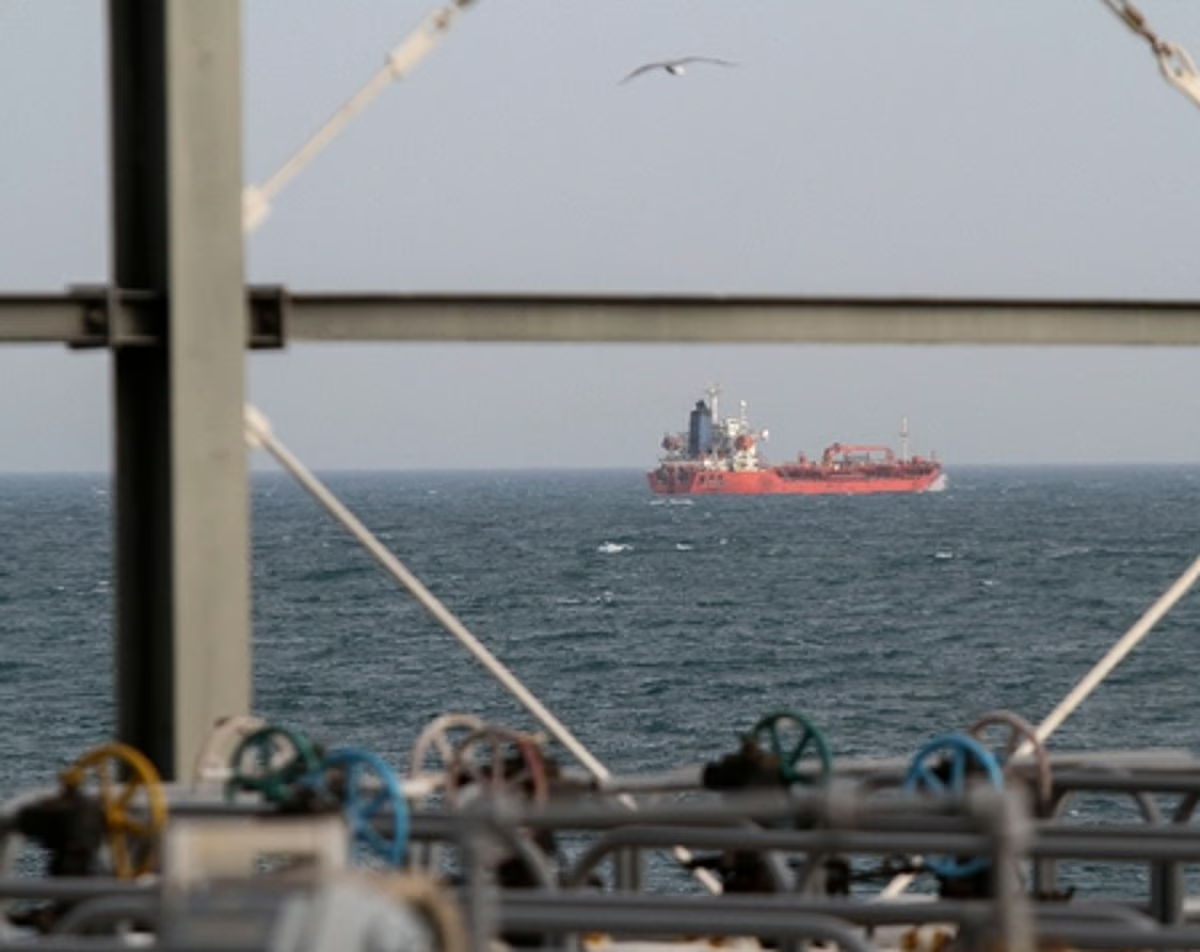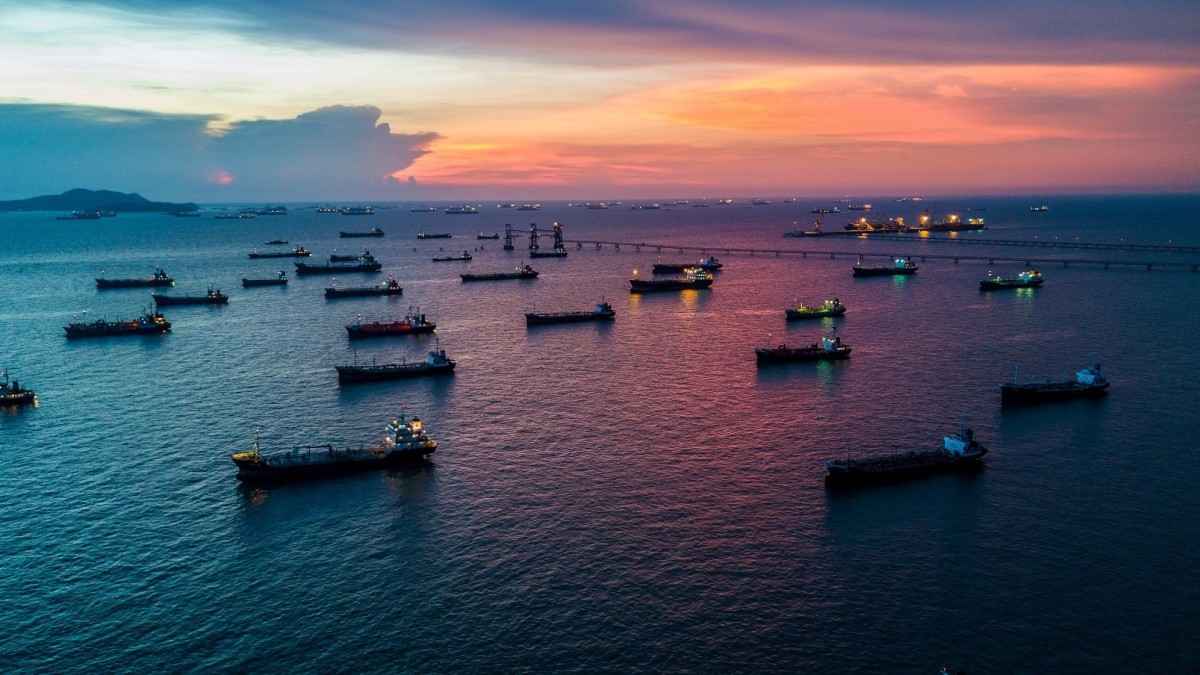
The Middle East war has upended global shipping, raising bunker fuel costs, altering trade routes, and forcing shippers and their container cargo customers to adapt to a new reality.Soaring costs of marine fuels have brought forward the peak cargo shipping season to the spring, ahead of additional fuel costs that vessel owners will roll into annual contracts as of July 1.As a result of the expected higher fuel costs and in anticipation of potentially higher U.S. tariffs on imported goods as of July, imports of container cargo volumes jumped at the Port of Los Angeles, the busiest U.S. container port, in May to the second-highest level on record.Loaded imports totaled 449,370 twenty-foot equivalent units (TEUs) in May 2026, up by 26% from a year earlier, the Port of Los Angeles said this week.The comparison was aided by softer import volume in May 2025, when many cargo owners temporarily paused shipments amid changing U.S. tariff policies.“We're seeing cargo move for a combination of reasons, including inventory replenishment, concerns about fuel costs, trade-policy uncertainty and preparation for upcoming retail seasons,” Port of Los Angeles Executive Director, Gene Seroka, told reporters at a media briefing this week.“Companies are operating with shorter planning horizons and taking advantage of opportunities when they emerge.”The war in the Middle East has upended shipping fuel markets with prices of marine fuels skyrocketing and regions running low on supply, pushing some traders to forgo cargo and ship additional fuel volumes to key bunkering ports outside the Middle East.Vessel operators slapped emergency surcharges due to the price spike of bunker fuels.Shipping giant A.P. Moller – Maersk introduced, as of March 25, an Emergency Bunker Surcharge (EBS), “in response to notable fluctuations in fuel supply and the additional costs of distribution.”Hapag-Lloyd did the same by introducing an Emergency Fuel Surcharge (EFS) across all trades and covering the extraordinary costs not covered by the Marine Fuel Recovery Charge (MFR).In early May, Maersk’s CEO Vincent Clerc said that “the cost impact of this energy shock is unprecedented both in terms of size, the speed at which it has unfolded, and the dislocations it has created in the market.”For Maersk, the Hormuz energy shock “represents approximately $500 million in extra cost per month that we must find a way to pass through,” the executive said on the Q1 earnings call.Hapag-Lloyd said the conflict and the energy price surge have translated into “significantly higher costs hitting us,” chief executive Rolf Habben Jansen told analysts on the Q1 earnings call.The additional cost for Hapag-Lloyd is 50-60 million euros, or $58-$70 million, in extra costs every week, Habben Jansen said.“Of course, we try to pass that on similar to when you go to the petrol station and you also have to pay a higher fuel price,” the executive added.Now the vessel operators will pass on accrued bunker expenses into annual cargo contracts to offset elevated fuel costs. The so-called Bunker Adjustment Factor (BAF) is a floating surcharge used by carriers to manage volatile crude oil and marine fuel prices.Ahead of these higher fuel surcharges, retailers have pulled peak-import volumes into May and June to beat the rate hikes coming in July.Manufacturers and retailers have looked to move goods well ahead of July 1 and the higher costs they would have to pay, lifting the May import volumes at the busiest U.S. port for container traffic. Customers are also anticipating potentially higher tariffs on some imported goods later this year. They are also ordering materials and goods well in advance amid the changed global traffic lanes, with uncertainty still high in the Middle East and when the Strait of Hormuz would be open to safe passage to allow some sort of normalization of global trade.By Tsvetana Paraskova for Oilprice.comMore Top Reads From Oilprice.comECB: Iran Peace Deal Won't Erase Europe's Energy Price ShockFalling Murban and Dubai Prices Open Arbitrage to U.S. and EuropePoland Moves To Tax Fuel Windfalls Earned During Iran War
Shipping Costs Soar as Hormuz Crisis Reshapes Global Trade | OilPrice.com
Shipping lines, retailers, and manufacturers are adapting to prolonged uncertainty around Hormuz and global trade flows.
653 words~3 min read