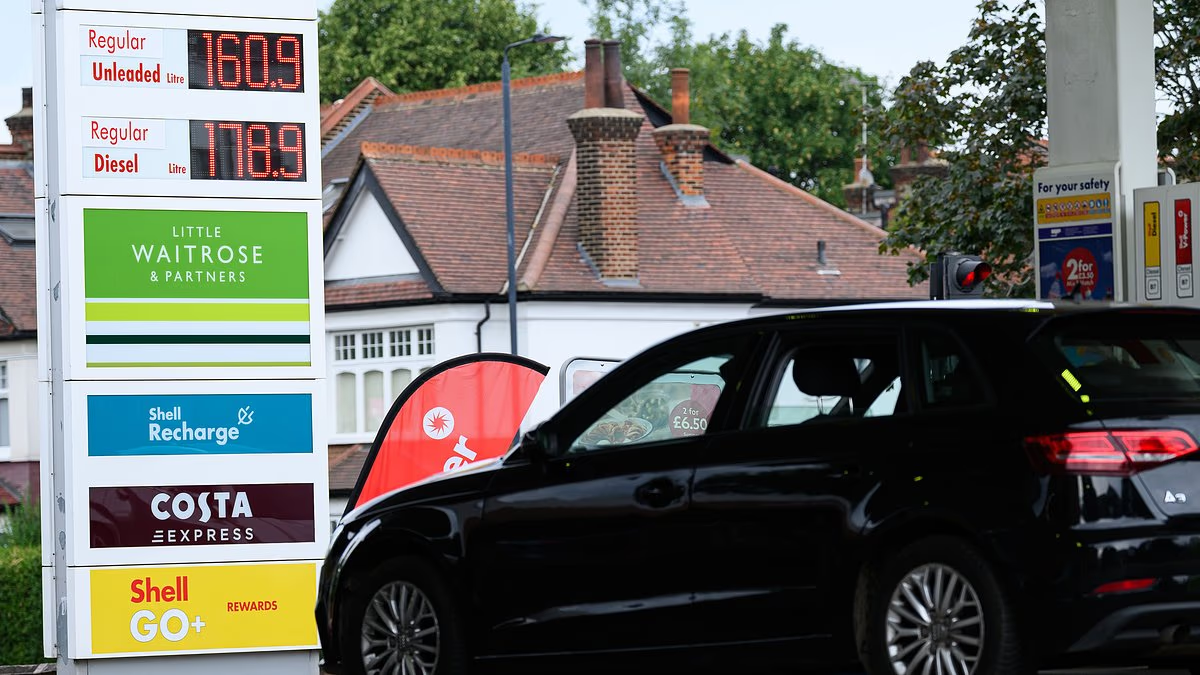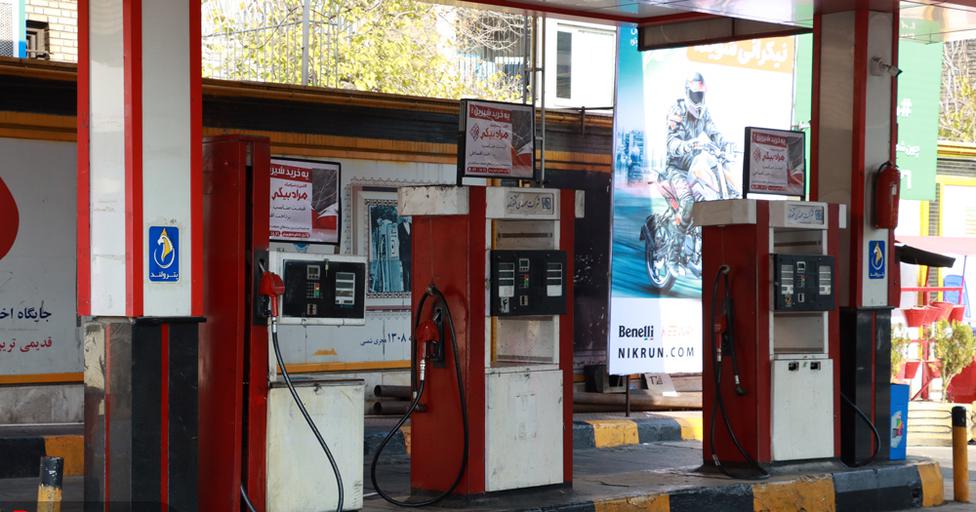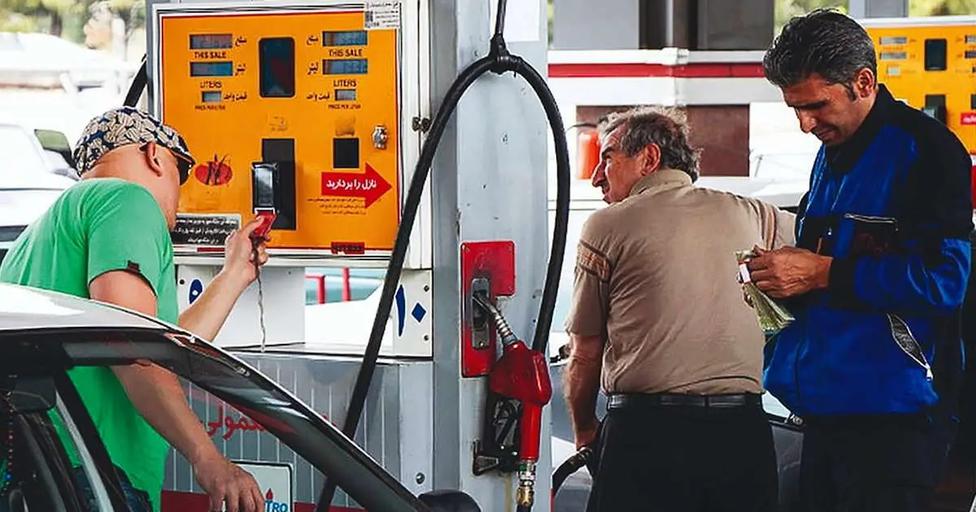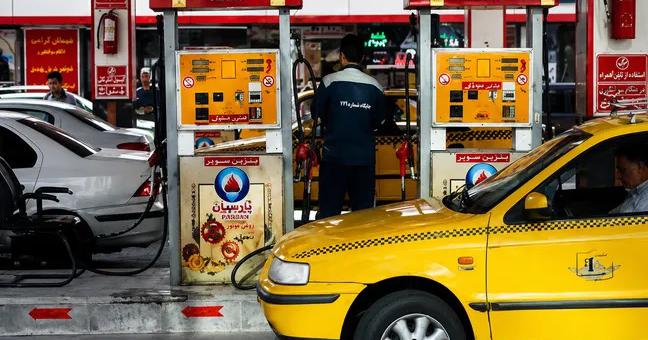
Mohammad Sadeq Azimifar, CEO of the National Iranian Oil Refining and Distribution Company (NIORDC), pointed to rising fuel consumption during the summer months of Mordad and Shahrivar (July to September), urging citizens to avoid using personal vehicles whenever possible and instead rely on public transportation for both urban and intercity travel.
Speaking to Iranian state television (IRIB) on Monday, July 27, Azimifar cited the seasonal surge in family road trips as a primary driver of increased fuel consumption, noting that “public cooperation in utilising public transit” would prove critical in managing the distribution of petroleum products during this period.
At the same time, Azimifar announced comprehensive plans to supply fuel for Arbaeen pilgrims, stating that measures had been put in place to support transport fleets and border services at key exit points, including Shalamcheh, Khosravi, and Tamarchin.
According to the NIORDC head, six million litres of diesel fuel have been allocated daily to support transport fleets serving pilgrims, alongside the deployment of 26 mobile petrol stations along major Arbaeen routes.
The dual announcements underscore a recurring tension in Iranian public policy: encouraging citizens to restrict personal fuel use while simultaneously mobilising significant fuel reserves for state-sponsored religious pilgrimages.