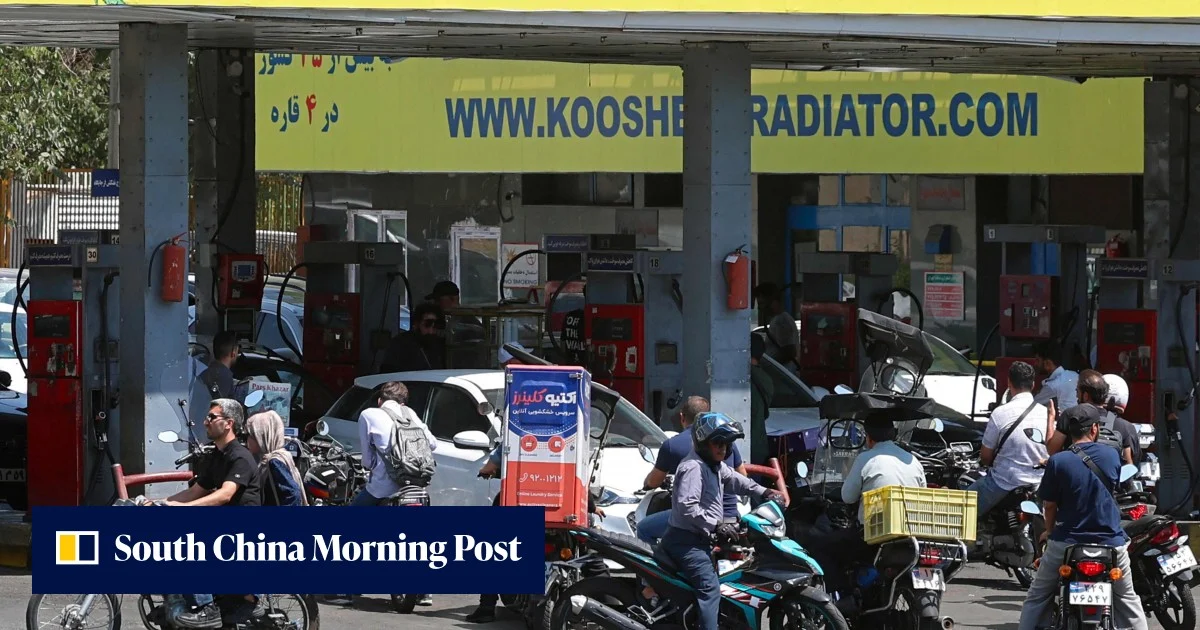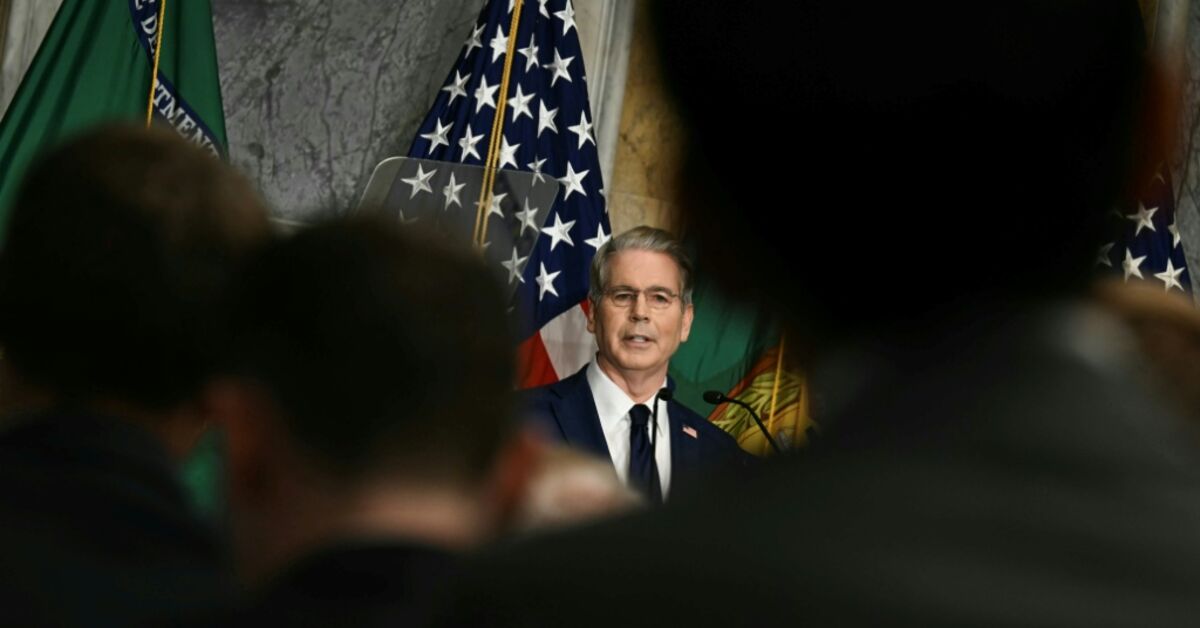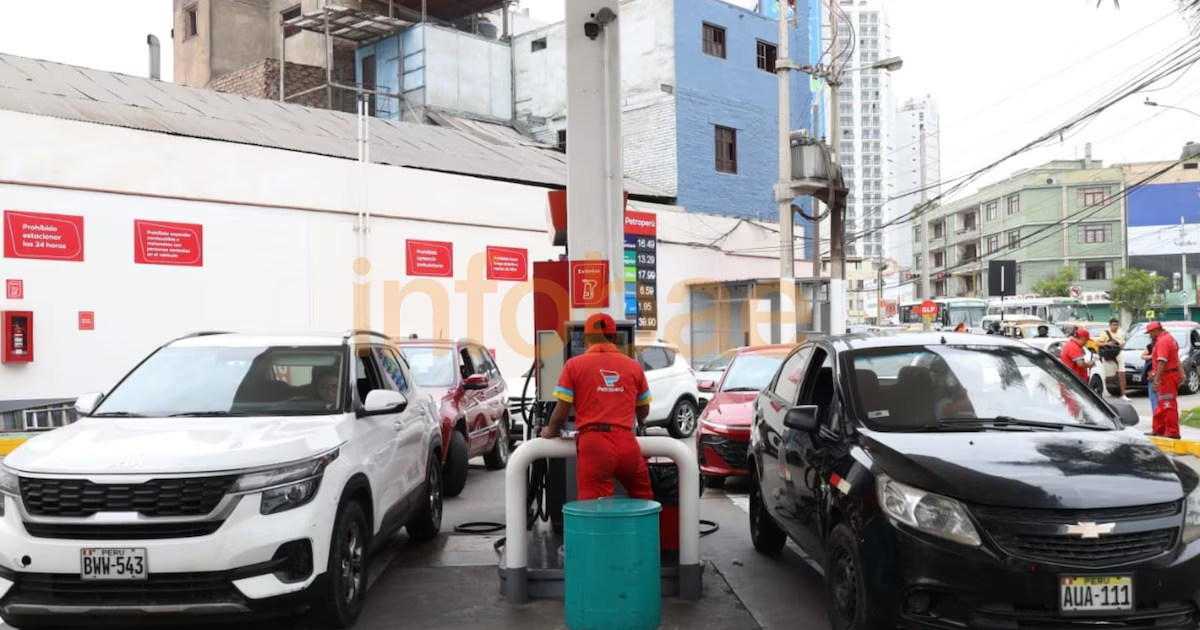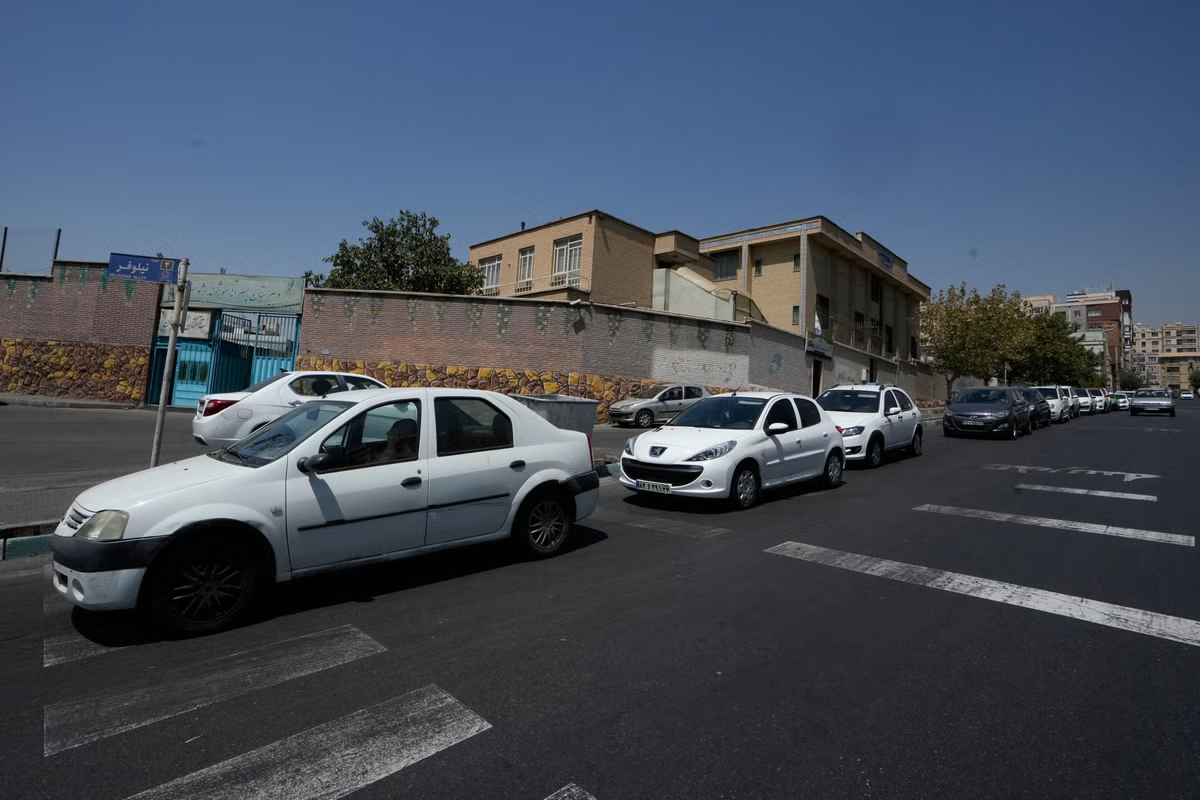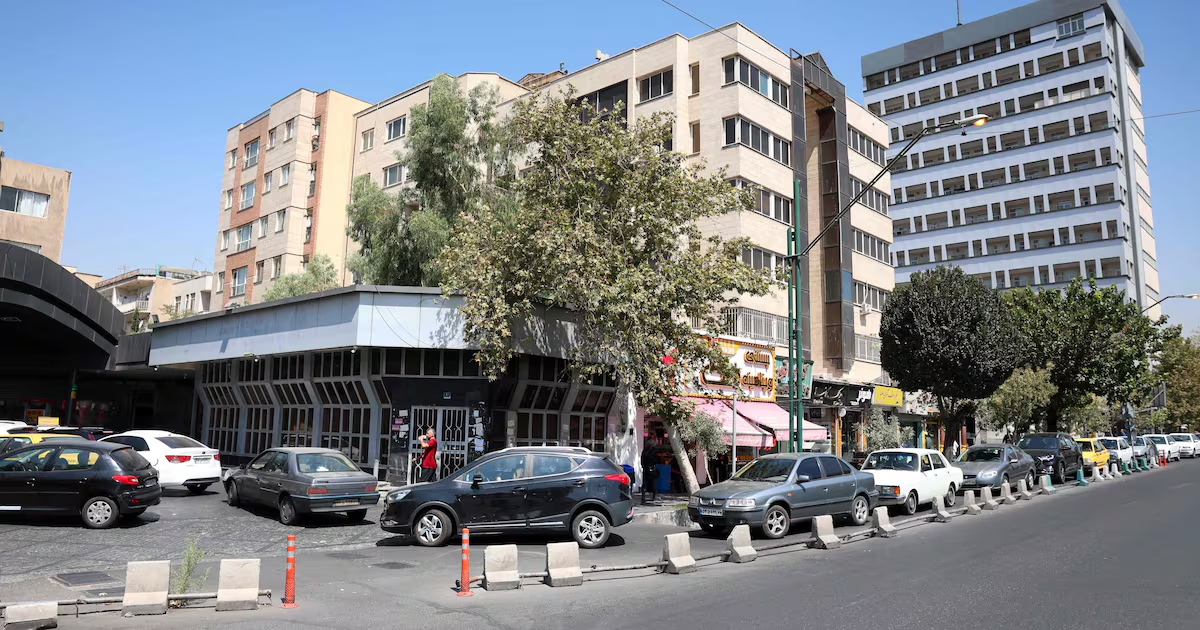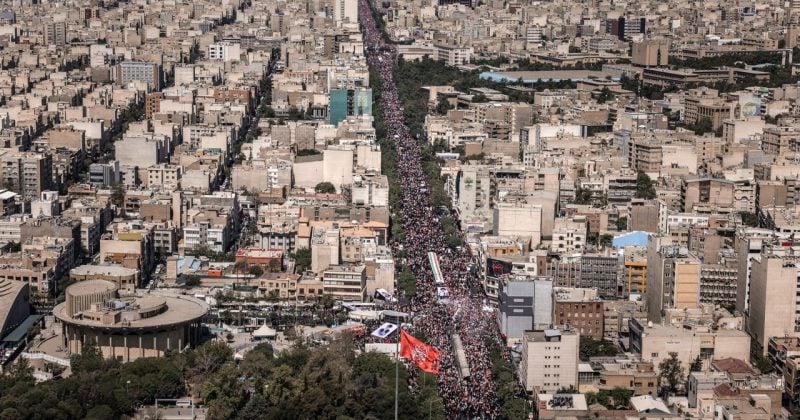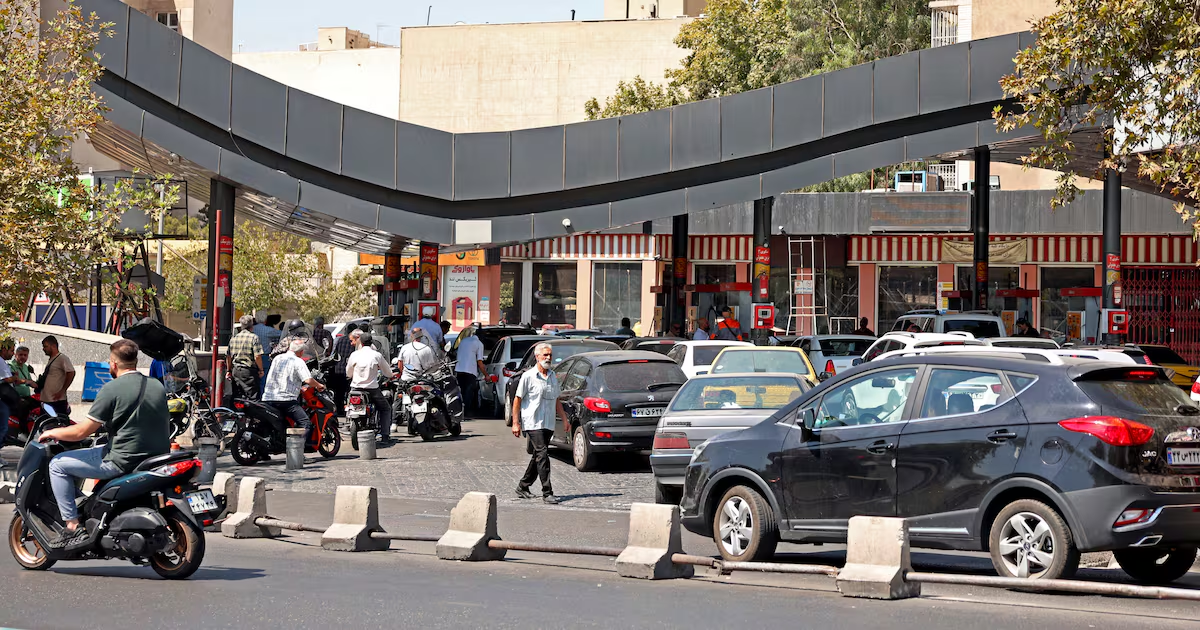
Long queues have formed at petrol stations around Tehran as the US blockade triggers fuel shortages and spreads alarm among motorists in a sign of the war’s growing strain on the Iranian economy.The rush comes as Donald Trump’s administration outlined a new campaign of what it called “economic warfare” against Tehran, which the Energy Optimisation Organisation – an Iranian state body tasked with managing fuel resources – warned was facing a “critical” shortfall of petrol.One petrol station attendant in the capital reported people were rushing to fill up “even before their tanks are empty because they worry that the war might start over again or that prices will rise”. A limit of 20 litres a car meant motorists had to keep returning, said the attendant, who did not want to be named.The country, a major crude exporter, has long relied on petrol imports to make up the shortfall in its supplies. But the US naval blockade – in place since July 14th – has severely curtailed Iran’s ability to secure fuel, while the US and Israeli bombing campaign destroyed some of its refining capacity in the early weeks of the war, which began in February.The EOO said Iran was currently 15 million litres short of its total daily petrol demand of 135 million.US treasury secretary Scott Bessent said on Monday that Washington was expanding the scope of secondary sanctions on Iran’s trading partners as it sought to tighten the economic and financial noose on Tehran.The regime insists Iran is able to resist US pressure and has refused to agree to Trump’s demands to reopen the Strait of Hormuz.Both sides accuse each other of violating a June deal designed to gradually reopen the critical waterway and lay the foundation for talks over a final settlement, and Iran’s leaders argue Tehran must inflict a greater cost on Washington before agreeing to end the war.Imports from northern routes have also become severely constrained due to the effects of the Ukraine war and Russian losses of a significant portion of its refining capacity.[ Oil steadies as US plan offers little clarity on Hormuz deadlockOpens in new window ]Motorists queue to refuel at a petrol station in Tehran on August 25, 2026. Photograph: AFP via Getty Images Iranian officials say the fuel shortage has been exacerbated by a subsidy system that provides the country’s 90 million population with some of the world’s cheapest petrol, with motorists charged between 15,000 rials ($0.0075) and 50,000 rials a litre.The government, which has spent months tapping into Iran’s strategic reserves, says the current pricing and quota mechanism is no longer sustainable due to soaring inflation and the supply disruptions caused by the war.President Masoud Pezeshkian said this month that selling petrol at below-market prices placed immense pressure on government resources required for food subsidies and support for workers. “Who said the government should buy petrol at 1.3 million rials per litre and then sell it for 15,000 rials?” he said.And Mohsen Haji-Mirzaei, the head of Pezeshkian’s office, said on Monday the government intended to reduce quotas but that a final decision on pricing had not been made.“There are uncertainties regarding the social, economic and security implications of any pricing policy,” he said, adding that while the government would definitely reduce quotas, “people may have to pay higher prices for consumption beyond their allocated quotas”.But the prospect of raising fuel prices for a population whose purchasing power is weaker than ever is deeply sensitive.Iran’s national currency has plunged to a new low of 2 million rials to the dollar in recent days, with year-on-year inflation at nearly 90 per cent and food inflation at about 130 per cent. A pilot project to increase petrol prices in Kerman province this month was halted just a few hours after its implementation. Suggestions of price rises recall memories of 2019, when an overnight increase triggered deadly protests across Iranian cities.Petrol prices were a kind of “barometer of inflation” and liable to cause a very severe shock to the economy, said Morteza Behrouzifar, an energy analyst based in Tehran.Behrouzifar suggested the government continued short-term supply measures while trying to improve public transport, the domestic automotive industry and the refining industry.“People are already under tremendous pressure,” he said. “If the government now wants to address this issue through an increase in petrol prices, it could have undesirable social and economic consequences.” – Copyright The Financial Times Limited 2026
Iran faces petrol shortages as US blockade puts pressure on fuel supplies
US blockade and attacks on refining capacity leave country facing 15 million-litre daily petrol shortfall
733 words~3 min read