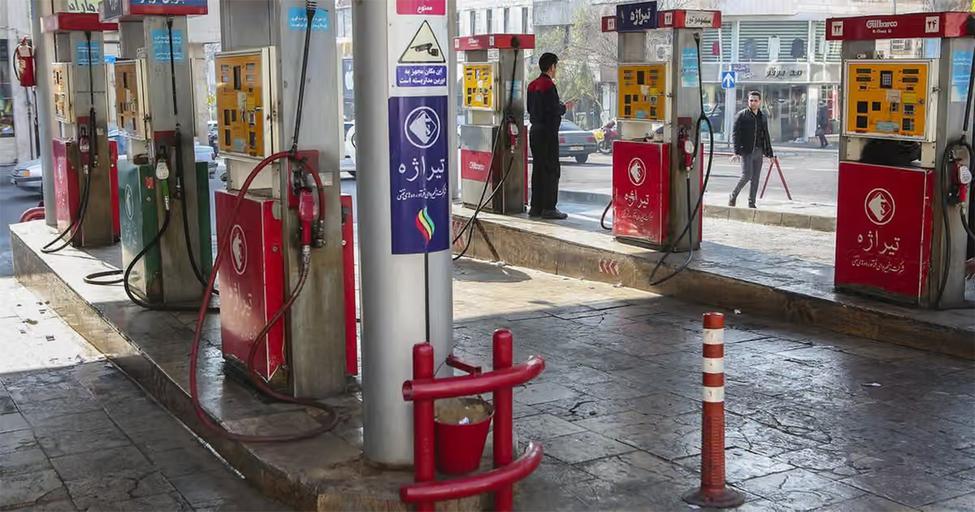
Gasoline prices are a highly sensitive issue in oil-rich Iran, where state subsidies mean consumers benefit from some of the cheapest petrol in the world.
| Photo Credit:
iStockphoto
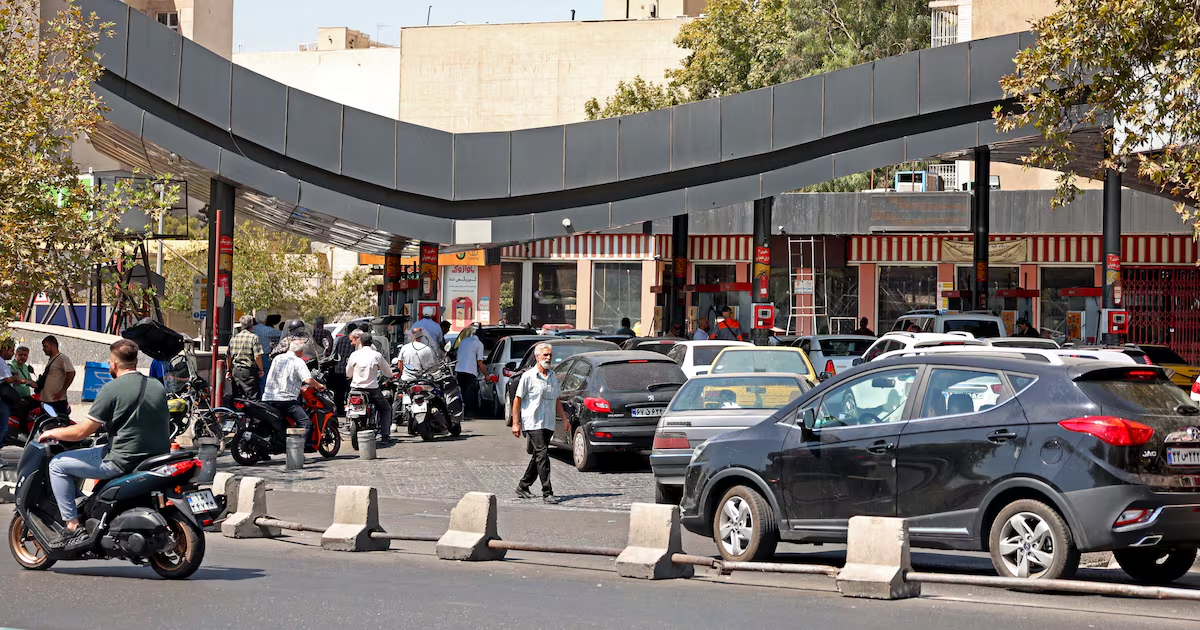
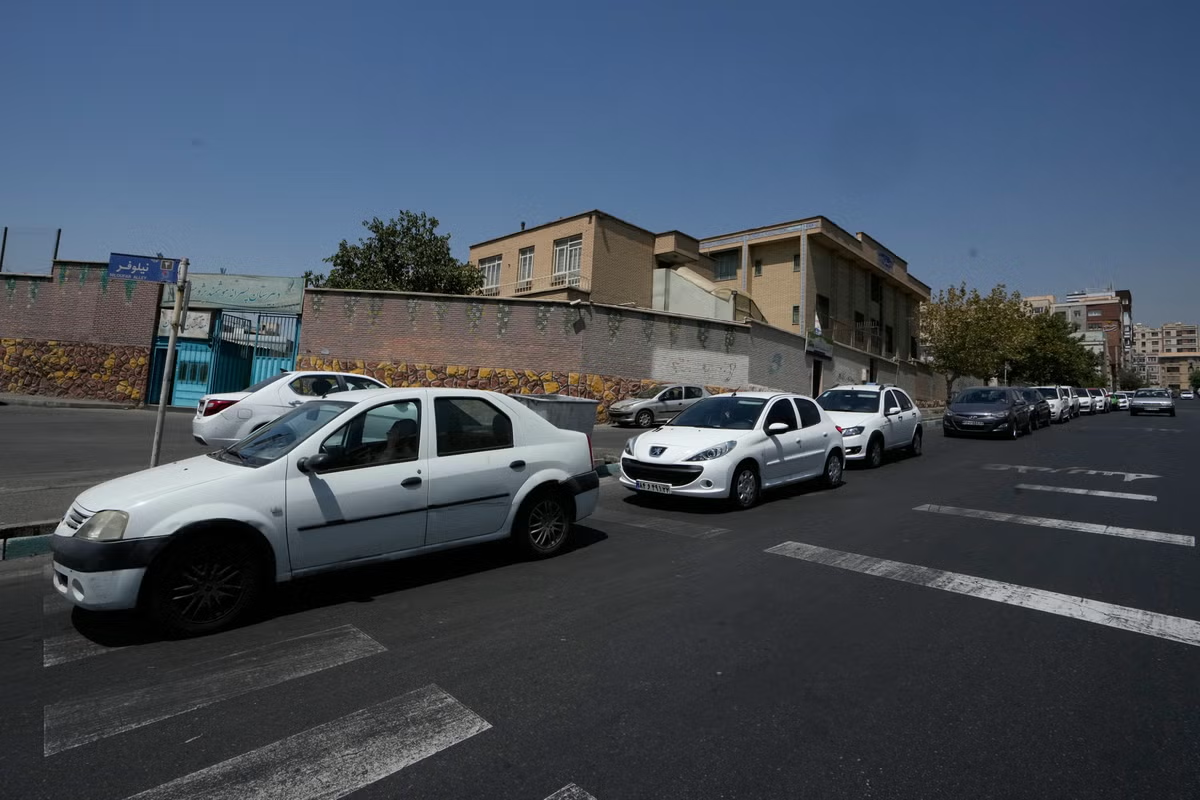
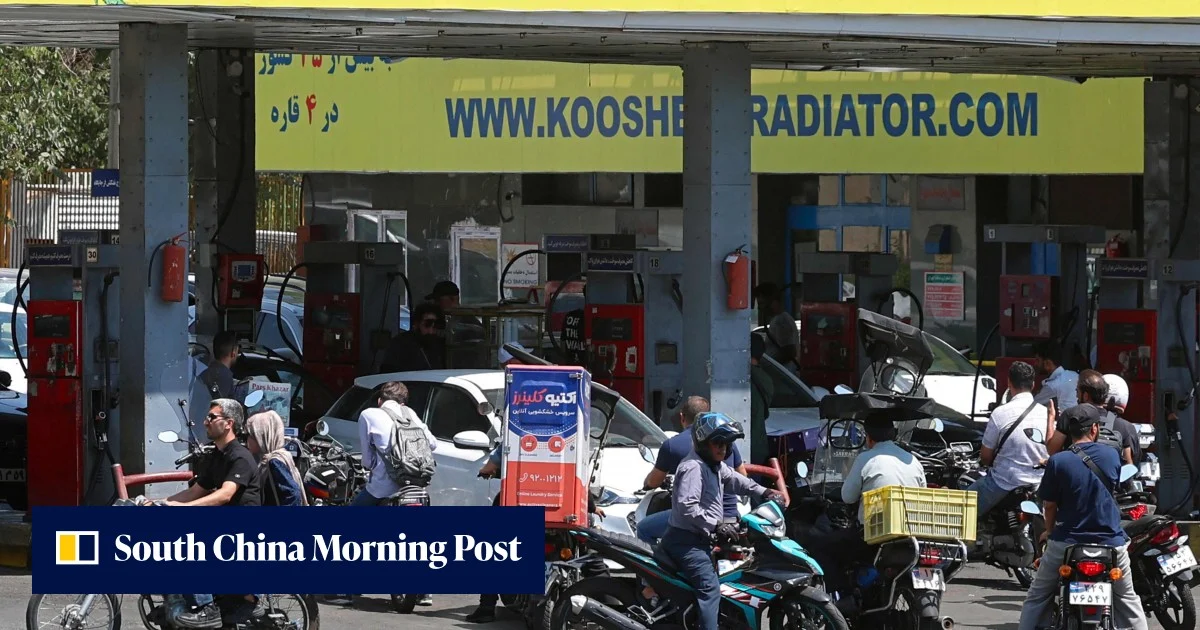
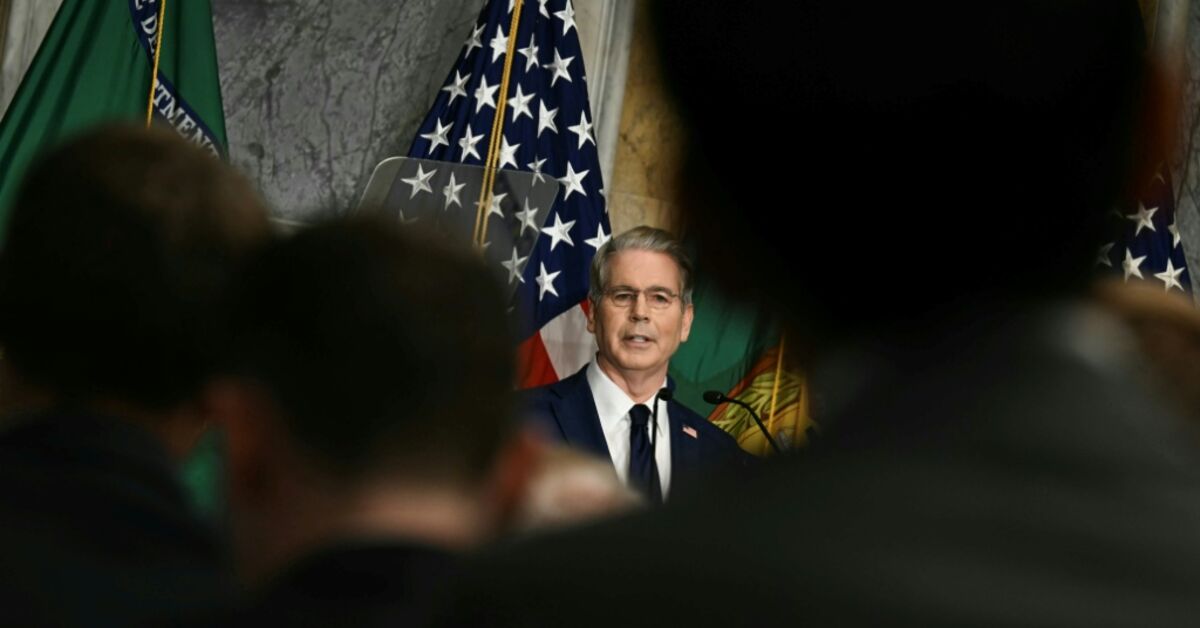
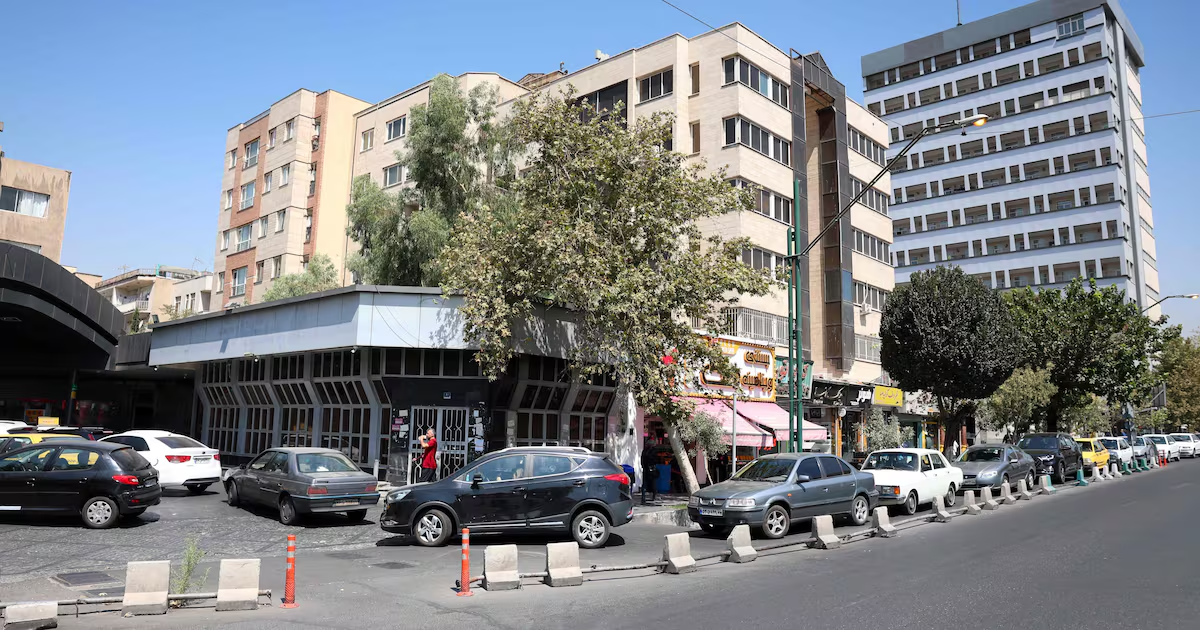
Iran is facing mounting fuel shortages as the US squeezes its access to imports, stretching supplies of a commodity that’s previously sparked bouts of unrest in the country.The state-run Hamshahri newspaper on Sunday reported long queues at petrol stations in Tehran because of fears of price hikes, with many drivers filling up tanks before they’re even half empty.A top official in charge of domestic energy supply said the gasoline market had a daily deficit of 14-15 million liters due to record demand, damage incurred in the war and “changes in the national budget’s priorities.”“We have to do something to bring consumption down to domestic production levels,” Esmaeil Saqab Esfahani, head of the Energy Optimization and Strategic Management Organization, said last week, according to the semi-official Iranian Students’ News Agency.Any fuel shortages will test Iran’s ability to keep the economy moving as the US launches what Treasury Secretary Scott Bessent described on Monday as “the single greatest financial offensive ever marshalled against an adversary.” Gasoline prices are a highly sensitive issue in oil-rich Iran, where state subsidies mean consumers benefit from some of the cheapest petrol in the world. Past efforts to raise prices have led to deadly protests, most notably in 2019, when hundreds of Iranians were killed by security forces. With rampant inflation and a worsening currency crisis now crushing millions of ordinary households in Iran, a spike in gasoline prices would likely stoke renewed public anger.Iranian officials have been warning the public for months that price hikes may be inevitable because Israeli and US strikes on fuel storage sites and other energy facilities have compounded a longstanding supply-demand imbalance. A US blockade on Iranian ports has also prevented imports that Iran normally relies on to offset shortages. Public AppealPresident Masoud Pezeshkian appealed to the public for support as far back as May, as he mooted the possibility of rationing and urged people to use public transport where possible. But the warnings don’t appear to have worked. Last week, Iran’s parliament speaker and lead negotiator in the war, Mohammad Bagher Ghalibaf, said the US and Israel planned to exploit any rise in gasoline prices as part of their military operations against the Islamic Republic. Officials previously blamed an unspecified “foreign country” for a 2021 cyberattack on the country’s fuel network. The government has tried to encourage drivers of the roughly 4.5 million dual-fuel cars on the road to switch to using compressed natural gas. Iran’s biggest oil processing plant, the Persian Gulf Star Refinery, also said it was using methanol to boost gasoline production, ISNA reported on Sunday. Esfahani, the energy official, said the government is looking at three possible ways to manage the shortage.The first is to distribute a fixed 121 million liters of fuel per day to gas stations before “switching off” forecourt nozzles once it runs out. The second is to continue sales beyond that level but at a higher price, and the third is to allocate quotas to individuals rather than cars.Quota SystemCurrently, Iran has a tiered quota system that provides each car with a monthly allowance of discounted gasoline.The first 60 liters costs 15,000 rials ($0.008) per liter, followed by 30,000 rials each for the next 50 liters and 50,000 rials for sales beyond that. Last week the government abruptly abandoned a pilot program in the southern city of Kerman that would have increased the overall quota but applied a much higher price of 872,000 rials per liter ($0.46) for purchases above it.Officials blamed mismanagement of the pilot for its failure, but the higher rate had also triggered widespread alarm in Kerman and stoked fears that the government was planning similar price hikes for the rest of the country. More stories like this are available on bloomberg.comPublished on August 25, 2026