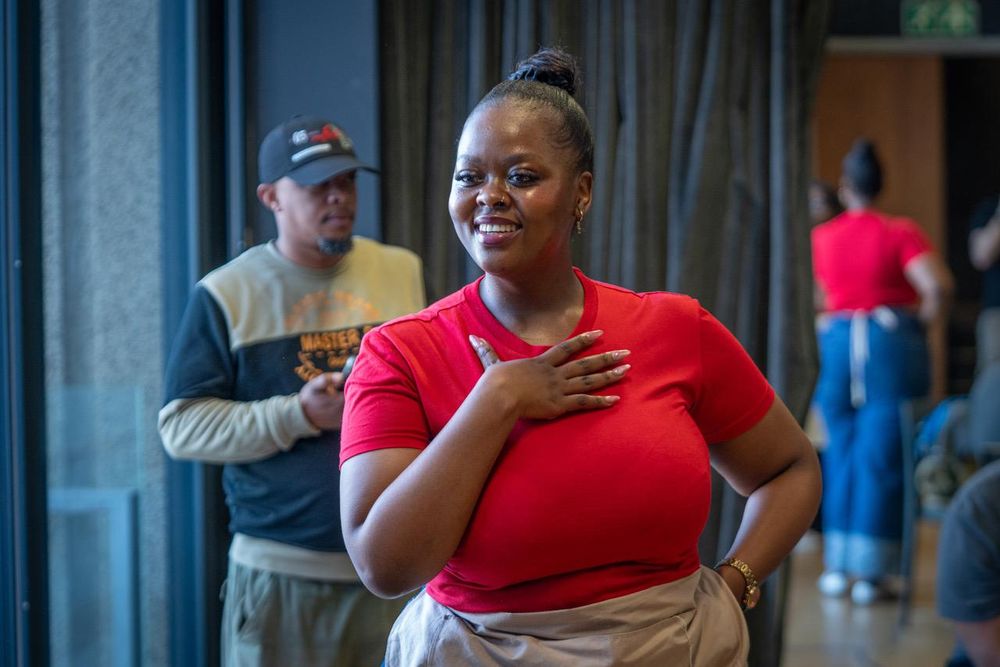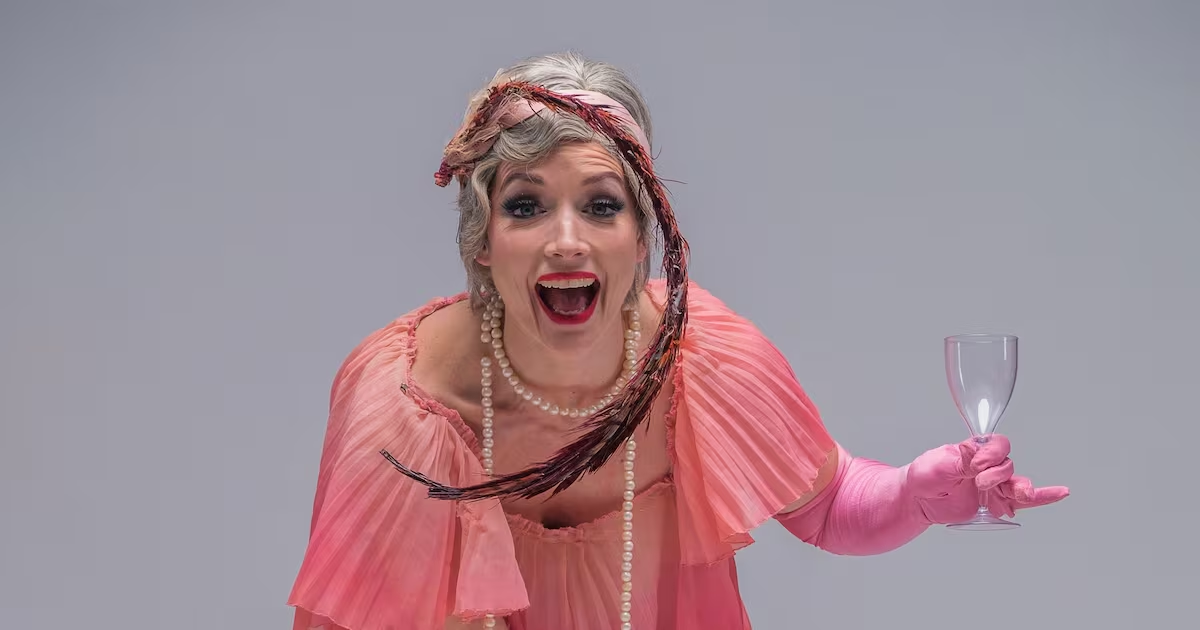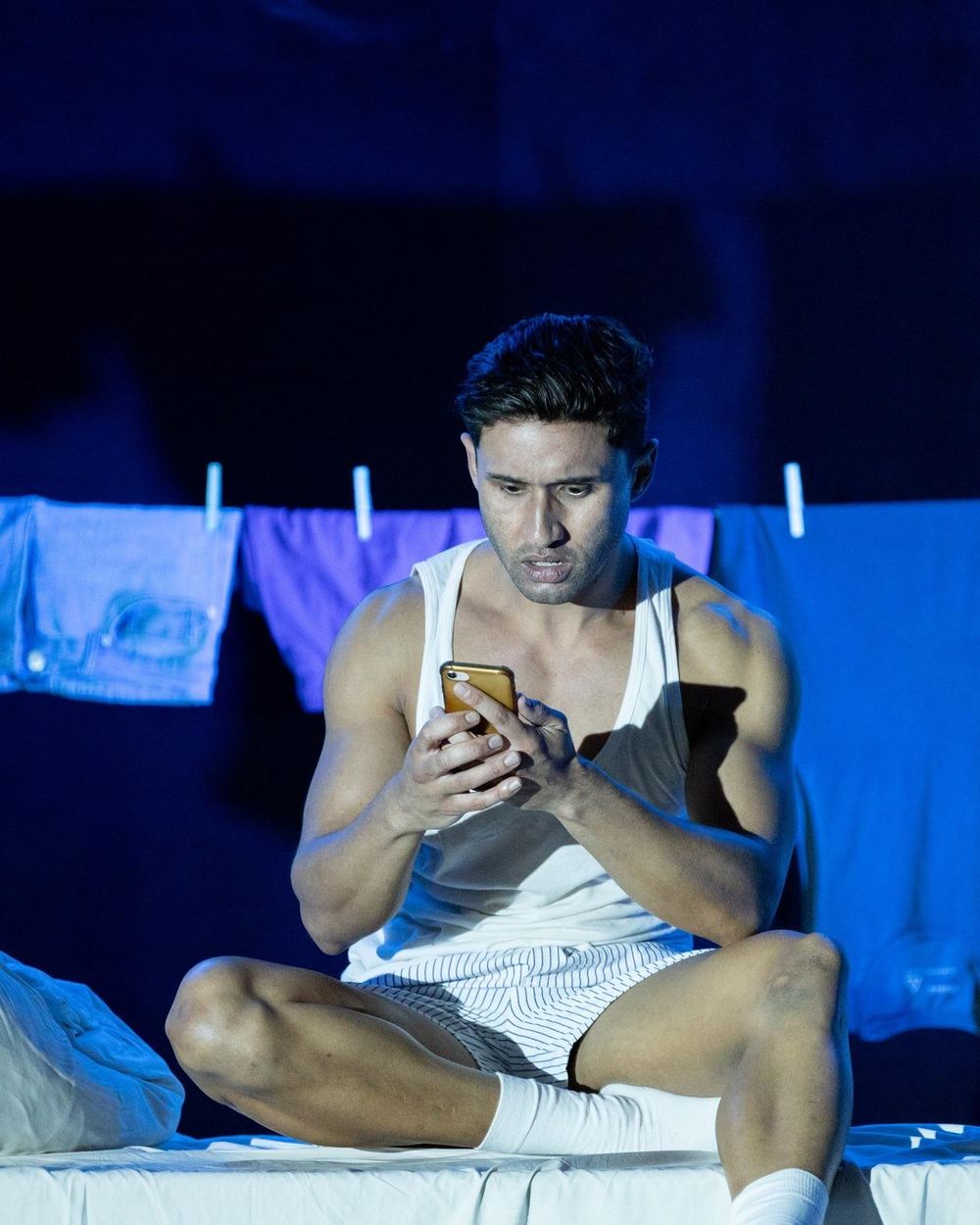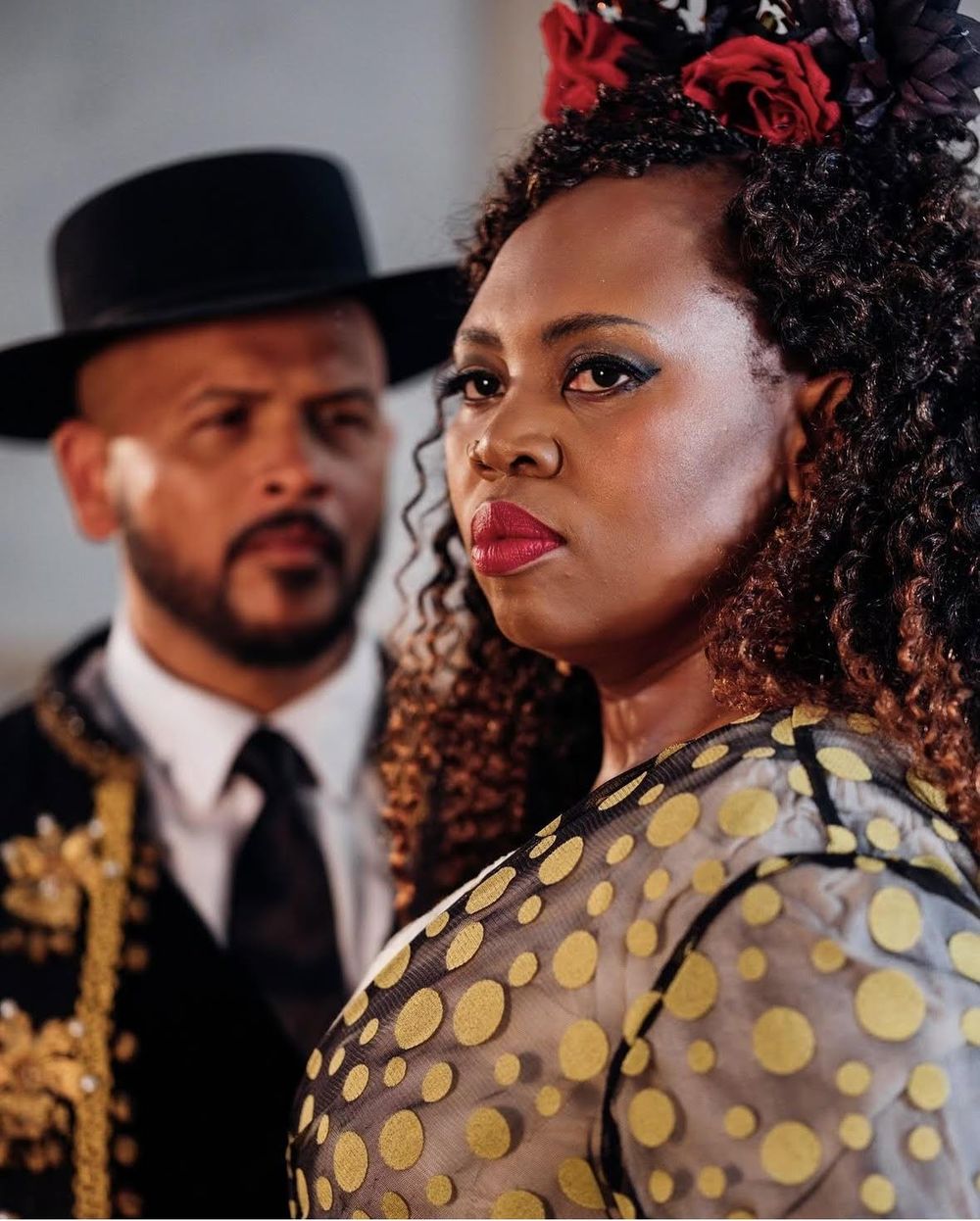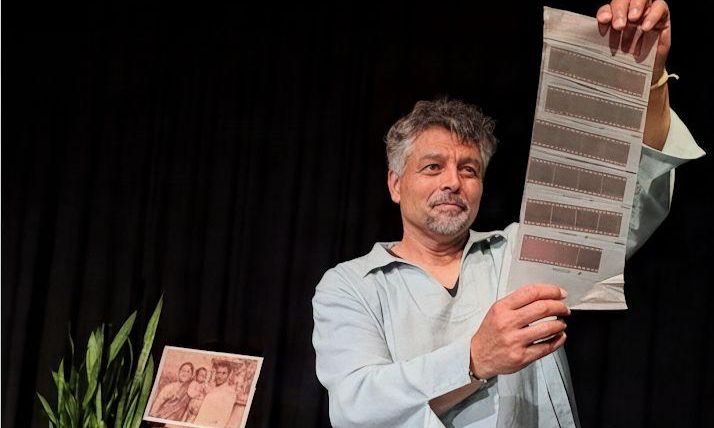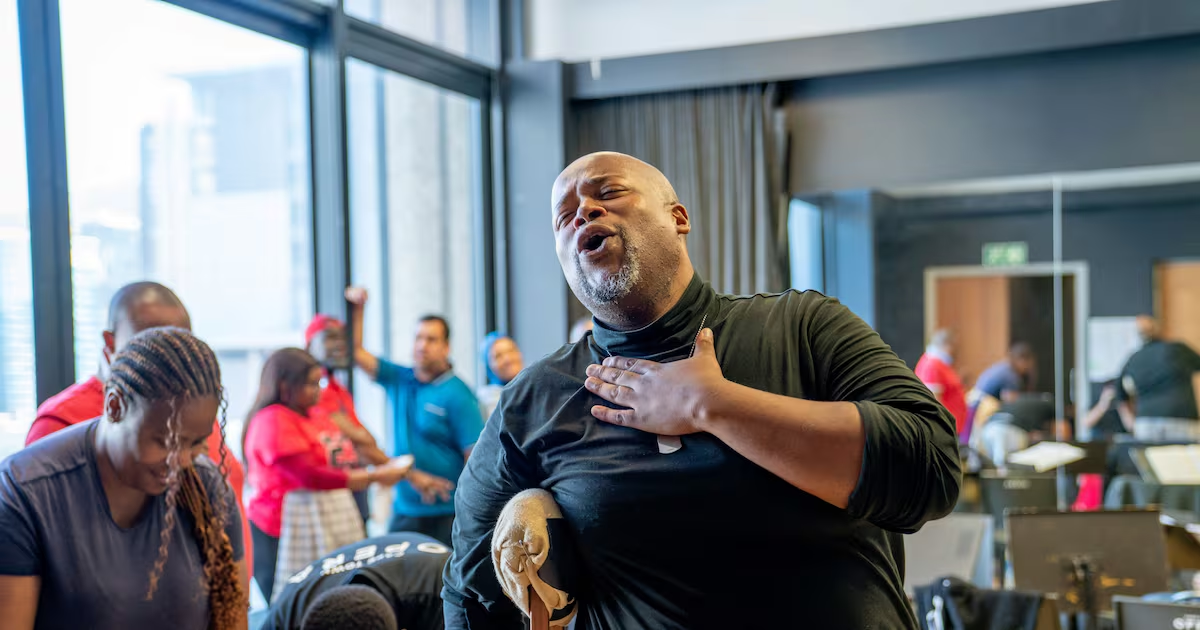
I had a double arts date in the Cape Town city bowl this week. First, an afternoon in a rehearsal room, getting a taste of the Cape Town Opera’s forthcoming touring production of Porgy and Bess before the cast departs for Paris — the first stop in an itinerary that includes Lucerne, Berlin, Dortmund and Antwerp. Then I took an evening stroll up Kloof Street to a new venue, the Antique Theatre and Bar, where John Maytham is performing Mike van Graan’s one-man play Superfan (until September 12). An unexpected resonance was produced by this combination.It is truly thrilling to sit a couple of metres away from an opera ensemble going full tilt. In the case of Cape Town Opera, this delight is intensified — an experience borne out by the numbers. When I chatted to artistic director Magdalene Minnaar during a break, she affirmed that they are achieving with 20 performers what would usually be done by 60 (just as, she reminded me, their past productions of Aida or Carmen had 30-odd singers on stage for operas that usually have choruses double or triple that size).“No company on the planet has the same amount of passion and drive as our brilliant performers do,” she says. “We are almost doing chamber versions of these operas, but the artists are so much larger than life you can’t tell.”This Porgy and Bess is a sort of “suitcase production”, a hybrid of concert and choreographed show, allowing the cast to exercise their acting chops and incorporating elements of dance and movement. They will share the stage with the Chineke! Orchestra, which bills itself as the first professional orchestra in Europe comprising a majority of black and ethnically diverse musicians.Race and racial representation are, of course, central considerations when staging George Gershwin’s iconic “folk opera”. Since its US premiere in the 1930s, Porgy and Bess has been controversial — loved and loathed in equal measure by black musicians, writers and scholars.Criticised for reinforcing the stereotype that “African Americans lived in poverty, took drugs and solved their problems with their fists”, the show nevertheless became a key point of reference in 20th-century transatlantic black culture. Minnaar recognises that productions can have that “icky, condescending feeling” if they fall into the trap of depicting the characters and their milieu as either “dirty” or “cute”.South African artists are well placed, she argues, to offer more nuanced interpretations even as they recognise the pertinence of issues like addiction and gender-based violence: “Porgy is not just a beggar; he is a keen observer of the action. Bess is a clear-thinking individual who makes bad decisions in spite of herself. All the characters, whether pious or villainous, have both light and shade.”Minnaar wants to bring the production back to South Africa, but that will be decided by financial rather than artistic considerations. Cape Town Opera has been more successful than most performing arts companies in securing income but remains part of an ecosystem in which funding is severely constrained. Still, showing “enormous creativity despite limited resources” is, Minnaar believes, “South African artists’ superpower”. And Cape Town Opera sees itself as “like the Springboks — a brand internationally known for excellence”.That is, as it happens, the premise of Superfan. Maytham, whose talk radio persona requires him to play the part of a curmudgeonly know-it-all who actually has a heart of gold and loves his compatriots deeply, gives a version of that character here. Except that petrol station proprietor Oliver Wilson, at the age of 72, is still learning about his country and about himself: discarding some of his prejudices and clinging quietly to others.One thing he has no qualms about is rugby. His other great passion, intriguingly, is opera. But it is the Springboks — specifically in the era of Siya Kolisi and Rassie Erasmus — who get him fired up and inspire him to want to make a contribution to the wellbeing of his fellow citizens.One of Oliver’s many blind spots is that he doesn’t acknowledge the co-option of the Springbok brand into less salubrious pursuits. So it is noteworthy that Superfan is sponsored by online gambling company SportPesa. Sports betting is a pervasive socioeconomic blight in South Africa. But I guess that artists can’t be picky about their patrons.Business Day
CHRIS THURMAN | Cape Town Opera and theatre probe South African identity
‘Porgy and Bess’ and ‘Superfan’ offer sharply contrasting takes on SA’s cultural character
711 words~3 min read