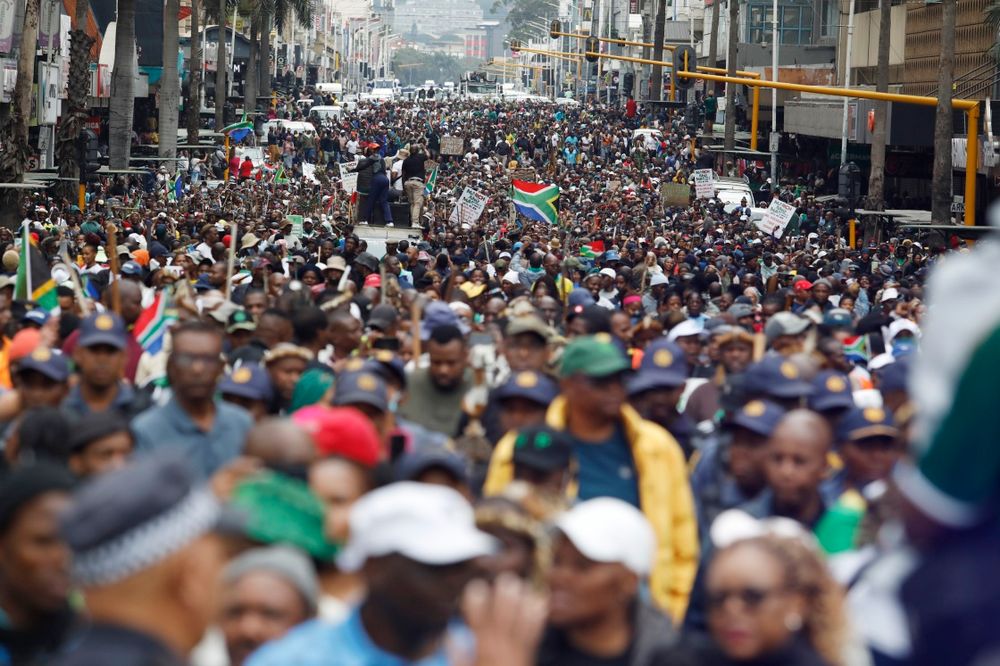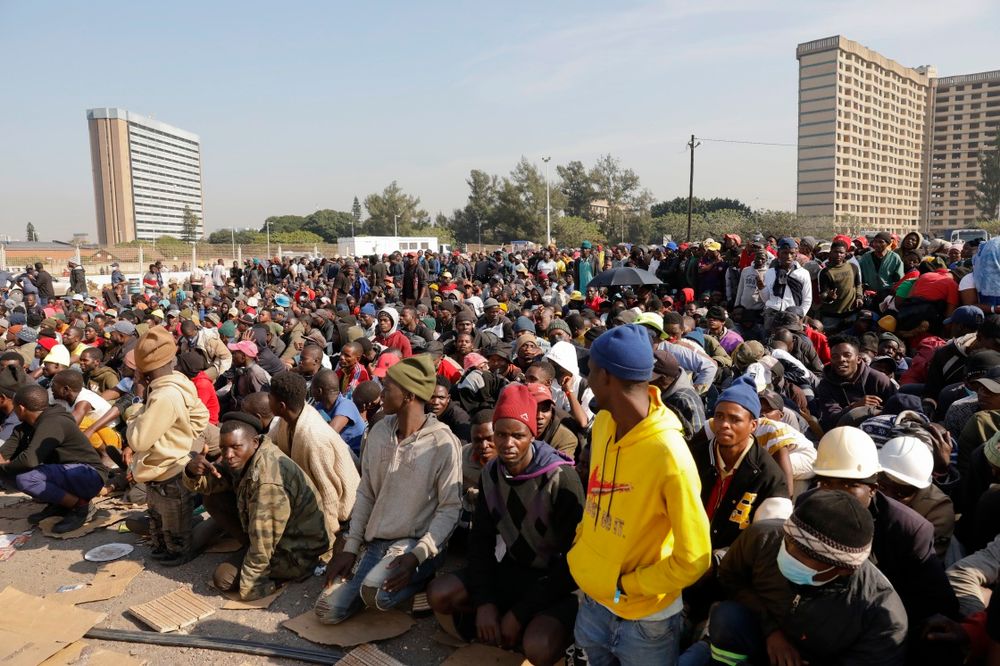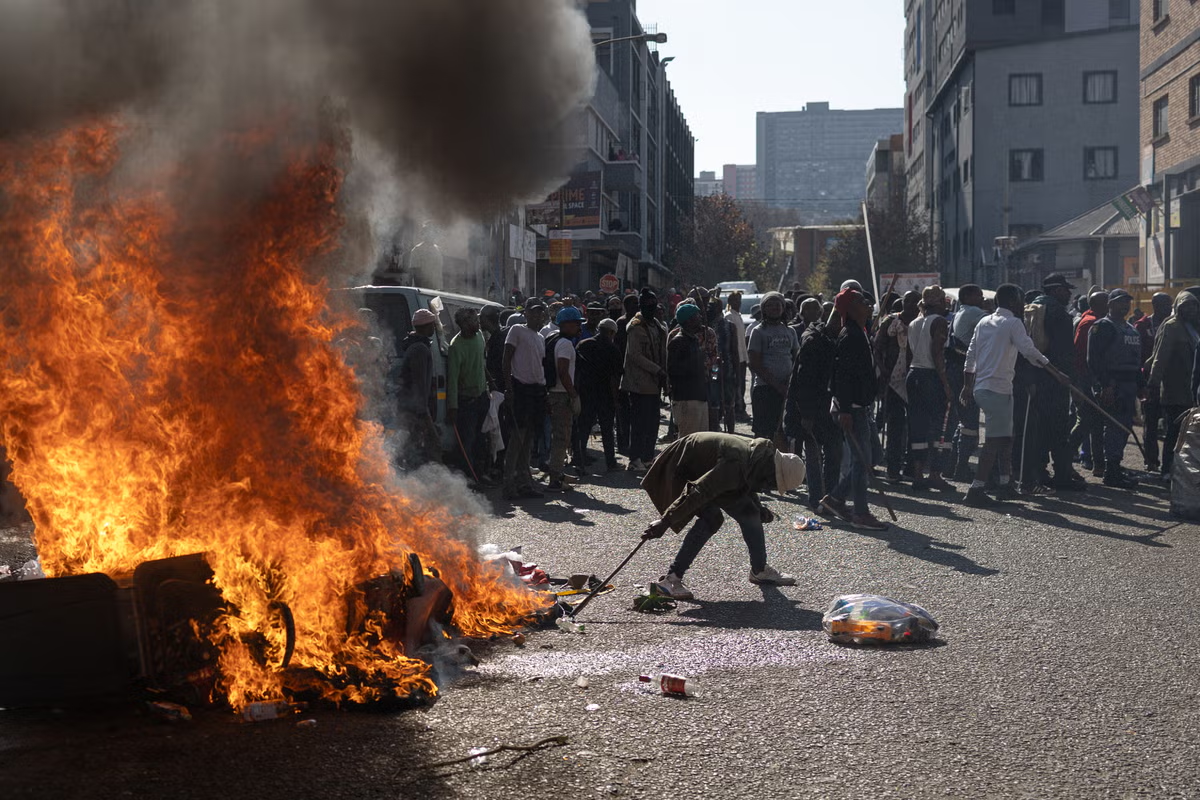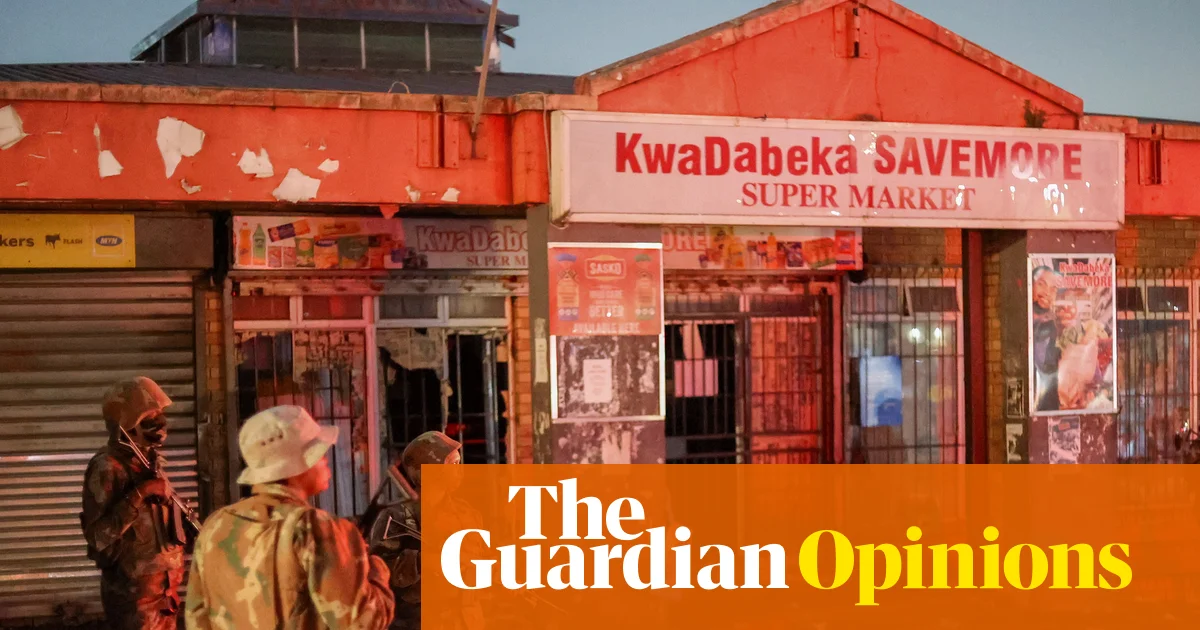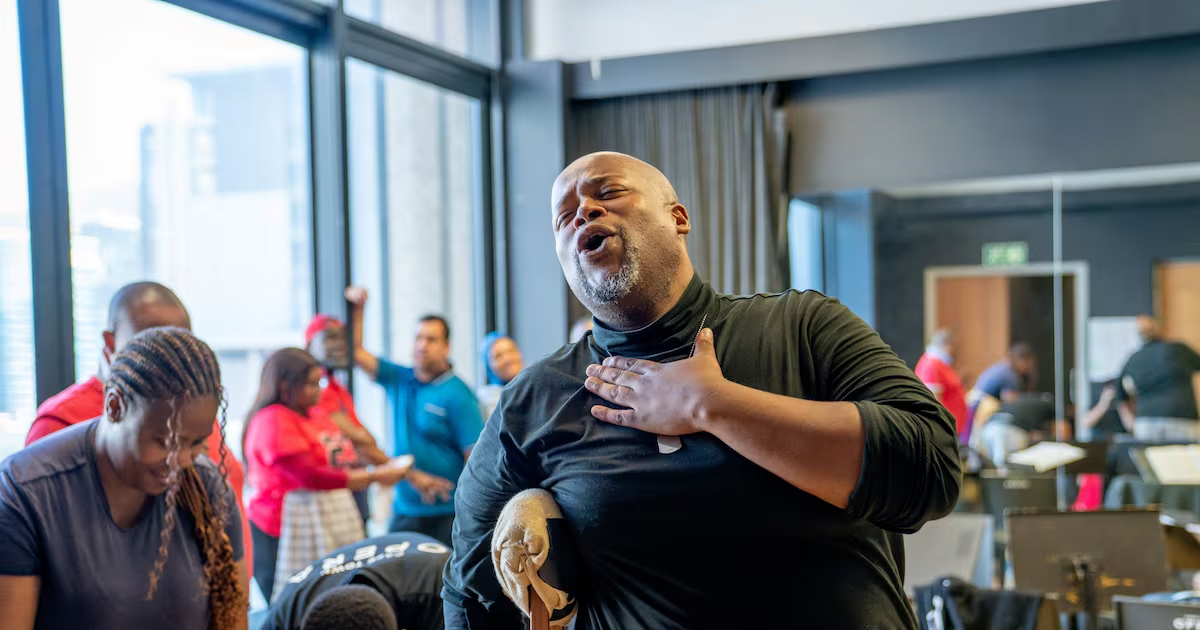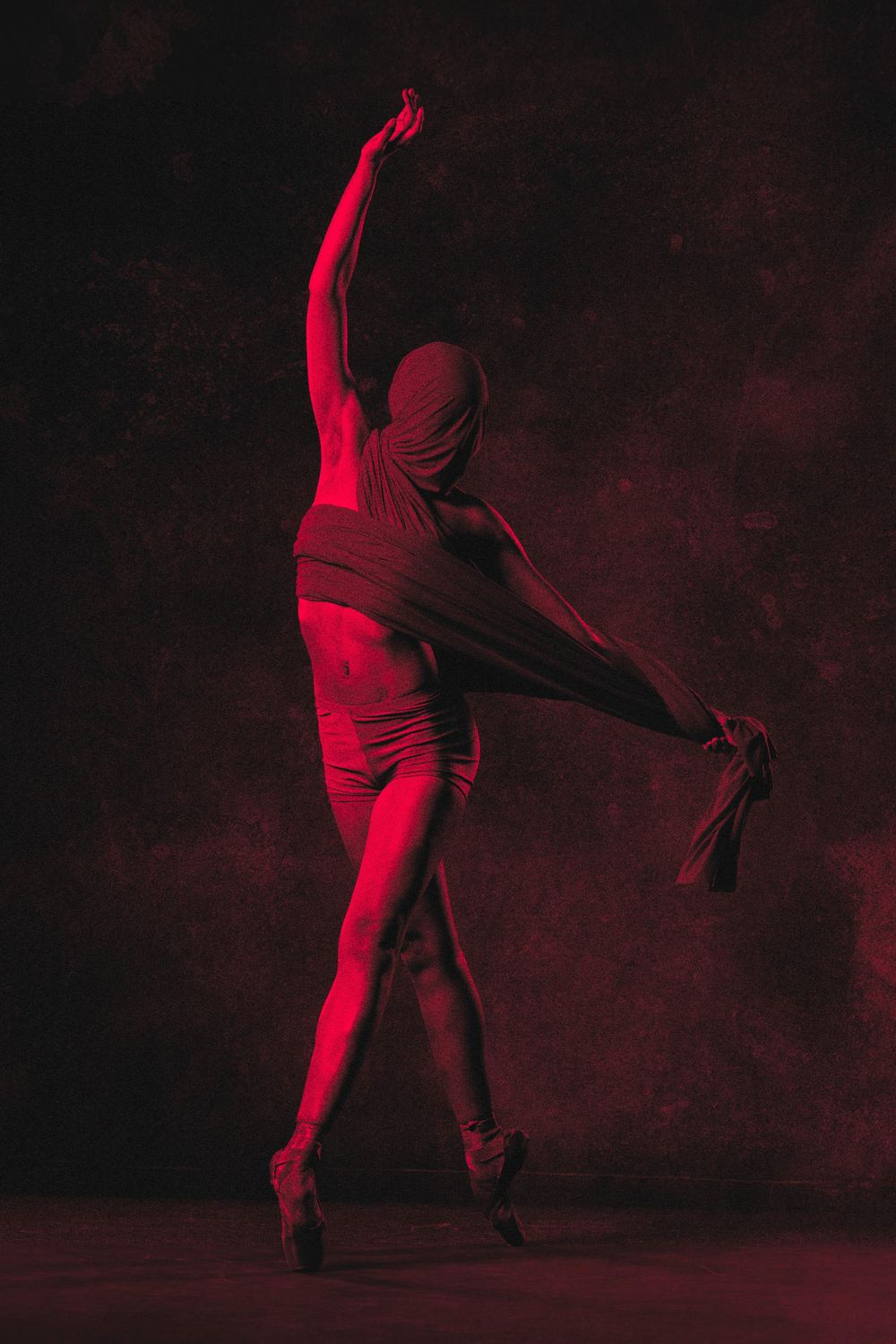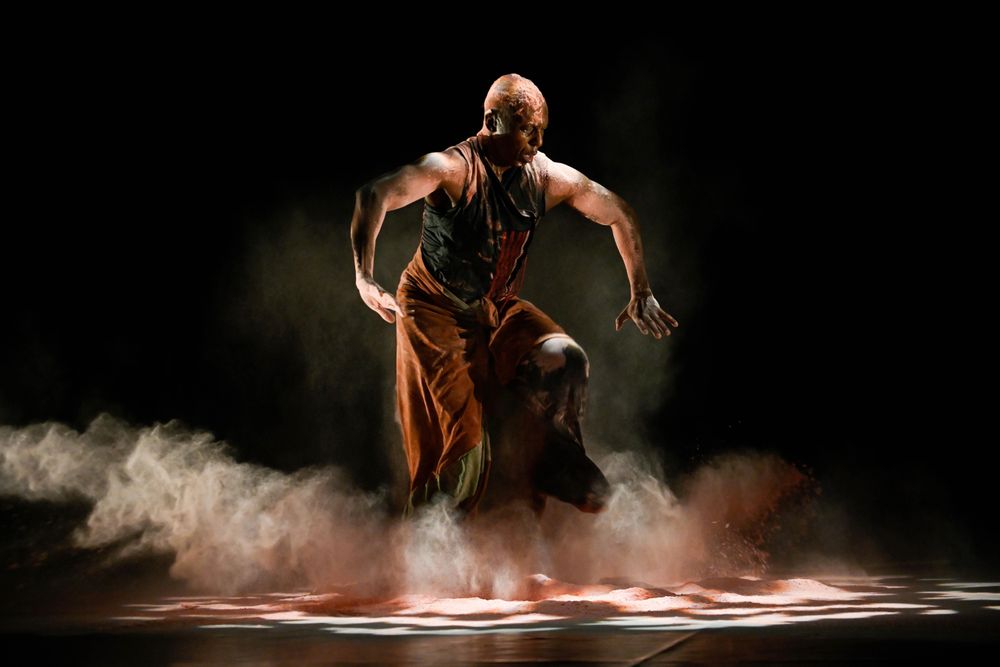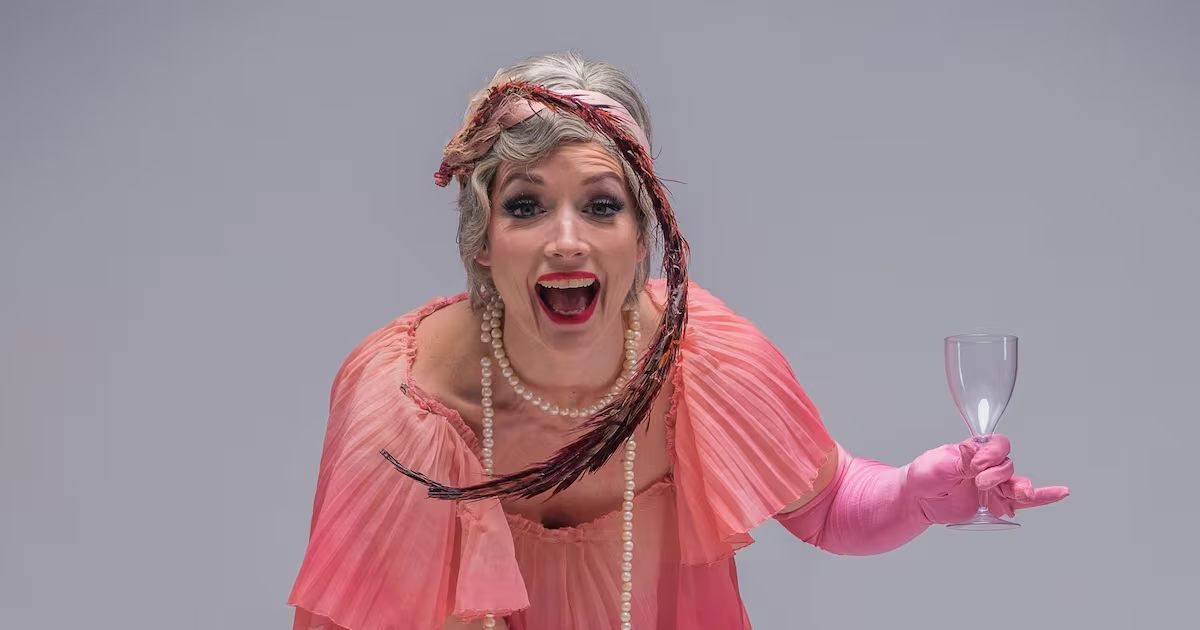
South Africans periodically flirt with ugly forms of populism — the nationalistic, xenophobic, scapegoating kinds. Our country has now been reminded that anti-immigrant groups have little interest in equality or democracy.It is too soon to breathe easily and say that another breakout of rioting and vigilantism has been forestalled. The political parties, civic organisations and so-called people’s movements that have been explicitly preaching hatred, fearmongering about foreign nationals or dog-whistling Afrophobia are still going to be at it for a while. They should not be believed when they talk of justice and the law. What they want is chaos and violence.It is eerily appropriate that this week should see the premiere of The Bacchae: An African Choral Ballet, a multidisciplinary collaboration between Joburg Ballet and University of Johannesburg (UJ) Arts and Culture that promises “an immersive experience of music, sound and storytelling” through “ballet, indigenous African movement and choral verse”. 'The Bacchae: An African Choral Ballet' reimagines Euripides’ classic tragedy through a uniquely South African lens. (Lauge Sorensen) Directed by Jay Pather, the production boasts music by Neo Muyanga and choreography by Mthuthuzeli November, with design by UJ students, musical performances by the UJ Choir and accompaniment by a live chamber orchestra.Pather has identified in Euripides’ ancient play an archetypal conflict, which recurs in various Greek tragedies and indeed in many iconic works of theatre: a tussle between “passion, excess, the irrational” and “order, moderation and restraint”.The Bacchae are crazed followers of the god Dionysus who tear the head off the king of Thebes. While direct analogies with the present South African situation cannot be sustained (it is Dionysus who arrives as a “foreigner” in Thebes), the thematic echoes are clear.This new Bacchae promises a departure from strict classical ballet, which — despite the technical brilliance and physical virtuosity it demands of performers — ultimately has limited appeal beyond a circumscribed audience of appreciative aficionados.Don’t get me wrong. I love a night out at the ballet, though I do find its codes and constraints somewhat trying (perhaps because I am only an occasional attendee). As with all art forms, immersion would surely cure me of this bafflement; the more you understand, the more you appreciate. But until I reach that point, I will continue to find ballet’s dumb-show gestures and 19th-century European affectations a little trying.I did, recently, have the refreshing experience of watching Cape Town City Ballet’s revived staging of Veronica Paeper’s Orpheus in the Underworld, a retelling of a related episode in Greek mythology. Orpheus, too, gets torn apart in a Dionysian frenzy. But the ballet depicts an earlier episode in his story — when his wife Eurydice is taken by Hades and he descends to “hell” to save her.Paeper’s choreography, first developed for a landmark production in 1982, has enough convention to satisfy the purists but enough novelty to keep the attention of people like me, blending ballet with a range of dance styles, fashions and settings.Orpheus in the Underworld has a very clever premise. The music comes from Jacques Offenbach’s French operetta, which had itself revised the Orpheus-Eurydice story somewhat, satirising the couple and their milieu by presenting an unhappy marriage. Here, Orpheus and Eurydice were both quite pleased when she left for the underworld, but he was forced to bring her back to polite society by the powerful voice of public opinion.Paeper’s concept takes this further, setting the ballet in the 1920s — all art deco, flappers and haute couture. The Underworld is a nightclub, and Eurydice is its star. Ballet meets the Can-Can and drunk dancing is the (skilfully executed) order of the day.The likes of Swan Lake and The Nutcracker will remain fixtures on the programmes of South African ballet companies. Both of those works were, in their own time, innovative fusions of disparate forms; Tchaikovsky’s exoticism and romanticism were disruptive forces. Now they are old favourites. Cape Ballet Africa, having previously supplied a popular Nutcracker at Artscape in Cape Town and Montecasino in Johannesburg, will no doubt play to packed houses when it produces Swan Lake in August. Still, I’m hoping to see more in the vein of Orpheus and The Bacchae in the months and years ahead.‘The Bacchae: An African Choral Ballet’ is at the Mandela Theatre at Joburg Theatre until July 12.Business Day
CHRIS THURMAN | African Choral Ballet relives archetypal conflict
Joburg Ballet, University of Johannesburg collaboration has roots in Greek mythology
713 words~3 min read