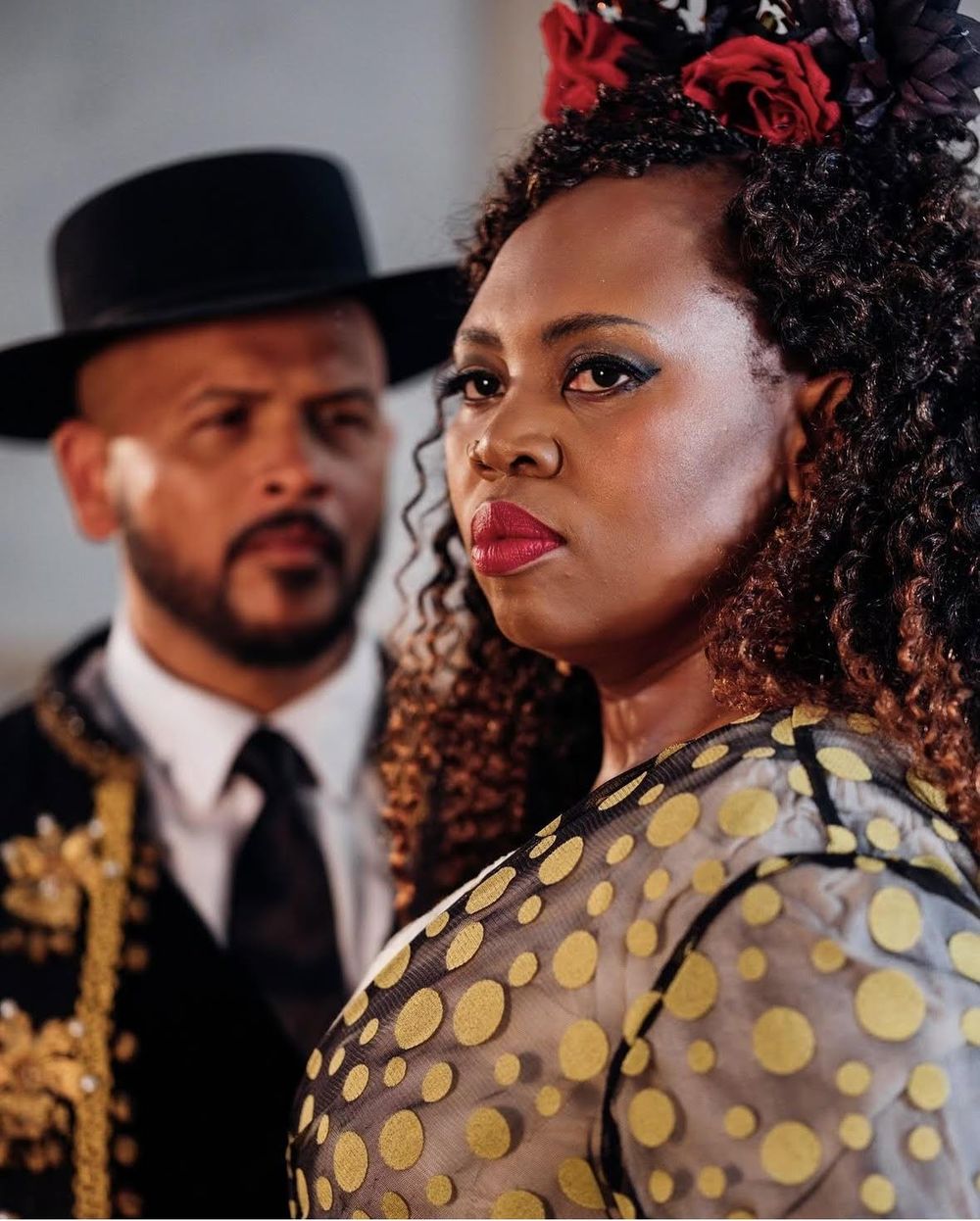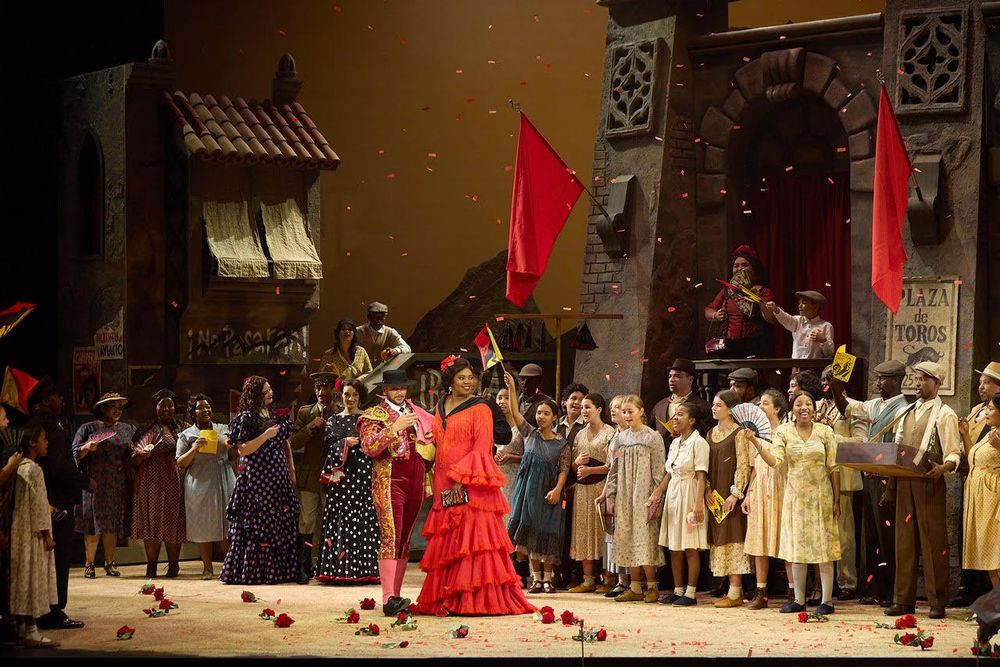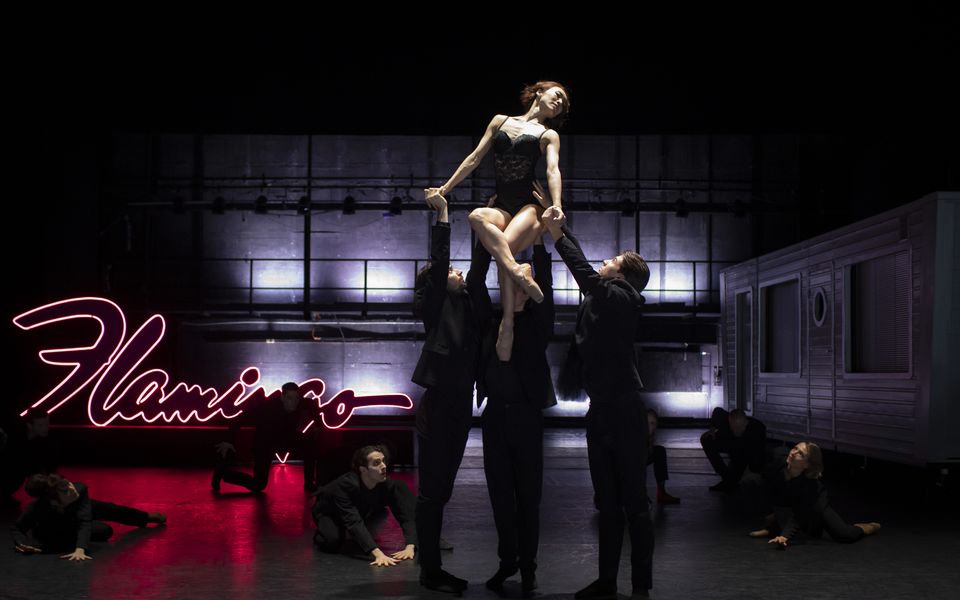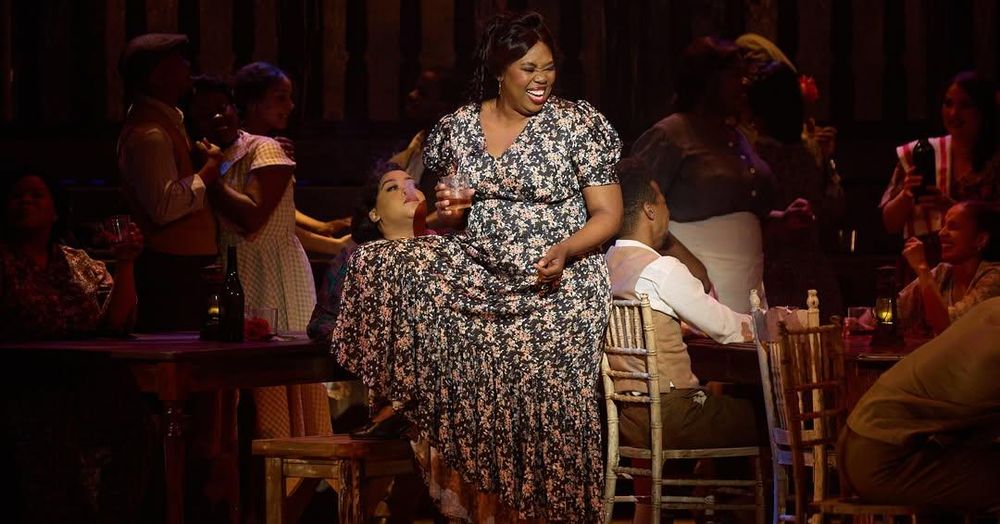
The opening night of Cape Town Opera’s new production of Carmen was a festive occasion — and, indeed, a celebration seemed appropriate. ]Speaking briefly before curtain-up, CEO Alex Gabriel compared the company to the Springboks: a South African brand that boasts sustained success and global acclaim.The claim is not far-fetched. Cape Town Opera’s vision to fulfil the role of a national arts entity has come to fruition in recent years. Certainly, its productions and co-productions travel nationwide, as do its education and development programmes. It represents the country on international stages. And it continually seeks to bring opera to a wider public; Gabriel announced that the premier performance was being broadcast live on the airwaves and via Fine Music Radio’s livestream.If ever there was an opera for the people, Carmen fits that bill. It’s a riotous affair, and you have to be a dullard, a prude or a snob not to enjoy it. The music is sufficiently embedded in shared popular consciousness that even those who are not opera aficionados will recognise a couple of the arias and choruses in the first two acts. Trust me: you’ve overheard someone singing “Toreador!” in the shower or encountered the opening bars of the overture in an advert (alternatively, as Gabriel reminded the opening night audience, Formula 1 fans know it as the anthem that plays when the winners’ podium is doused in champagne).There is plenty of humour, a healthy dose of bawdiness and an unembarrassed embrace of human passions. The characters in Carmen are vivacious ― tempestuous, too, and quick to anger, but winsome for all that. It’s full of crowd scenes and it’s got cute kids to boot. It invites sexy flamenco choreography. Sexy smoking too; watching Carmen is a nightmare for anyone who recently quit a nicotine habit.Conductor Tim Murray’s decision to restore the spoken dialogue that French composer Georges Bizet and his librettists intended for Carmen gives this production an additional familiar feature for audiences used to the speaking-singing conventions of musical theatre.Bizet was drawn to the story told in Prosper Mérimée’s novel by the admittedly cliché trope of “Spanish flair”. It seemed apt material when he received a commission from the Opéra-Comique to create a work that would brighten up a Paris still emerging from the gloom of the Franco-Prussian war. Perhaps the deadening effect of neoclassicism also still hovered in the air. Either way, when Carmen opened in 1875 the first audiences were in no mood for an expression of joie de vivre.The opera had to leave France to garner critical respect and commercial appeal (by then, sadly, Bizet had died). Soon it was internationally beloved. Of all the works in the 19th-century operatic canon, Carmen feels the most South African — an association attributable partly to the 2005 film U-Carmen eKhayelitsha, but more generally to the working-class orientation of the plot.Director Steven Stead emphasises this in explaining his decision to bring the action forward from Seville in the 1820s to the period of the Second Spanish Republic in the 1930s. Before the descent into civil war and Franco’s Fascism, this era saw the introduction of progressive reforms, including women’s suffrage, freedom of speech and the stripping of aristocratic privileges. But, Stead reminds us, it was still a dangerous and precarious time. The lives of the factory workers, soldiers and smugglers depicted in Carmen were “hard and violent”.It is a world of corrupt authority and loveable thieves. It is also a world defined by priapic masculinity and by women’s resistance to subservient status. The title character is willing to play the game of love and lust, but she also knows that men cannot be trusted — a truth that is borne out in her demise, even as she remains defiant.In this production (at Artscape until May 31), Nonhlanhla Yende is imperious as Carmen: desirable, admirable, aloof, witty, vulnerable. Lukhanyo Moyake is her lover and murderer, the inconstant boy-man Don José — though when Moyake sings the “flower song”, his tenderness is evident (as is his later sorrow). Conroy Scott is excellent as the self-important and bombastic but charming matador Escamillo. Carmen is, however, an ensemble success. The Cape Town Opera team has done it again.
CHRIS THURMAN | ‘Opera for the people’ is a riotous affair
The 'opera for the people' is a riotous affair with recognisable arias and choruses
698 words~3 min read