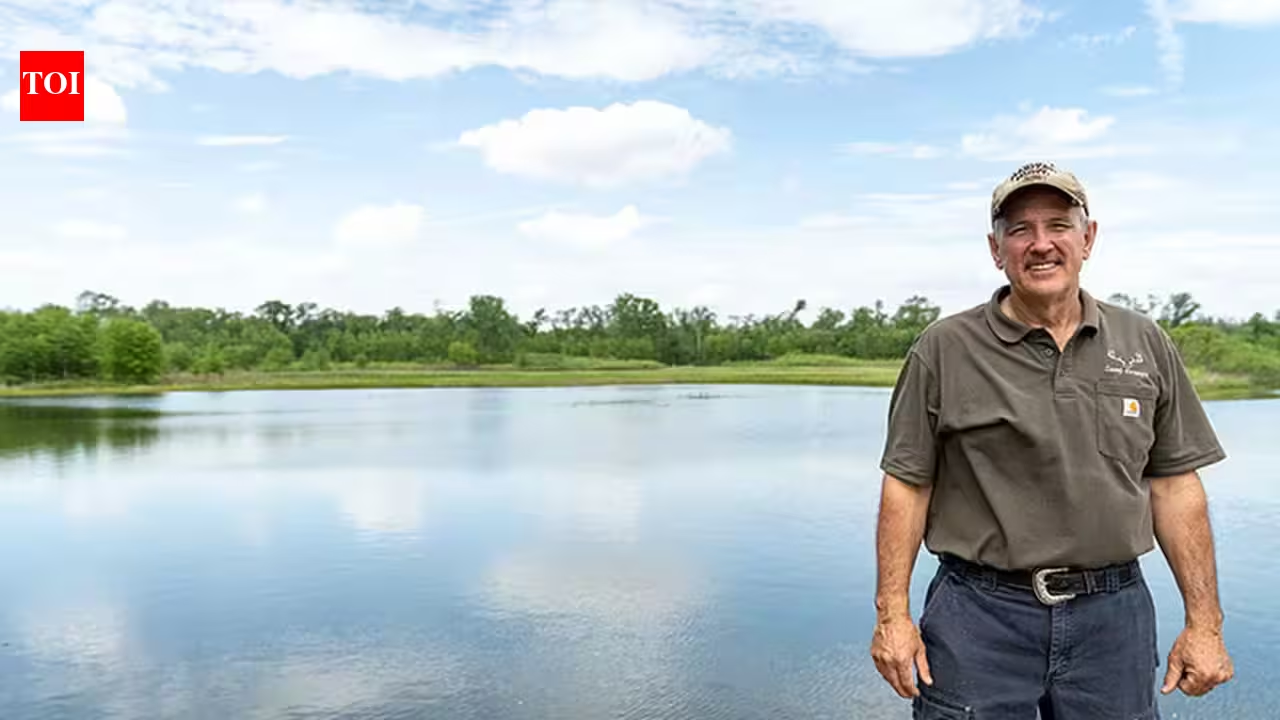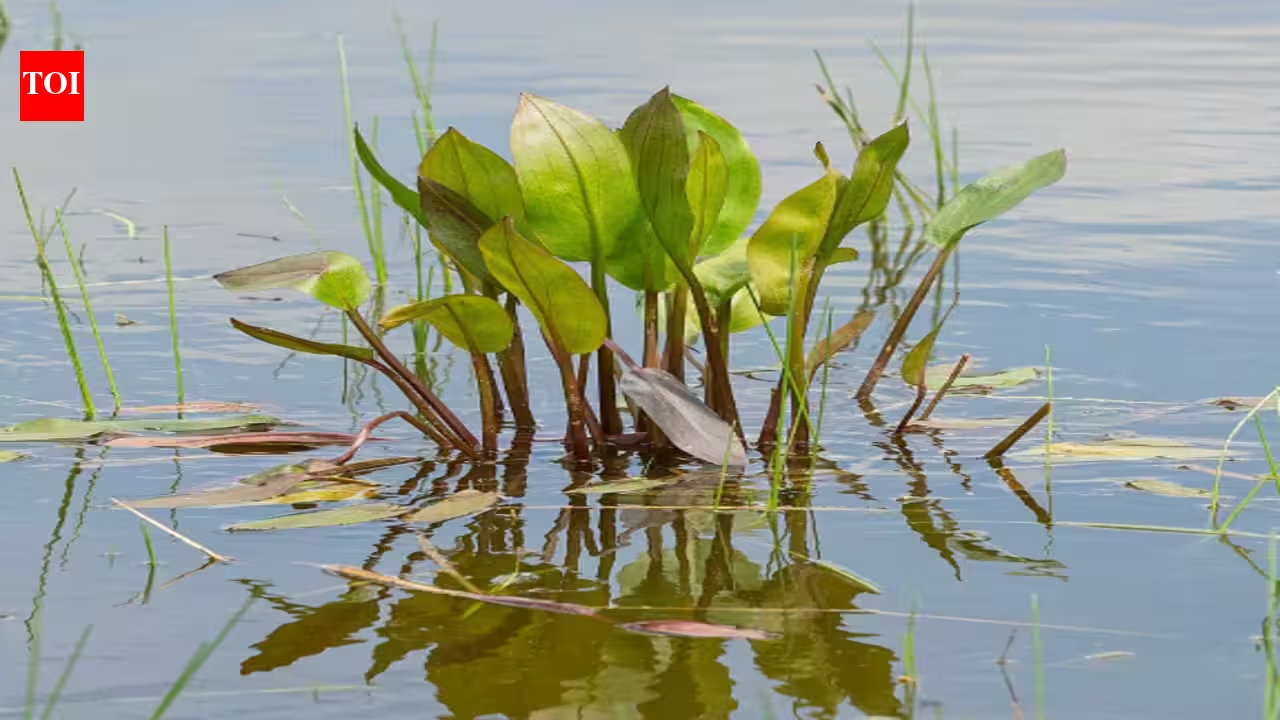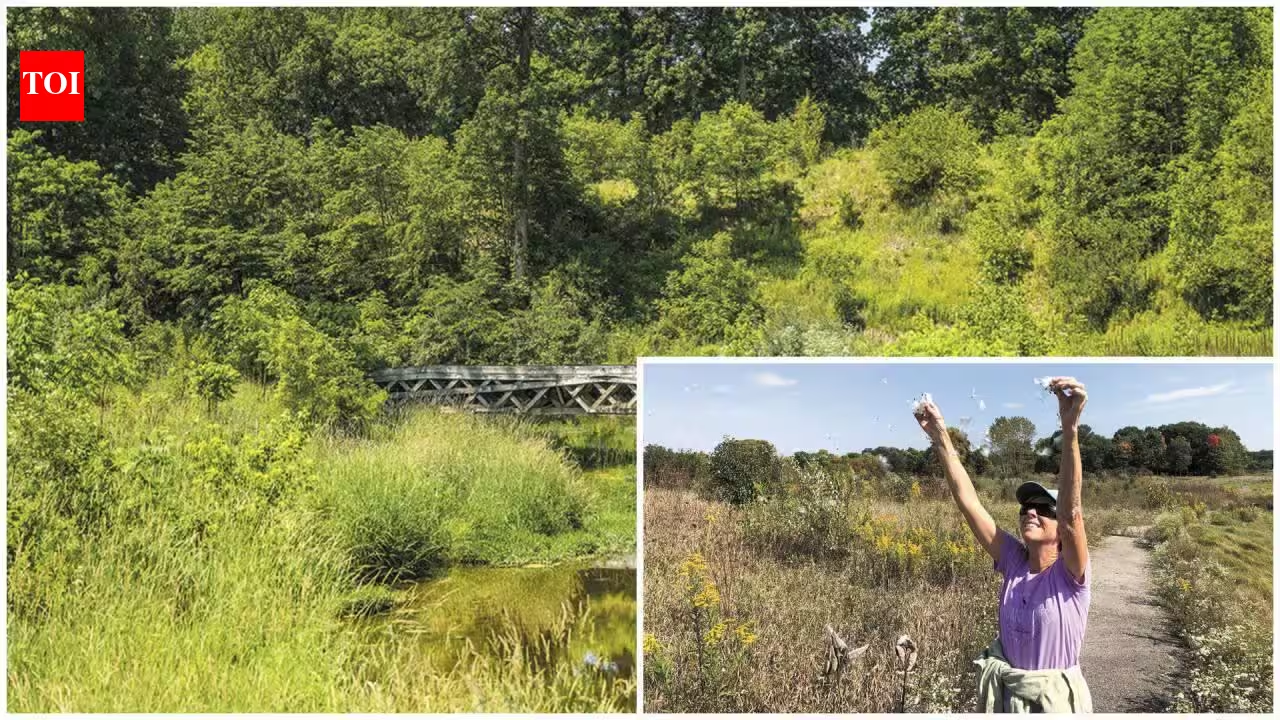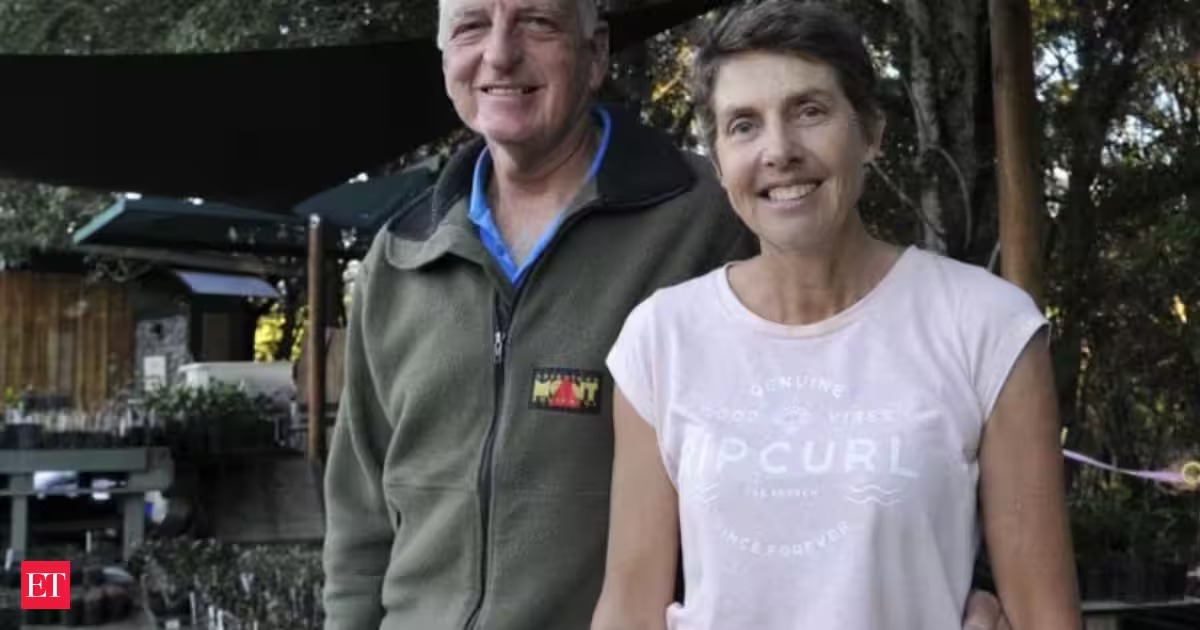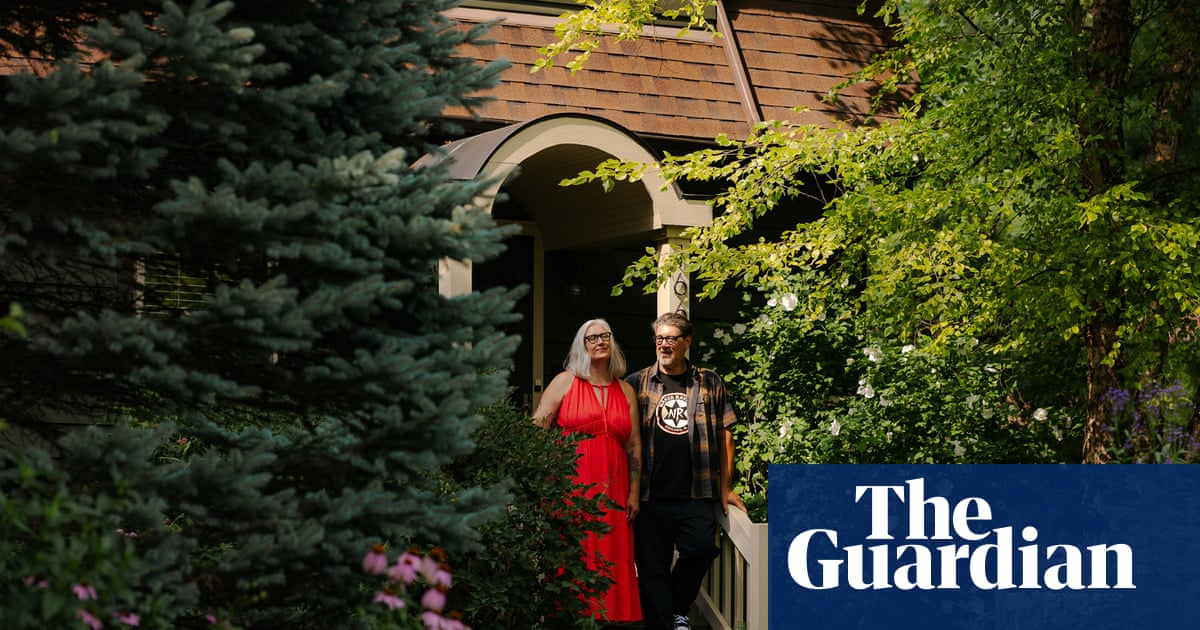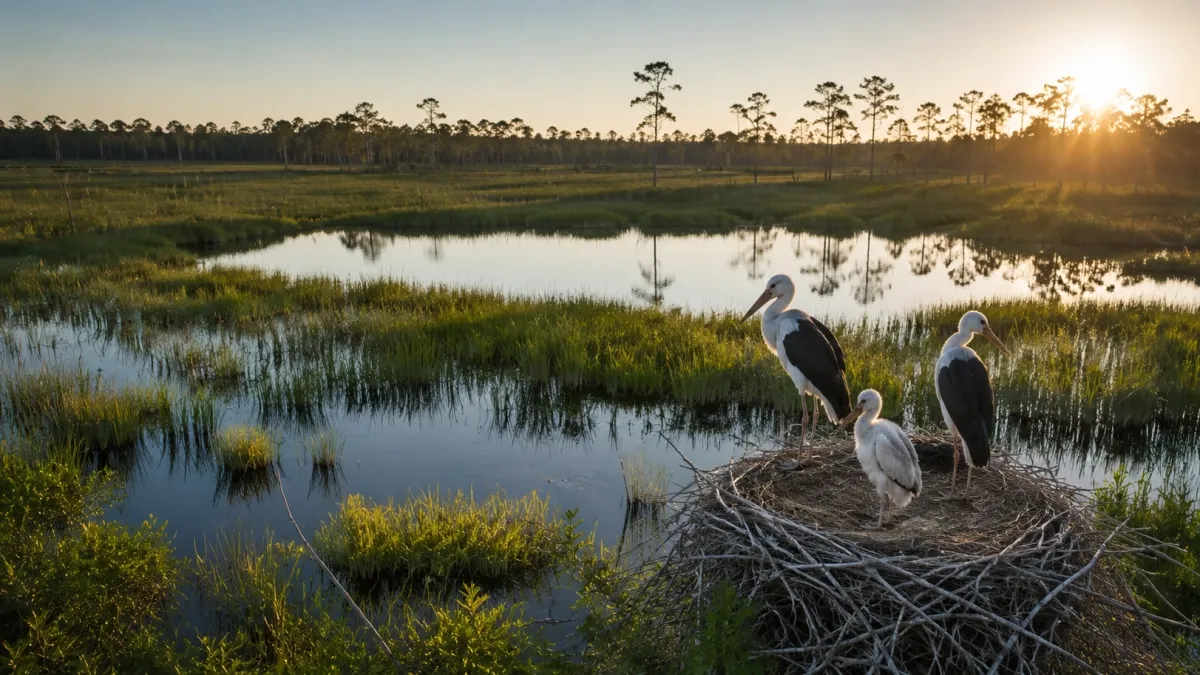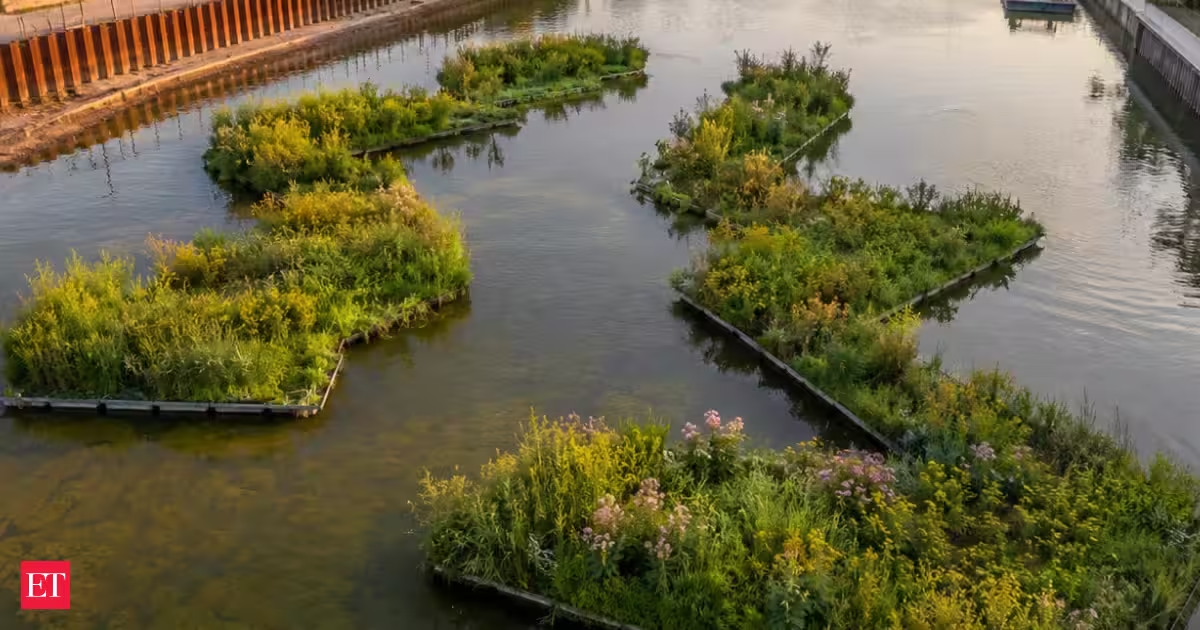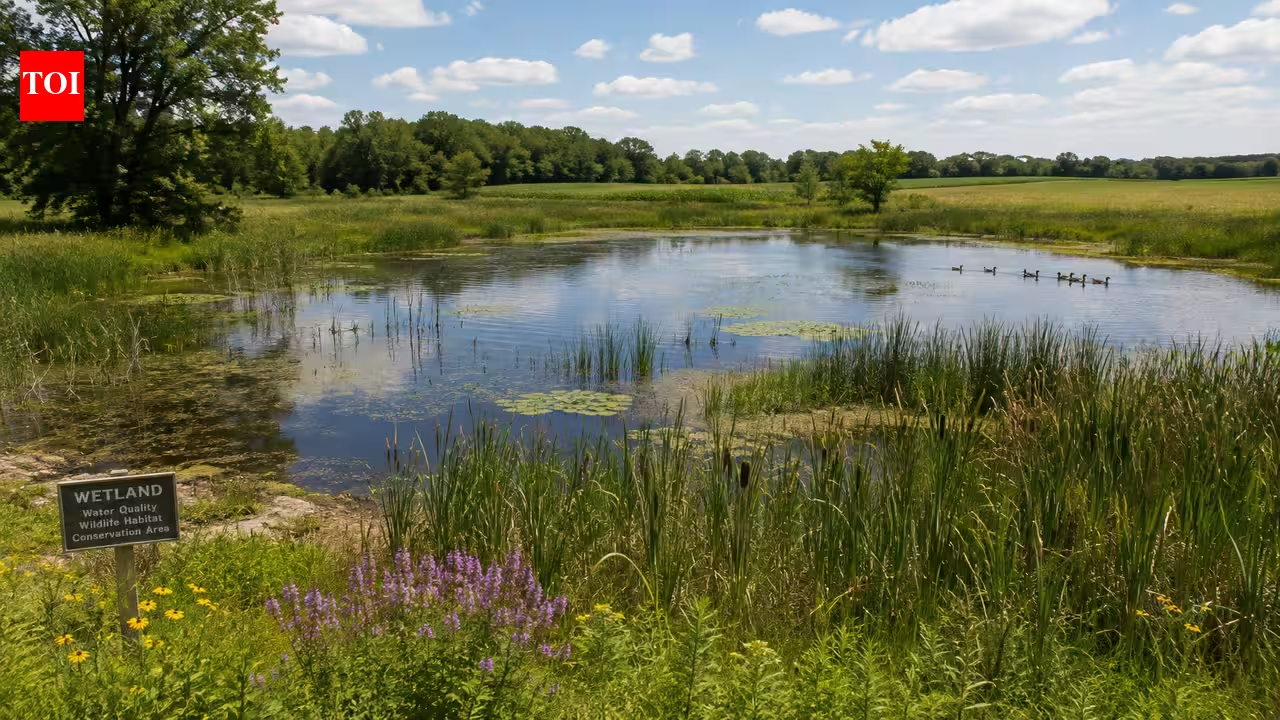
AI Representation: A restored wetland at 'Bout Broke Farm. Image credits: Wikimedia CommonsWhen Steve and Dianne White purchased an 86-acre property in Fulton County, Illinois, in 2006, it had been used for agriculture for decades and showed signs of erosion. By 2022, the property, known as Bout Broke Farm, included cropland, forest, wetlands, pollinator habitat and prairie. Steve had recorded approximately 71 bird species there. The transformation is documented in a USDA Natural Resources Conservation Service feature on the property, titled '‘Bout Broke Farm.The 86-acre farm combines production land with conservation areas They kept some of their land for farming while converting the rest for conservation use. This created a diverse landscape, with cropland combined with natural areas that provided a variety of wildlife habitats. The Whites' conservation work spans soil and water conservation as well as habitat improvement. At the same time, the approach allowed the Whites to support wildlife while continuing agricultural production on the property.Wetlands became part of the farm's water and habitat managementWetlands are another important part of conservation at Bout Broke Farm, helping manage water and soil on the property. A pond and surrounding vegetation also provide habitat for wildlife on the farm. That adds aquatic and wetland habitat to the woodland and prairie already on the farm. The Illinois Department of Natural Resources’ 2022 CREP newsletterprovides background on the Conservation Reserve Enhancement Program, including its role in protecting water quality, reducing runoff and establishing wildlife habitat on private agricultural land. The publication described conservation work involving the Whites and showed how private farmland can support broader habitat and water-quality goals. In addition, the wetlands and pond offer chances to see wildlife that favors water habitat over open cropland. Their addition provides another habitat type to land that was once used only for agriculture.Tree planting expanded the property's wooded habitatTree planting was another part of the Whites' conservation work. The developing woodland added areas of tree cover to the farm and complemented the existing open habitats. Trees can provide food, nesting locations and shelter for wildlife, while also contributing to soil protection. On this property, the wooded areas form part of a broader landscape that includes prairie, wetlands and cropland. The Whites' work with trees also received recognition when they were named 2022 Outstanding Tree Farmers by the Illinois Tree Farm Program, according to the NRCS feature on the property. The recognition reflected their efforts to incorporate tree stewardship into the management of the property. Pollinator habitat was another component of the conservation work. The farm contains areas managed for pollinators, adding flowering vegetation and additional habitat alongside the agricultural fields. Rather than relying on a single conservation measure, the Whites combined several approaches across the 86 acres.Steve White recorded approximately 71 bird speciesWildlife changes can be seen from the perspective of Steve White's bird observations. In 2022, he was able to identify about 71 different species of birds. Among the birds, Steve White observed species typical for various ecosystems, such as wetlands, open spaces and forestland. These species included such birds as bald eagles, bobwhite quail, blue-winged teal, wood ducks, great blue herons, barred owls, eastern bluebirds, indigo buntings and pileated woodpeckers. Steve White's count is based on his own observations, not a formal biodiversity survey.The variety of bird species suggests the property supports a range of habitats. At the same time, there are prairies and other open spaces that attract certain species of birds. Forests also attract woodland species of birds. The variety of birds points to conservation benefits on the farm, though Steve's count is informal rather than a scientific survey.AI Representation: A restored wetland at 'Bout Broke Farm. Image credits: Wikimedia CommonsConservation programmes supported work on the private farmThe Whites' conservation work received support from federal and state programs. The Natural Resources Conservation Service offered technical help to the farmers in their conservation efforts. The property was also involved in programs aimed at improving habitat and managing natural resources on private farmland. Such programs can help landowners address soil erosion, water quality and wildlife habitat without giving up farming. The program is part of a broader effort to protect environmentally sensitive private land by helping landowners adopt these practices voluntarily. These programs were the means of incorporating the conservation practices into the general management of the farm by the Whites.By 2022, Bout Broke Farm had become a conservation landscape rather than an agricultural-only one. Agriculture continued to be practiced on the farm as wetlands, prairie, woodland and pollinator habitat were introduced to achieve other conservation objectives. The change was not achieved by stopping agriculture on the property but through combining the two on different portions of the farm. Steve's record of about 71 bird species shows the range of wildlife using the farm. The wetlands, tree planting areas, prairie and pollinator habitats exemplify some of the various conservation efforts undertaken on the land. By changing how different parts of the 86 acres are used, the Whites created a landscape that supports agriculture while also providing wildlife habitat.
In 2006, Steve and Dianne White bought 86 acres in Fulton County, Illinois; 16 years later, it held wetlands, prairie and sightings of 71 bird species
When Steve and Dianne White purchased an 86-acre property in Fulton County, Illinois, in 2006, it had been used for agriculture for decades and showed signs of erosion. By 2022, the property, known as Bout Broke Farm, included cropland, forest, wetlands, pollinator habitat and prairie.
836 words~4 min read