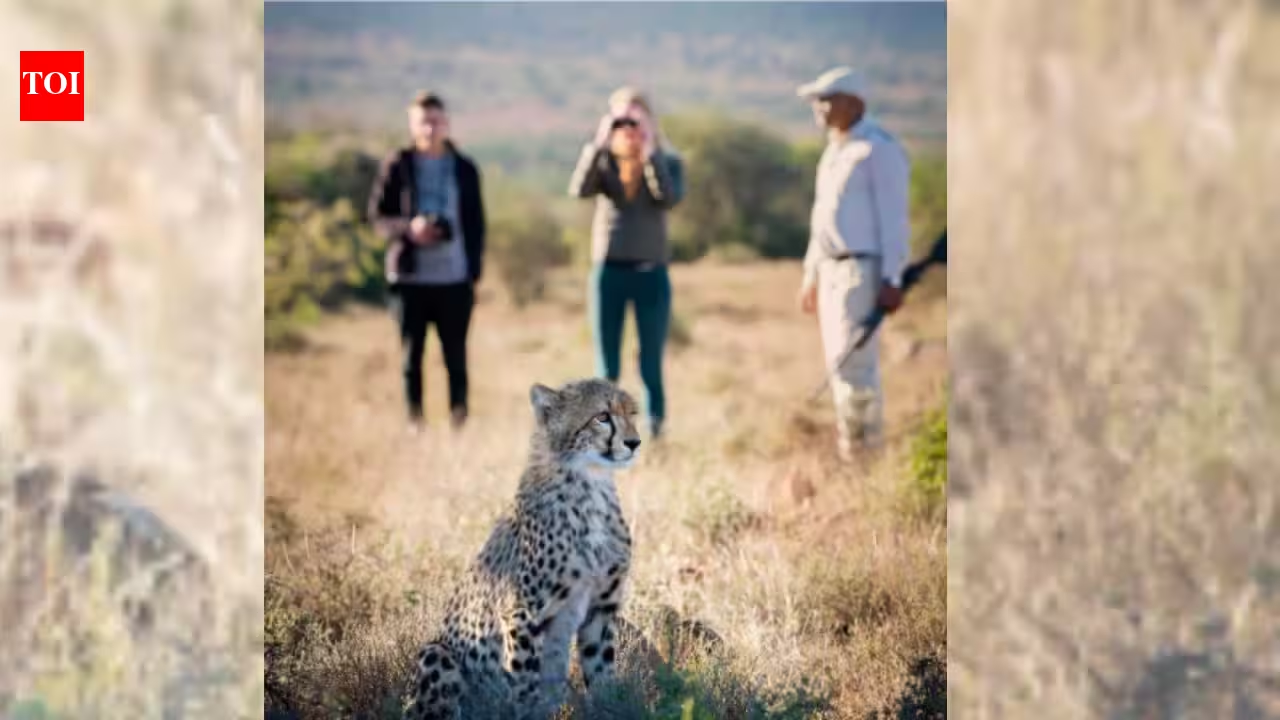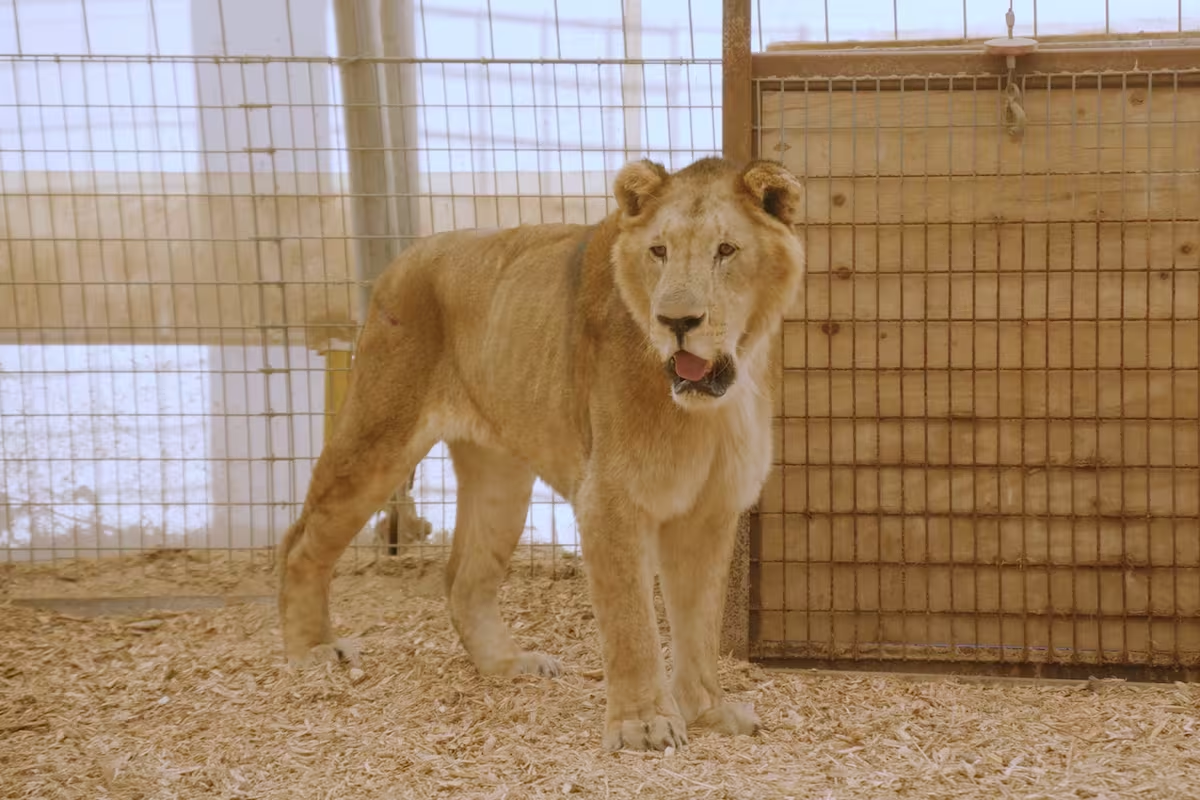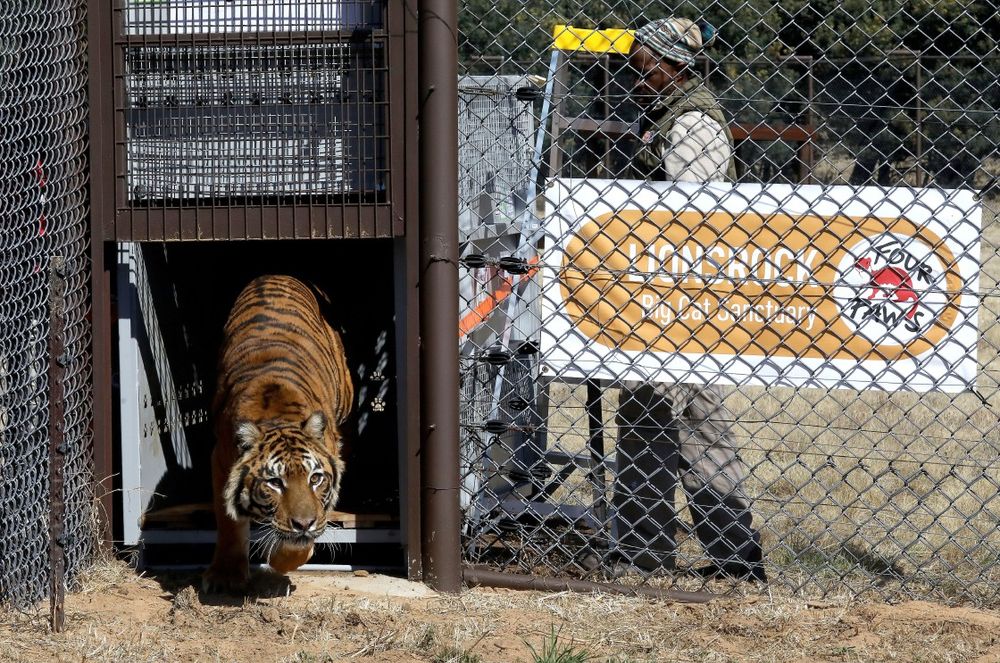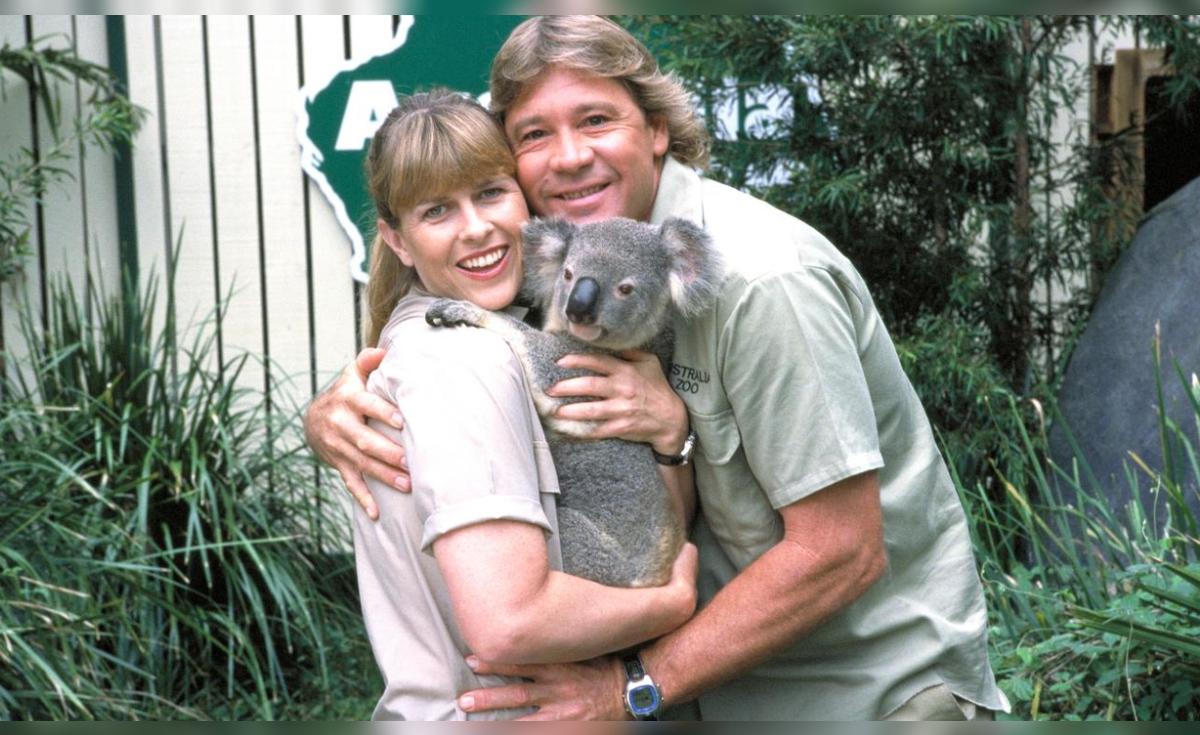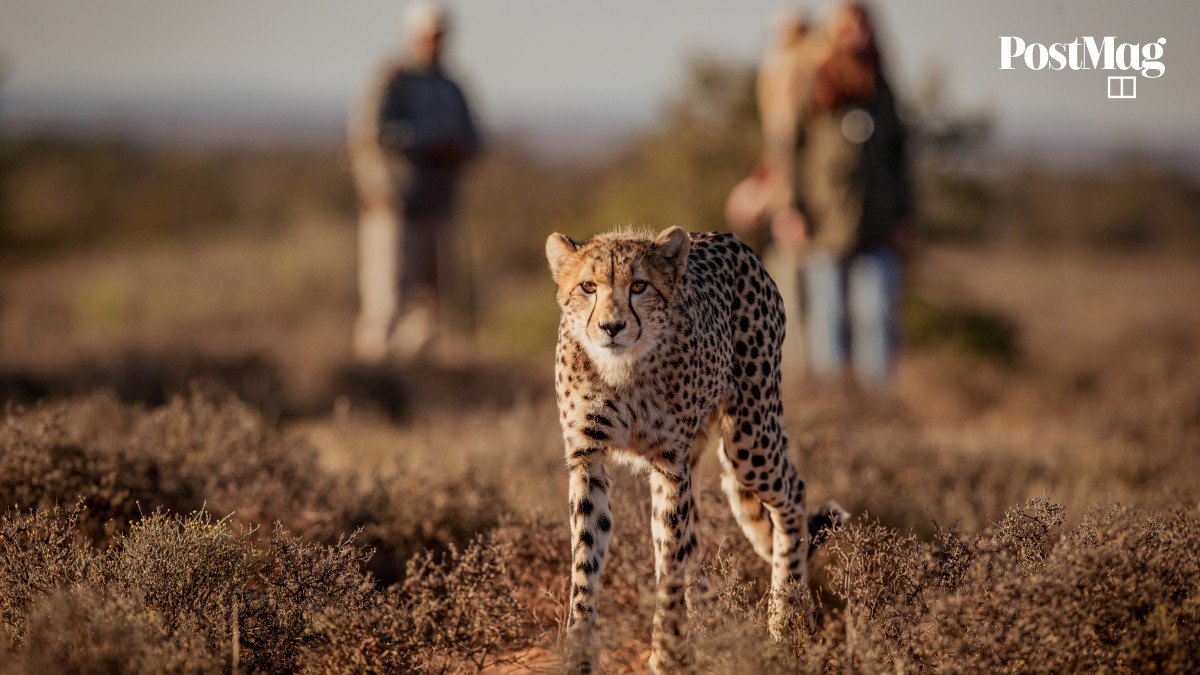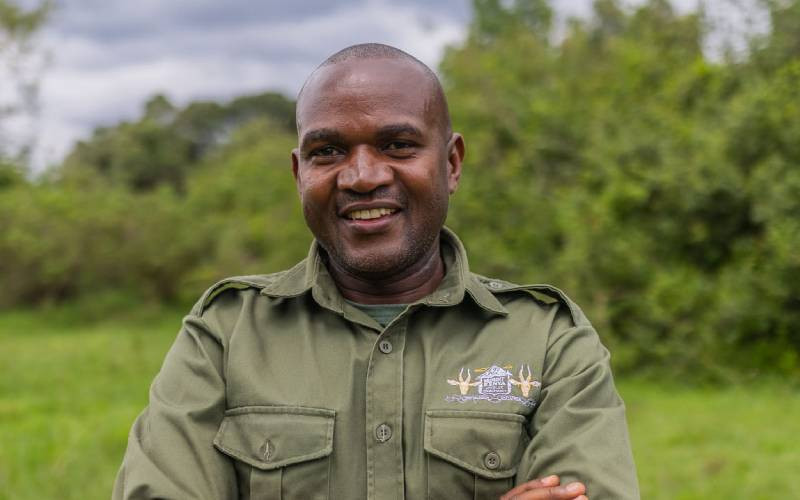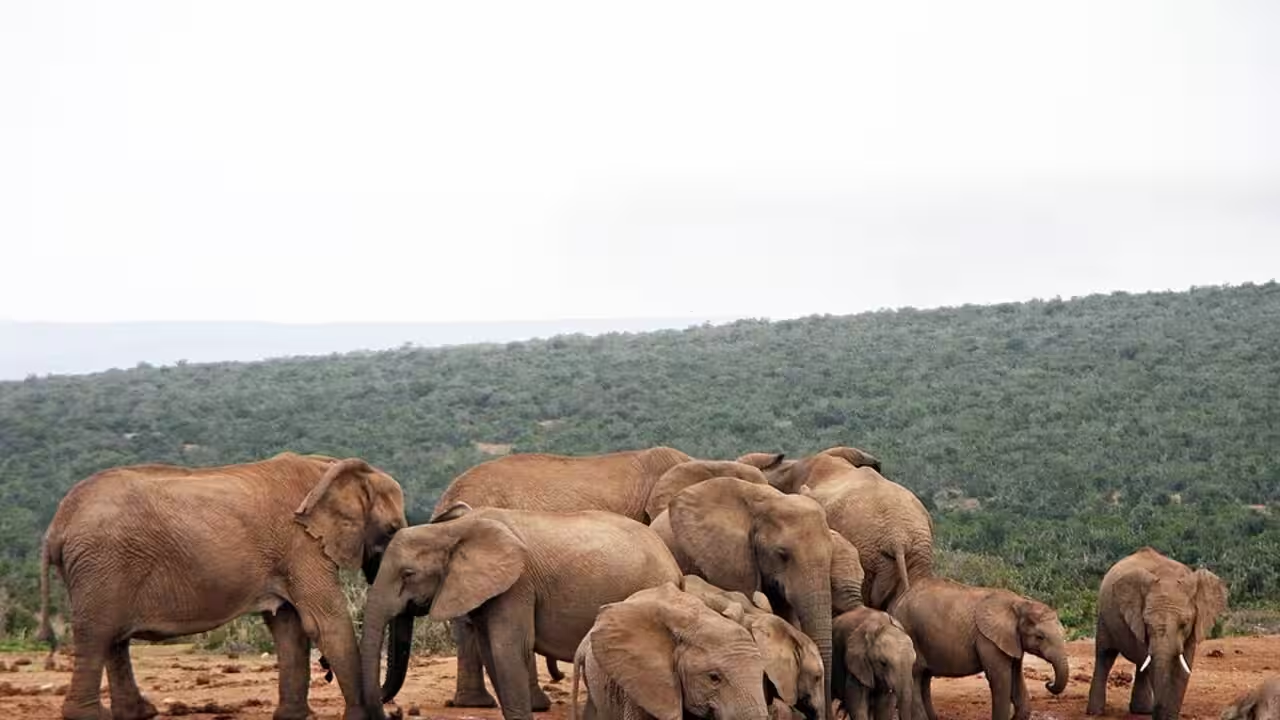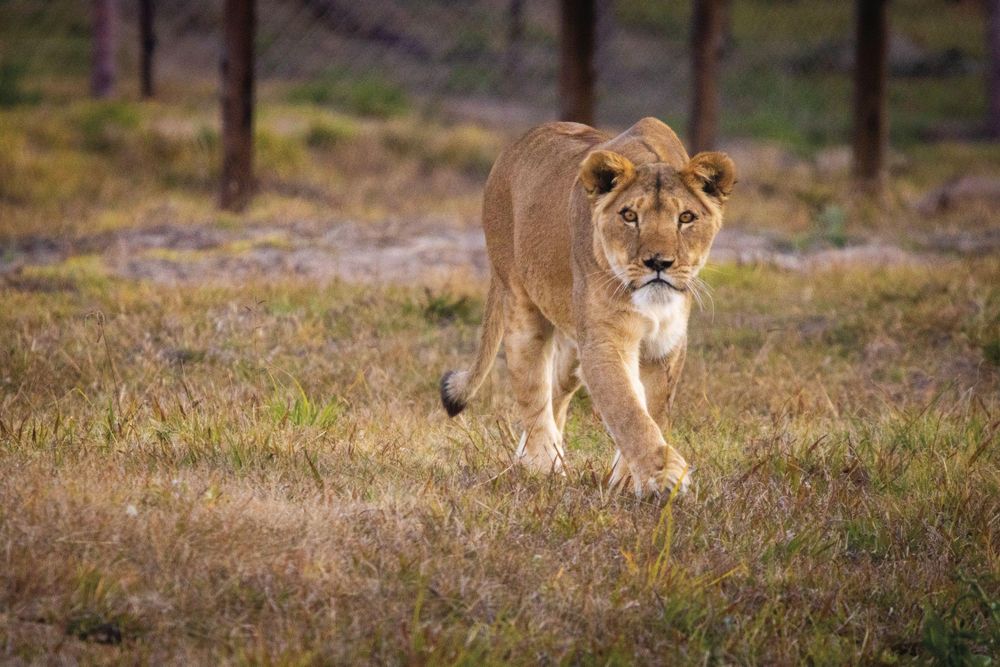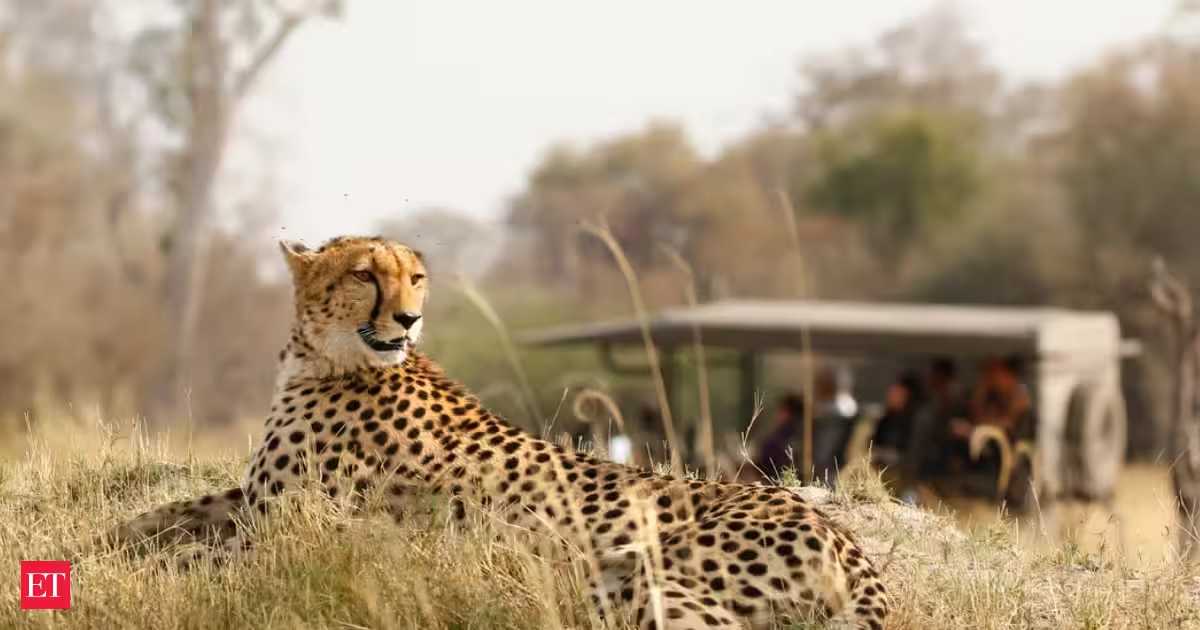
When Sarah and Mark Tompkins began restoring degraded land in South Africa’s Great Karoo in 1997, the region had already lost much of its native wildlife to hunting, agriculture and other human activity, as per a TOI report. Over the following years, the couple brought together 11 former livestock farms covering 67,000 acres and began rebuilding the landscape to support the return of species that had vanished locally.The Great Karoo is a vast semi-desert landscape characterised by open plains, mountains and sparse human settlement. According to Samara Reserve, the area once supported animals including elephants, lions, black rhinoceroses and wild dogs before human activity significantly reduced its biodiversity.Also Read: In 1943, a German fighter had a US bomber in his sights, finger on trigger button but what happened left everyone stunned 50 years laterHow 11 farms were turned into a wildlife reserveWorking alongside ecologists, the Tompkinses consolidated the 11 properties, which span five of South Africa’s nine vegetation biomes.The restoration process began with clearing invasive plant species, taking down internal fencing and leaving the land undisturbed for nearly a decade. The couple then began a long-term ecological restoration programme aimed at repairing the habitat and bringing back wildlife that had disappeared from the area.The objective was to recreate a functioning ecosystem rather than simply populate the reserve with individual animals.Cheetahs return to the Great Karoo after 130 yearsRestoring the habitat was essential before large wildlife could be reintroduced. The region had previously supported substantial populations of springbok, eland and blesbok, along with predators such as lions, cheetahs, leopards, wild dogs and hyenas.Livestock farming had replaced much of that wildlife, while fences restricted animals from moving across their traditional ranges. Removing those barriers and allowing the ecosystem to recover created conditions for wildlife restoration.A major breakthrough came in 2004, when Samara brought cheetahs back to the Great Karoo after an absence of about 130 years. Three animals were initially released.According to Africa Geographic, one of them was Sibella, a young female rescued after being abused by hunters. She subsequently became a significant part of Samara’s conservation story and produced numerous cubs.The reserve later began returning prey species and other herbivores, including eland, red hartebeest, gemsbok, giraffe, white rhinoceros and buffalo.Black rhinos, elephants return after decadesThe wildlife recovery continued with further reintroductions.In 2013, Samara brought back a desert-adapted subspecies of the critically endangered black rhinoceros. Fewer than 5,000 black rhinos remain worldwide.Elephants returned in 2017 after an estimated absence of 150 years. A family herd was initially moved into the reserve, followed by two mature bulls the following year.The return of herbivores was an important part of the broader effort because the reserve was attempting to restore interactions between prey and predators rather than create an isolated collection of species.Lions return after 180 yearsLions were reintroduced to Samara in 2019, marking their return to the area after an estimated 180-year absence.The return of the apex predator was significant because lions can influence the behaviour and movement of other species throughout an ecosystem.According to CNN, the first lions introduced were Titus and Sikelele, followed later by a female named Sheba. The animals subsequently produced cubs, establishing a breeding lion population within the reserve.The recovery also produced an unexpected development. In 2021, a leopard was spotted at Samara for the first time. Continued camera-trap monitoring and tracking later confirmed additional sightings.Also Read: 150 years ago, Britishers brought a South American tree to stop desertification in Thar, now it has become a thorny issue in IndiaSamara now records more than 60 mammal speciesSamara says its 67,000-acre reserve has now recorded more than 60 mammal species, including the Big Five, along with 225 bird species.Large antelope herds are again present across the landscape, while elephants and rhinoceroses also roam the reserve.The property has also developed into a wildlife tourism destination, offering guided safaris and walking experiences for visitors.The Tompkinses’ ambitions extend beyond the reserve itself. Samara hopes to contribute to the creation of an ecological corridor linking three national parks, allowing wildlife to move between protected areas.
In 1997, couple started with 11 farms; decades later, their 67,000-acre reserve is home to more than 60 mammal species
A South African couples nearly three-decade conservation effort has transformed 11 former livestock farms into a 67,000-acre wildlife reserve in the Great Karoo. Sarah and Mark Tompkins restored degraded habitat before reintroducing species absent for generations. Cheetahs, black rhinos, elephants and lions have since returned, while Samara now records more than 60 mammal species and 225 bird species.
671 words~3 min read