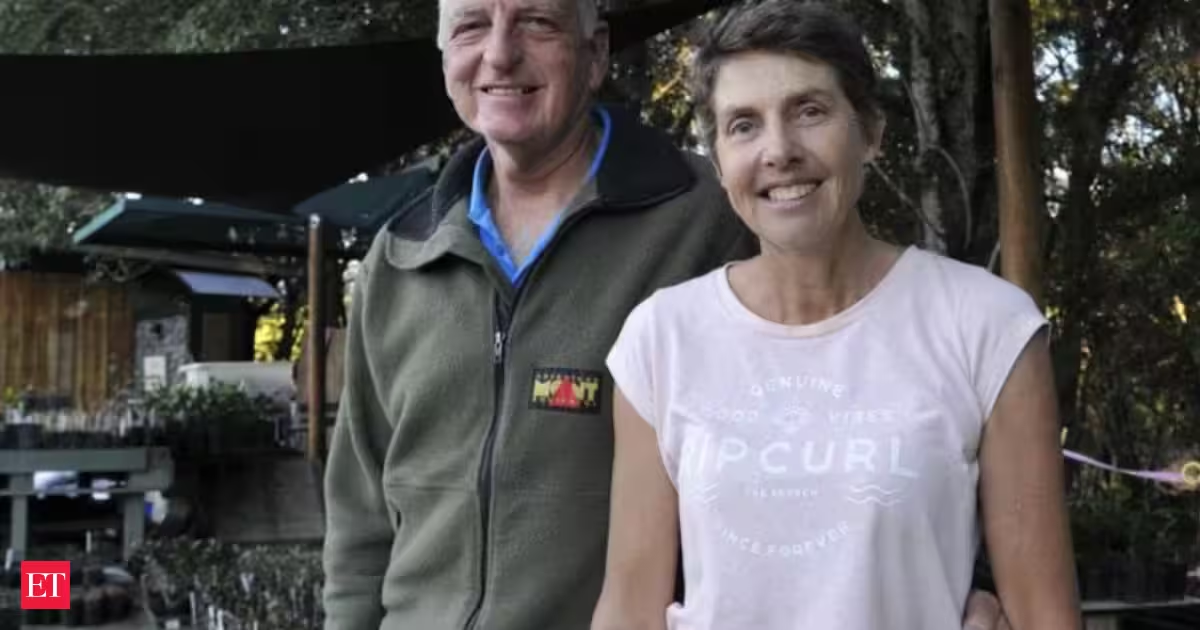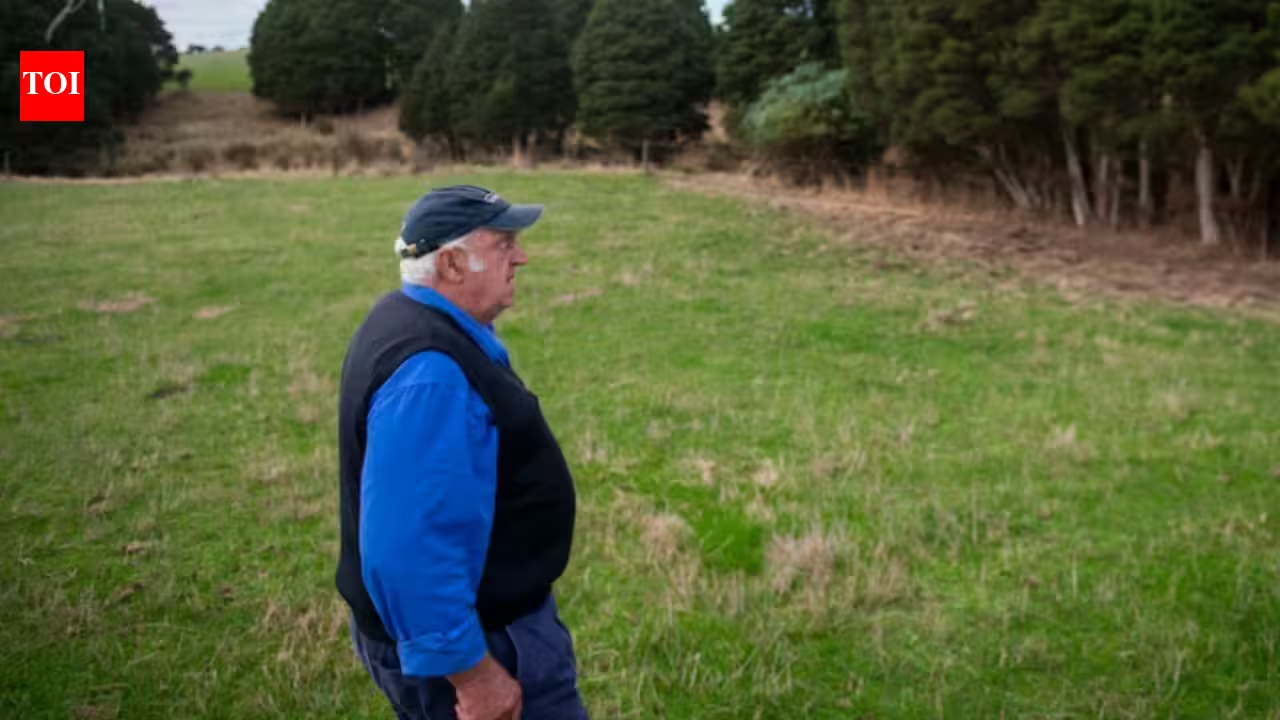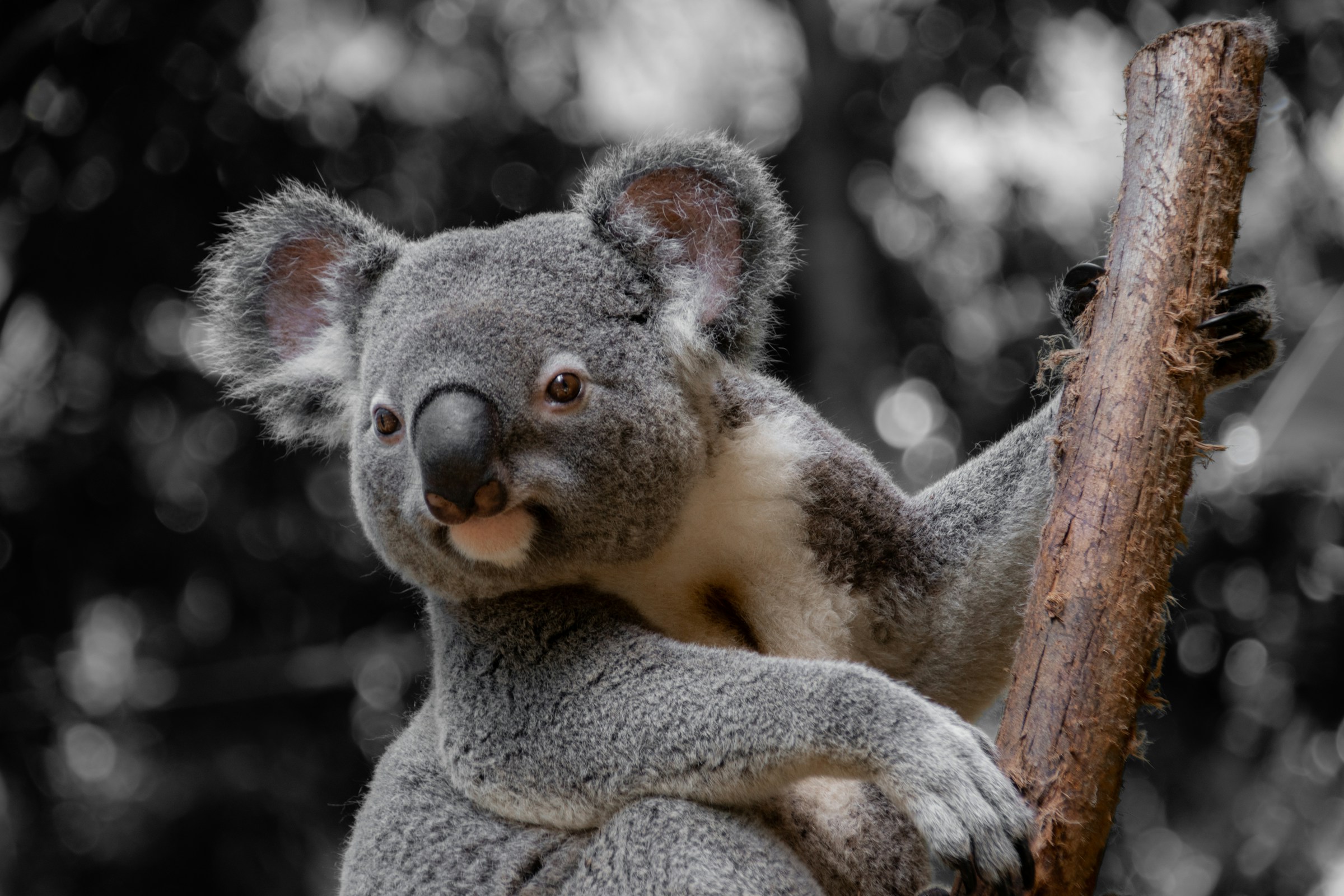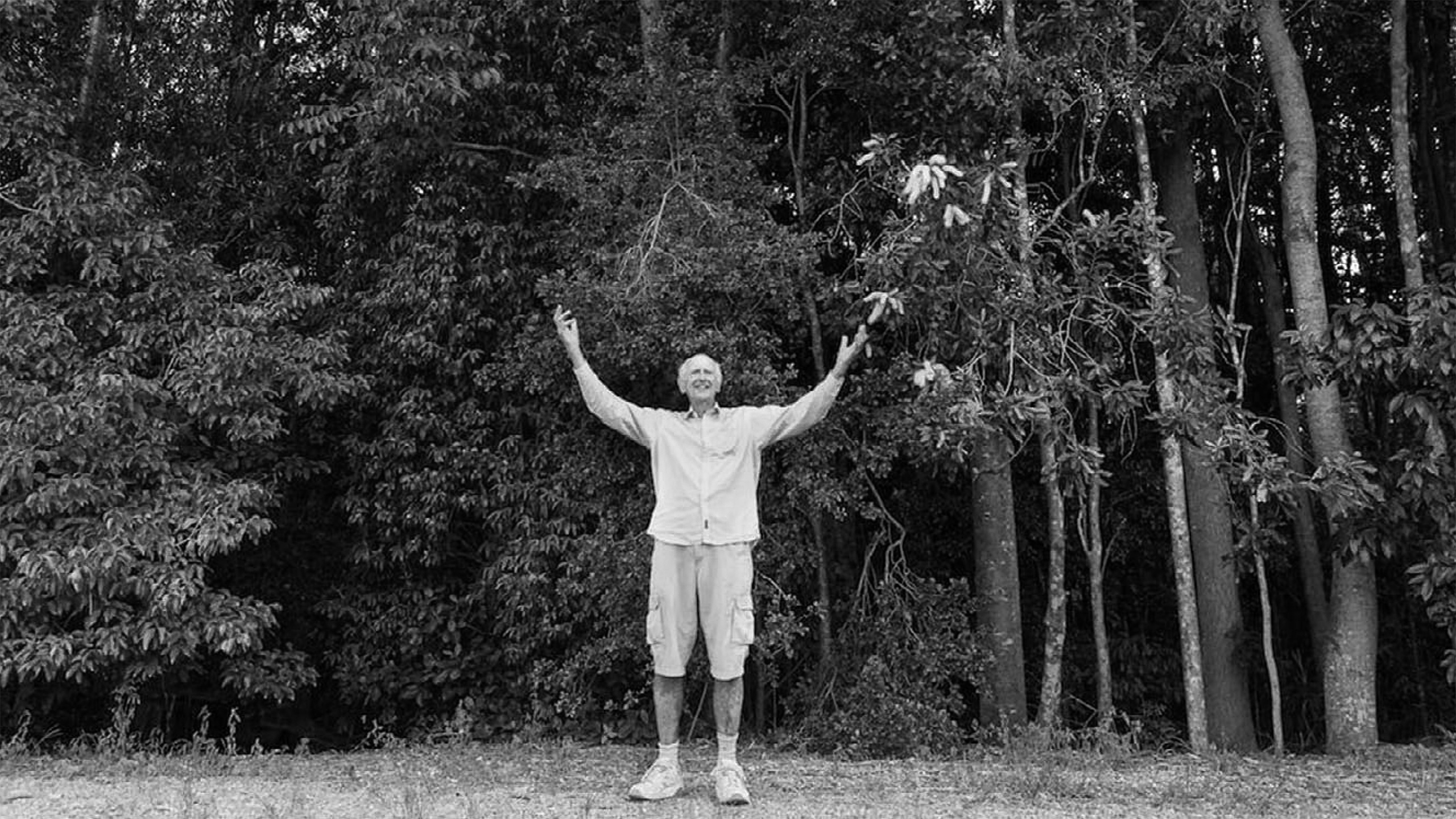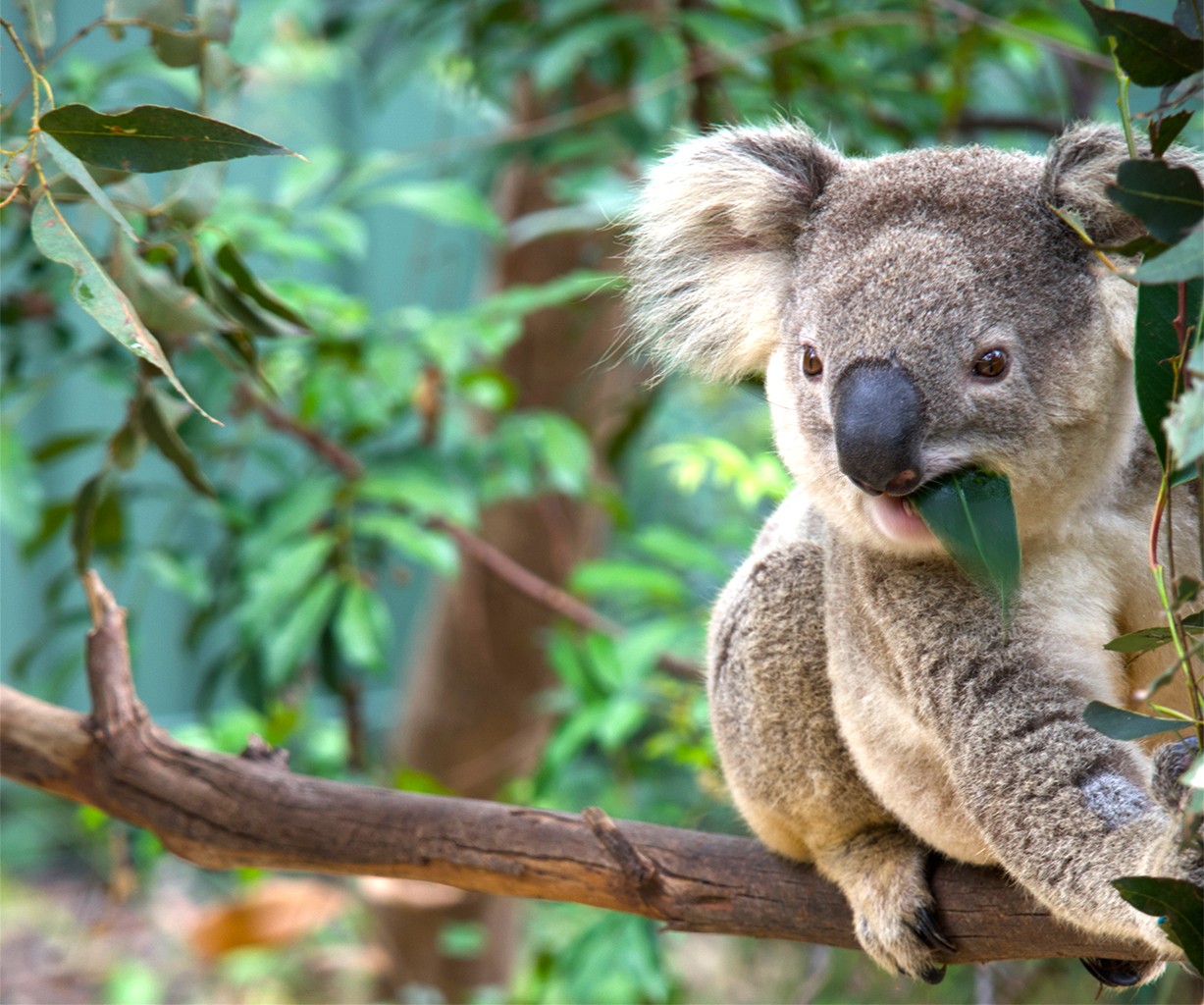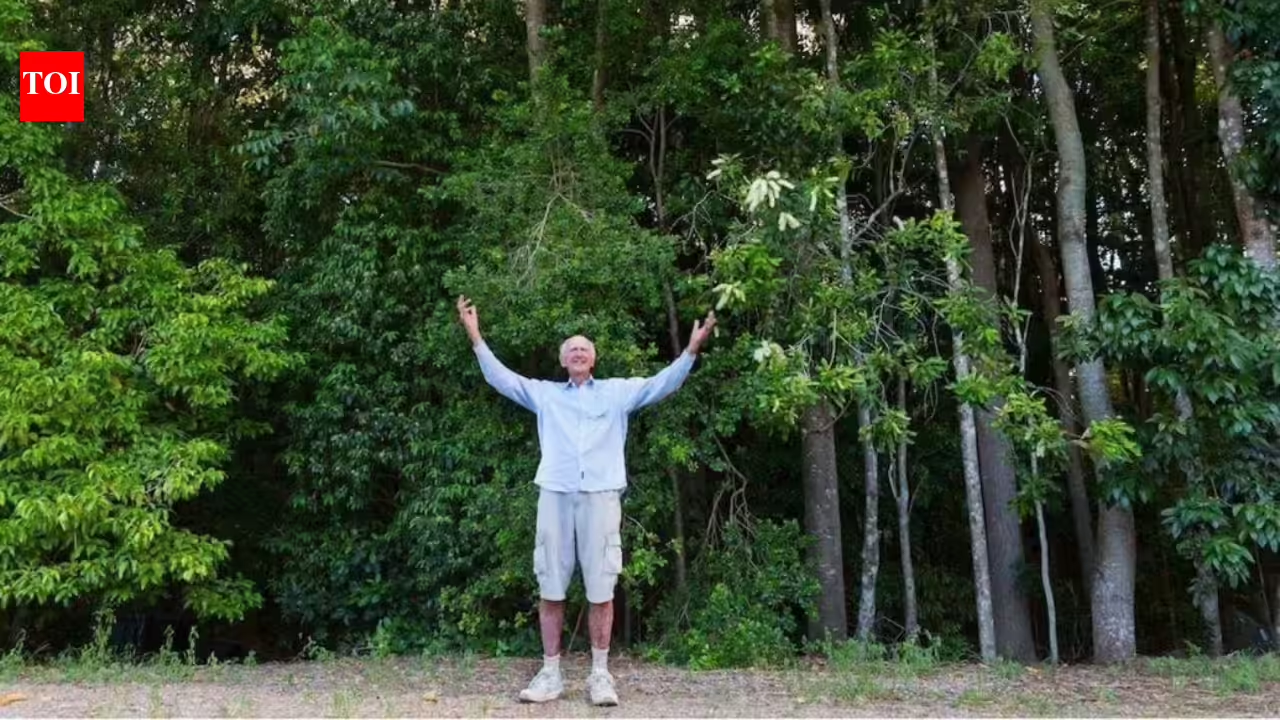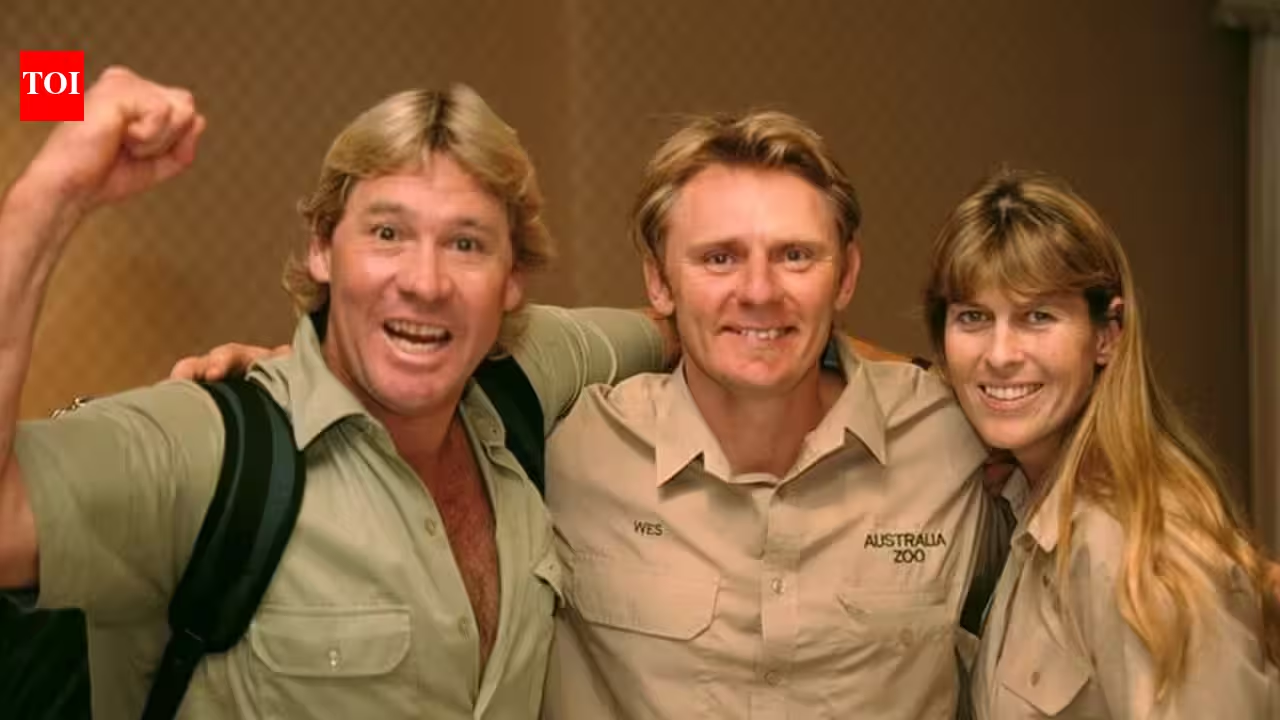
In 1994, Steve and Terri Irwin bought 3,500 acres to restore dwindling Koala habitat. Image credits: Wikimedia Commons.In 1994, Steve and Terri Irwin made a conservation investment that began with a simple idea: if koalas were losing habitat, protecting the animals alone would not be enough. That year, Australia Zoo bought 3,500 acres at Blackbutt in Queensland and named it Ironbark Station.According to Australia Zoo, Ironbark Station was purchased in 1994 to restore dwindling koala habitat and help increase koala numbers. Steve and Terri Irwin began the project by planting 44,000 eucalyptus trees, creating the foundation for a long-term habitat restoration effort. The conservation area was later expanded, allowing the project to protect a larger stretch of land and provide more space for recovering koala habitat.Rebuilding the trees koalas needFor koalas, a forest is more than cover. Eucalyptus trees provide the leaves that form the bulk of koalas' diet, while connected vegetation allows them to move between feeding and sheltering sites. That makes the Irwins' decision to plant thousands of eucalyptus trees especially significant. But putting trees into the ground is only the first stage of habitat restoration. Young trees need to survive long enough to become part of a functioning woodland, while weeds, fire, grazing and other pressures can determine whether restoration succeeds.Research in south-east Queensland has shown that the way remaining forest is distributed can influence koala habitat use. According to Biological Conservation, a study of koalas in a fragmented rural-urban landscape found that both the amount of forest and its spatial arrangement were associated with koala occurrence. The researchers also found that koalas were less likely to use isolated habitat patches and that movement between patches could expose them to hazards associated with crossing open or developed areas. These findings provide useful context for restoration efforts such as those at Ironbark Station. Replanting trees across a fragmented landscape can help expand existing habitat and, where plantings reconnect separated patches, potentially improve the continuity of vegetation available to koalas. More land, more restorationAustralia Zoo also notes that Ironbark Station was later expanded by an additional 1,630 acres for wildlife conservation, increasing the land available for habitat protection and restoration. The work has also involved tackling invasive plants and weeds that restrict native wildlife from moving freely in search of food and shelter, leaving koalas more vulnerable to feral animals. Because much of the terrain is difficult to access, removing the vegetation has required specialised equipment and continued over many years rather than being a one-time clearance effort. This approach also aligns with Australia's national guidance on koala habitat restoration. The environment department identifies habitat loss, fragmentation and degradation as major threats and recommends restoring habitat in ways that improve both its quality and connectivity. It also stresses that successful revegetation should account for local conditions and the ecological needs of koalas.Statue of the Irwin family (Steve, Terry, Bob, and Bindi) at Australia Zoo. Image Credits: Wikimedia Commons.A project that continued after Steve IrwinSteve Irwin died in 2006, but the conservation work associated with his family continued to expand. Ironbark Station became part of a much larger network of conservation properties managed by Australia Zoo and Wildlife Warriors. Australia Zoo reports that the organisations now protect more than 450,000 acres of habitat across Queensland. Among the largest is the 330,000-acre Steve Irwin Wildlife Reserve on Cape York, which protects a diverse landscape of rainforest, wetlands and savannah. Together, these properties have extended the family's conservation efforts far beyond the original Ironbark Station.Ironbark Station ultimately shows that conservation is not always about dramatic interventions or immediate results. By restoring degraded land and protecting it over the long term, the project created the conditions for native vegetation and koala habitat to recover. What began as an effort to plant trees became a broader attempt to rebuild a functioning ecosystem, demonstrating that effective conservation can depend as much on patience, protection and continuity as on the work of putting trees in the ground.
In 1994, Steve and Terri Irwin bought 3,500 acres to restore dwindling koala habitat, then planted 44,000 eucalyptus trees and added 1,630 more acres
In 1994, Steve and Terri Irwin made a conservation investment that began with a simple idea: if koalas were losing habitat, protecting the animals alone would not be enough. That year, Australia Zoo bought 3,500 acres at Blackbutt in Queensland and named it Ironbark Station.
661 words~3 min read