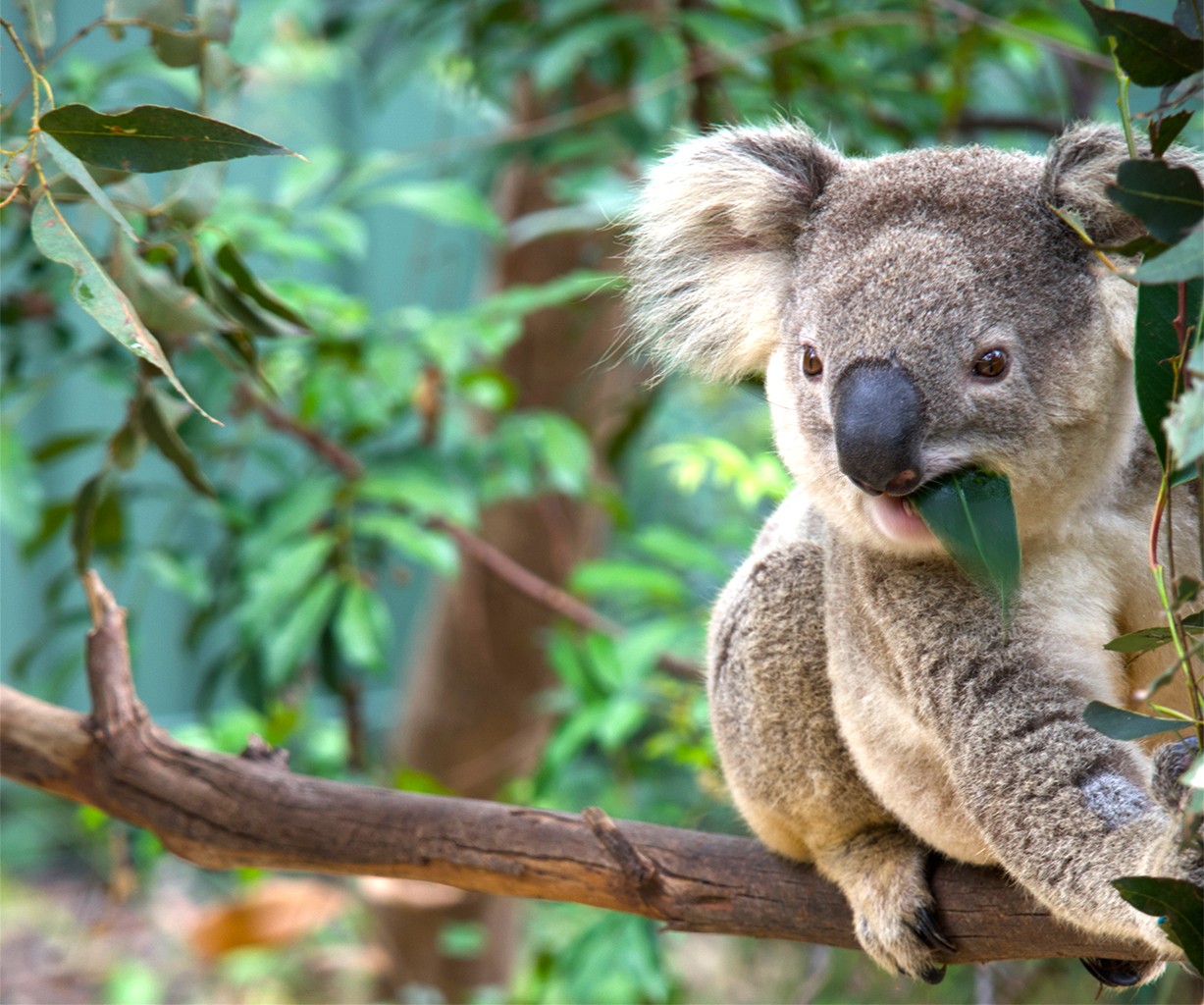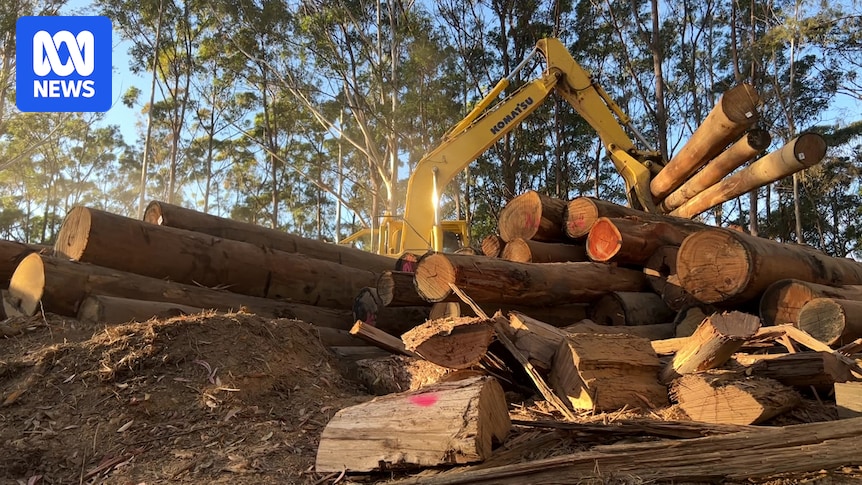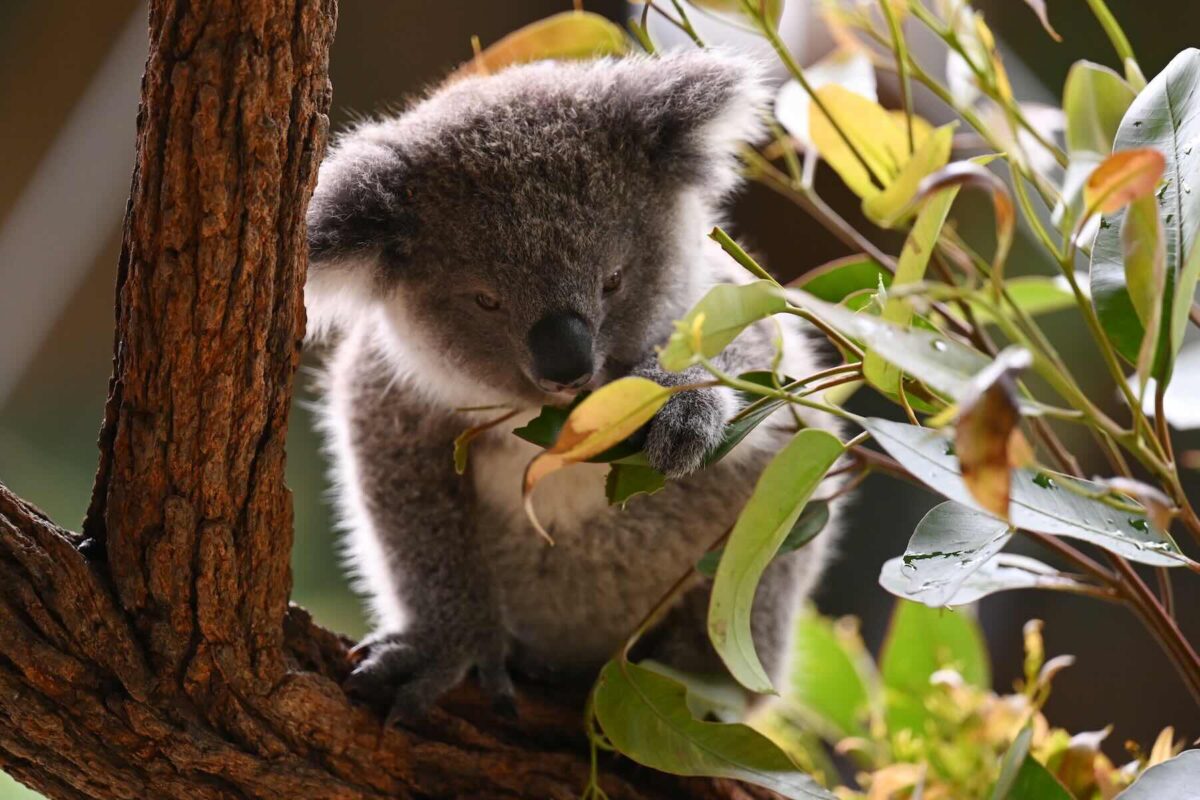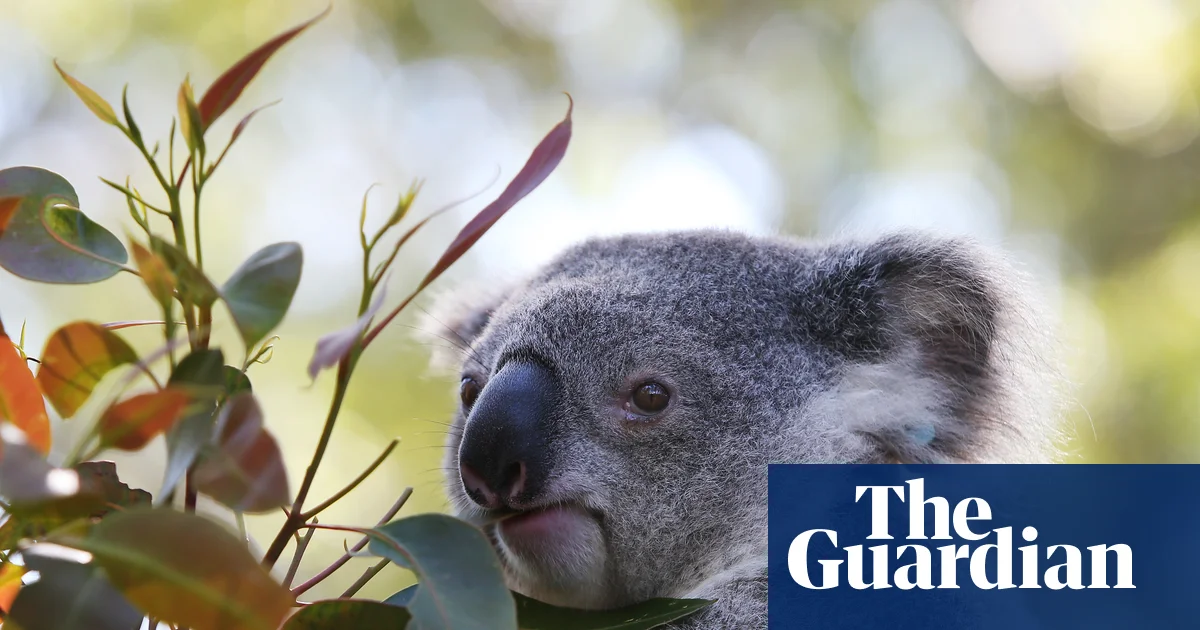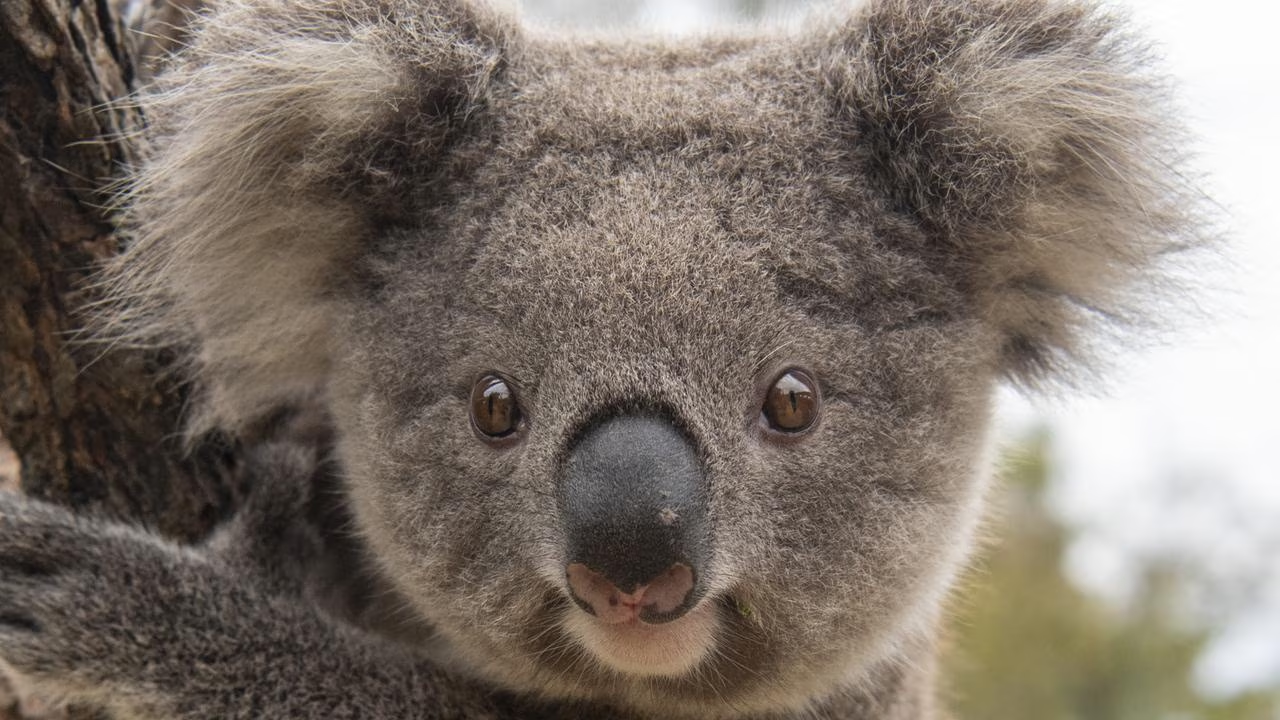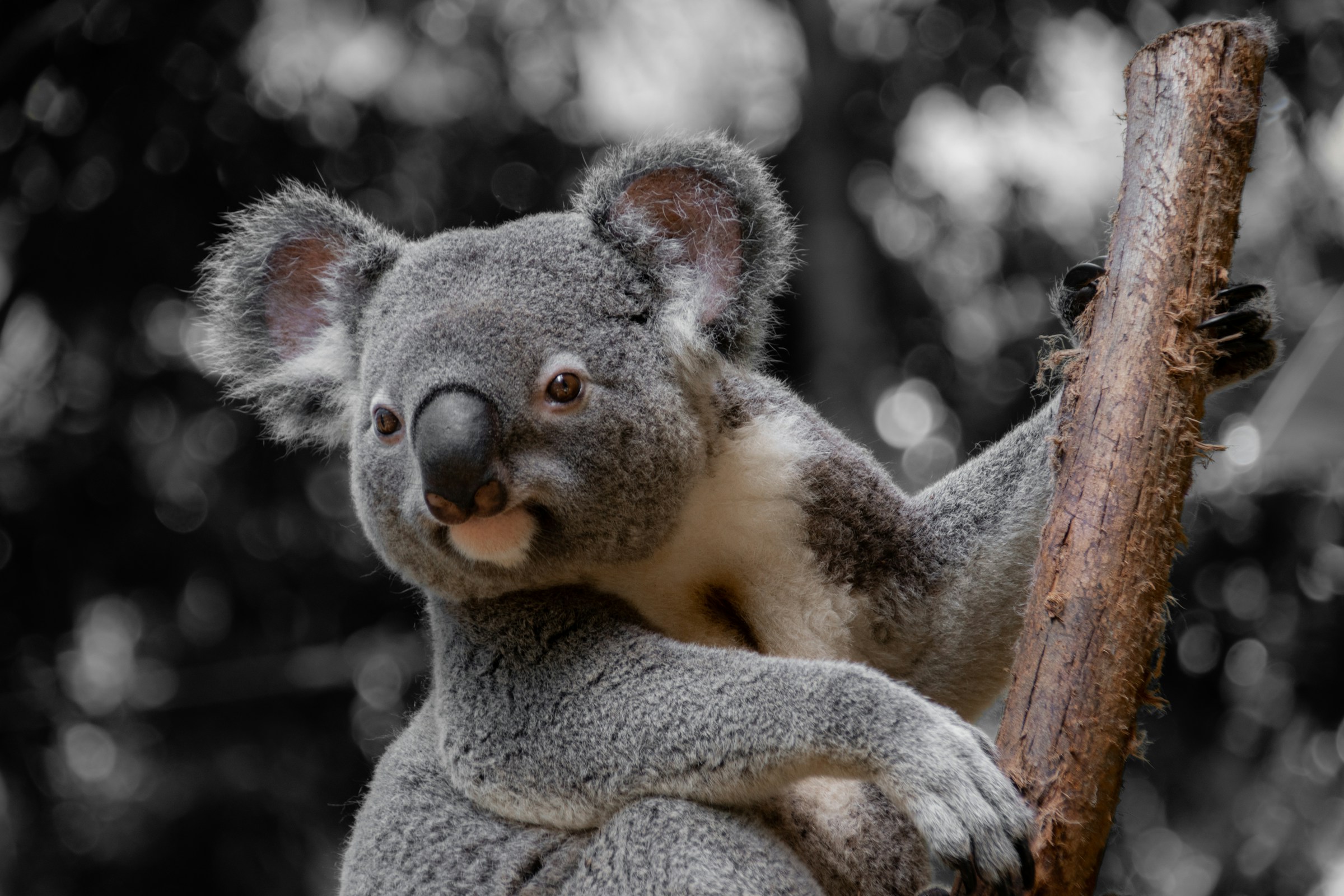
The government of New South Wales has created a vast new protected area, the Great Koala National Park, along Australia’s east coast to safeguard koalas and 66 other threatened native species.Conservationists say this could mark a turning point for a species that is declining rapidly as the eucalyptus forests they depend on disappear and climate change sparks more frequent, intense wildfires.However, loopholes in land-use regulations, ongoing logging, development pressures and weak enforcement still threaten this key koala habitat.Experts warn that without stronger safeguards and consistent policies, the protected area may not be able to foster lasting conservation gains for koalas and other species.
“When I was a kid, forestry was more sustainable,” Mark Graham said, leaning against a massive tree trunk. “Now 30-tonne industrial machines bulldoze everything in their path.” He’s an ecologist who’s worked for state and federal governments — and has often been at odds with the forest industry.
We were walking through the Coffs Harbour Botanic Garden in New South Wales (NSW), southeastern Australia, through a remnant of subtropical coastal rainforest. Graham pointed out flooded gum (Eucalyptus grandis) trees — a fast-growing eucalyptus — as well as Bangalow palm (Archontophoenix cunninghamiana) and other trees, some hundreds of years old.