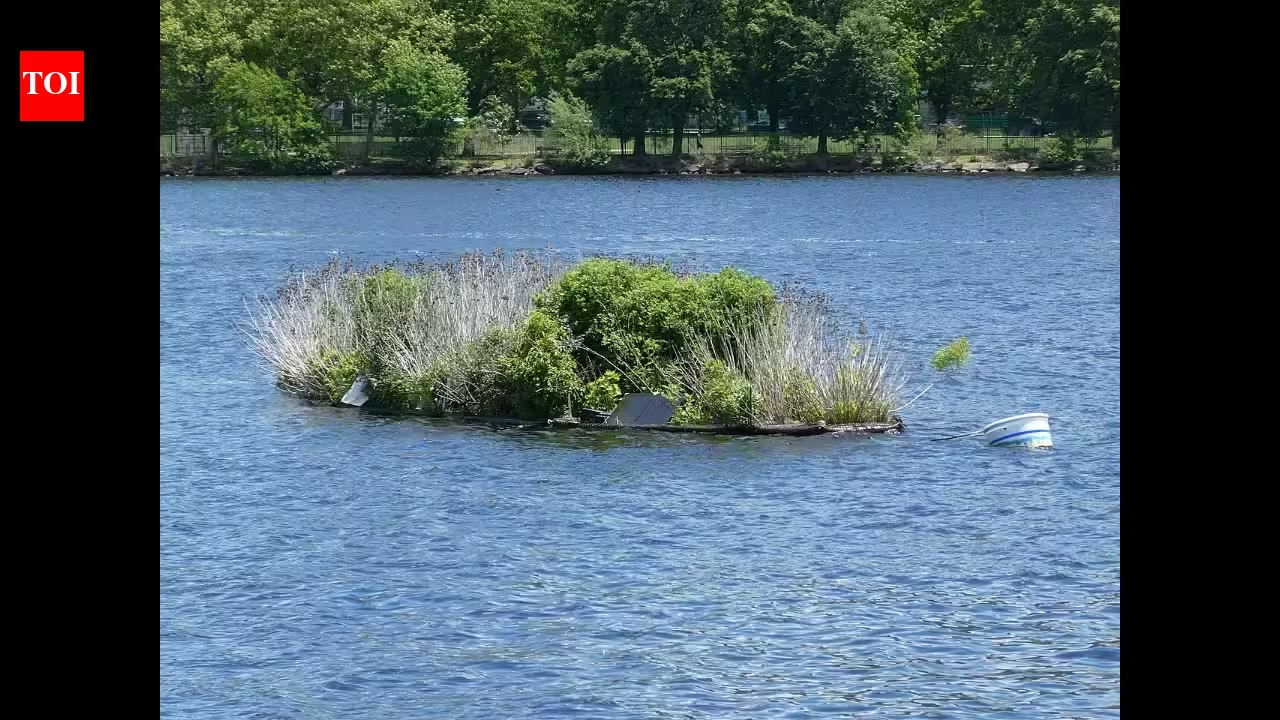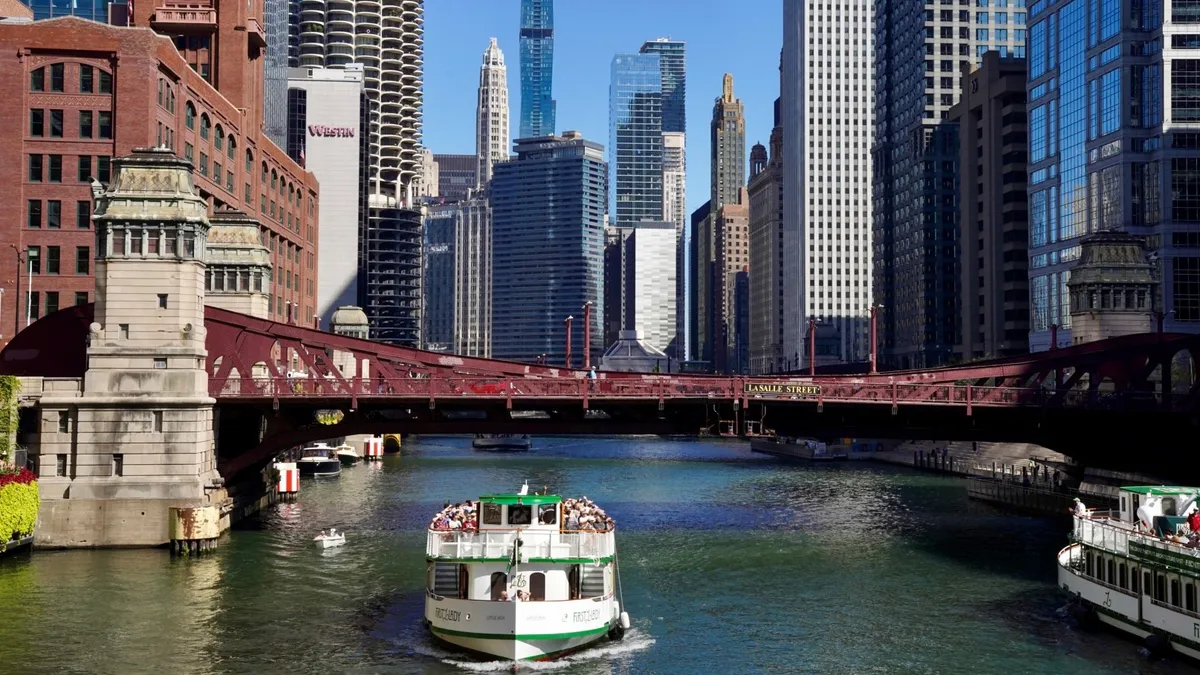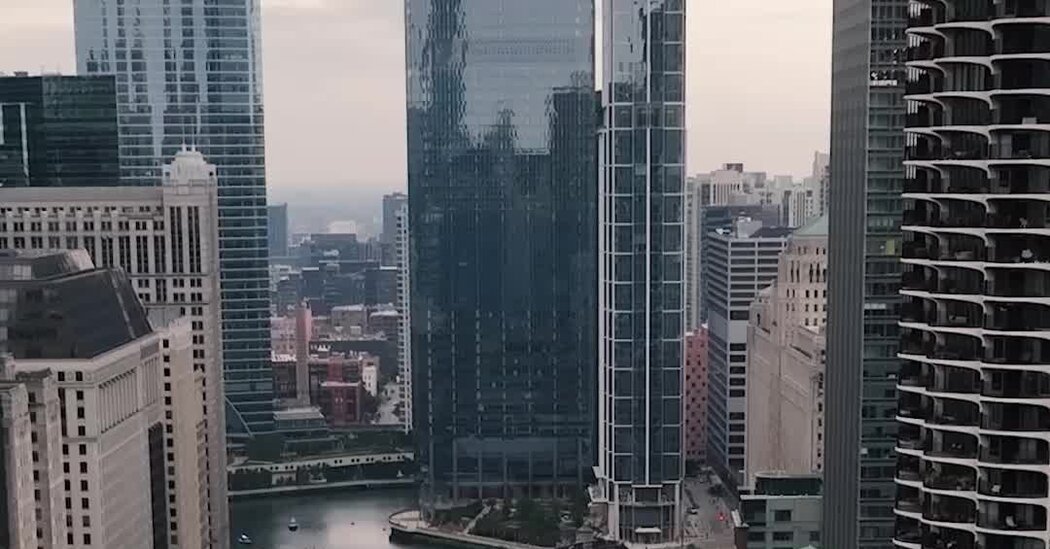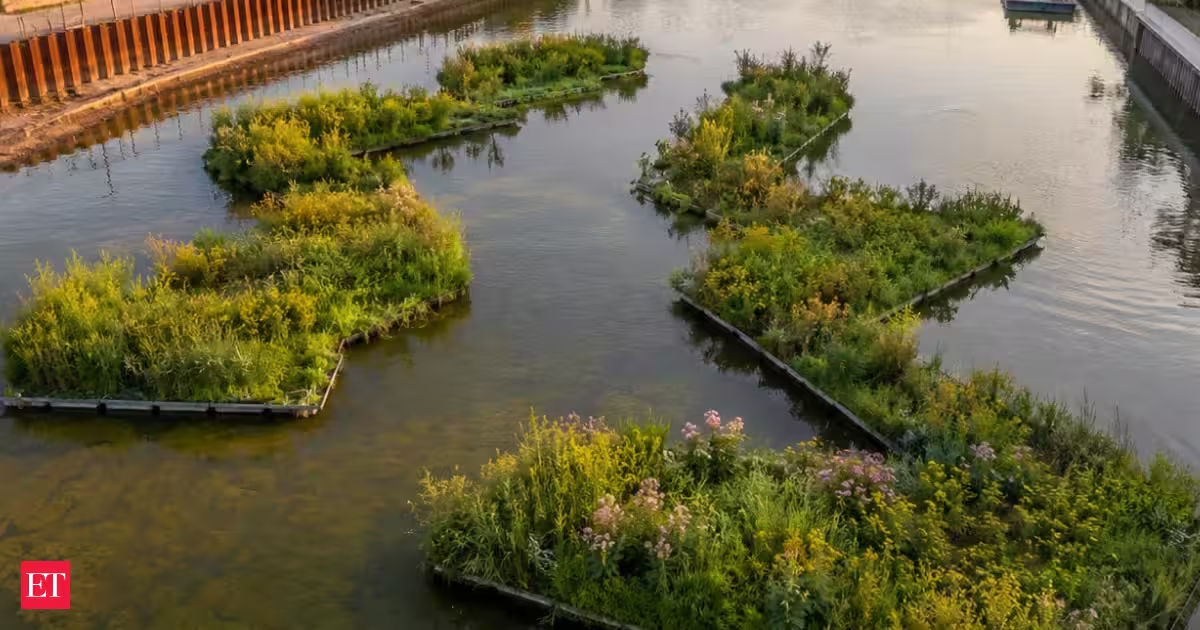
Today, five tiny islands, each about the size of a backyard swimming pool, are floating on Bubbly Creek, part of a floating wetland project built by the nonprofit Urban Rivers and Shedd Aquarium. The Chicago River got its nickname more than 100 years ago, according to local history, when nearby stockyards dumped so much animal waste into the water that gas bubbles formed on the surface. Now those same waters play host to a different experiment. Constructed floating wetlands are designed to filter out pollution and provide a home for wildlife. However, a 2023 study titled in Science of the Total Environment found that even small floating wetland installations like this one can measurably improve water quality over several years. This kind of project matters because cities everywhere face the same problem: decades of industrial waste and stormwater runoff in urban waterways. Floating wetlands are a modular, low-cost solution that doesn't require tearing down existing infrastructure.What is a floating wetland?Picture a raft of polyethylene and metal frames, overlaid with matting, and planted with grasses and wildflowers instead of soil. The roots grow down into the water, where they absorb excess nutrients and pollutants, while the surface provides a place for fish, insects and birds to gather. Nick Wesley, who leads the nonprofit Urban Rivers, calls the setup a "riverponic" system. It’s a little like hydroponic farming except that instead of feeding lettuce, the roots are helping to clean a river.An experimental floating wetland bobs in the Charles River near East Cambridge. Launched in 2020, it was designed to test whether floating wetlands could curb algal blooms by soaking up excess nutrients. Image Credits: Wikimedia CommonsFrom Wild Mile to Bubbly CreekUrban Rivers didn’t create Bubbly Creek. In 2018, the group started to build floating wetlands along the North Branch of the Chicago River, a stretch now known as the Wild Mile. The project continued for years, giving researchers time to see which designs performed best. Buoyed by the results, Urban Rivers partnered with Shedd Aquarium staff and volunteers to launch the project at Bubbly Creek in 2022. There, the team assembled five islands totaling about 3,000 square feet, planted them with native grasses, sedges, swamp milkweed and queen of the prairie, and built in a few baskets meant to give freshwater mussels a place to attach and grow.Bugs and fish are moving inOne of the clearest signs that floating wetlands work is in the smallest creatures. Samantha García and Pamela Geddes, researchers at Northeastern Illinois University, compared the bug life at a floating wetland site on the Chicago River to a nearby site without one. Their study, "Do artificial floating wetlands improve habitat quality for aquatic macroinvertebrates in urbanized rivers?", presented at the university's student research symposium, found that although the total number of macroinvertebrates was actually about 1.5 times higher at the site without a wetland, the species mix told a different story: raw counts and water-quality indicators don't always move together. Damselflies, which usually only thrive in cleaner water, were seen about six times more often in the vicinity of the floating wetland than at the control site, a clear sign that the water quality nearby was indeed improving.Separately, Shedd Aquarium research biologist Austin Happel is now tracking fish near the Bubbly Creek islands using acoustic tags, in a 2023 study launched with Purdue University and the Illinois-Indiana Sea Grant. Where the multi-city water-quality study measured how well the wetland designs filtered pollutants, Happel's project asks a different question: whether the fish are using the wetlands as a food source, a hiding place from predators, or both. Those data could eventually help city planners determine where new floating wetlands would be most beneficial, both for water quality and for local wildlife.Damselflies turned up roughly six times more often near the floating wetland than at nearby sites without one, a sign of improving water quality. Image Credits: Wikimedia CommonsCleaning up more than just algaeFloating wetlands are not just useful for everyday nutrient pollution; new research suggests they may also be able to tackle tougher contaminants. A 2022 study in the Journal of Hazardous Materials tested native Australian rushes, Juncus krausii, Baumea articulata, and the common reed Phragmites australis, grown in floating wetlands. Phragmites australis, the best performer of the three, removed between 42 and 53 percent of PFAS chemicals, often called "forever chemicals," from contaminated surface water over a 28-day trial. The experiment was in South Australia, not Chicago, and used a different plant species than the ones planted at Bubbly Creek, but it suggests a larger possibility: the same basic technology that is filtering Bubbly Creek could someday be adapted to fight much more stubborn pollutants elsewhere.Not a silver bullet, but a startNobody working on these projects says floating wetlands are a silver bullet for a polluted river. They require significant work to build, anchor and maintain, and a heavily polluted waterway would need hundreds of installations to make a real impact. In similar projects in other cities, geese have even eaten entire batches of plants. But researchers do see real value in this. For a creek once infamous for the bubbles of decay rising from its surface, that is a meaningful turnaround. Bubbly Creek isn't clean yet, but thanks to a few floating gardens and the researchers and volunteers willing to test them, it's heading in the right direction.
In Chicago, a Shedd Aquarium-backed team built floating gardens, and after years on the Chicago River, they've now spread to Bubbly Creek
Discover how floating gardens on Bubbly Creek are transforming urban waterways, filtering pollution, and providing habitats for wildlife, backed by Shedd Aquarium and Urban Rivers.
891 words~4 min read