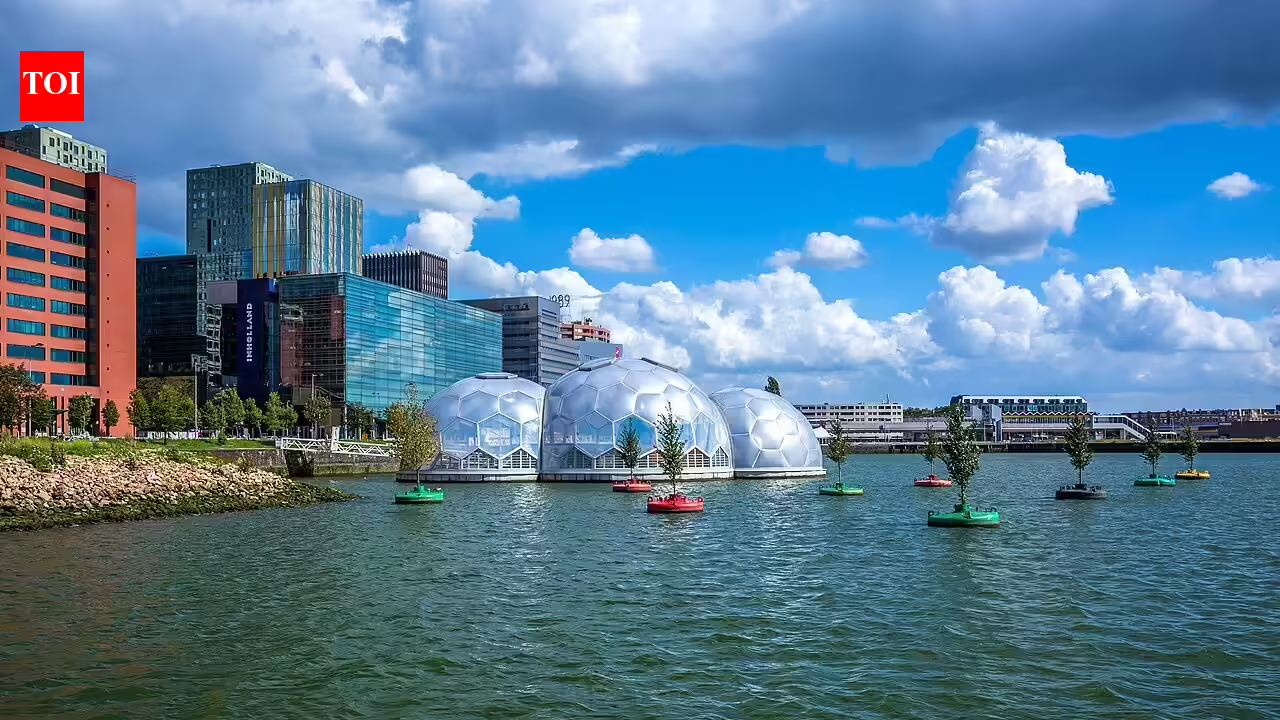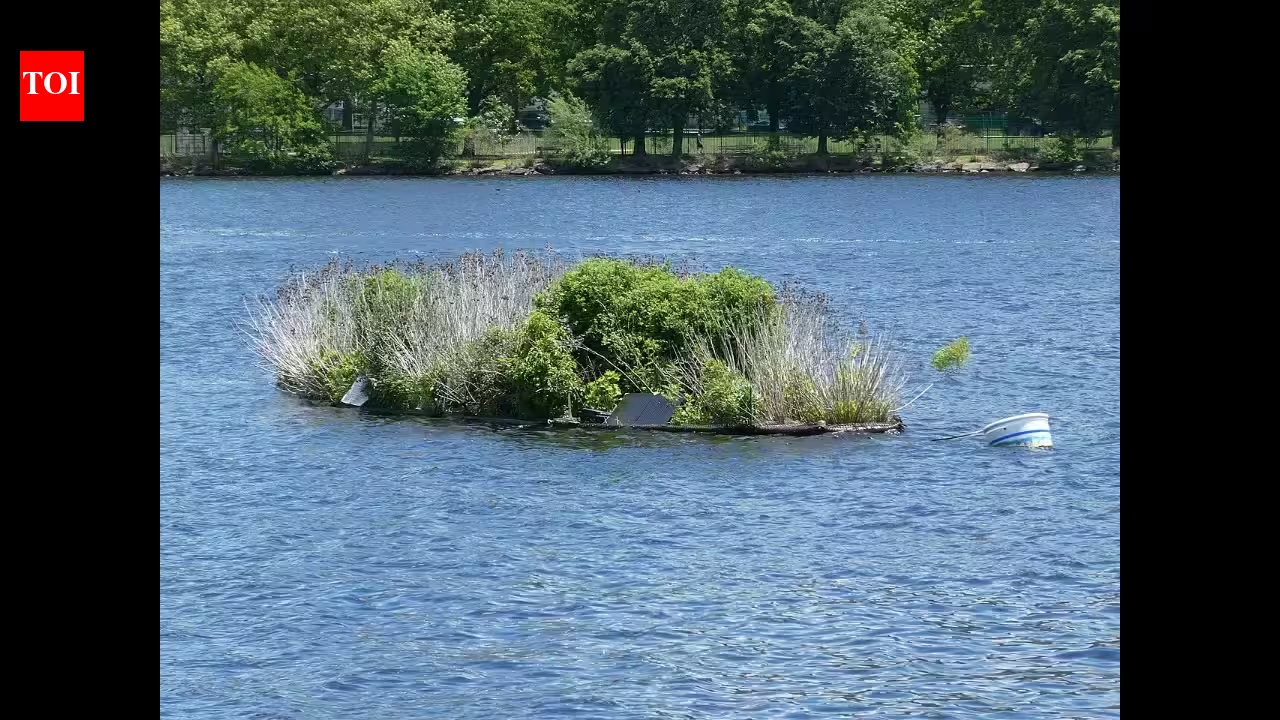
Boston is pioneering floating wetlands to elevate the ecological condition of the Charles River. These ingenious platforms harness plant roots to filter out nutrients from urban runoff, significantly aiming to diminish algal blooms and promote healthy habitats for wildlife. Image Credits: Wikimedia CommonsCities are looking for ways to improve river health without relying only on large-scale engineering projects. In Boston, one nature-based experiment is testing whether plants can help offer that solution. In 2020, a floating wetland was introduced into the Charles River as part of The Charles River Floating Wetlands Project, creating a living platform where native vegetation grows above the water while an extensive network of roots develops below the surface.The installation is part of The Charles River Floating Wetlands Project, which is testing whether floating wetlands can reduce nutrient pollution, limit algal blooms and create habitat for wildlife in an urban river. Rather than presenting the approach as a complete answer to water quality challenges, the project is examining how it could support broader restoration efforts already taking place in the Charles River.How a floating garden works beneath the river's surfaceThe floating wetland resembles a small island of plants drifting on the water. Most of the action happens below the surface, where the roots create an underwater environment that supports a variety of natural processes.The Charles River Floating Wetlands Project explains that the wetland is built on a buoyant structure planted with native wetland species. As the vegetation grows, long roots extend into the river, increasing the amount of submerged surface available for naturally occurring bacteria and other microorganisms to colonise.These microscopic communities play an important role in the ecosystem. According to the project, they interact with nutrients dissolved in the water and may help absorb or transform excess nitrogen and phosphorus that contribute to algal blooms. Researchers are studying this process under real river conditions to better understand how much floating wetlands can contribute to improving water quality over time.Nitrogen and phosphorus enter rivers from a range of urban sources. Stormwater runoff can carry fertilisers, pet waste and other pollutants into waterways, particularly after heavy rainfall. When these nutrients accumulate, they encourage rapid algae growth. Large algal blooms can reduce water clarity and, in some situations, lower the amount of oxygen available for fish and other aquatic life.The project says the dense underwater roots can provide shelter for fish, aquatic insects and other small aquatic organisms. In waterways where urban development has reduced natural wetlands, floating vegetation may help restore some lost habitat.The initiative also highlights the flexibility of the floating design. Because the wetlands float on the water's surface, they can be installed without extensive excavation or major changes to the riverbed. That lets researchers observe how the wetlands perform while minimising disturbance to the surrounding environment.Native plants were selected because they are suited to local conditions. Their ability to tolerate seasonal weather patterns makes them suitable for long-term monitoring, while their growth gradually expands the underwater root network that supports microbial activity.A team of researchers will evaluate the wetlands' performance over several years and seasons, contributing to extensive goals of reviving the river's overall health and enriching its biodiversity. Image Credits: Instagram/@Charles River ConservancyA research study for developing innovative methods to improve the river’s healthThe floating wetland introduced in 2020 serves as a research and demonstration site rather than a permanent solution. The Charles River Floating Wetlands Project is monitoring how the plants establish themselves, how the underwater root systems develop and how the surrounding ecosystem responds over time. Seasonal factors such as water temperature, rainfall, river flow and plant growth can all influence the performance of the floating wetland, making long-term observation an important part of the study.The floating wetland introduced in 2020 serves as a research and demonstration site, not a permanent fix. Scientists are monitoring plant establishment, root development and the effects of seasonal changes on the surrounding ecosystem. Water temperature, rainfall, river flow and plant growth can all affect how the wetlands perform, which is why observations over several years are considered important.In many cities, creating new wetlands along riverbanks is difficult because land is already taken up by roads, buildings and public spaces. Floating wetlands offer a different option by introducing vegetation directly onto the water without requiring additional riverside land.Beyond their environmental role, the floating wetlands also make the research easier for the public to see. People walking, cycling or boating along the Charles River can spot the planted platforms and learn more about the challenges facing urban waterways and the approaches being explored to address them.The Charles River Floating Wetlands Project emphasises that floating wetlands are only one part of a wider strategy for improving river health. Reducing nutrient pollution still depends on measures that keep contaminants out of the water, including effective stormwater management and long-term restoration efforts. The floating wetlands are being evaluated as a complementary approach that could support these broader initiatives.Through the process of studying the relationship between the native flora, naturally occurring microbes, and the changing environment, the experiment hopes to establish knowledge on where this method would be most suitable. This would be beneficial for future projects that intend to restore water bodies in other cities while at the same time conserving local wildlife.
In 2020, Boston introduced a floating wetland in the Charles River to test whether plant roots could help curb algal blooms
Cities are looking for ways to improve river health without relying only on large-scale engineering projects. In Boston, one nature-based experiment is testing whether plants can help offer that solution.
873 words~4 min read