A project in Brighton to stop harmful chemicals from seeping into a chalk aquifer could set an example for managing such pollution
“T
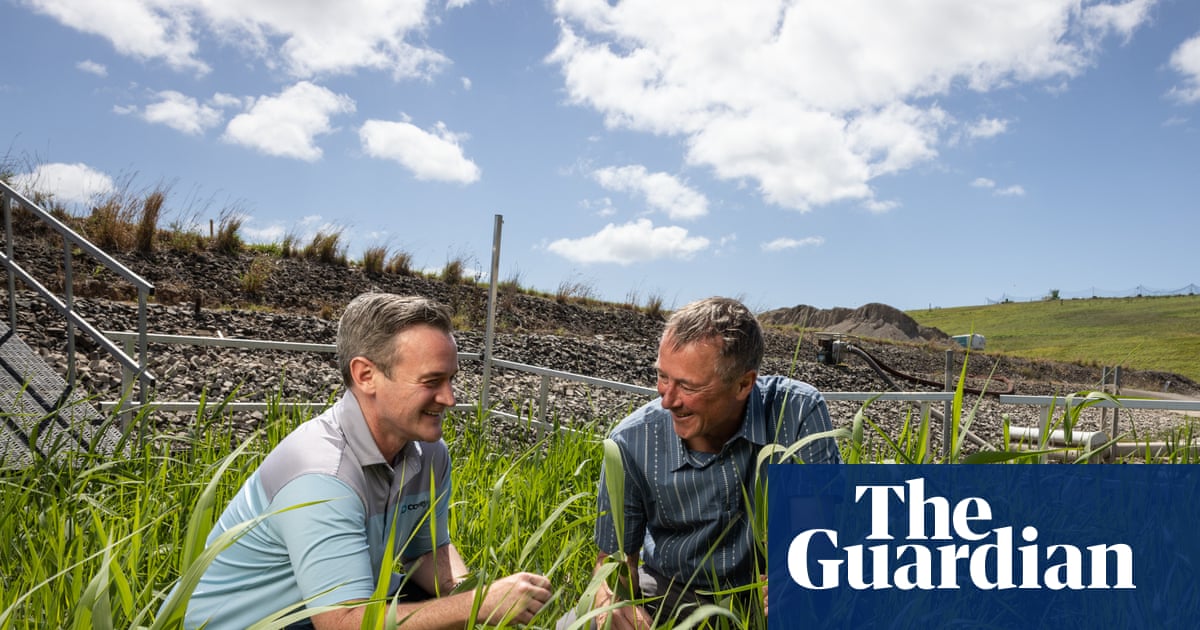
he designer claims that you could drink the water from there,” says Nick Bean, an engineer for the local council, at a large shallow basin in a nature reserve in Brighton. It is a blazing summer day and a group of researchers, engineers, students and a city councillor, dressed in hi-vis clothing and safety goggles, are gathered at the site of the city’s new and ambitious project to help manage the toxic problem of road runoff.
After six years, the Wild Park rainscape, formed of a vegetated swale linked to four planted basins, is at the tail end of development. Dry and golden beneath the sun, the landscape, if all goes well, will soon teem with lush greenery and wildlife. But it will also be performing a much more critical function: filtering pollutants from runoff to prevent them from seeping into the precious chalk aquifer that lies beneath the city.
So little is known about road runoff, the liquid that sloughs off roads and into our waterways when it rains. It is not monitored by the UK government or globally, and the makeup of this chemical and microplastic cocktail will vary from country to country and from one road to another.