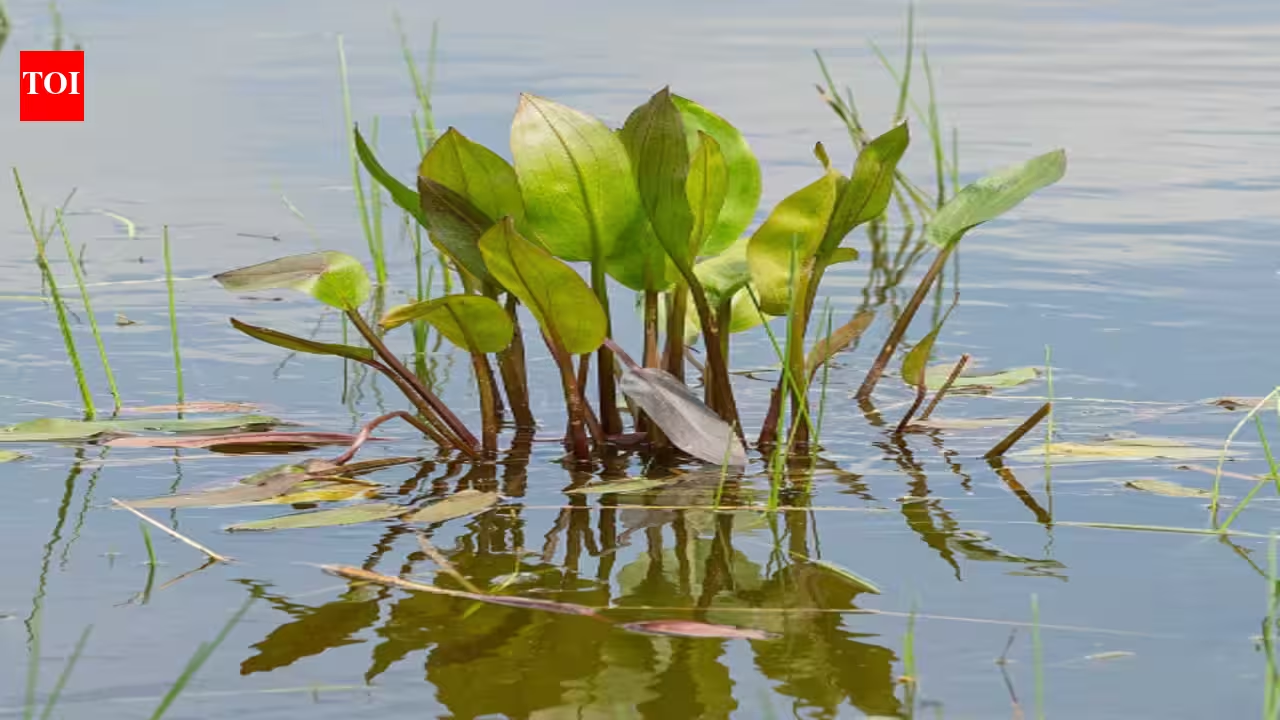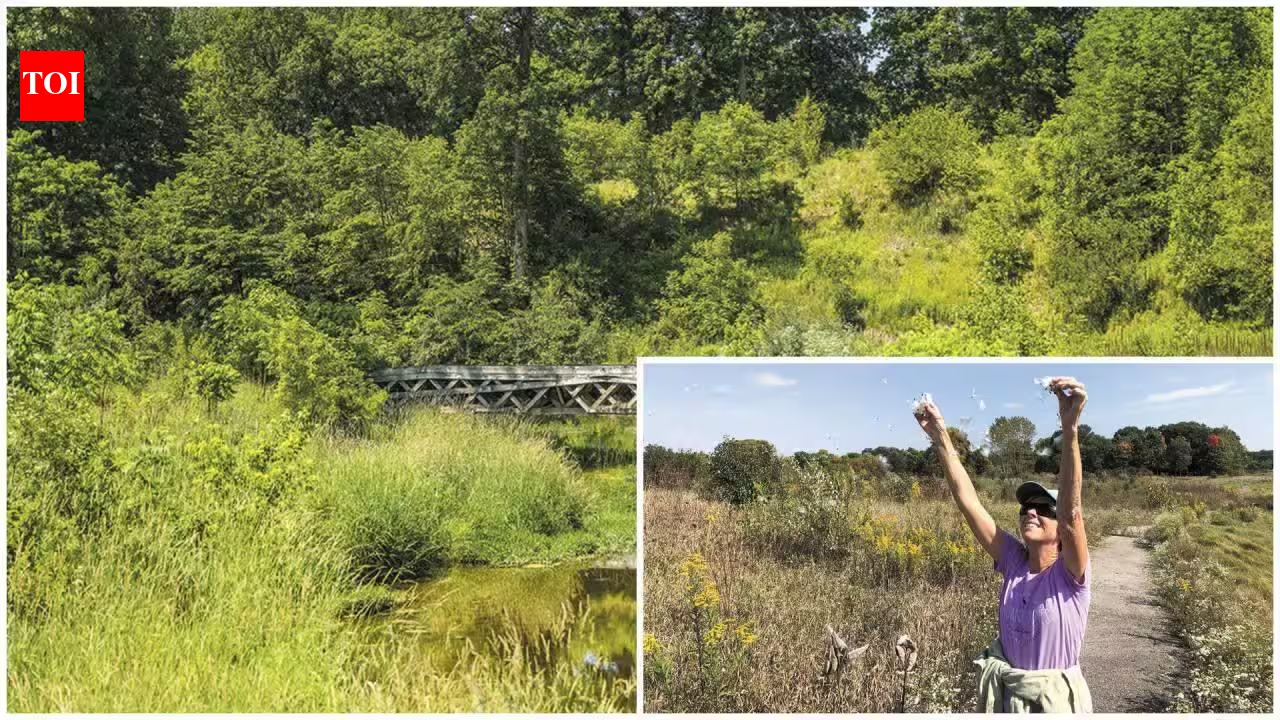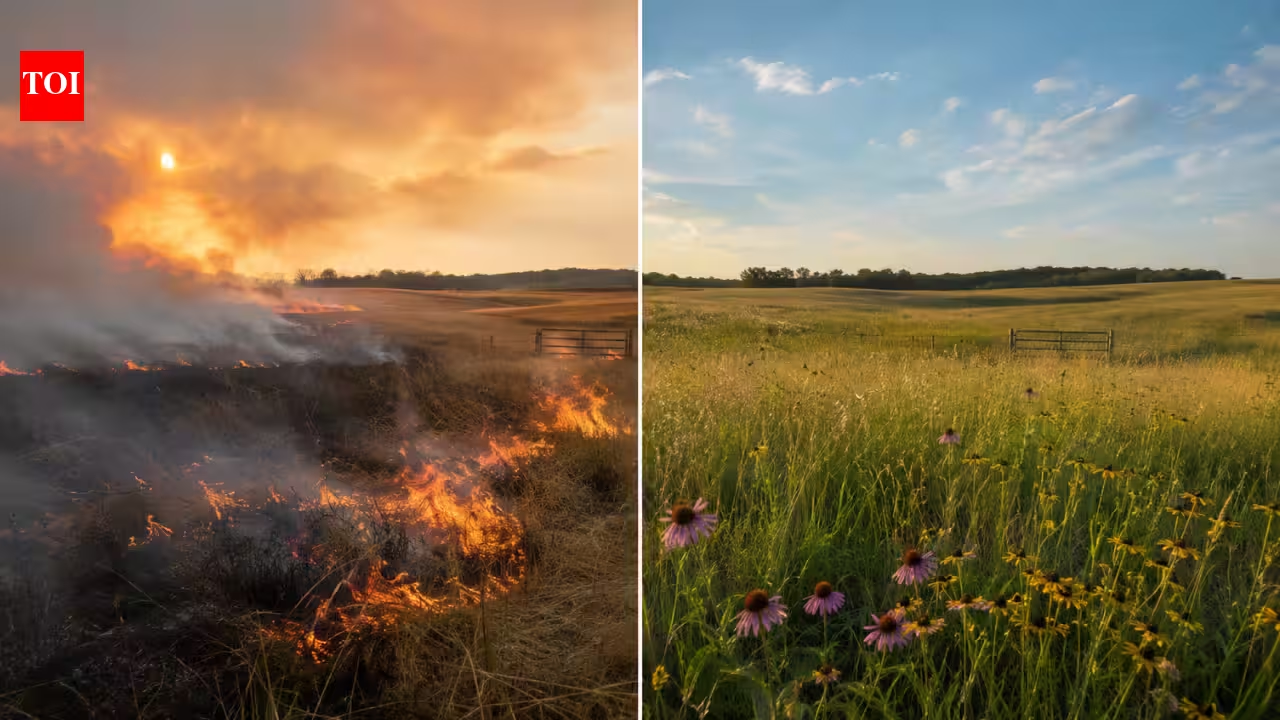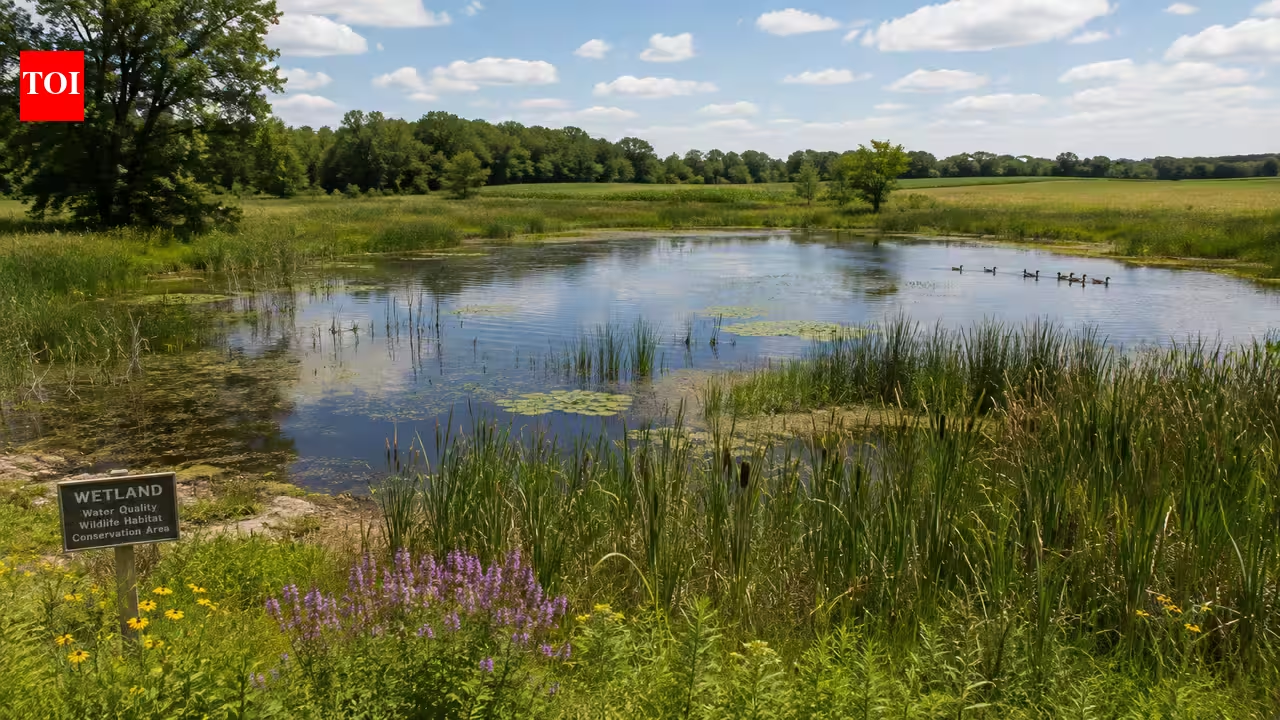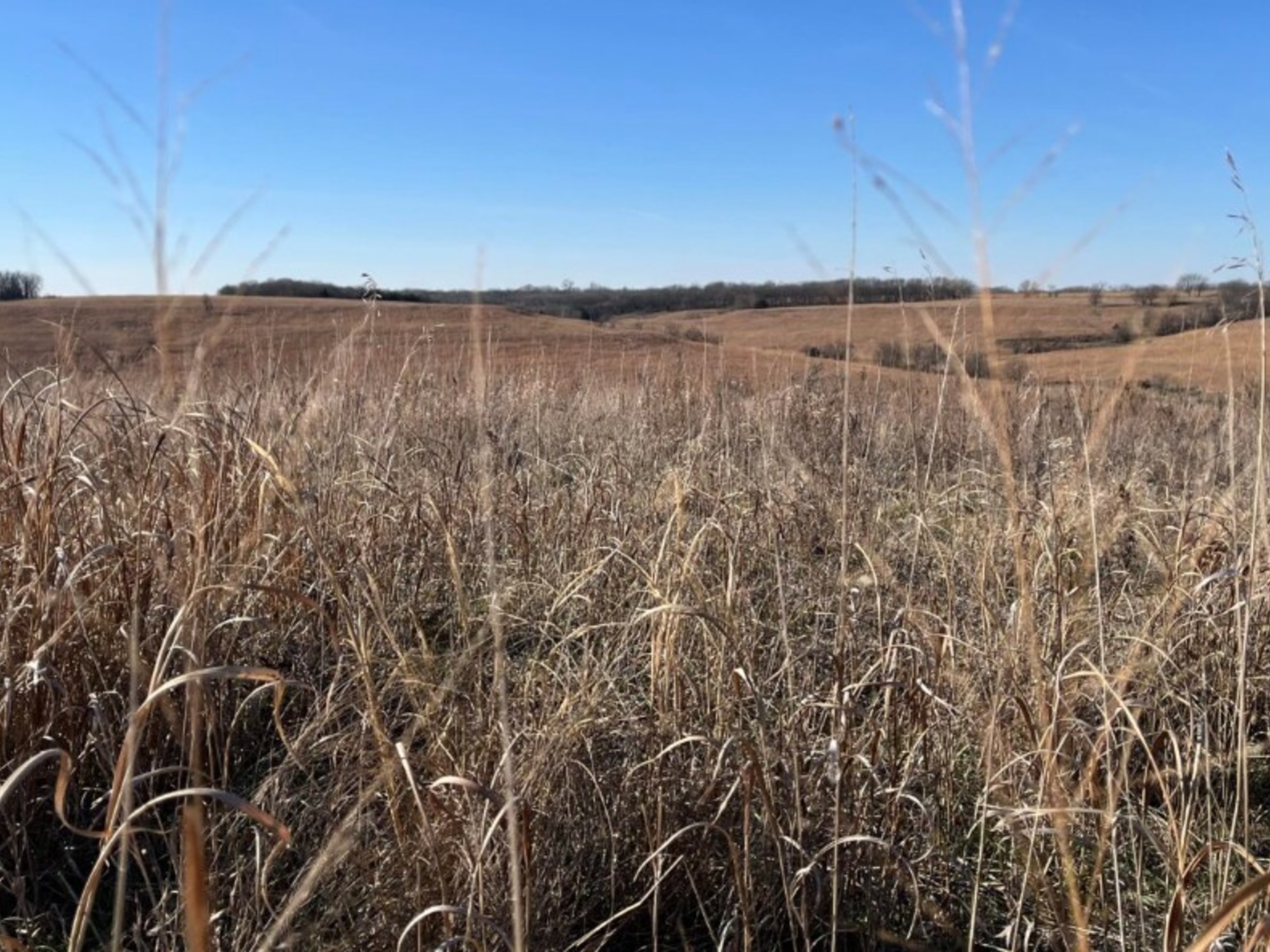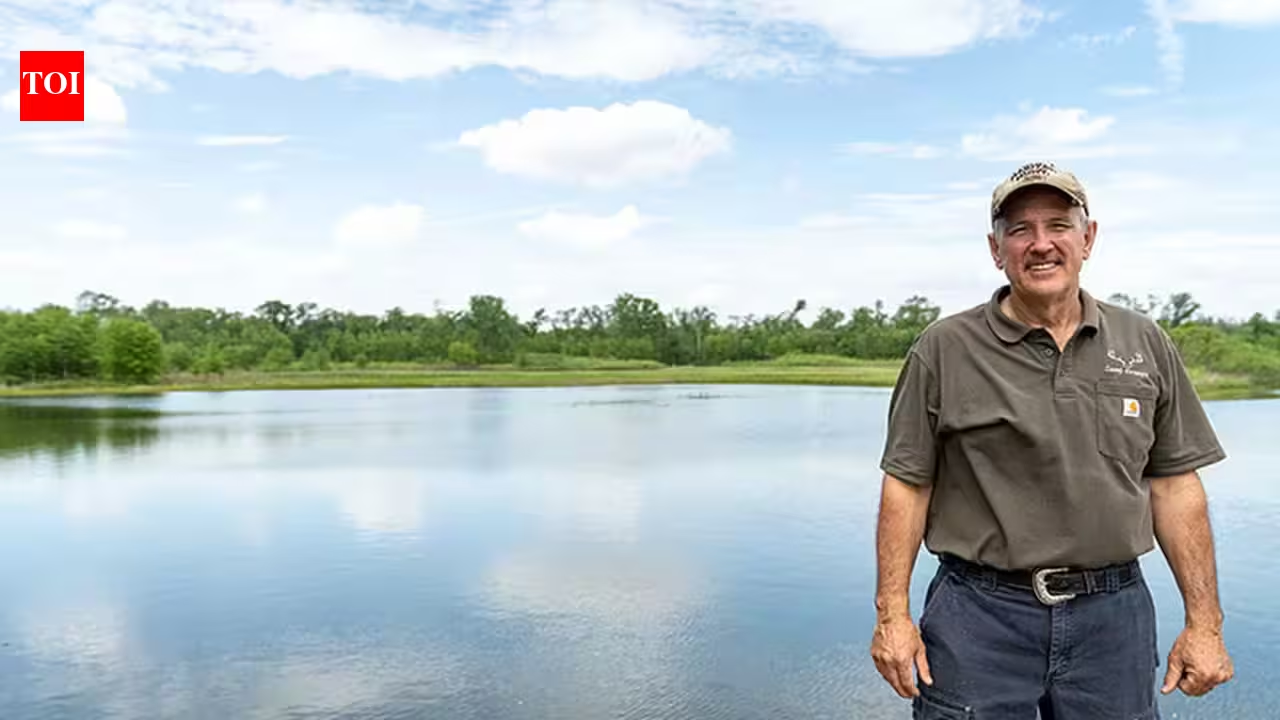
In the early 2000s, Mark Magura bought a 272-acre Indiana farm. Image Credits: Brandon O’Connor, NRCS.For more than a decade, much of Mark Magura’s Indiana property was simply farmland, with about 220 acres leased to farmers growing crops. Today, the landscape includes wetlands, prairie, young forest and shallow seasonal ponds that provide wildlife habitat. The transformation took three years and ultimately put 200.6 acres under a permanent conservation easement, ensuring that the restored land will not return to conventional farming.According to the US Department of Agriculture’s Natural Resources Conservation Service (NRCS), Mark Magura bought the 272-acre property in Starke County, Indiana, in the early 2000s. For more than a decade, about 220 acres remained in agricultural production under lease agreements with different farmers. During this period, Magura began working with the NRCS to enrol parts of the property in conservation programmes aimed at addressing wet areas and improving wildlife habitat.From farmland to wildlife habitatThe first steps came well before the major restoration. In 2006, Magura enrolled portions of the farm in the Conservation Reserve Program to address wet areas around drainage ditches. NRCS provided technical assistance, while the Farm Service Agency helped fund the planting of cool-season grass filter strips. Further changes followed in 2009 and 2010. Hardwood trees were planted to provide habitat for the Indiana bat, while warm-season grasses were established along field borders to benefit quail and other upland birds. As wildlife began returning, Magura became increasingly interested in restoring a much larger portion of the property.NRCS notes that Magura began the process of enrolling about 200 acres in the Wetland Reserve Easement programme in 2018. The restoration took three years and converted former cropland into a mix of wetland, prairie and forest habitat. Once the work was completed, the easement covered 200.6 acres and placed the land under permanent conservation protection. Under its terms, the property could not be returned to conventional agriculture or subjected to major landscape-altering activities such as drainage or timbering. Magura retained ownership of the land, but accepted permanent restrictions on how it could be used. He could still enjoy the property for activities such as hiking, fishing and hunting, and he could sell it if he chose, but the conservation easement would remain attached to the property and bind future owners as well. In this way, the agreement protected the restored habitat beyond Magura's own ownership, ensuring that the land's conservation purpose would continue even if its ownership changed.Building wetlands from a former farmOne of the most ambitious parts of the project was the creation of 16 acres of macrotopography, a network of shallow, pond-like depressions across the restored landscape. The depressions were built with different depths and shapes so they could collect and retain water at different times of the year, creating varied wetland conditions across the site.Research published in Wetlands Ecology and Management found that restoring seasonal flooding can help revive seasonal patterns in waterbird communities and increase bird diversity. The researchers found that restored flooded meadows supported greater waterbird diversity, with the effects particularly evident during autumn and winter. The findings highlight the ecological value of wetlands that experience changing water levels rather than remaining permanently flooded.The restoration involved more than creating shallow depressions. Trees were planted throughout the property, while prairie areas were established with conservation cover. Together, these efforts created a mosaic of wetland, grassland and forest habitats, with transitional areas between them. Instead of providing wildlife with a single type of landscape, the restoration created a more varied environment with different habitats in proximity.Range Road, near E 50 S, Starke County, Indiana. Image Credits: Wikimedia Commons.When wildlife returnedFor Magura, the clearest sign that the restoration was working came from the sheer amount of wildlife. The property that had once been dominated by corn and soybean fields was soon home to birds, frogs and other animals. At one point, the wildlife was so abundant that the sounds around his home disrupted the quiet he had expected to enjoy. The transformation also changed the long-term future of the property. Instead of treating the land solely as an agricultural asset, Magura chose to make much of it a permanent wildlife habitat.The result is a reminder that restoring farmland does not necessarily mean returning it to a single, fixed type of landscape. On the property, wetlands, prairie and forest now coexist, each providing different conditions for wildlife. The work took years, but once the major construction was completed, nature took over much of the next stage. As Magura put it, the land was something people could steward rather than own forever. His three-year restoration was only the beginning. The trees will continue to grow, the prairie will develop, and the seasonal wetlands will keep changing with the water table, allowing the landscape to become increasingly self-sustaining over time.
In the early 2000s, Mark Magura bought a 272-acre Indiana farm; after a 3-year restoration, 200.6 acres came back as wetland, prairie and forest for wildlife
For more than a decade, much of Mark Magura’s Indiana property was simply farmland, with about 220 acres leased to farmers growing crops. Today, the landscape includes wetlands, prairie, young forest and shallow seasonal ponds that provide wildlife habitat.
799 words~4 min read