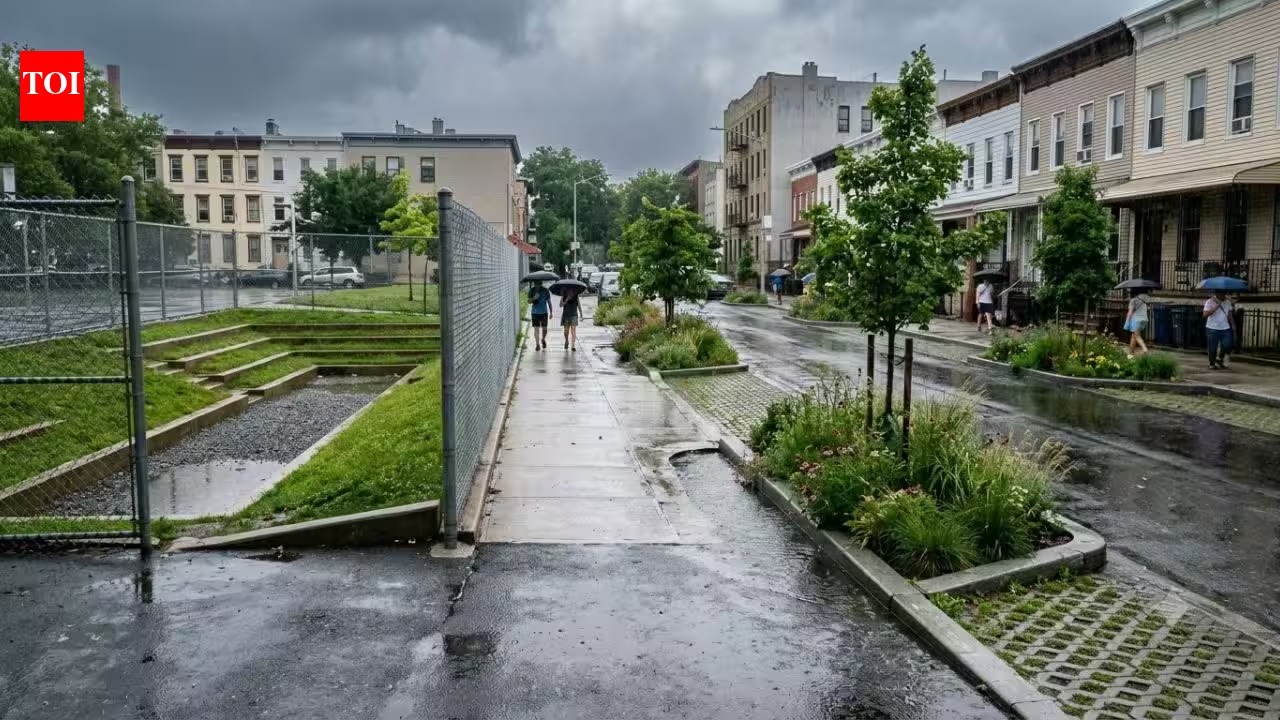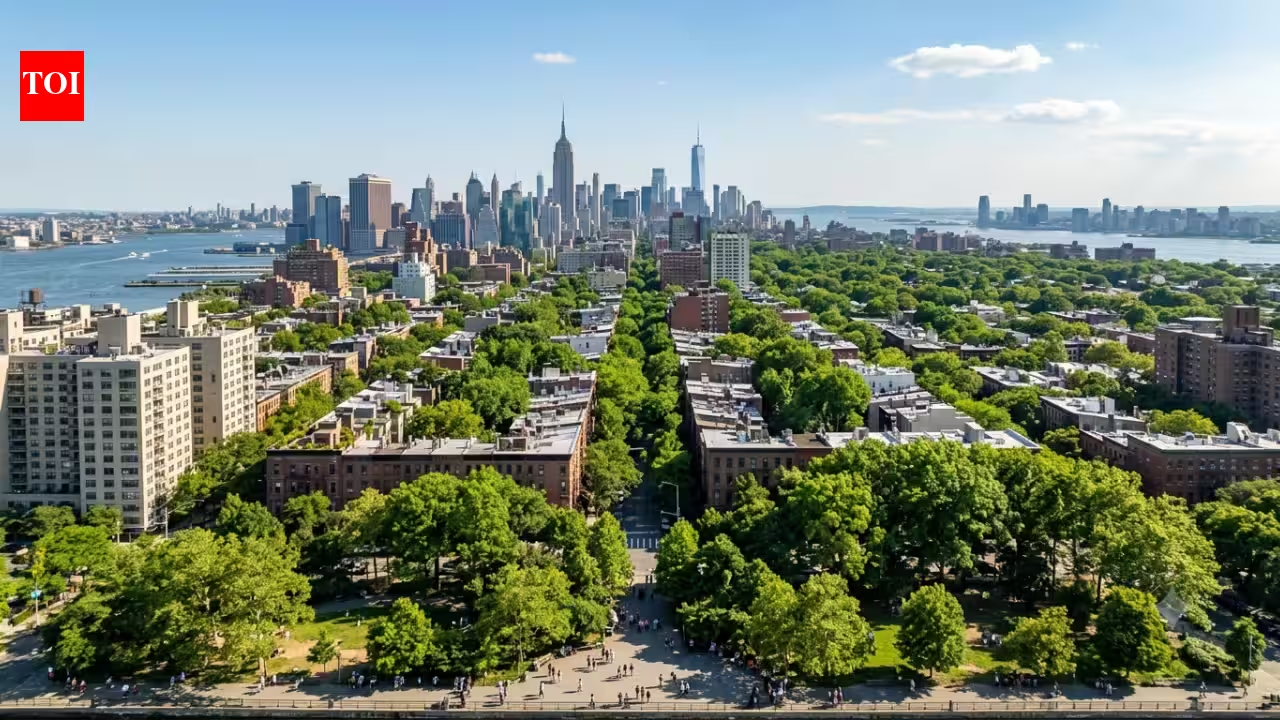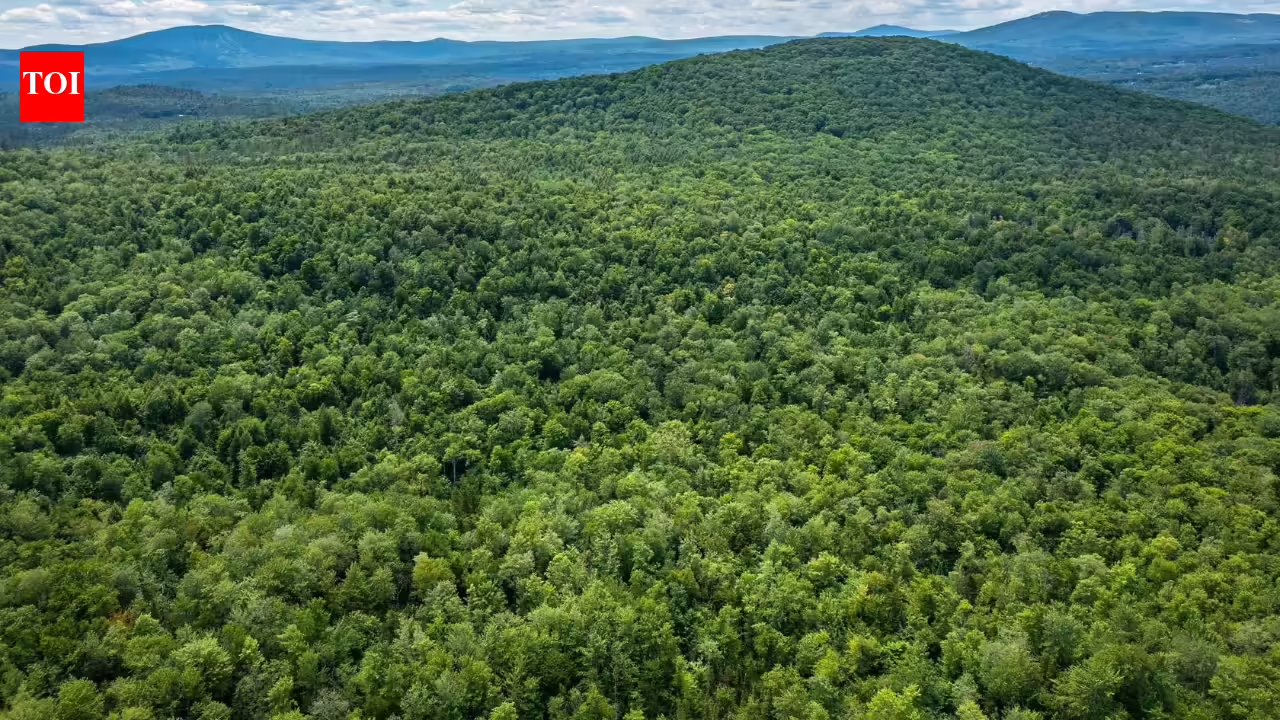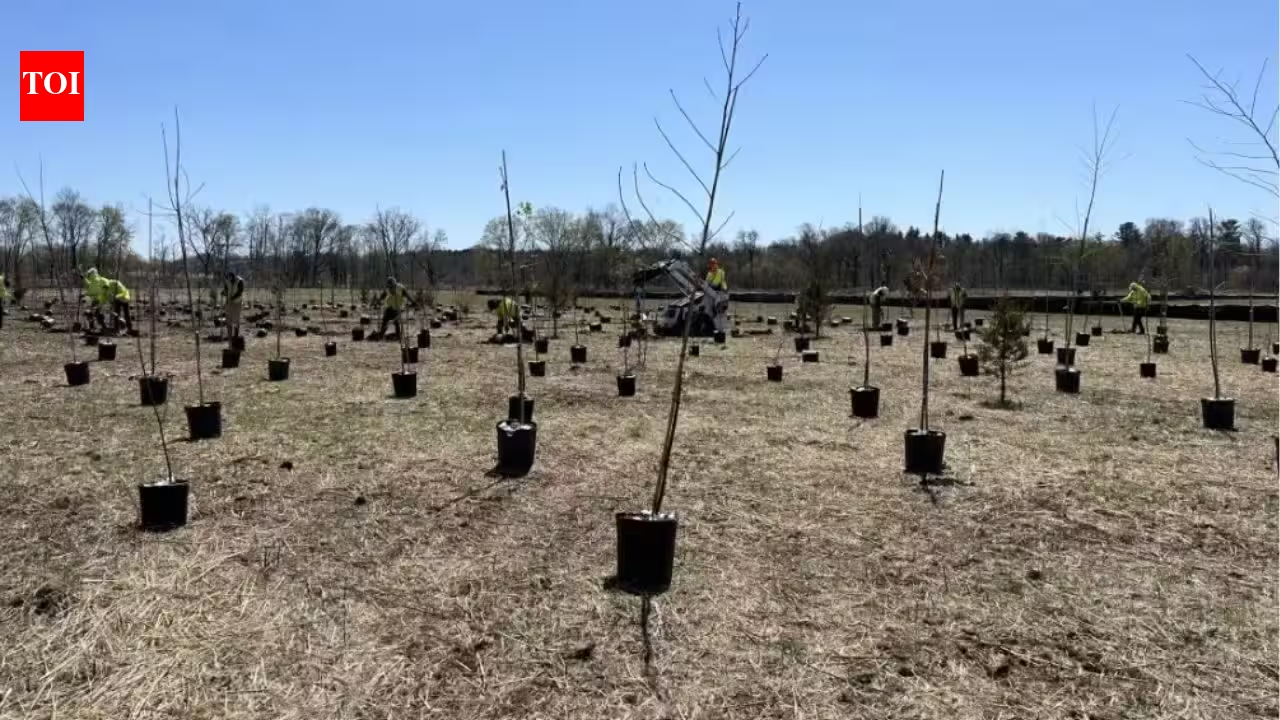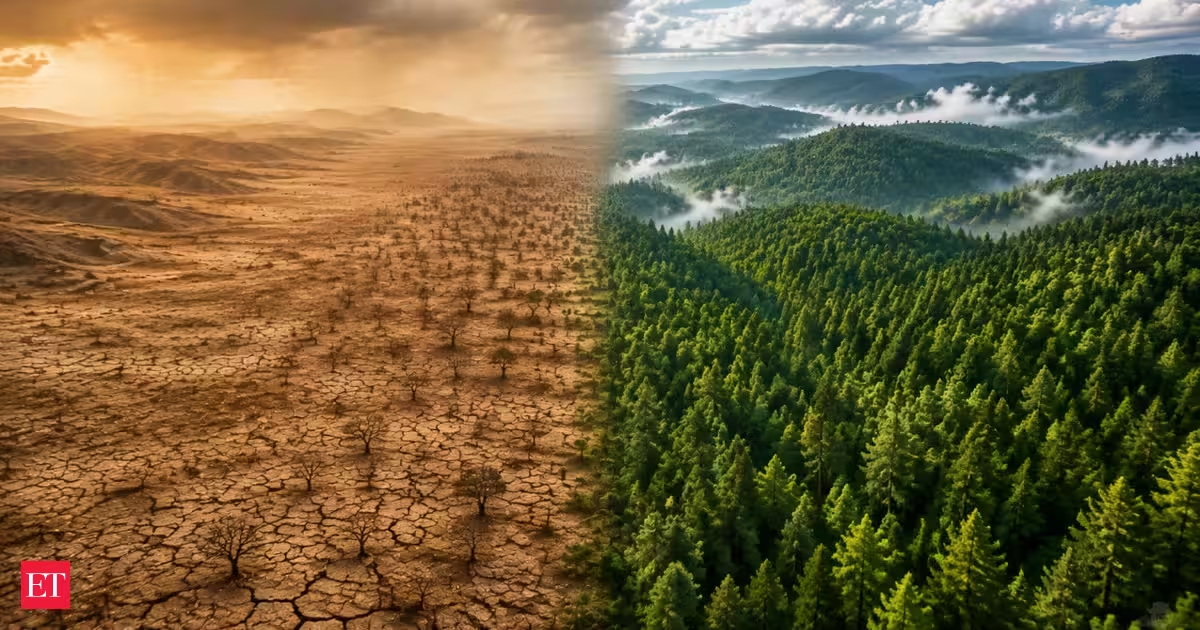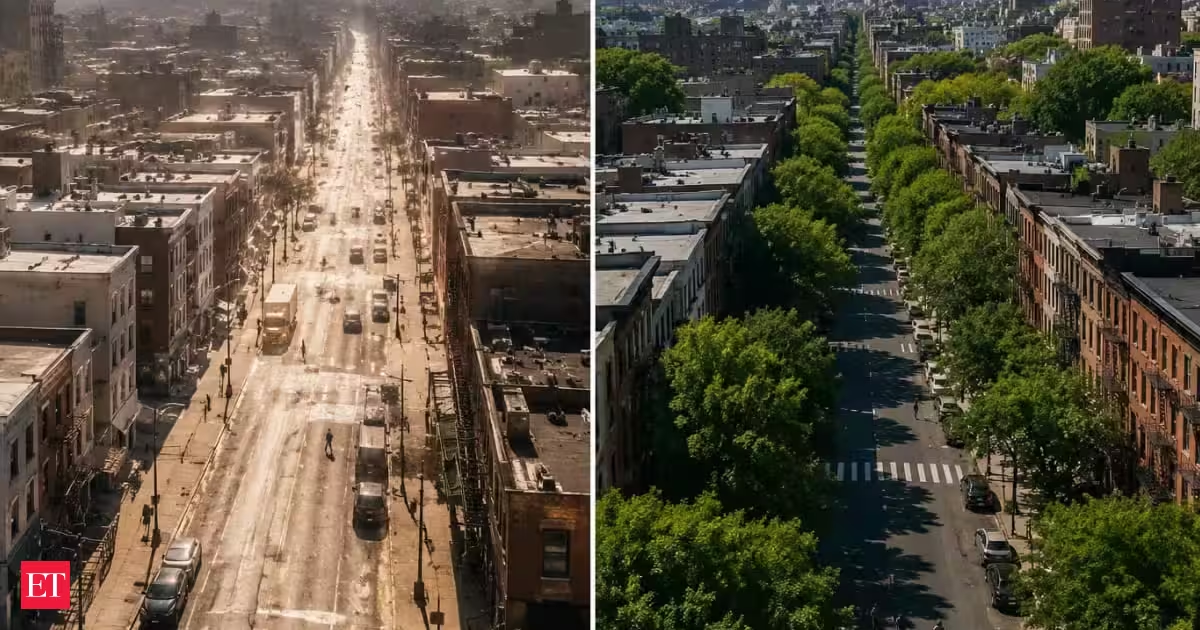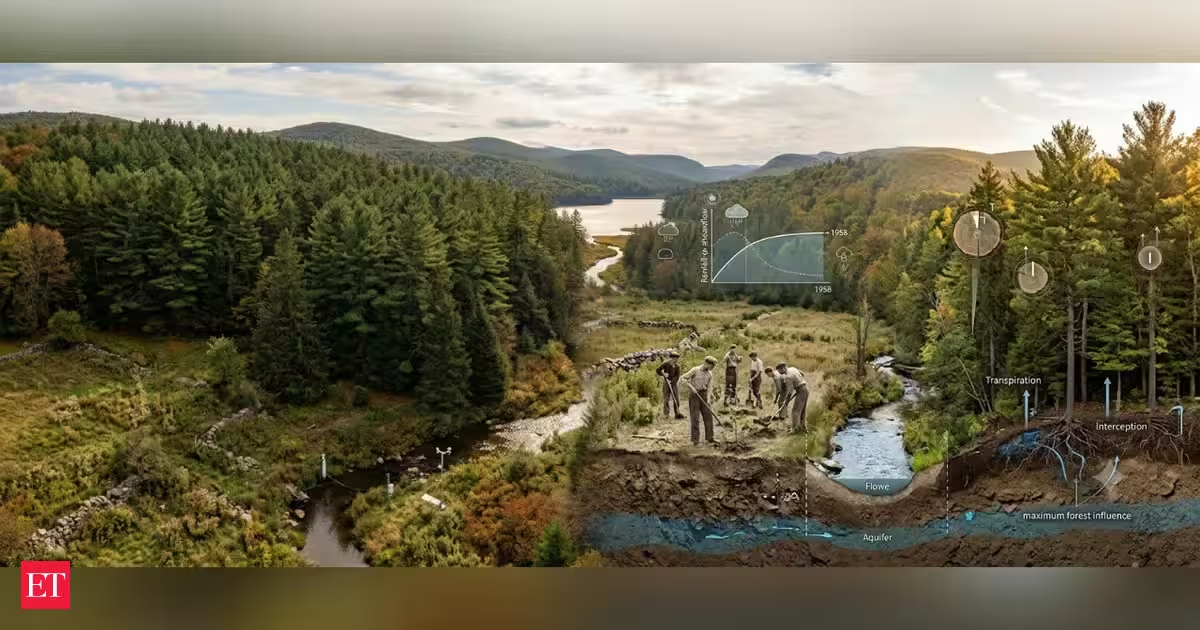
In the early 1930s, New York State bought 340,000 acres of abandoned farmland for trees. 26 years later, the new forests had significantly reduced runoff, with their effect stable through 1967SynopsisNew York's reforestation program transformed abandoned farmland into dense woodlands. This initiative significantly reduced streamflow and peak discharges in studied areas. The forest's influence reached a stable maximum by 1958. This reforestation was part of a larger recovery of New York's forest lands.New York reforestation (Photo: AI/Gemini)Disclaimer: This image is an AI-generated artistic visualization designed to illustrate the historical reforestation and hydrological study described in the article.In the early 1930s, more than 340,000 acres of abandoned farmland in New York were purchased by the State Conservation Department for planting, growing and harvesting trees. The land gradually changed from heavy weed and brush cover into dense coniferous woodlands, with trees eventually averaging more than 30 feet high, as per study titled, 'Reforestation with Conifers: Its Effect on Streamflow in Central New York.' The reforestation also affected streamflow.Since 1932, hydrologic data had been collected in Central New York to determine how reforestation affected streamflow. Researchers monitored three small partly reforested areas and one non-reforested control area.By 1958, intensive statistical analysis showed that total runoff had been significantly reduced. Researchers attributed the reductions to increased interception and transpiration.Reductions in peak discharges during the dormant season were also indicated. Researchers attributed these changes to increased interception and sublimation of snowfall, as well as the gradual desynchronization of snowmelt runoff between wooded and open areas of the partly reforested watersheds.The forest's influence reached a maximum by 1958Researchers continued examining peak discharges after the 1958 analysis. An update completed in 1967 found that no further changes in relative peak discharges had occurred since 1958. Researchers therefore concluded that the influence exerted by the forest had reached its maximum by 1958 and remained stable through 1967.You Might Also Like:New York's forests were recoveringThe reforestation of abandoned farmland was part of a broader recovery of New York's forests. Nearly 63% of New York, or about 18.6 million acres, is now forest land, as per the Department of Environmental Conservation. At the end of the 19th century, however, forests covered less than 25% of the state, primarily because of expanding agriculture and, to some degree, over-logging.The adoption of scientific forest management and the planting of millions of trees helped the state's forest lands recover.During the 1930s, drought and the Great Depression contributed to farm failures, and millions of agricultural acres were abandoned. Some of the land was so poor that little could grow on it.Many of those former farms are now densely wooded State Forests. The State Conservation Department, now the Department of Environmental Conservation, helped transform the abandoned land through reforestation. Franklin D. Roosevelt's Civilian Conservation Corps also provided employment for millions of young men during the Depression.You Might Also Like:Forests brought lasting benefitsNew York's forest recovery provided benefits beyond restoring tree cover. Today, forests provide clean water and air, fish and wildlife habitat, flood protection, open space and reduction of greenhouse gases. They also provide recreational opportunities, scenic beauty and economic benefits from forest products.The Central New York study offered a long-term look at one effect of that forest recovery. As abandoned farmland became woodland, the growing forests affected runoff and peak discharges in the studied watersheds.Read More News on(Catch all the US News, UK News, Canada News, International Breaking News Events, and Latest News Updates on The Economic Times.) Download The Economic Times News App to get Daily International News Updates....moreless
In the early 1930s, New York State bought 340,000 acres of abandoned farmland for trees. 26 years later, the new forests had significantly reduced runoff, with their effect stable through 1967
Explore how New York State's reforestation efforts transformed over 340,000 acres of abandoned farmland into thriving forests, significantly reducing runoff and stabilizing peak discharges for decades.
585 words~3 min read