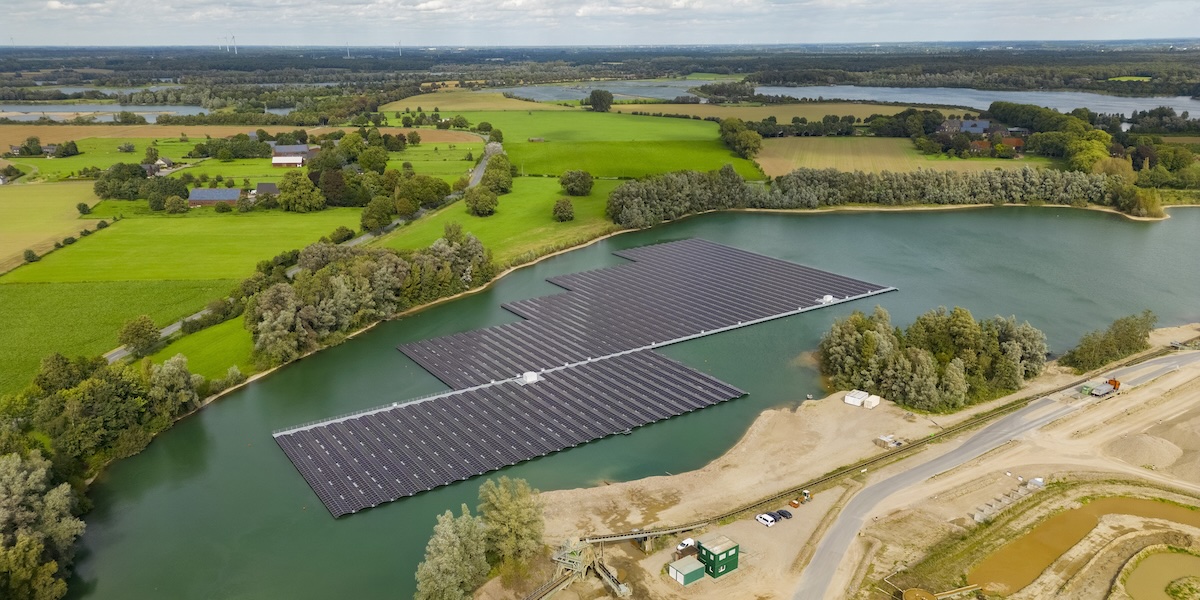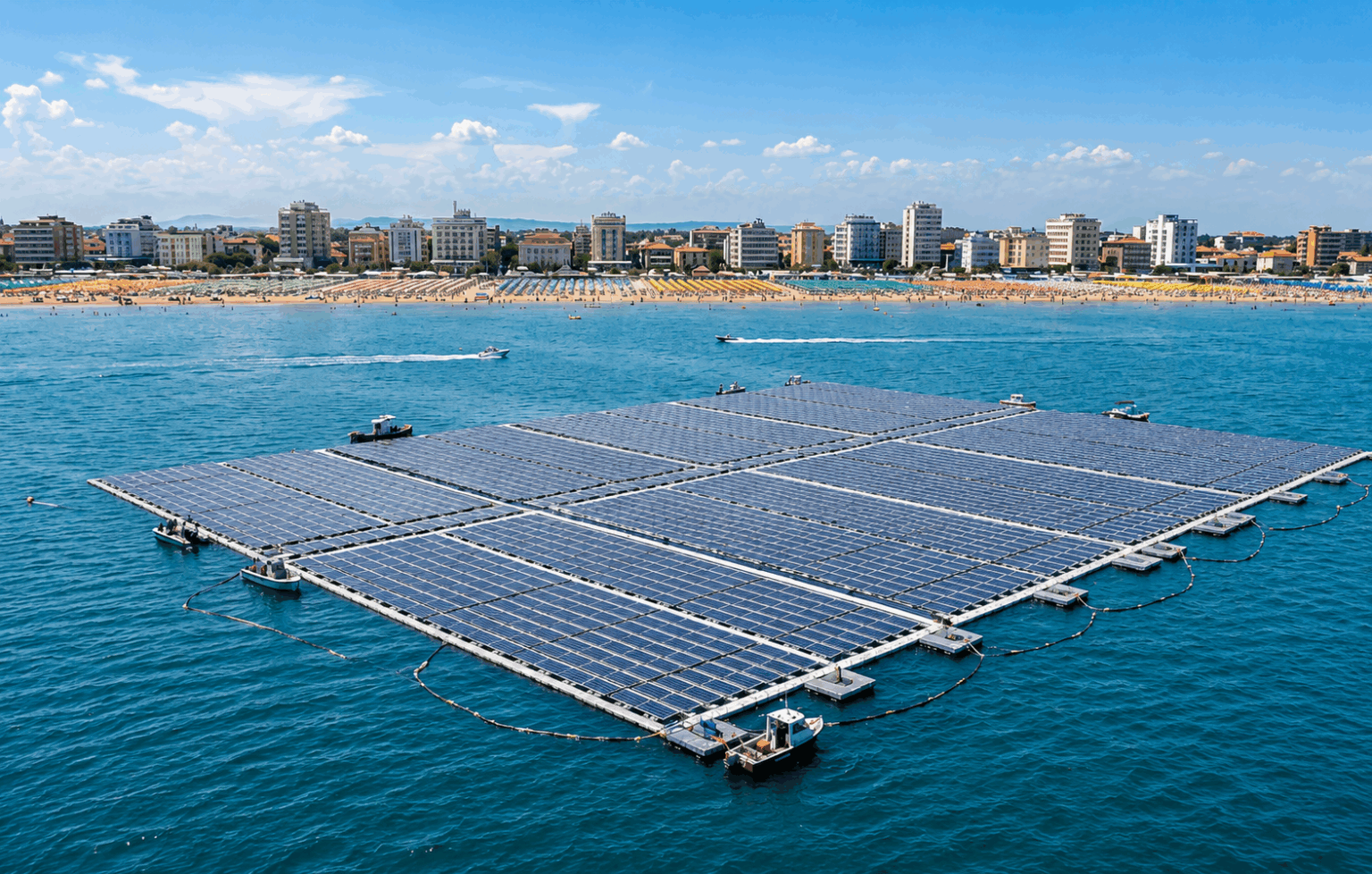
Researchers in Malaysia have developed a simplified operating cell temperature model for floating photovoltaic (FPV) systems that incorporates water temperature while remaining compatible with existing nominal operating cell temperature (NOCT) models. The FPV-NOCT model outperformed the standard NOCT approach in validation datasets from Brazil and California, achieving up to 92.3% prediction accuracy.
A research team from Malaysia’s Curtin University has developed a simplified operating cell temperature model for floating PV (FPV) systems. The new model is compatible with the existing nominal operating cell temperature (NOCT) model and can therefore be integrated into existing solar PV software.
“The new FPV-NOCT model extends the existing standard NOCT PV model by incorporating water temperature to estimate solar cell temperature floating over a water body,” corresponding author Ramanan Chidambaram Jayaraj told pv magazine. “A key advantage is that it remains compatible with existing PV temperature models, requires only water temperature as an additional input, and preserves the simplicity of the original NOCT framework.”
Jayaraj said he is currently working to refine the model to improve its predictive accuracy. “I am also planning to extend the development of cell temperature models to emerging solar cell technologies,” he added.