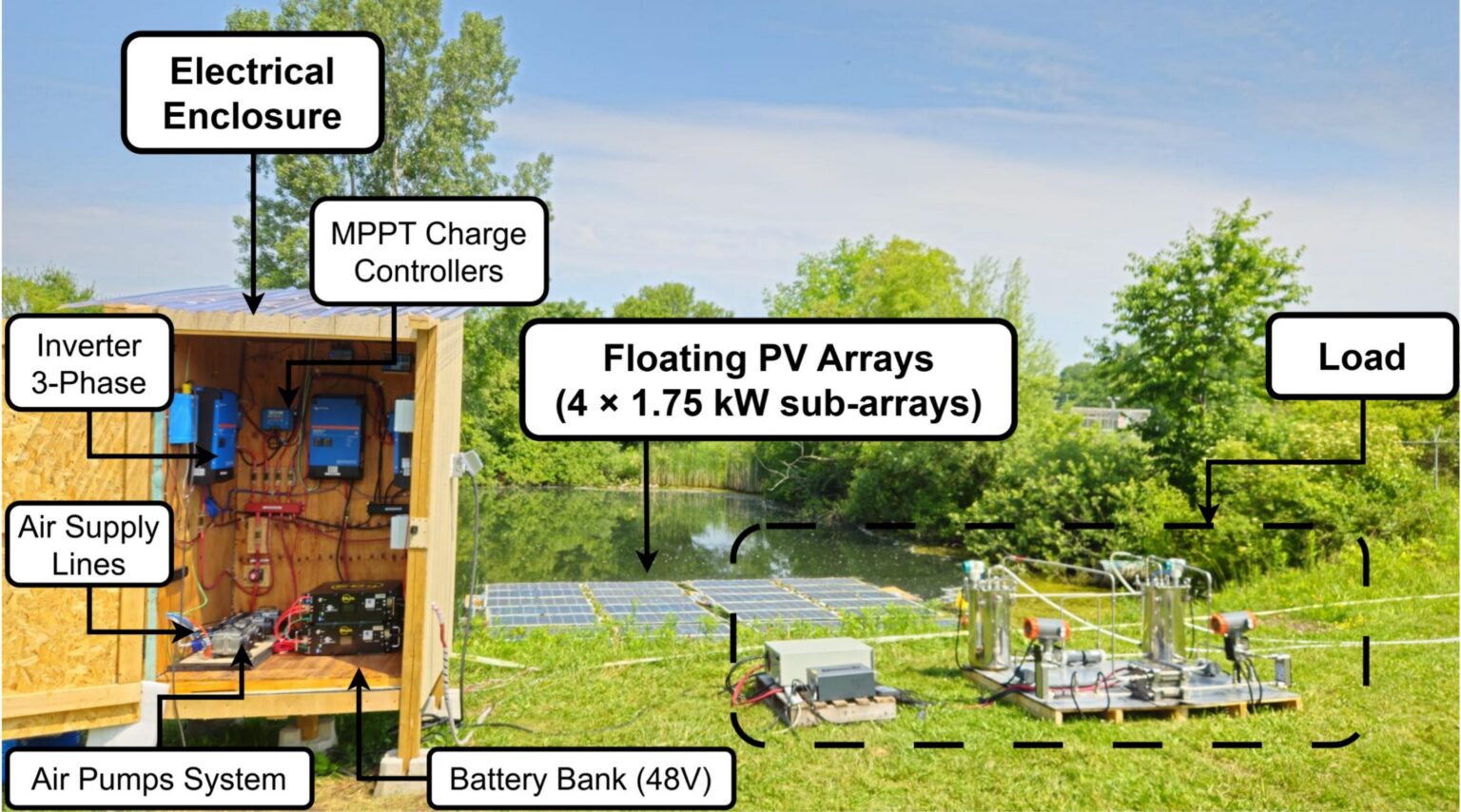
Researchers at Canada’s Western University demonstrated that a foam-backed floating solar PV system with an air-bubbler can operate effectively through freezing winters, keeping ice at bay with minimal energy use. The system produced up to 2.7% more annual energy than conventional PV models, reduced water evaporation, and showed strong economic potential with a payback period of about 4.2 years under high electricity prices.
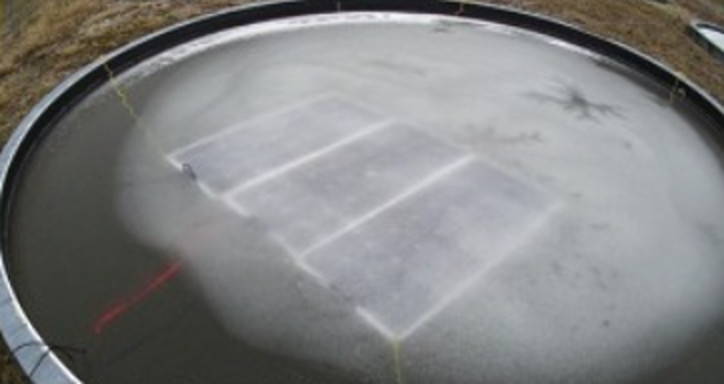
Researchers from Canada’s Western University have built and analyzed a foam-backed floating PV (FPV) system in Canada’s cold climate, using an air-bubbler system to prevent ice. Their experiment ran from August 2024 through June 2025, using measurements different from those simulated by major models.
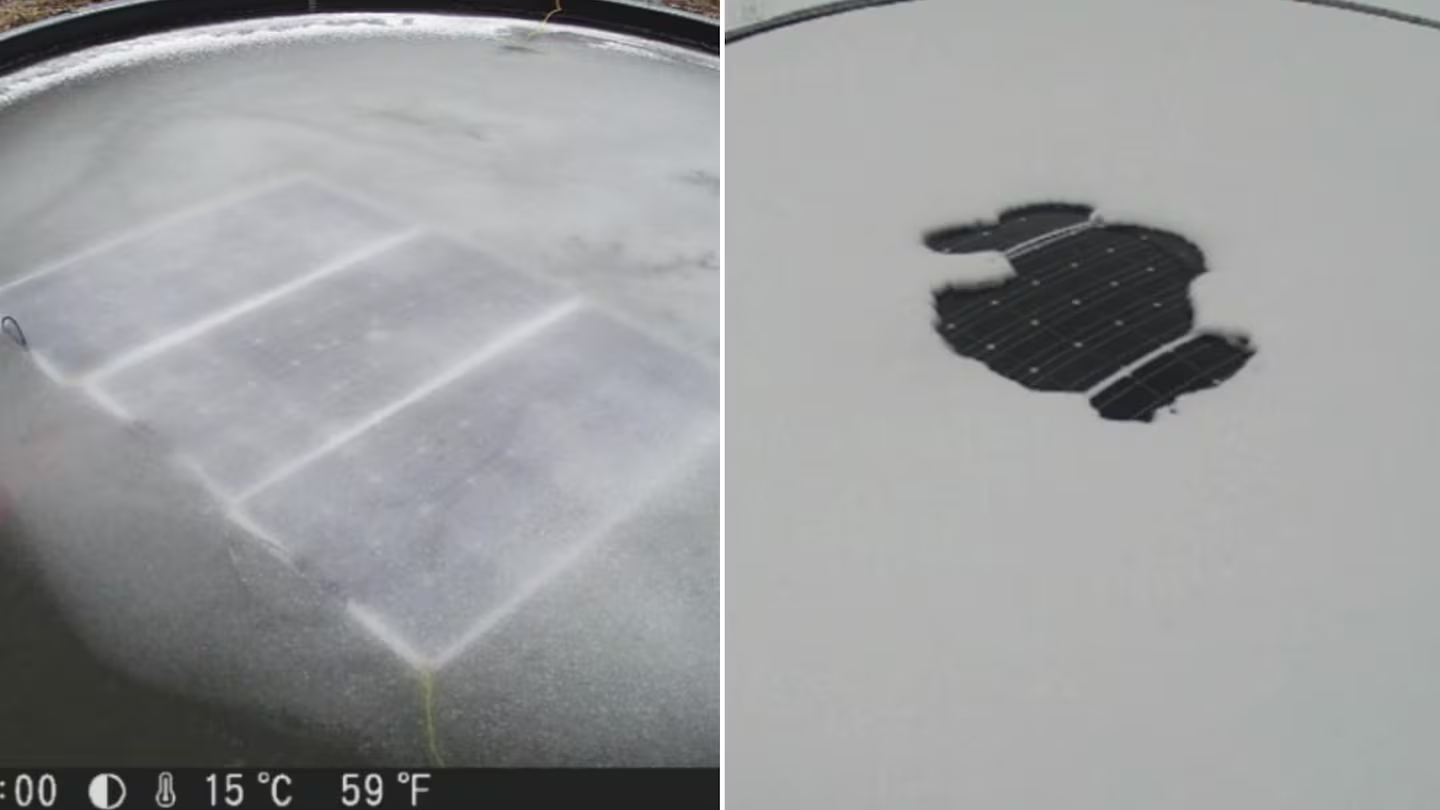
“We found notable differences between measured module temperatures and standard PV temperature models during winter, highlighting unique thermal dynamics of flat, foam-backed FPV systems,” corresponding author Joshua M. Pearce told pv magazine. “To work in Canada, we developed and validated a transferable ice-melting model using an air-bubbler system, maintaining ice-free conditions with negligible energy consumption.”
Pearce also explained that the results revealed the novel system to be viable in Ontario’s freezing winters. “We found a pretty nice energy yield advantage, too. Foam-based FPV generated more energy annually compared to other PV models, emphasizing the importance of accurate temperature modeling for cold-climate systems,” he added. “The study also demonstrated FPV-based evaporation reduction for water conservation. But best of all is that the foam-based FPV was economic while solving the issue of FPV in cold climates.”