Researchers assessed floating solar PV combined with hydrogen production on UK reservoirs using simulation tools, modeling electricity generation, electrolysis, and end-use applications. The findings show that large-scale floating solar could produce significant hydrogen for heat, transport, and electricity, while also offering substantial water-saving benefits from reduced evaporation.
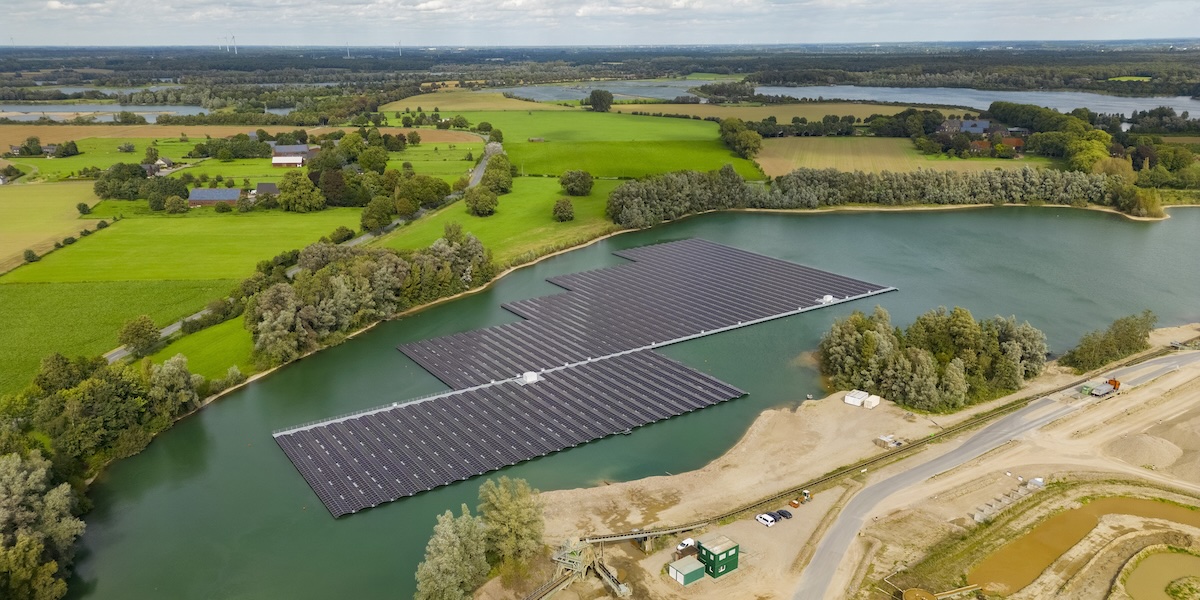
Scientists from the University of Exeter in the United Kingdom have evaluated the potential for integrating floating photovoltaic (FPV) systems with green hydrogen production on UK reservoirs.
PVsyst software was used to simulate annual electricity generation, while Homer Pro was used to model hydrogen production via electrolysis and its potential applications.
“In our previous work, we assessed the performance of both tracking and non-tracking floating photovoltaic (FPV) systems in the UK,” corresponding author Aritra Ghosh told pv magazine. “In this study, we extended the analysis by exploring the potential for hydrogen production using electricity generated from FPV installations.”
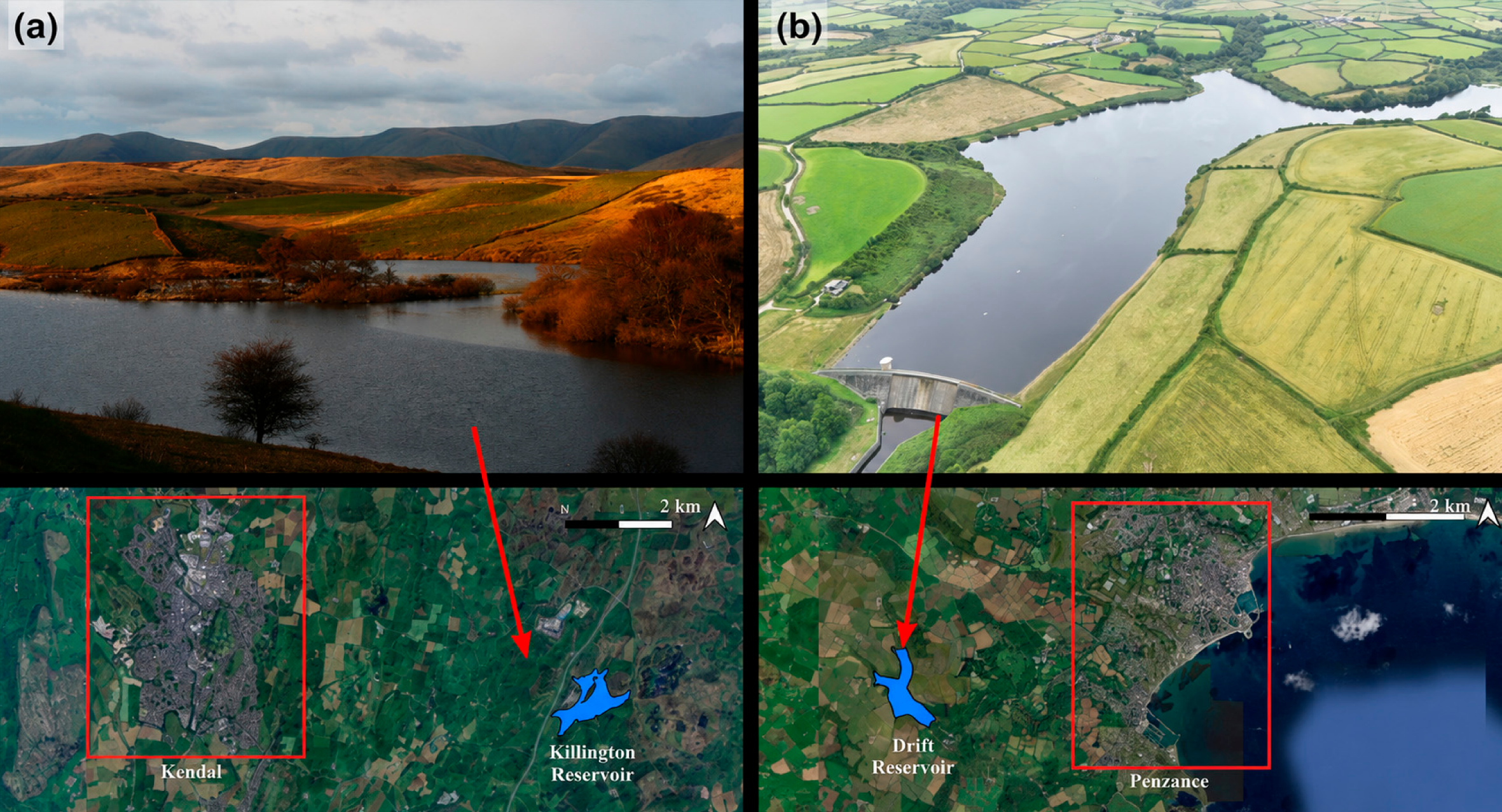
Ghosh added that the researchers selected two reservoirs as utility-scale case studies: Killington Reservoir in northwest England and Drift Reservoir in southwest England. “We evaluated hydrogen production under different FPV coverage scenarios, considering 10%, 25%, 50%, and the maximum feasible surface coverage of each water body,” he said.