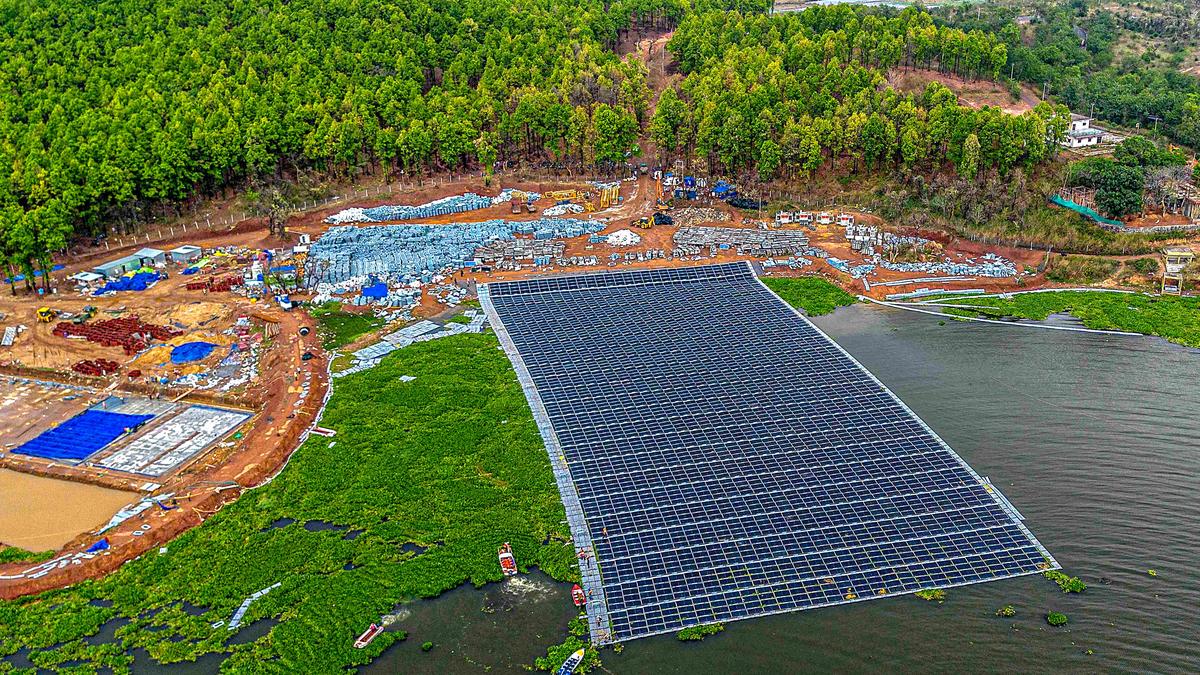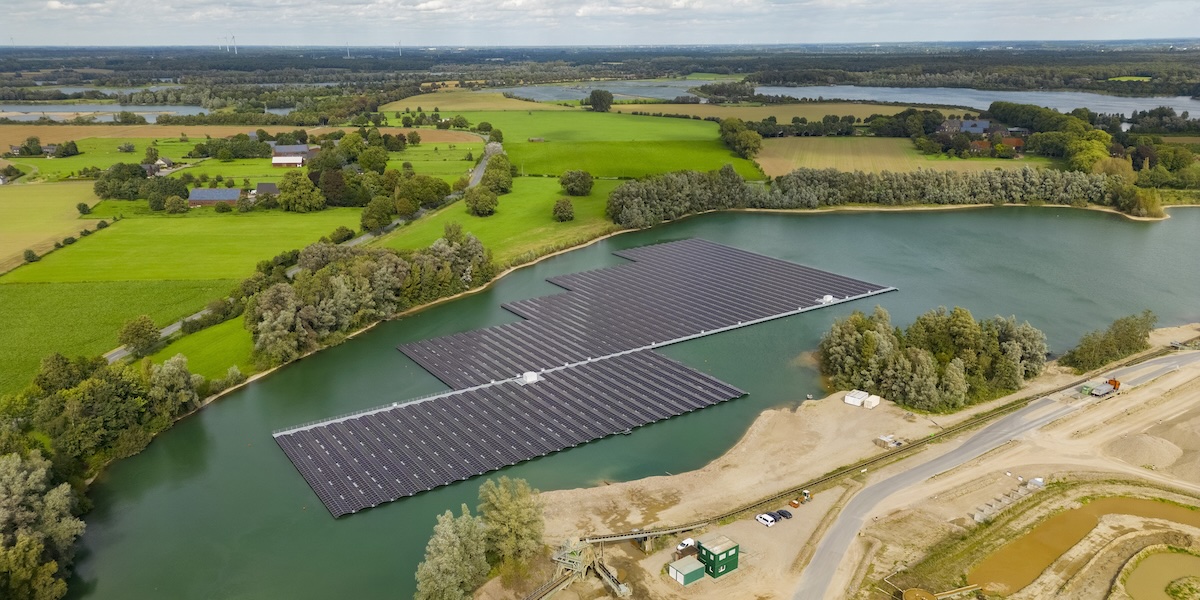
Scientists in India have assessed the accuracy of three widely-used simulation tools in predicting the performance of a floating PV plant. The research also found the array is helping to reduce surface water evaporation.
A research team from India has evaluated the accuracy of three widely-used simulation tools in the solar industry – PVsyst, PV*SOL and SAM – in predicting the performance of a floating PV (FPV) system.
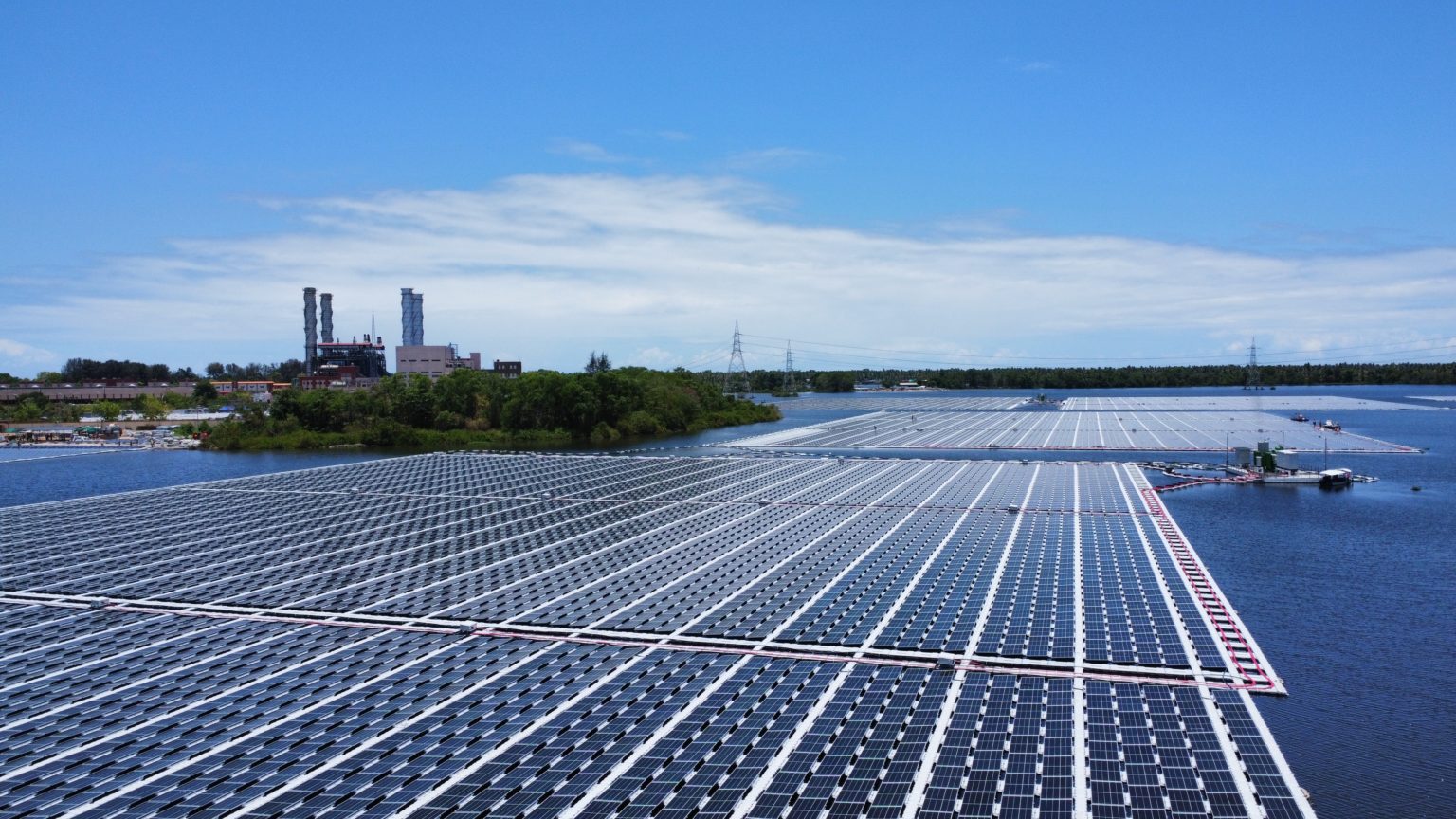
The team created a simulation of a real 20 MW FPV system located in Uttar Pradesh, India. The system consists of 49,639 modules with a capacity of 495 W each and 5,974 modules with a capacity of 490 W each. Their arrangement involves 29 modules connected in series, with two sets of 29 series modules connected in parallel. The tilt angle for the modules is set to 5°, and the azimuth angle is 25° south. A total of seven types of floats support the structure.
Weather and performance parameters were recorded throughout 2023. The results from the experimental recording were then compared to those of three simulation programs. Each simulation tool was configured using standard system parameters, including module specifications, inverter characteristics and system losses.
“Default temperature models available within each software were used, with adjustments made to account for site-specific conditions where applicable,” the research team explained. “Albedo values were selected based on typical water surface reflectivity, and standard loss assumptions, such as wiring losses, inverter losses, and soiling losses, were applied consistently across all simulations.”