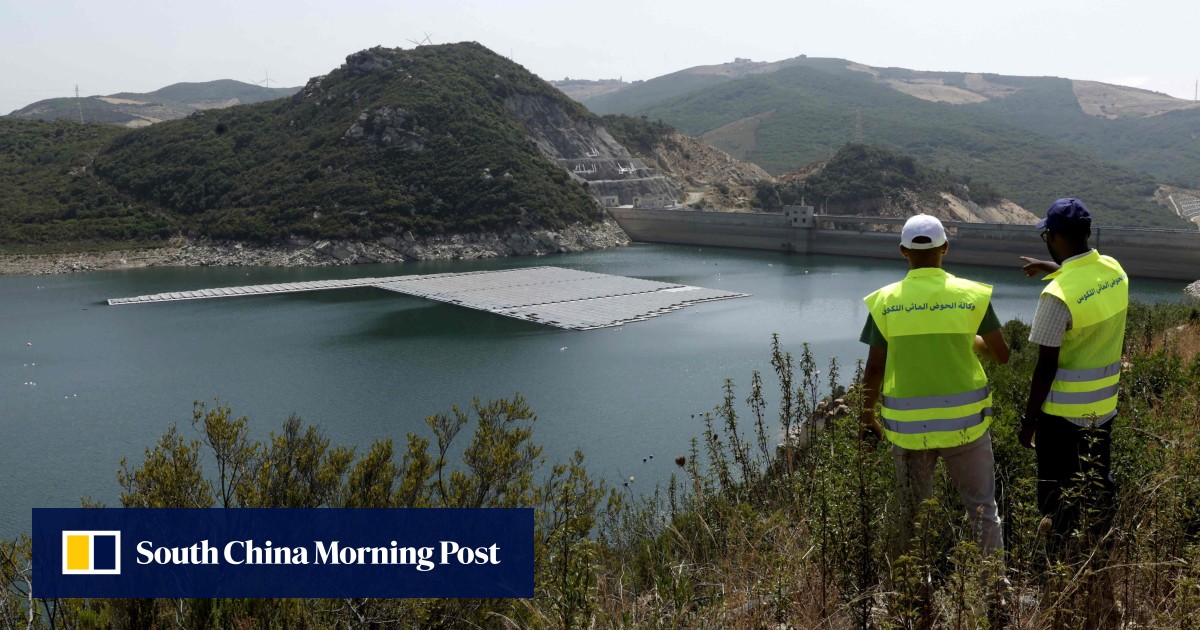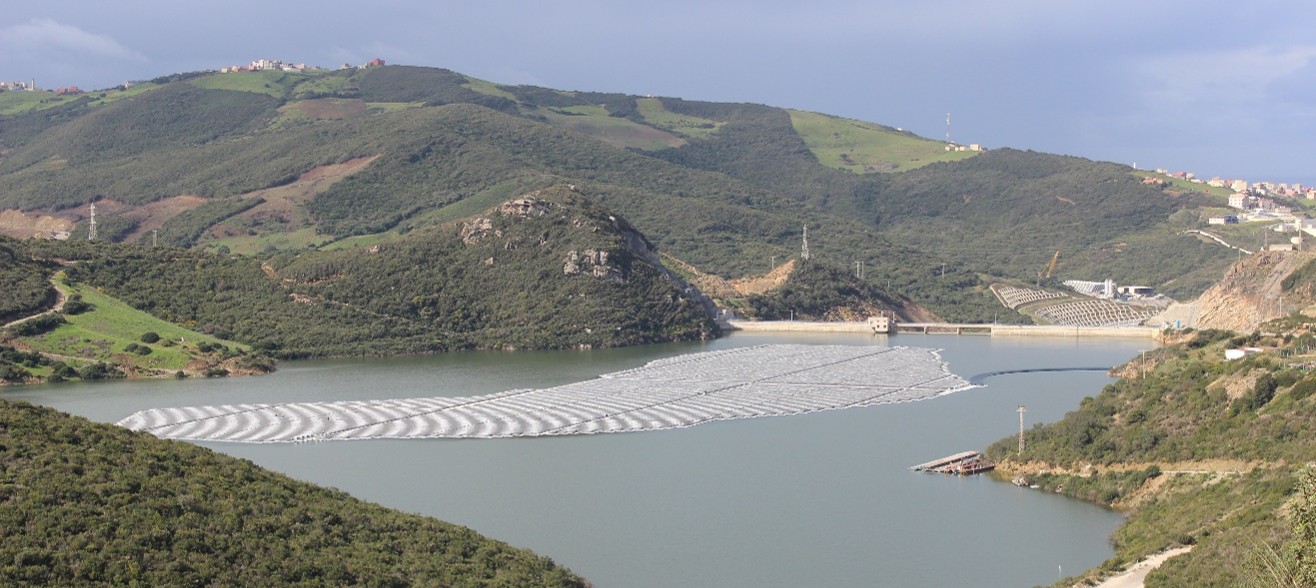
Research from Morocco assessing the techno-economic potential of floating PV at a Moroccan dam finds such installations can help to mitigate water stress while increasing the country’s renewable energy generation.
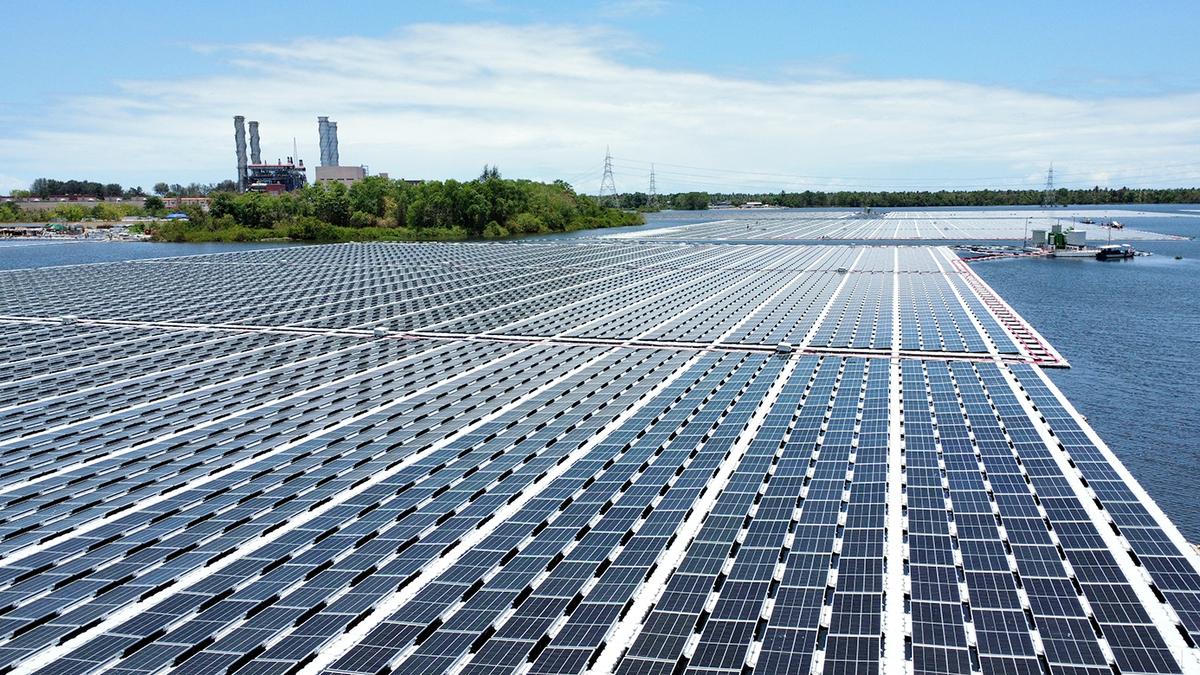
Floating solar deployed on Moroccan dams can act as dual-purpose infrastructure by generating electricity while preventing water loss through evaporation, according to new research.
A research team from the Sidi Mohamed Ben Abdellah University in Fez, Morocco, assessed the techno-economic and water-saving potential of a floating solar installation deployed at the Hassan Addakhil Dam in Morocco. Their findings are presented in the research paper Unlocking the potential of floating PV in water-stressed regions: A techno-economic analysis for the Hassan Addakhil Dam, Morocco, available in the journal Scientific African.
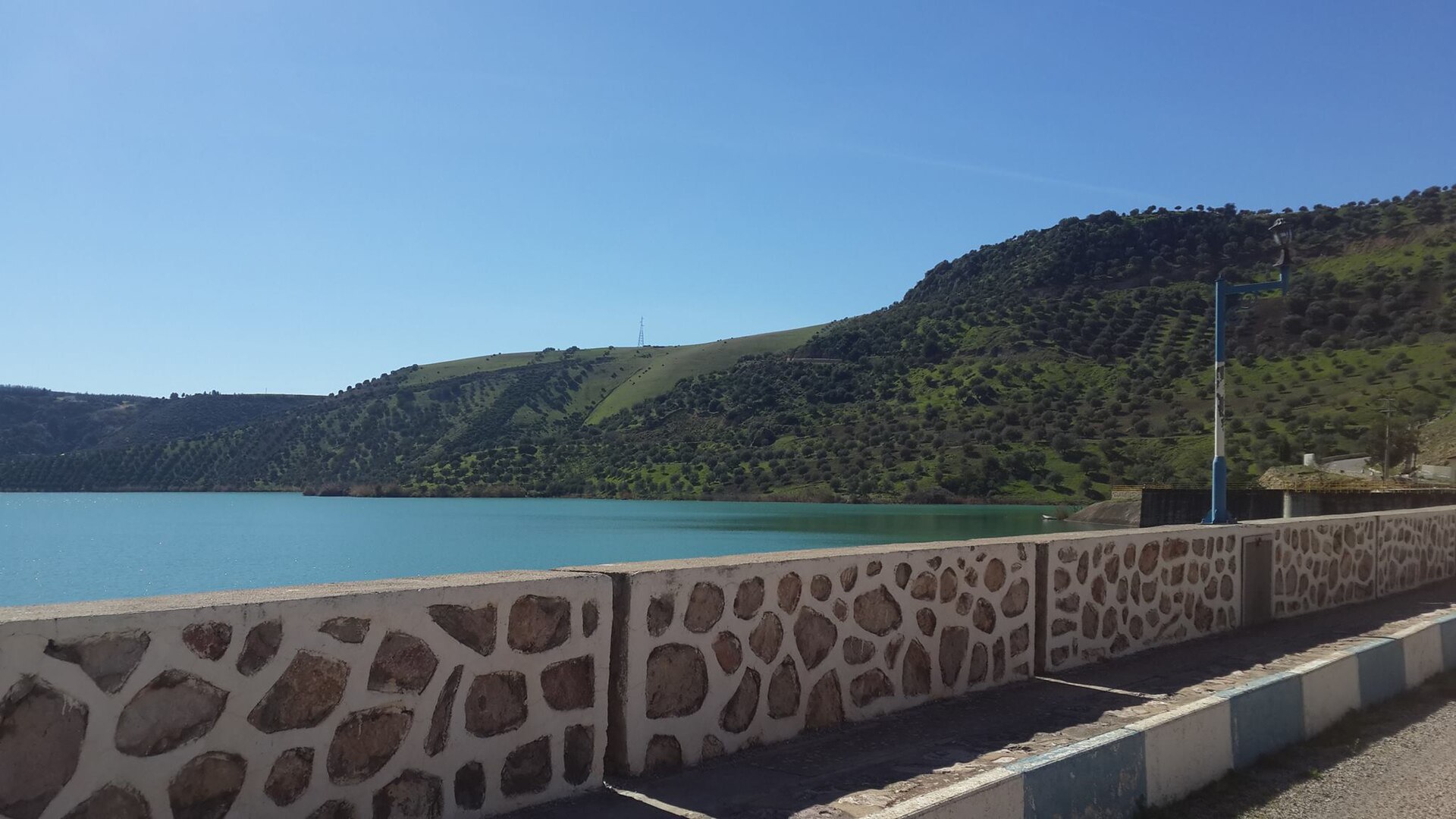
The dam is located in southeastern Morocco in a region the paper describes as “a semi-arid site affected by high solar irradiation and significant water stress.” It adds that land constraints facing ground-mounted solar plants in Morocco and the country’s structural water stress, exacerbated by high evaporation rates in its hydroelectric reservoirs, makes floating PV on dam reservoirs relevant from both energy and water perspectives.