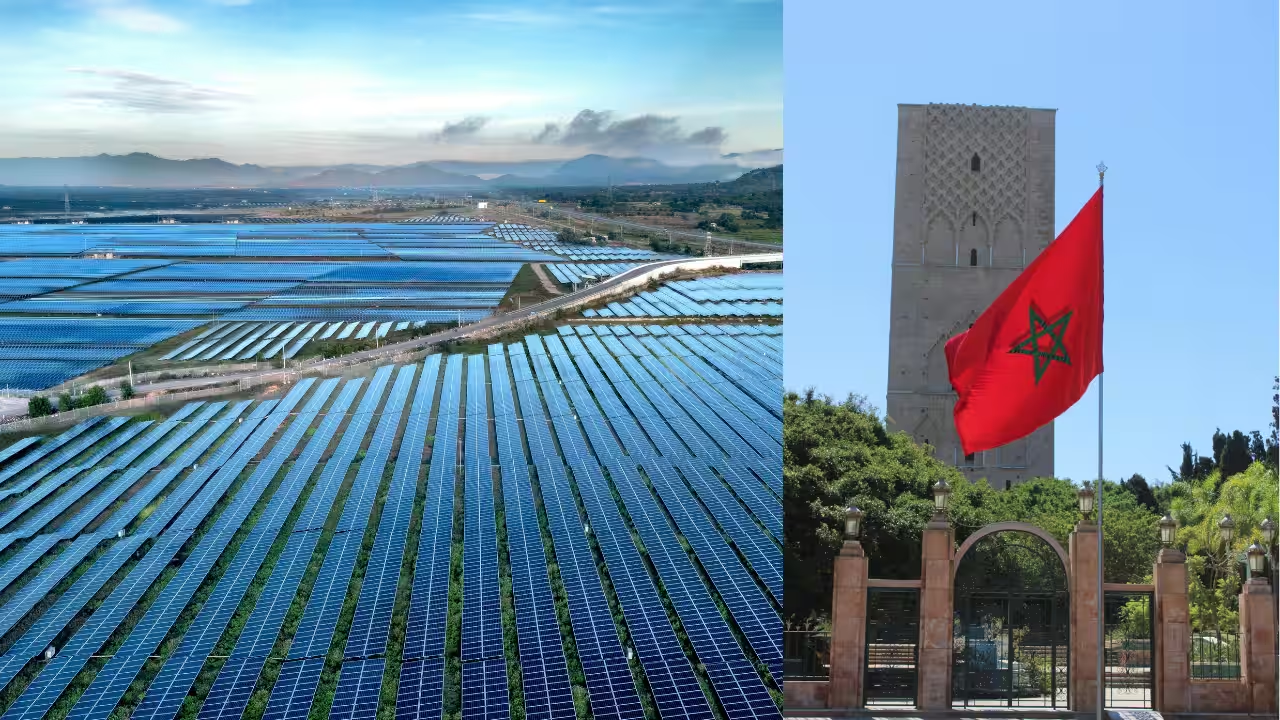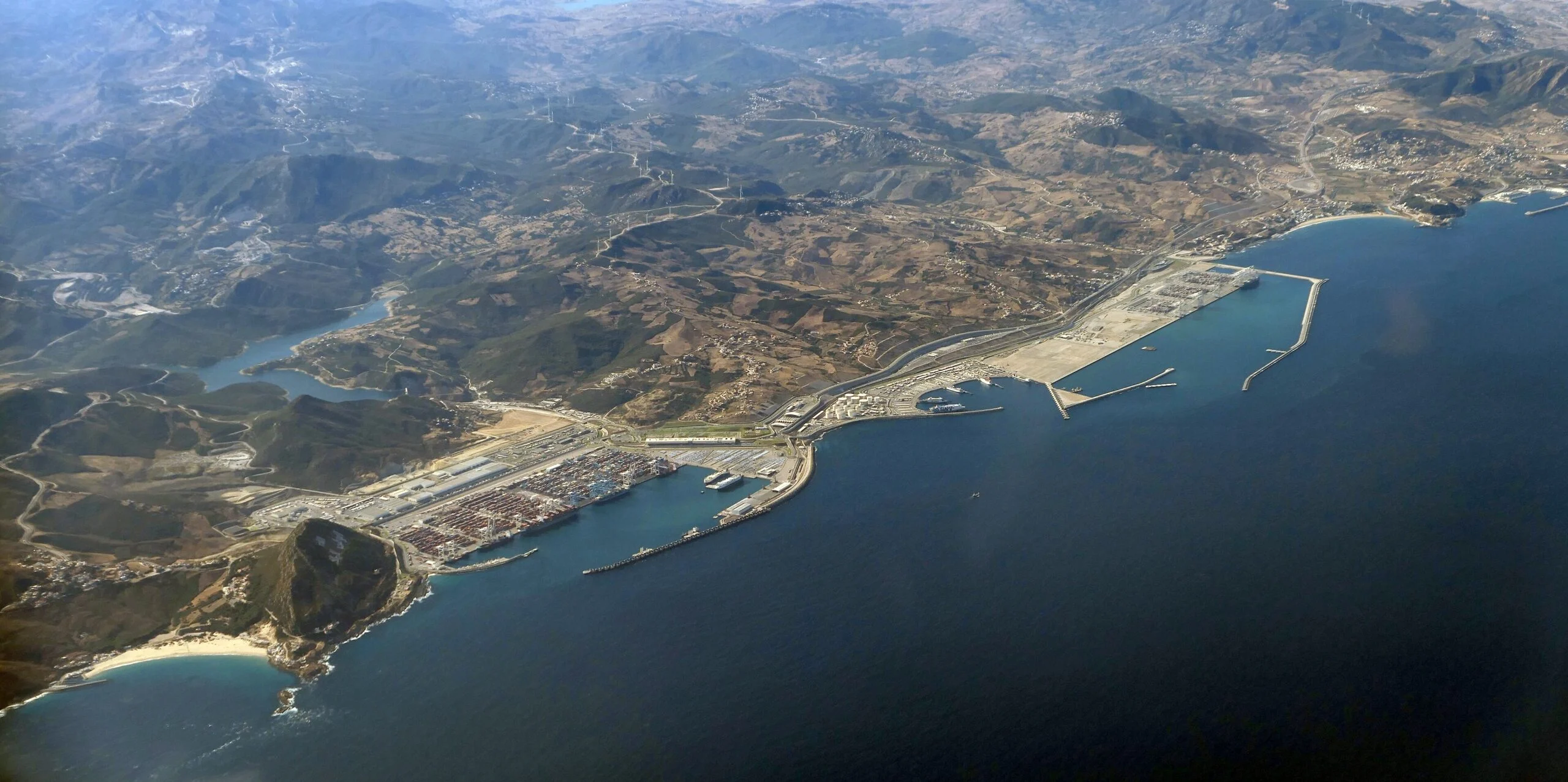
Morocco is rapidly becoming a renewable energy powerhouse thanks to its favourable weather conditions and proximity to Europe. The North African country has rapidly developed its solar energy sector and is now looking to become a major green hydrogen and sustainable shipping hub.Morocco has long been heavily dependent on fossil fuel imports and continues to use coal to produce around 60 percent of its electricity. However, in recent years, it has been working to develop its renewable energy sources, with high levels of private investment in the sector supporting these efforts. The growth in the country’s green energy capacity is expected to help it tackle energy price volatility. The Moroccan government aims to achieve a 52 percent renewable energy share in the electricity mix by 2030 and 70 percent by 2050.By the end of 2025, Morocco had an estimated 5.5 GW of operational renewable energy capacity, accounting for 45.4 percent of Morocco’s total installed capacity. This includes 2.1 GW of hydropower, 2.4 GW of wind power, and 961 MW of solar installations. In previous decades, Morocco has focused on expanding its wind power; however, with significant interest in the country’s solar sector, its solar power capacity is expected to rapidly increase in the coming years.Morocco is highly suited to solar power installations, with one of the highest solar insolation rates in the world, at over 3,000 hours of sunshine per year. The North African country’s solar technology imports have risen by around 46 percent in the first quarter of 2026, demonstrating the growing interest in developing the sector.The Moroccan Agency for Sustainable Energy (MASEN) has authorised approximately 66 renewable energy projects with a combined capacity of 6 GW since 2021. MASEN and the national utility ONEE are now jointly planning to add around 4.4 GW of renewable capacity by 2030, including 2.5 GW of new solar installations and 1.9 GW of new wind capacity. This will be achieved with support from private investors. Law 13-09, enacted in 2009, opened Morocco’s market to private developers, allowing them to develop renewable plants and sell electricity directly to consumers via the national grid.Saudi Arabia's renewables developer ACWA Power has been awarded the Noor Midelt II and Noor Midelt III solar projects, each with a 400 MW capacity and a 602 MWh battery capacity. France’s EDF, Masdar, and Green of Africa were selected to construct the first stage – an 800-MW complex incorporating both PV and concentrated solar power (CSP) technologies.In May, the Chinese Jinko Solar company announced plans to develop a 90 MW power plant project in Morocco. It will use Tiger Neo 3.0 modules that are designed for hot, extreme summer heat regions. The modules have advanced resistance to dust and sand, making them suitable for deployment in the country’s desert regions.Morocco has attracted high levels of private investment in its solar sector, largely thanks to its proximity to Europe, as several countries aim to import clean solar power from the North African country, which is better suited to solar energy production. Several European powers are now looking to diversify their energy mixes more rapidly, as they have reduced reliance on Russian energy following Moscow’s invasion of Ukraine in 2022, and due to ongoing geopolitical issues affecting energy trade.In addition to expanding its solar and wind power capacity, Morocco is aiming to become a global leader in green shipping. Global shipping contributes roughly 3 percent of total human-caused greenhouse gas emissions annually, a figure that is expected to rise as international trade continues to increase unless more is done to decarbonise the sector.One of the most promising methods to reduce shipping emissions is the replacement of traditional shipping fuels with green hydrogen. Several factors make Morocco attractive to green hydrogen developers, including its advantageous geographic position, abundant renewable energy resources, and cost-effective hydrogen production potential.In 2025, a Moroccan government committee approved green hydrogen projects valued at $32.5 billion to produce ammonia, steel, and industrial fuel. The government hopes green hydrogen – produced by splitting water through electrolysis, using renewable energy – will help it meet its domestic energy goals as well as boost exports to the European Union.The Moroccan government’s strategic framework for developing the green hydrogen sector focuses closely on improving the country’s port infrastructure. One World Bank study analyses four key ports – Tanger Med, Mohammedia, Jorf Lasfar, and a port in the vicinity of Tan-Tan – that could all be vital to the success of Morocco’s green hydrogen ambitions. At present, Tanger Med, one of the world’s largest container ports, handles around 1.5 million tonnes of fossil-based bunker fuel every year. By shifting to green hydrogen, the port could provide a blueprint for other major ports to support more sustainable shipping practices.By Felicity Bradstock for Oilprice.comMore Top Reads From Oilprice.comSuriname Wants Two Wins From One Block: Gas Is Done, Oil Could FollowIndia's Energy Investment Set for Record $170 Billion in 2026Uniper Sees Gas Shortage in Winter If Storage Rates Don't Speed Up
Morocco Is Emerging as a Renewable Energy Superpower | OilPrice.com
Morocco is rapidly expanding its solar, wind, and green hydrogen industries to reduce energy imports, attract foreign investment, and position itself as a major supplier of clean energy and sustainable fuels to Europe.
823 words~4 min read