Morocco is emerging as a crucial piece of China’s global green industrial strategy, with Beijing increasingly turning to the North African country to strengthen supply chains, expand clean energy investments, and reduce exposure to geopolitical risks, according to new research from the Stimson Centre.
The Washington-based think tank said the partnership has taken on greater strategic importance as ongoing conflict in the Middle East forces governments and companies to rethink trade routes, energy security, and manufacturing networks.
China’s growing interest in Morocco reflects a convergence of ambitions. Rabat is seeking to accelerate its renewable energy transition and industrial development, while Beijing is looking for reliable overseas hubs to support its expanding green technology ecosystem.
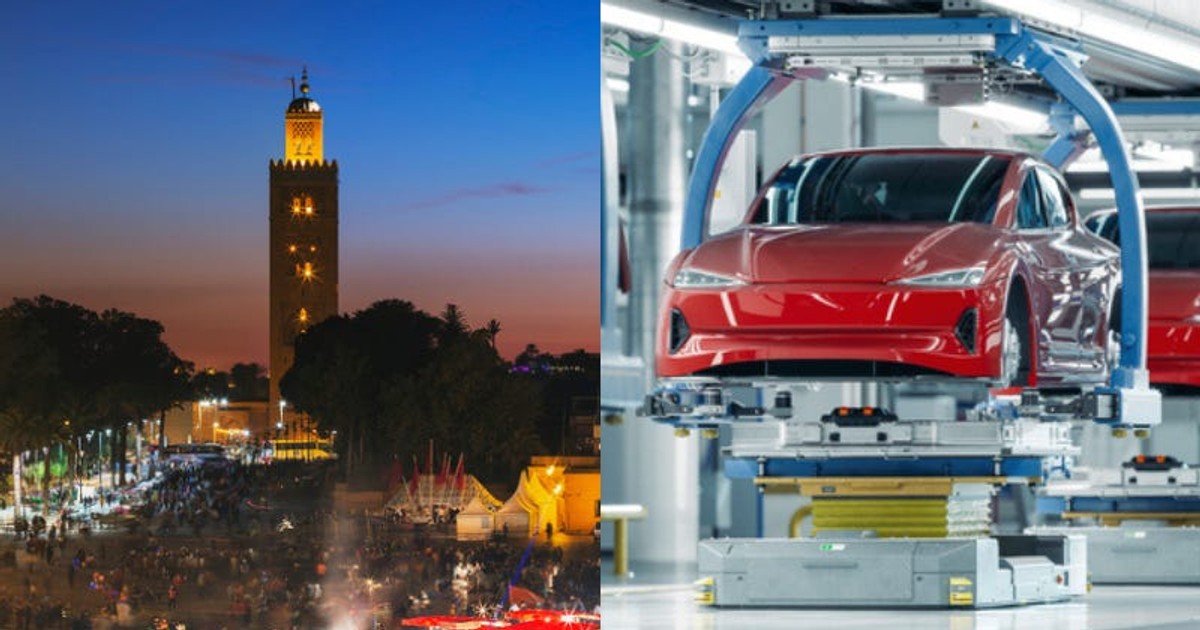
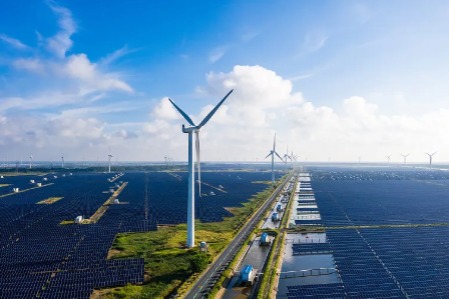
Since Morocco joined China’s Belt and Road Initiative in 2017, Chinese investment has increased across renewable energy, battery manufacturing, and electric vehicle supply chains. Chinese companies have secured stakes in major projects, including the Noor solar complex in Ouarzazate, while others are establishing manufacturing operations focused on batteries and EV components.
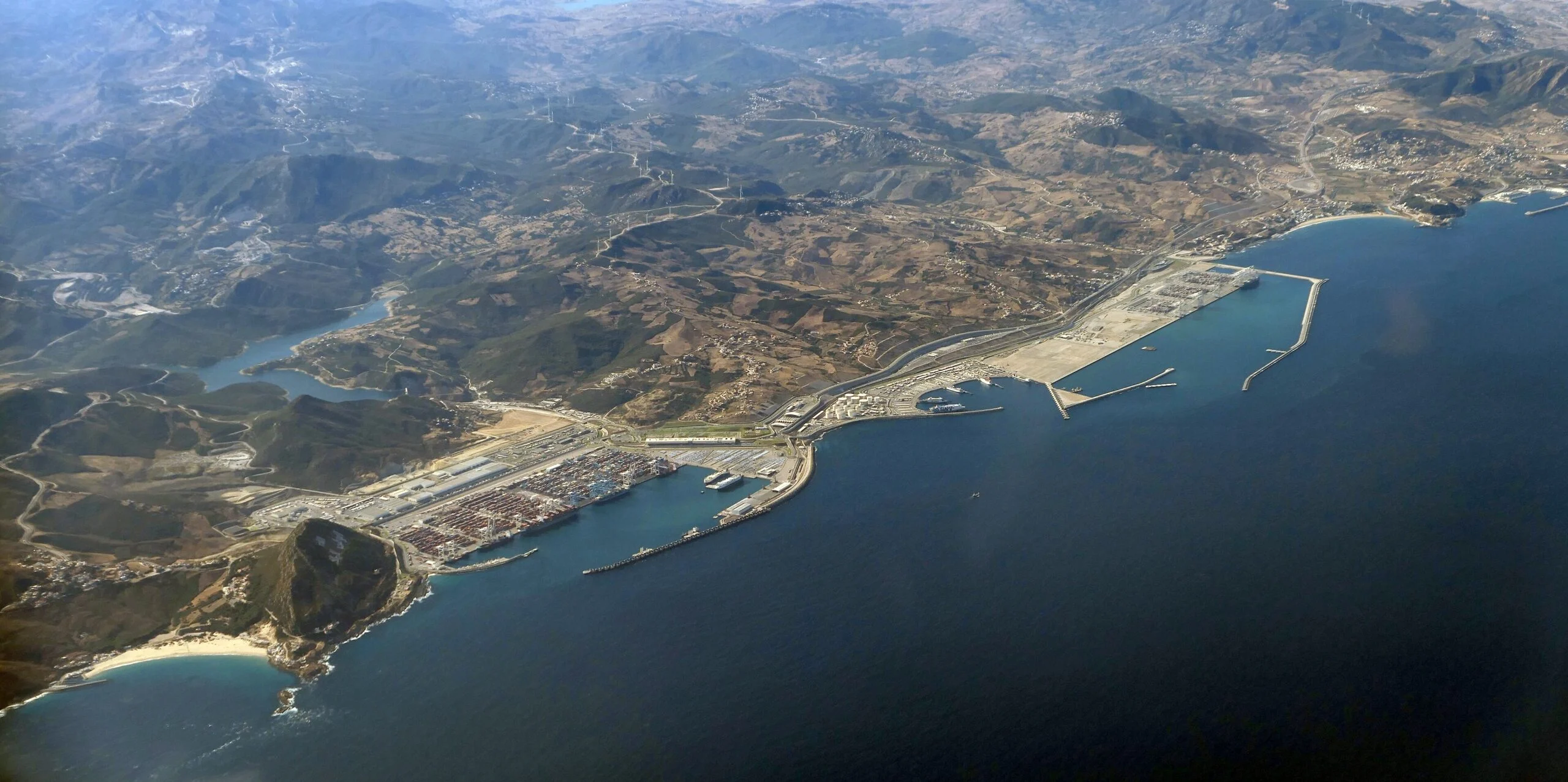
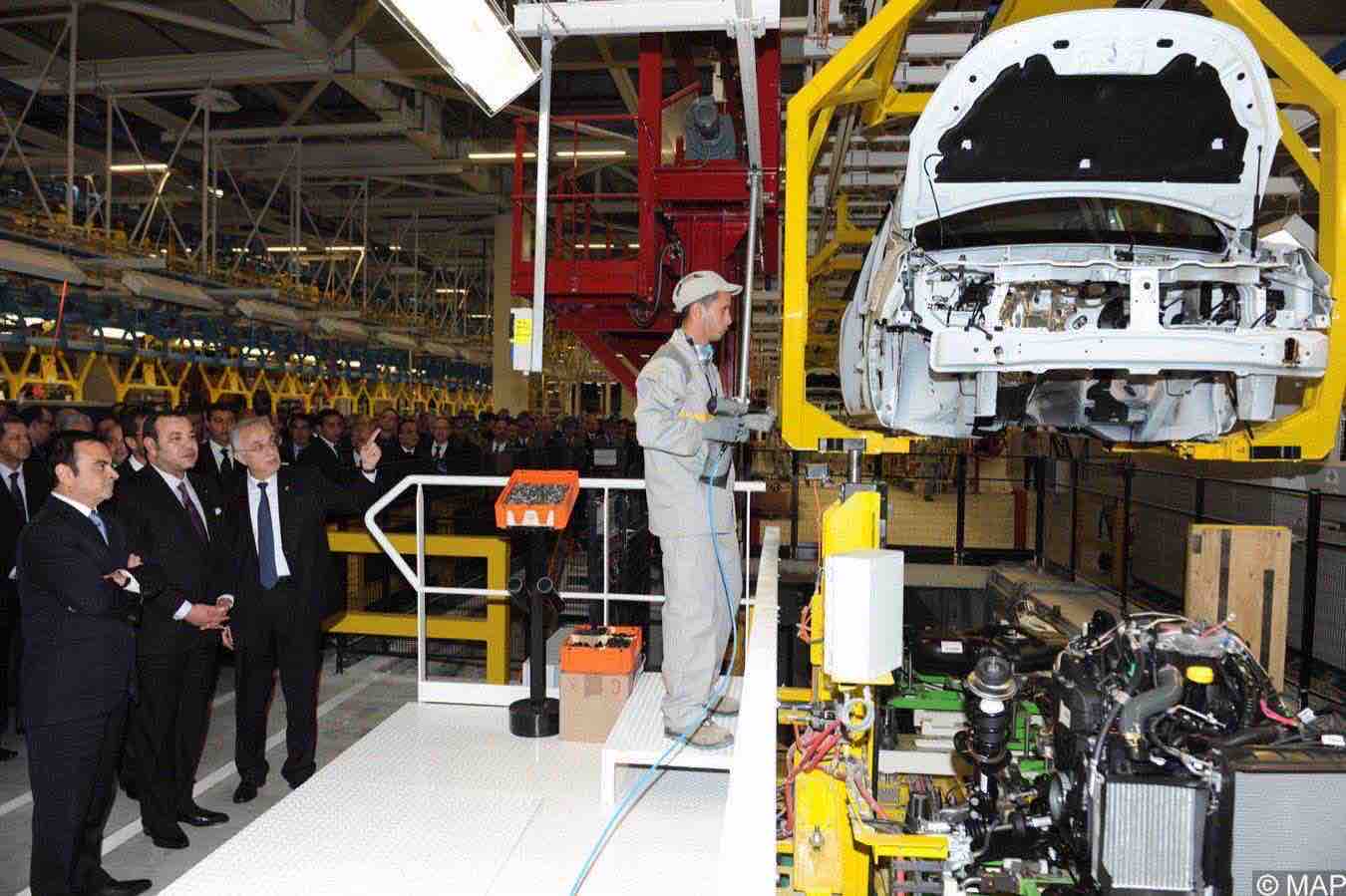
Morocco’s appeal extends beyond clean energy. The country holds some of the world’s largest phosphate reserves, boasts a well-developed automotive sector, and offers direct access to European markets. These advantages have helped attract Chinese firms searching for production bases closer to Europe.