Researchers in Spain found that hydraulic storage can be more cost-effective than batteries for photovoltaic irrigation systems, while combined storage maximizes self-sufficiency. The study shows that the optimal solution depends on whether the priority is reducing grid dependence or minimizing operating costs.
A research team from Spain’s CIRCE Technology Center has found that there is no single optimal energy management strategy for photovoltaic-powered irrigation systems.
The scientists explained that the best configuration depends on whether the main objective is to maximize energy self-sufficiency or reduce operating costs.
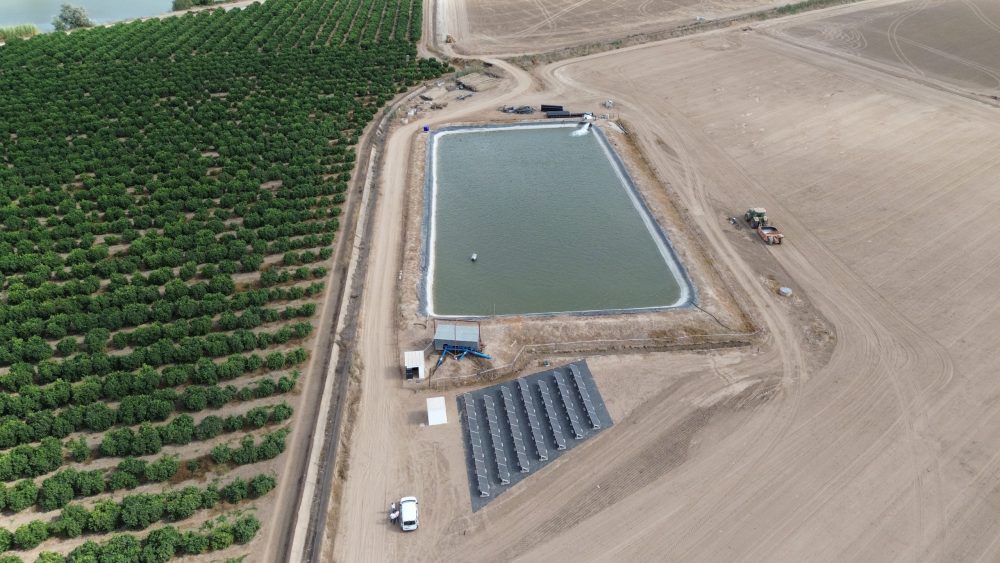
The study, conducted as part of the European HarvRESt project, examines a real irrigation system installed in a Spanish vineyard. The facility includes a 112 kW photovoltaic system and six irrigation pumps. Using a time-based optimization model over a one-year period, the researchers compared three energy management scenarios: battery storage, hydraulic storage through a water reservoir, and a combination of both technologies.
The original irrigation system used photovoltaic electricity either directly for pumping or exported surplus electricity to the grid through a compensation mechanism. It did not include any electrical or hydraulic storage capacity.