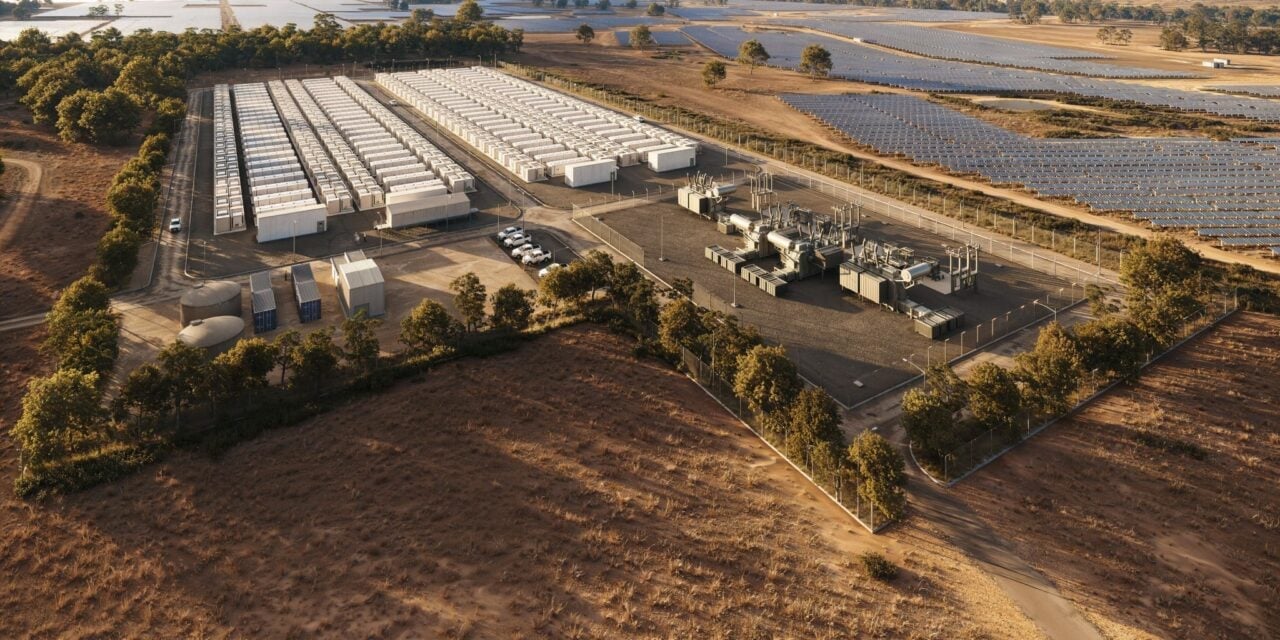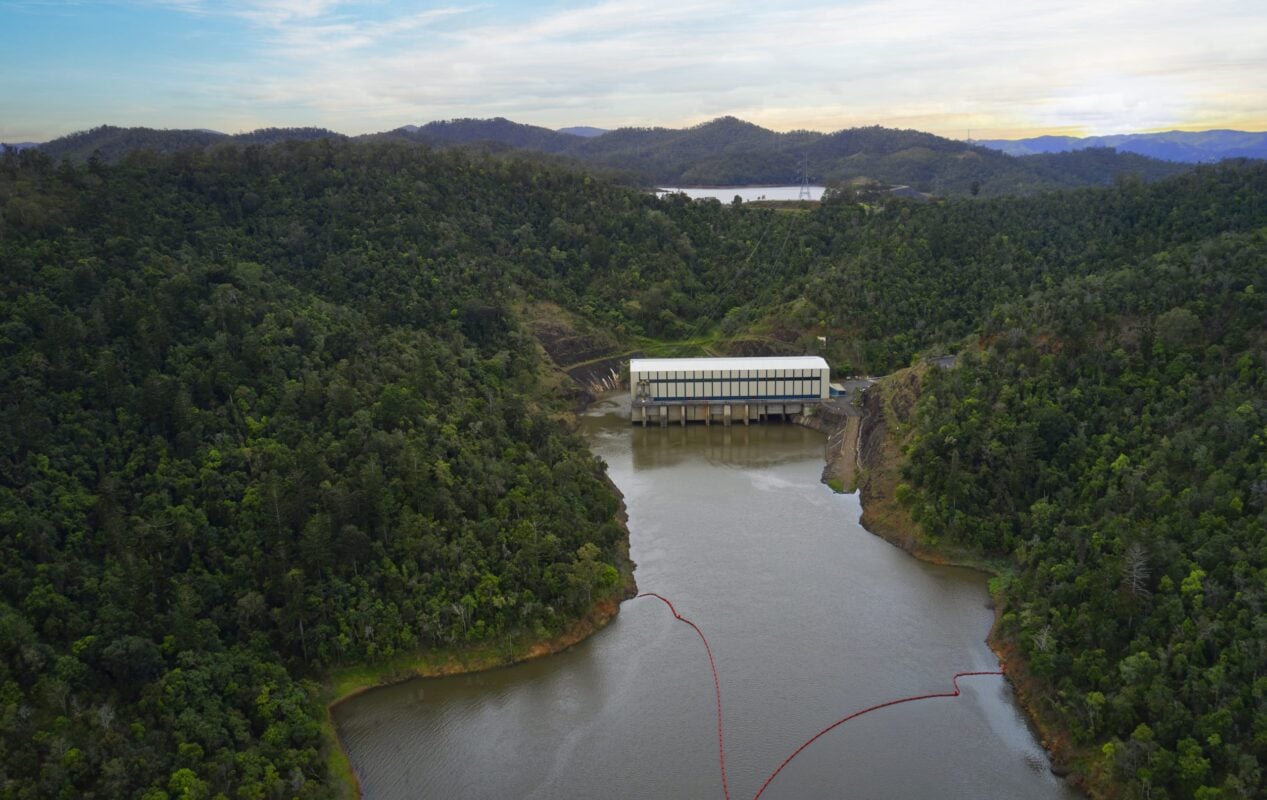
This divides the total project cost by 24 hours of storage, spreads it across a much larger energy base, which is why long-duration PHES appears more competitive on a per-kWh basis than short-duration battery storage systems, despite higher upfront costs.
Under all three of CSIRO’s global scenarios, Current Policies, Global NZE post 2050, and Global NZE by 2050, those costs are projected to rise further through to 2055 as construction and land costs escalate, with no meaningful offset from technology learning given PHES’s status as a mature technology.
By 2055, 24-hour PHES costs are projected to range from AU$5,745/kW to AU$6,166/kW, depending on the scenario, equivalent to AU$239-$257/kWh.
The report notes that PHES has a wider range of cost uncertainty than battery energy storage systems (BESS) owing to the greater influence of site-specific conditions, a factor that has proven costly in the Australian context.
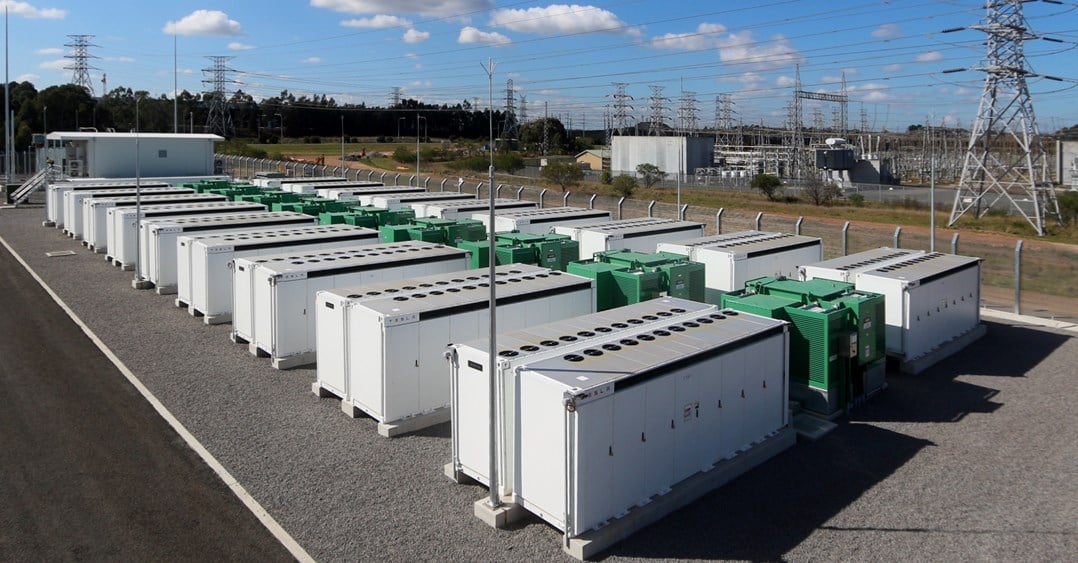
Battery storage tells a different story. As reported when the consultation draft was released in January 2026, battery costs fell 11-16% in 2025, depending on duration, taking them back below their pre-pandemic levels.