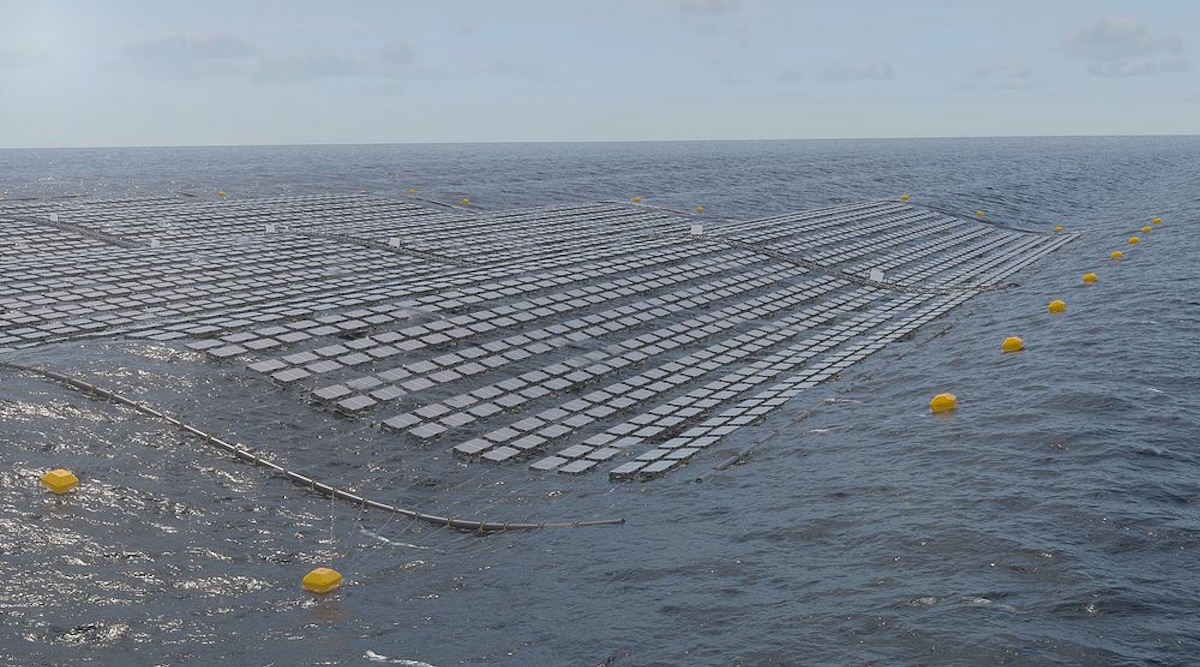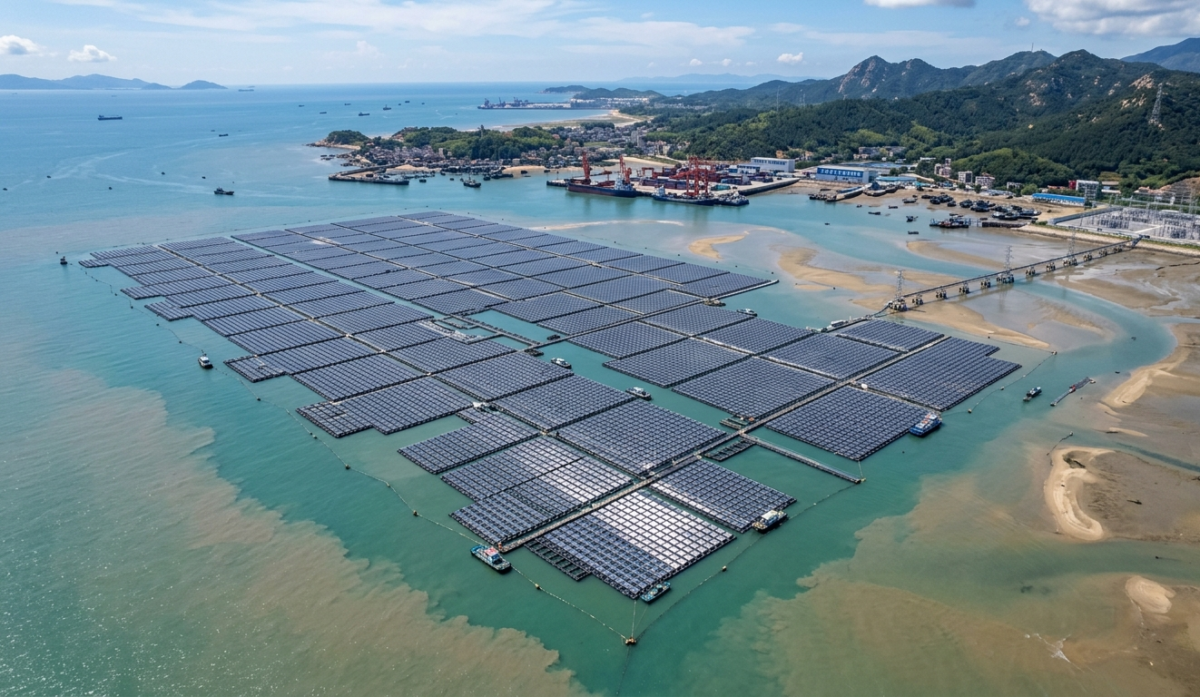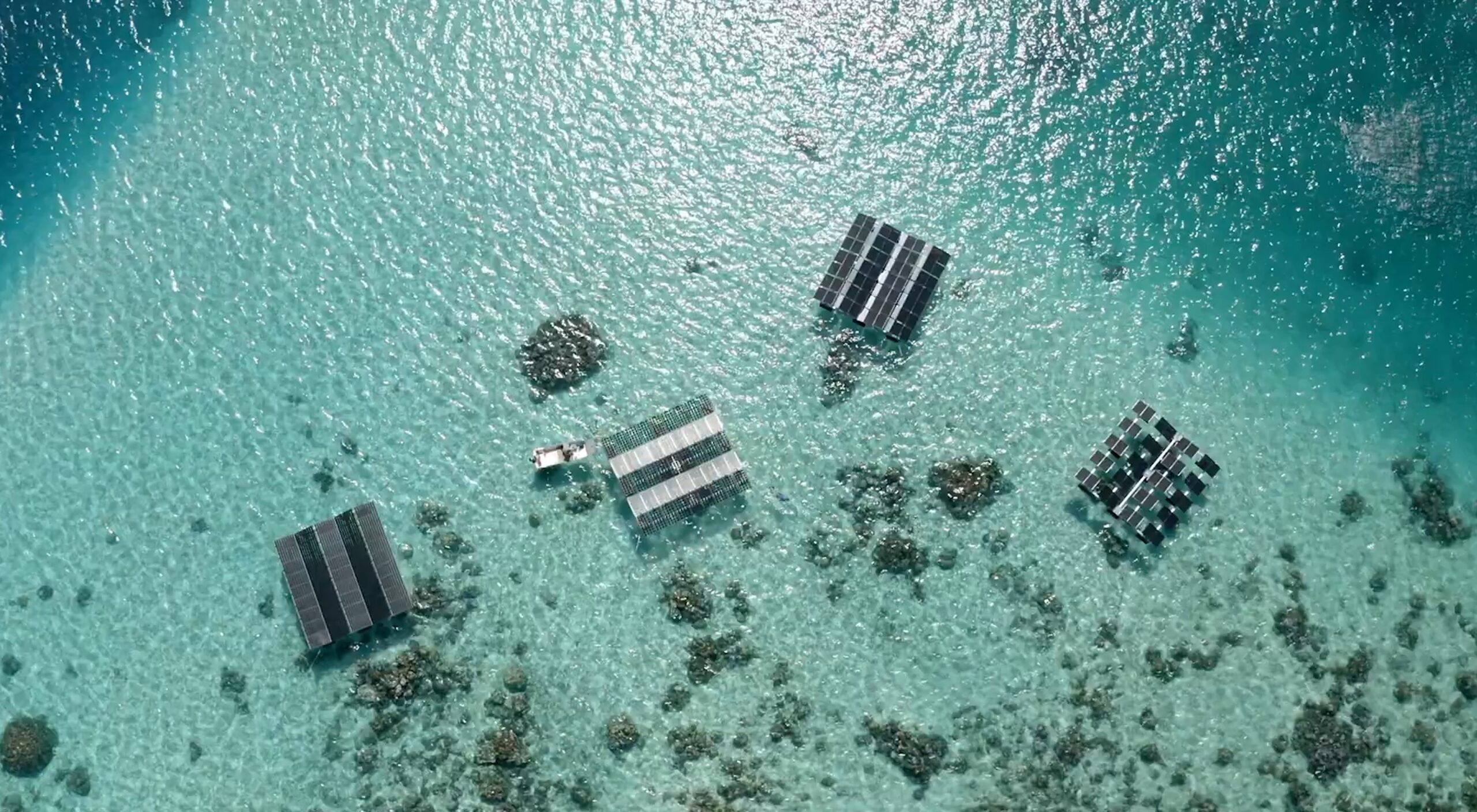
Researchers found that floating PV systems do not necessarily experience higher humidity-induced stress than ground-mounted systems, with climate conditions and system design often playing a larger role.
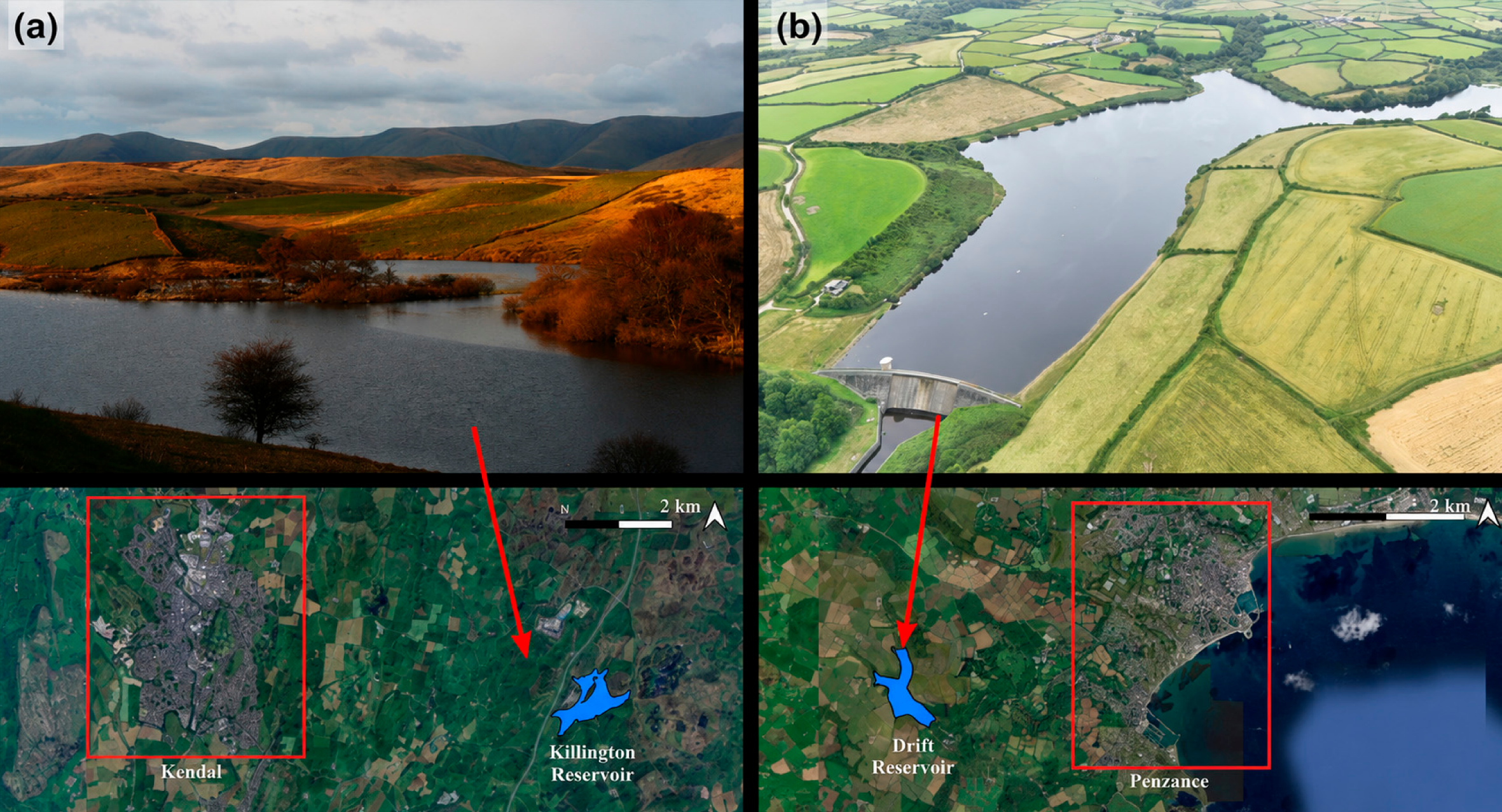
A global research team led by scientists from Norway has compared humidity-induced stress levels in floating and ground-mounted PV systems. The researchers analyzed multi-year meteorological datasets from seven inland water bodies and nearby land sites, using the data to calculate module temperatures, relative humidity (RH), and moisture ingress profiles.
“This work is the first study that systematically compares humidity-induced stress levels over water and land across different climates,” said corresponding author Nathan Roosloot to pv magazine. “In doing so, it addresses the existing knowledge gap on humidity-induced stress and degradation in floating PV (FPV) modules, and how these compare to humidity-induced stress and degradation in ground-mounted PV (GPV) modules.”
Roosloot added that such a study can “advance the understanding of FPV module reliability, providing important scientific background needed to develop FPV-specific testing protocols and/or material selection criteria – both imperative for the continued growth of the FPV market.”