French researchers have developed very-low-bandgap thermophotovoltaic cells with a barrier structure designed to suppress dark current and enable operation at higher temperatures. The cells showed more than tenfold improved performance over conventional devices at temperatures above 150 K, with a photovoltaic effect observed up to 273 K.
Researchers in France have developed very-low-bandgap thermophotovoltaic (TPV) cells featuring a barrier layer designed to suppress dark current. TPV, not to be confused with photovoltaic-thermal (PVT) technology, converts infrared (IR) radiation from heat sources directly into electricity using PV cells. Potential applications include thermal energy storage and the conversion of industrial process heat into electricity.
The technology has attracted scientific interest for decades because it can potentially capture a broader portion of the solar spectrum and has the technical potential to exceed the Shockley-Queisser limit of conventional photovoltaics. However, efficiencies reported to date have been too low for commercial viability, as TPV devices continue to suffer from optical and thermal losses.
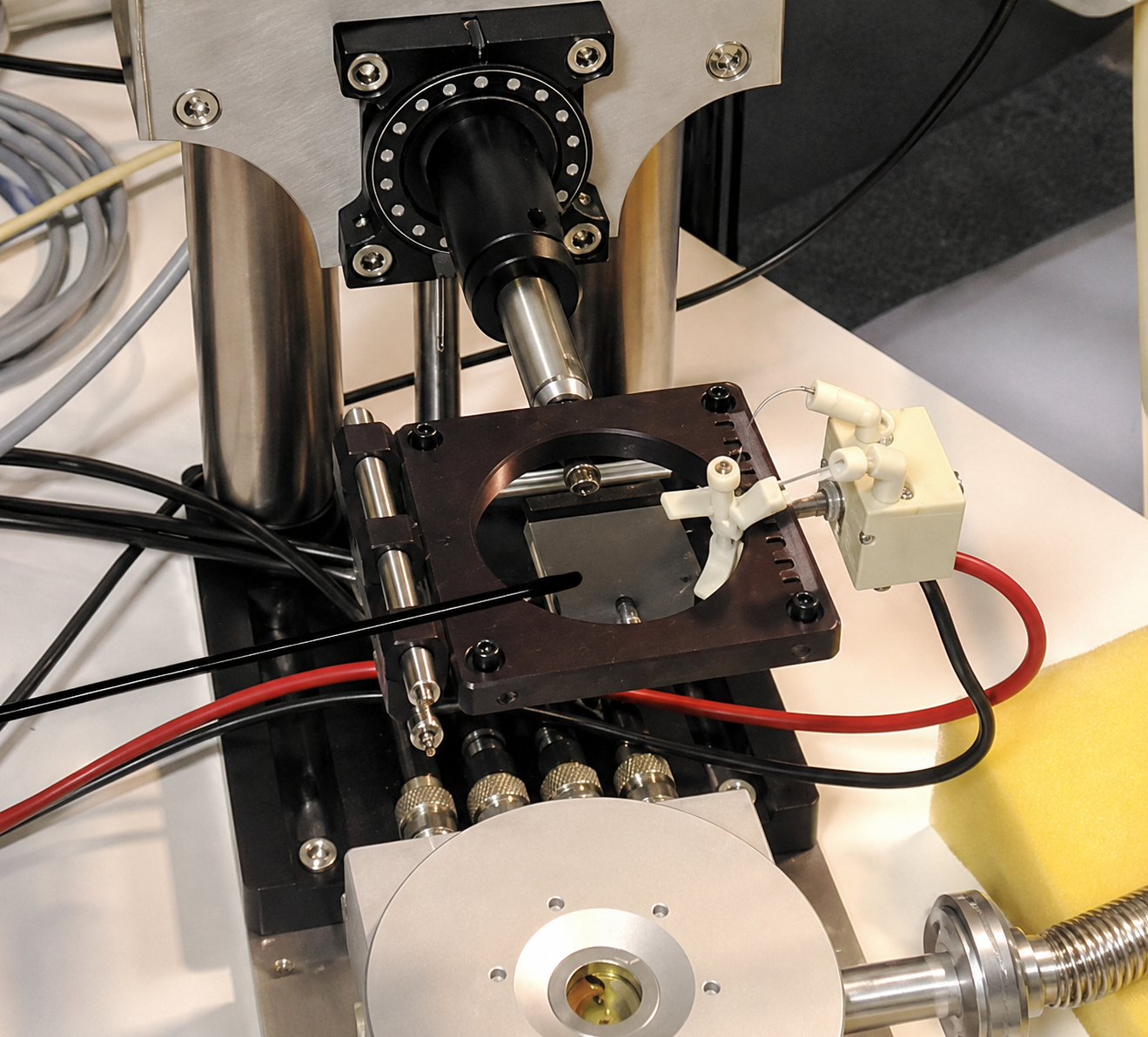
“Our work reports on the first fabrication and characterization of a very-low-bandgap TPV cell (0.23 eV at 200 K), made of an indium arsenide/indium arsenide antimonide (InAs/InAsSb) type-II superlattice absorber, which is the material now widely used for photodetectors,” corresponding author Rodolphe Vaillon told pv magazine. “In other words, we have transformed an IR photodetector into a TPV cell, capable of operating at higher temperatures than those usual for IR photodetectors.”