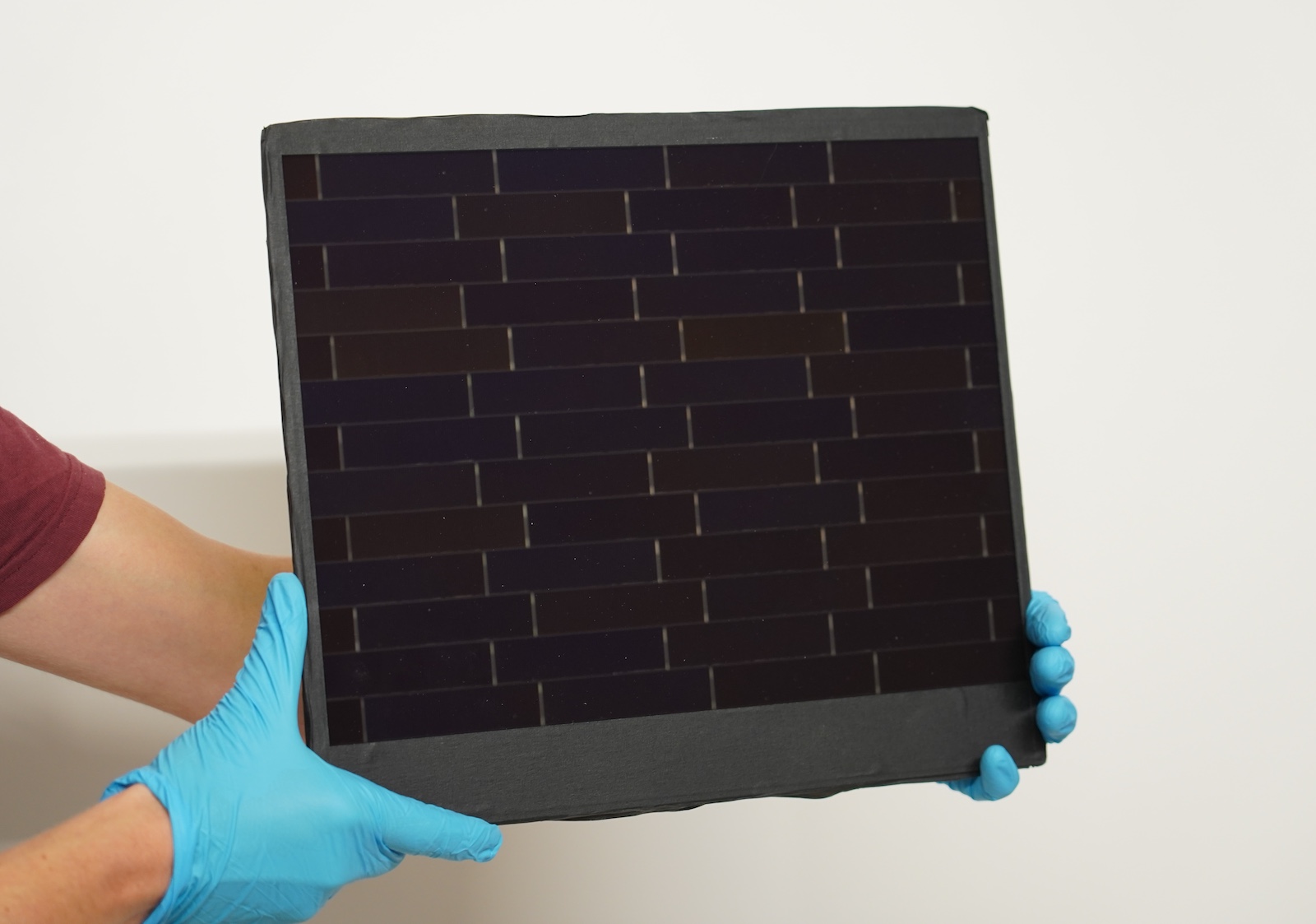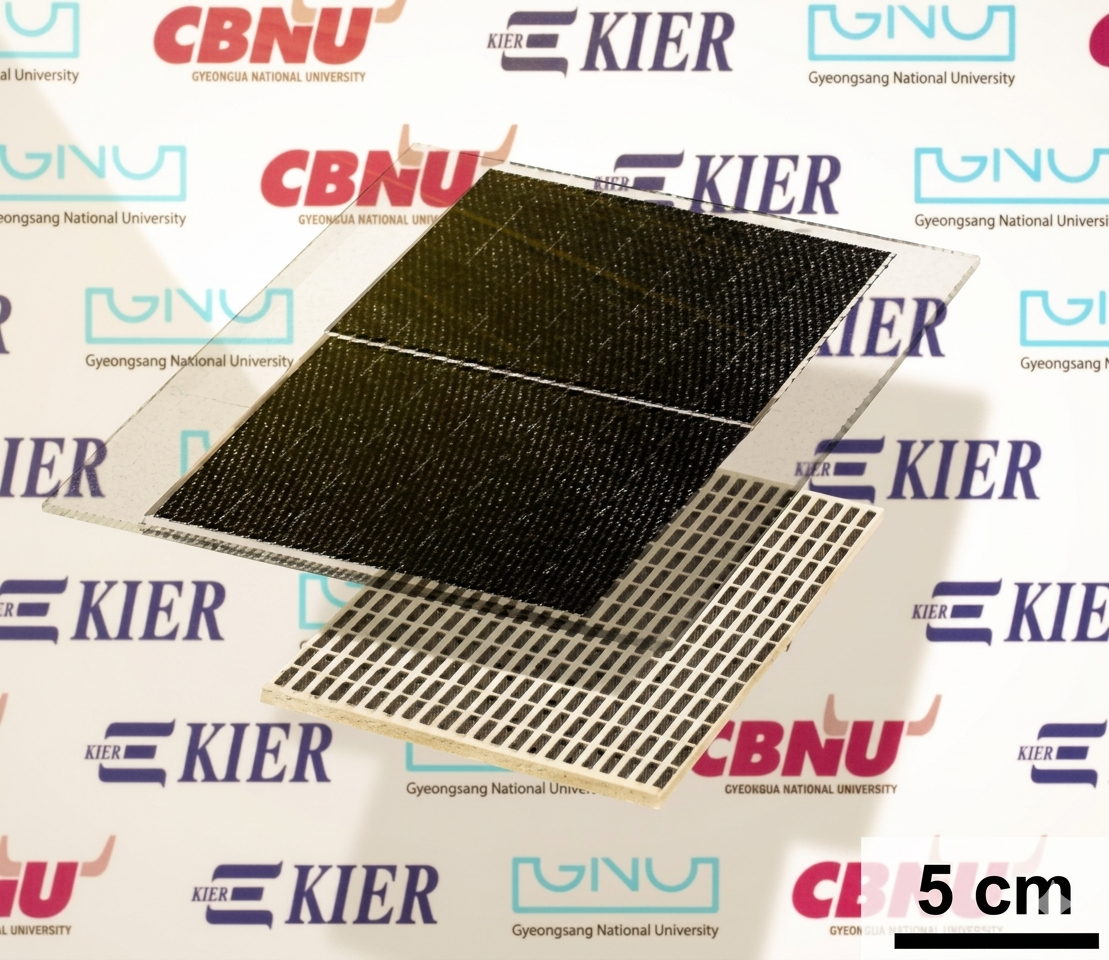
Researchers at the Korea Institute of Energy Research developed a shingled photovoltaic module designed for efficient integration with thermoelectric generators (TEGs) to harvest waste heat via the Seebeck effect.
The series-connected strip architecture enables high-voltage, low-current operation that reduces TEG resistance losses, achieving scalable, load-resilient PV–TEG systems with improved efficiency and reliability.
Researchers from the Korea Institute of Energy Research (KIER) have fabricated a shingled photovoltaic module that can be combined with thermoelectric generators (TEGs) and allow efficient PV–TEG waste-heat energy recovery.
TEGs can convert heat into electricity through the “Seebeck effect,” which occurs when a temperature difference between two different semiconductors produces a voltage difference between two substances. The devices are commonly used for industrial applications to convert excess heat into electricity. However, their high costs and limited performance have thus far limited their adoption on a broader scale.
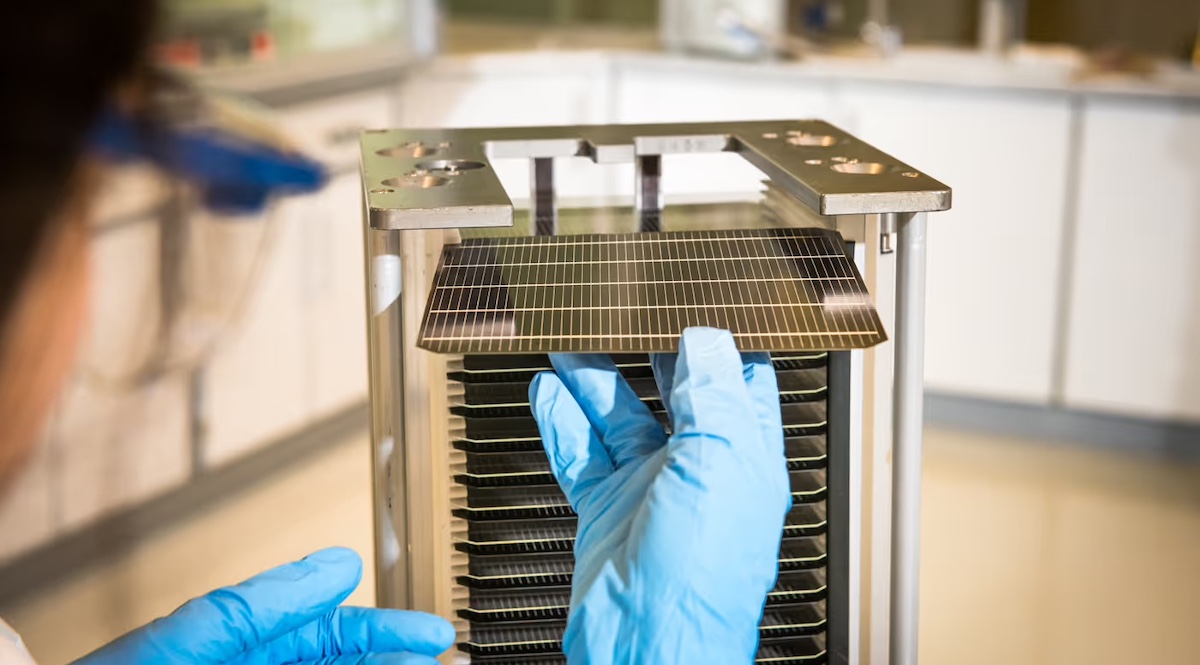
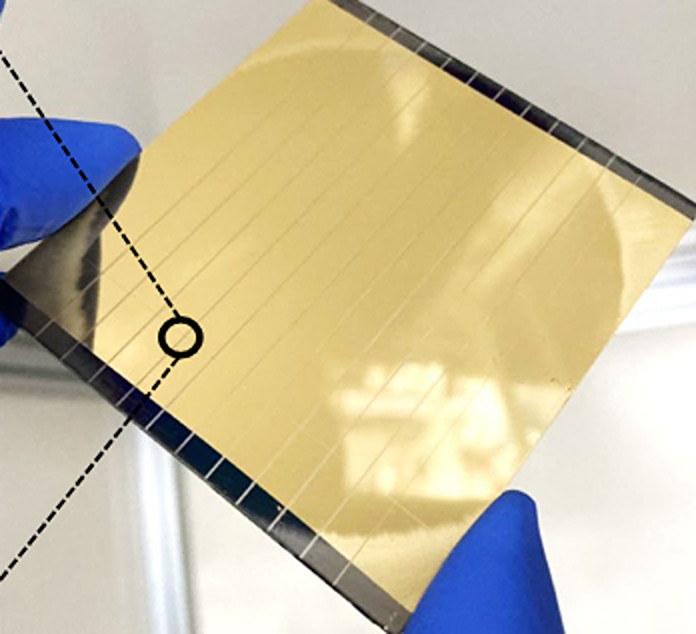
The shingled cell technology replaces conventional ribbon-based interconnections by connecting solar cell strips directly in series, which eliminates soldered ribbons. This design increases the active area available for light absorption while also reducing thermal and mechanical stresses within the module. As a result, it improves both efficiency and long-term reliability compared with standard interconnection approaches.