Research from Denmark finds using immersive virtual reality can help citizens understand the dual-use logic of agrivoltaics. Participants in the research evaluated agrivoltaics as greener, more innovative and at least as acceptable as conventional solar parks.
Using virtual reality (VR) to show citizens how future agrivoltaics projects will look and work can help increase understanding and acceptance, new research has found.
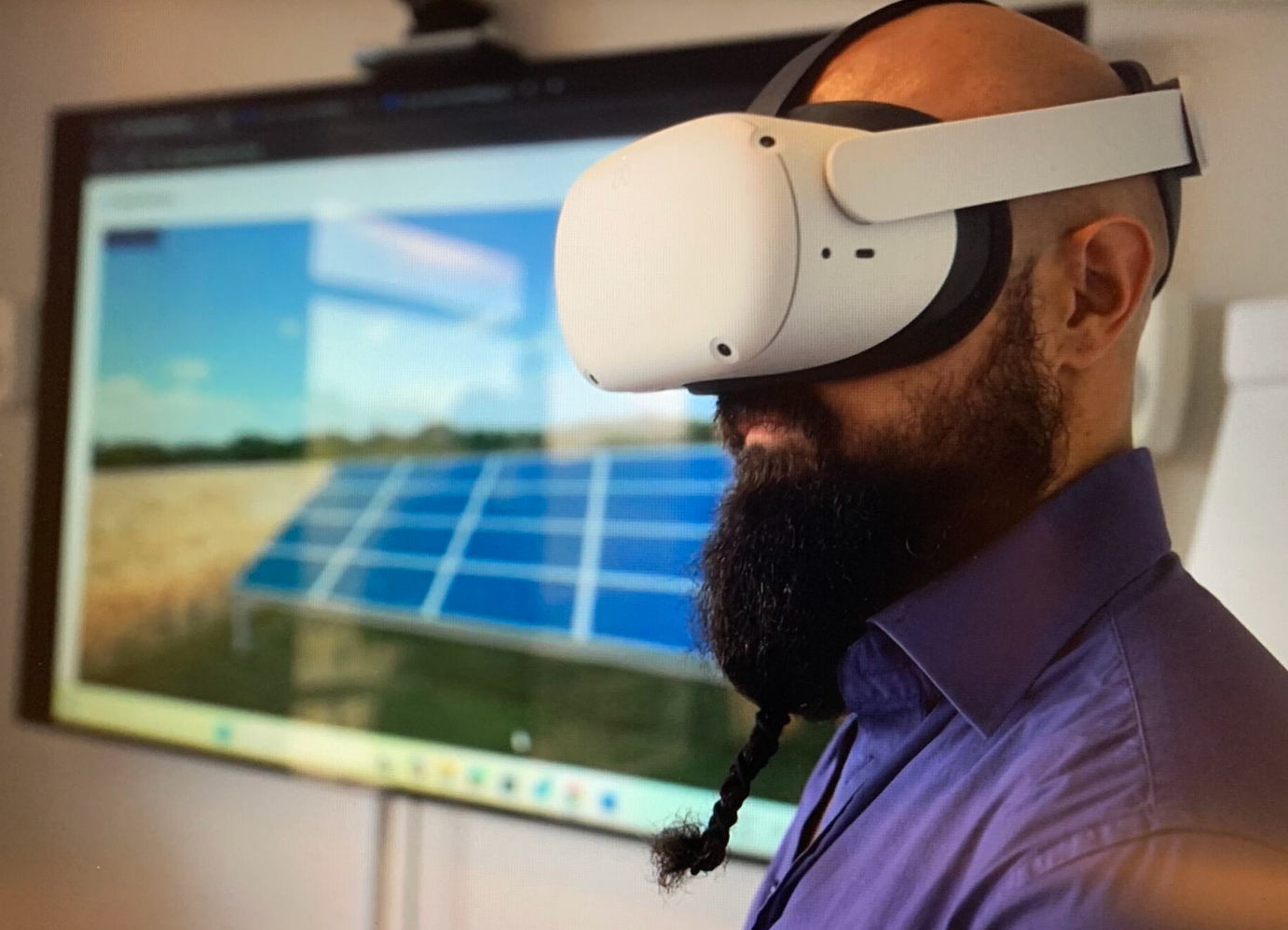
A research team at Aarhus University in Denmark used immersive virtual reality to examine how citizens evaluate agrivoltaic systems in comparison to conventional solar parks. Their findings are presented in the research paper Cognitive and affective reasoning about agrivoltaics: The influence of experiential engagement on perceived purpose and acceptance intentions, available in the journal Environmental Science & Policy.
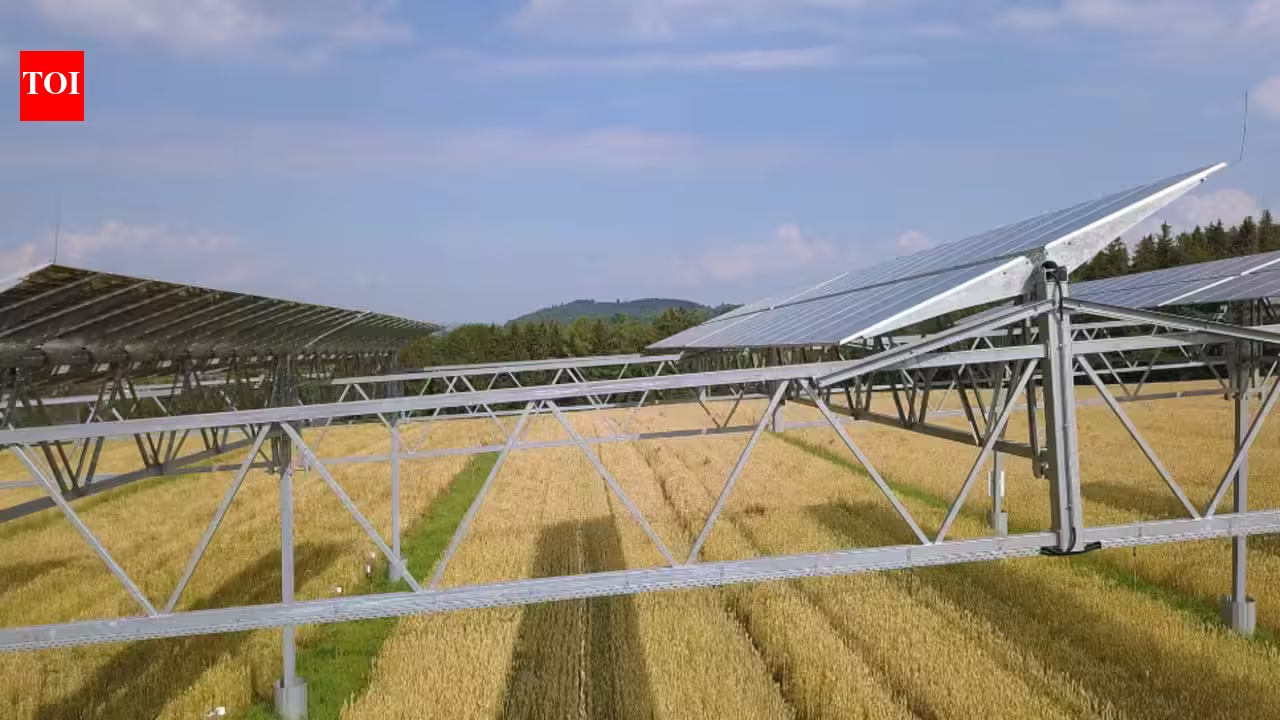
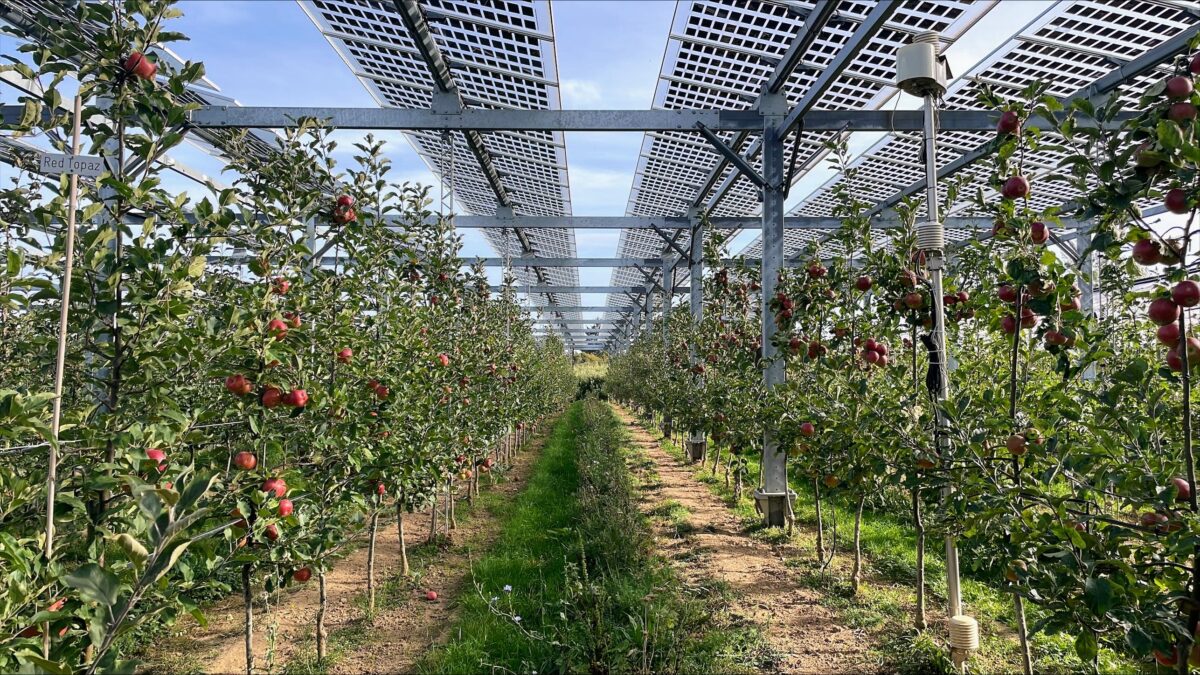
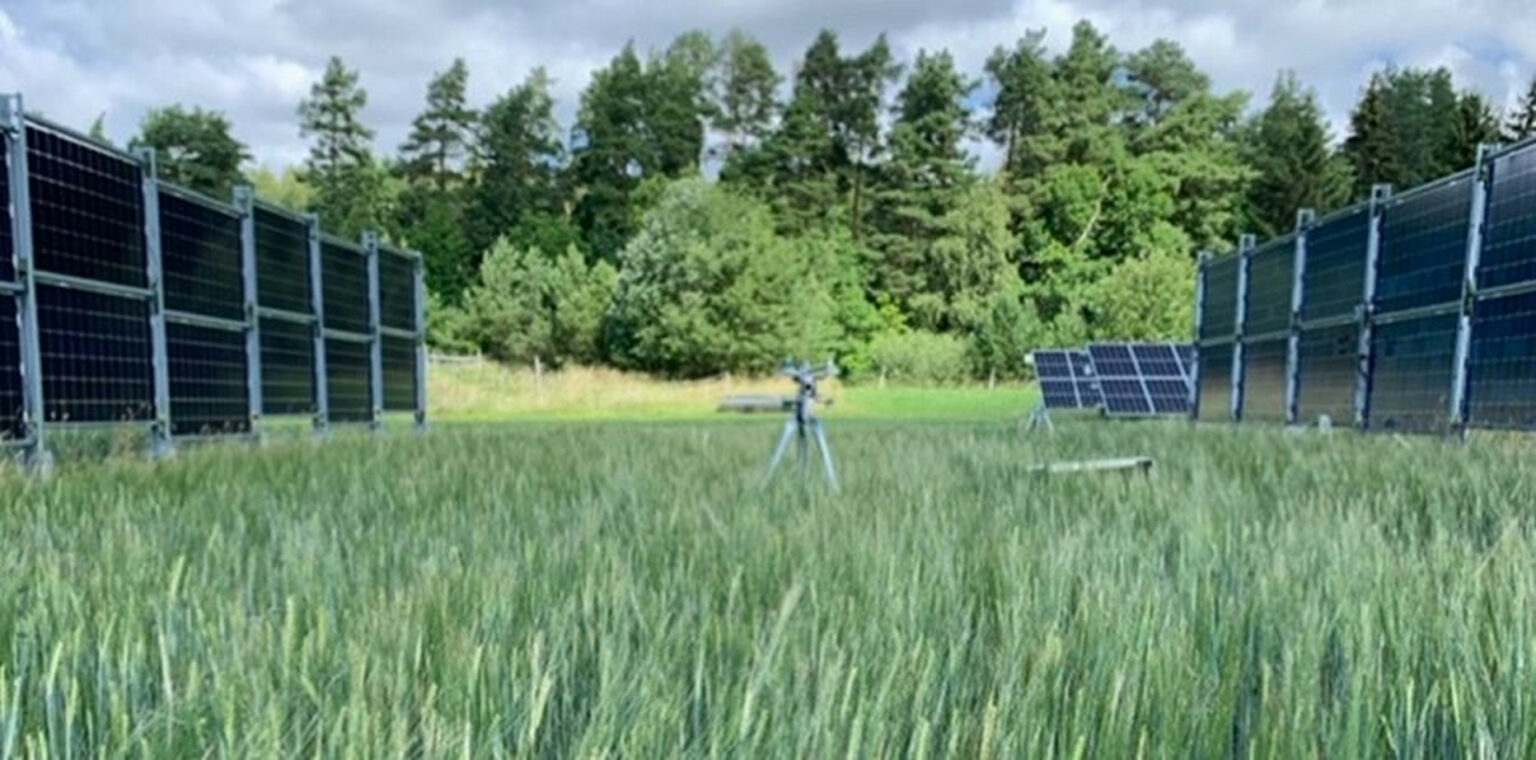
The team used VR to show 102 participants three solar configurations – one conventional solar park, a vertical agrivoltaic system, and a horizontal agrivoltaic system – from two standardized viewpoints, one approximately 50 metres away and another 2-3 metres away.
Participants were video recorded during the VR experiment to capture how their evaluations unfolded during exposure to the visualisation, while a pre- and post-VR survey assessed changes in perceptions and acceptance across each installation type.