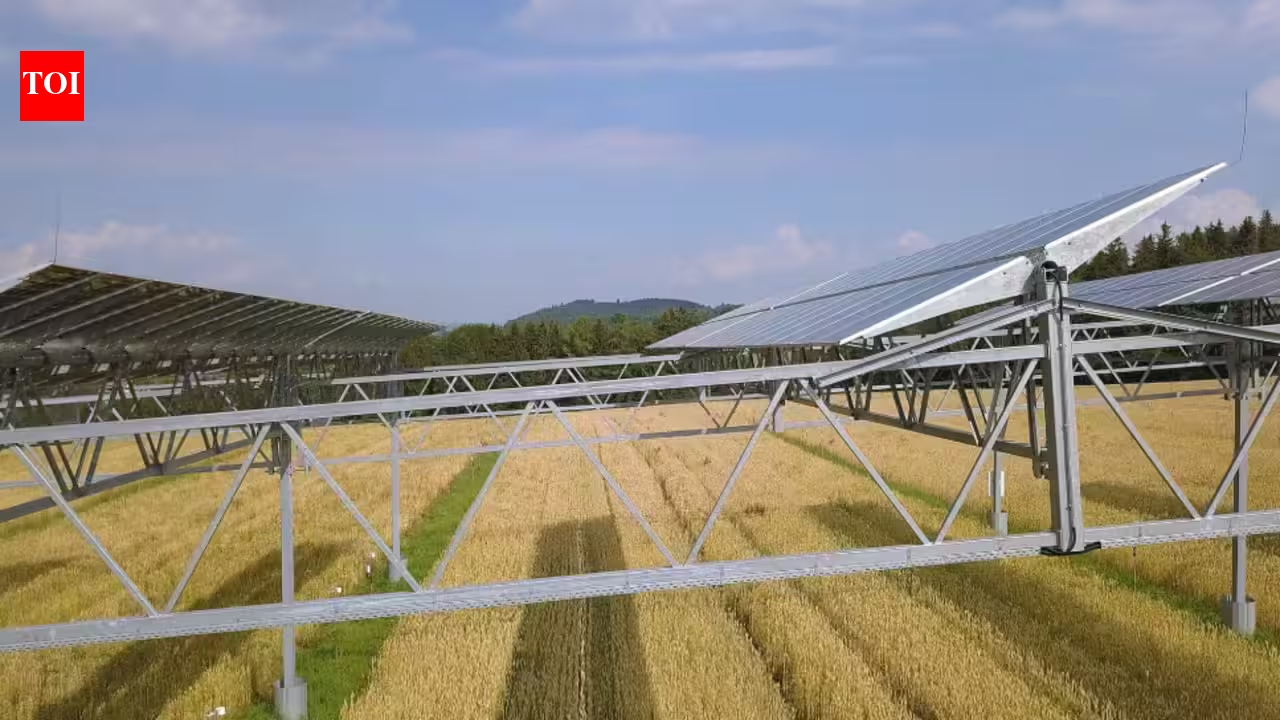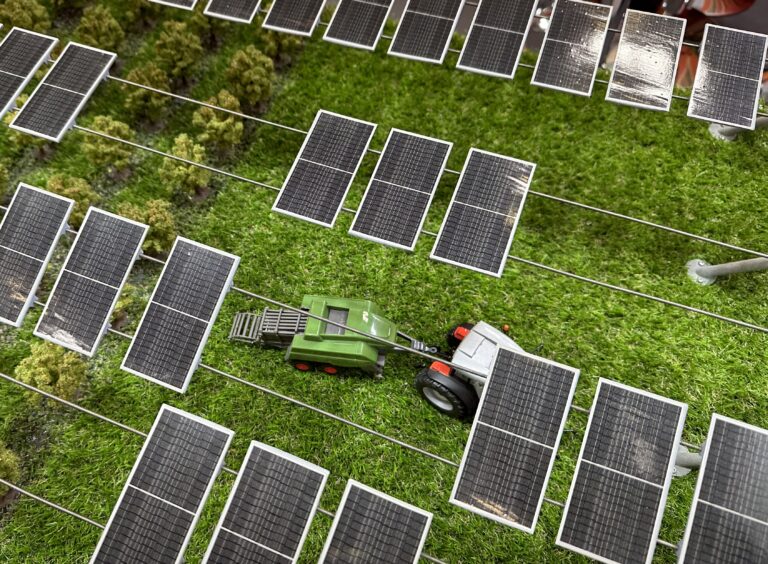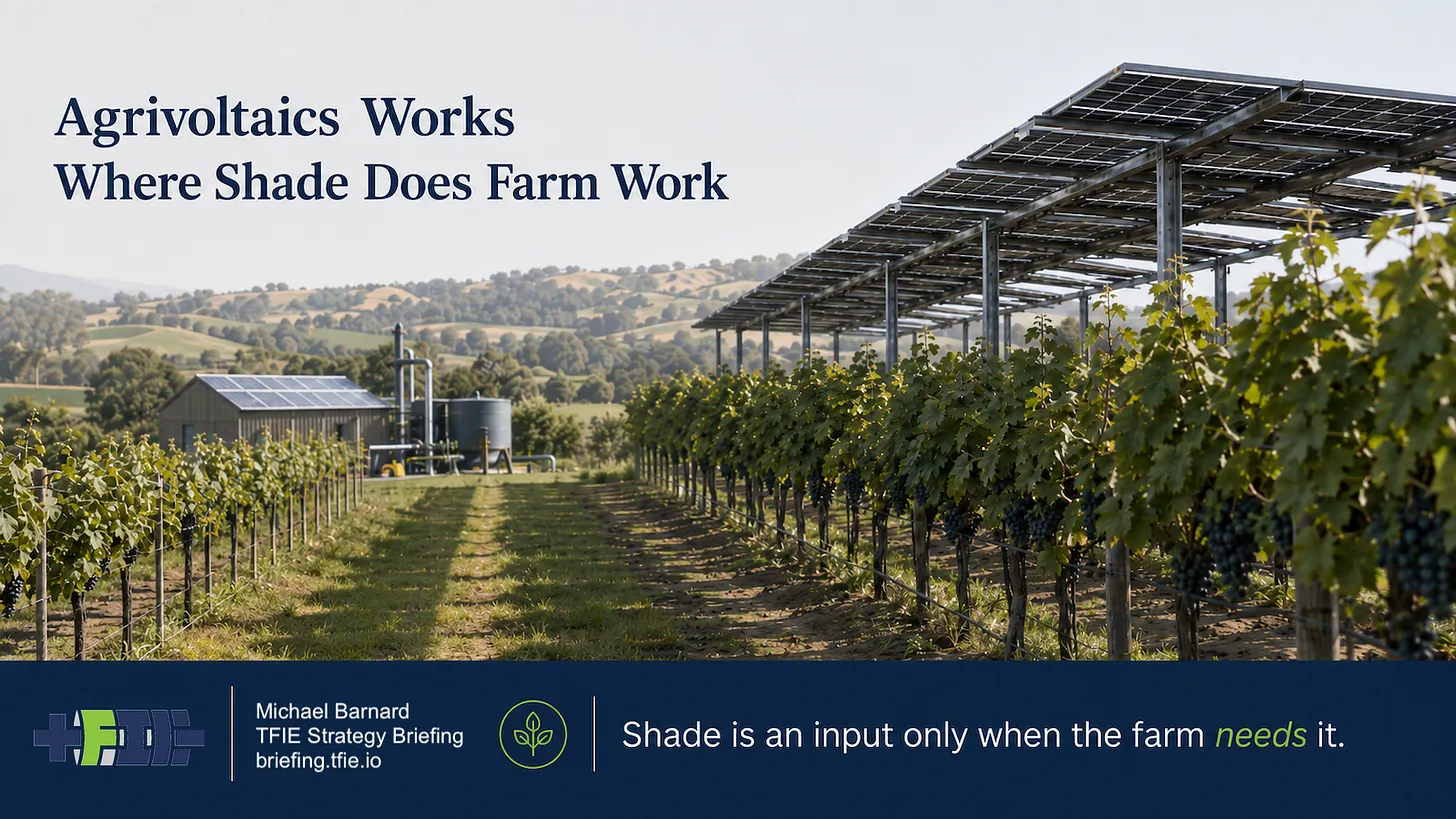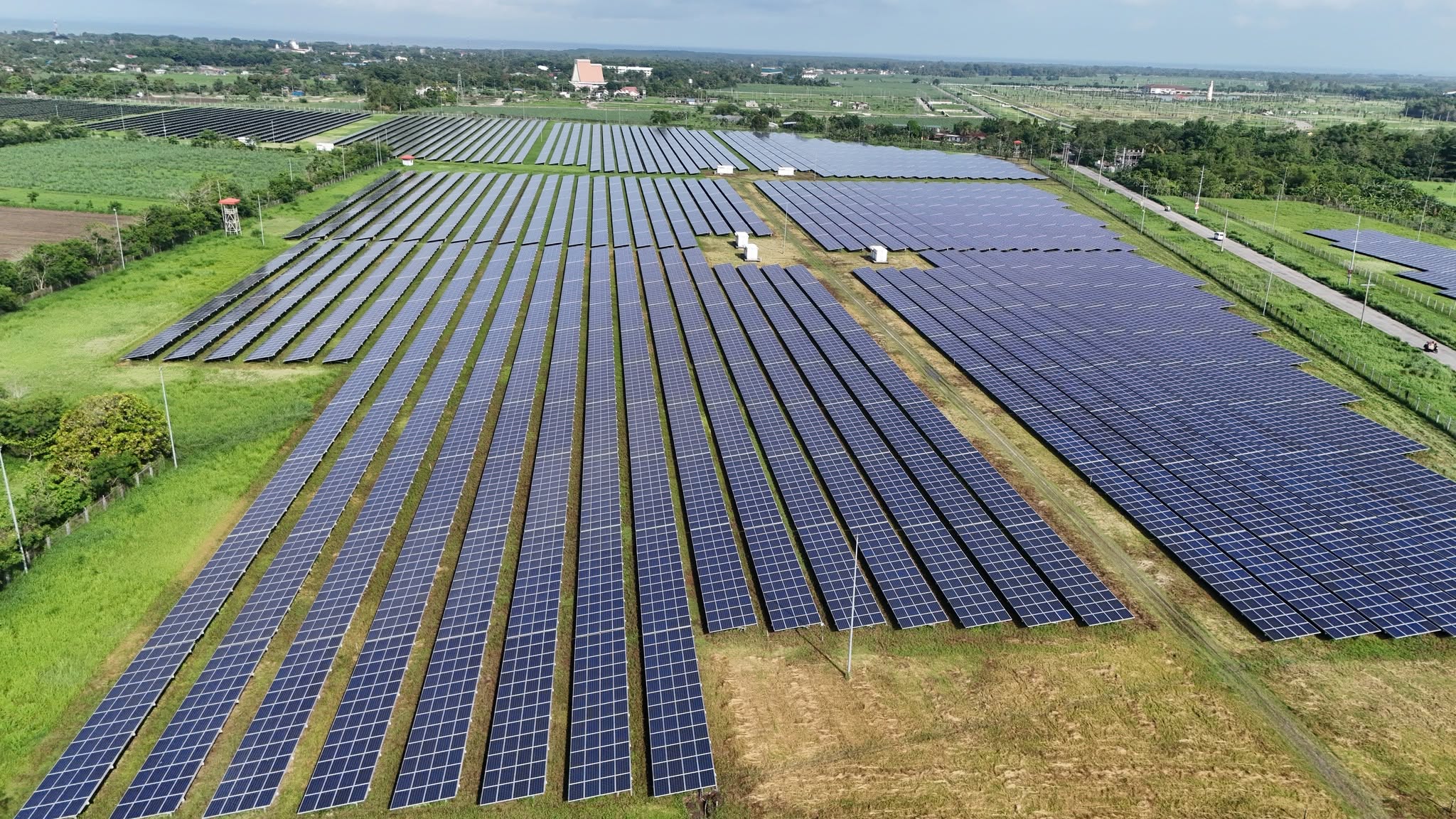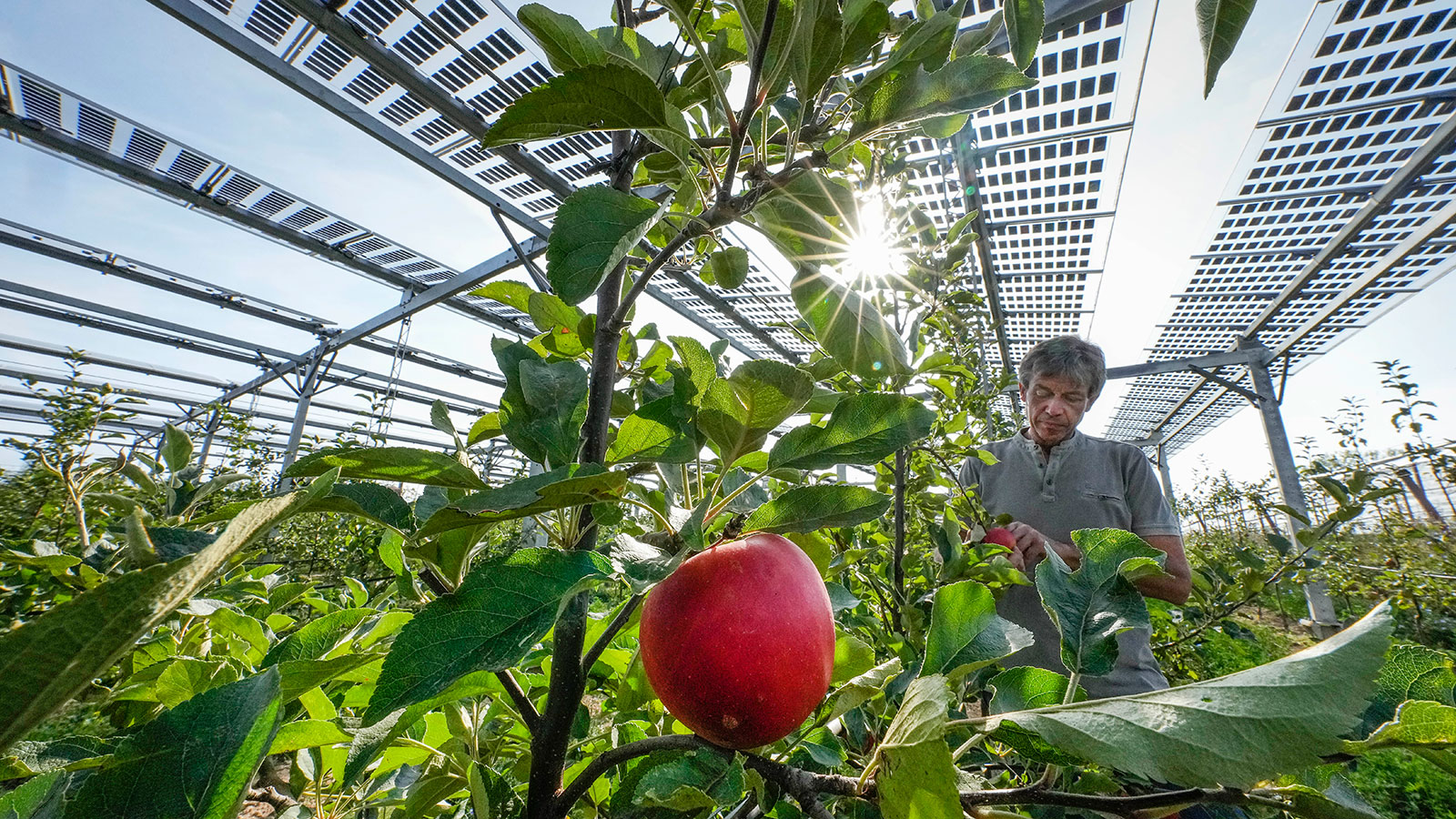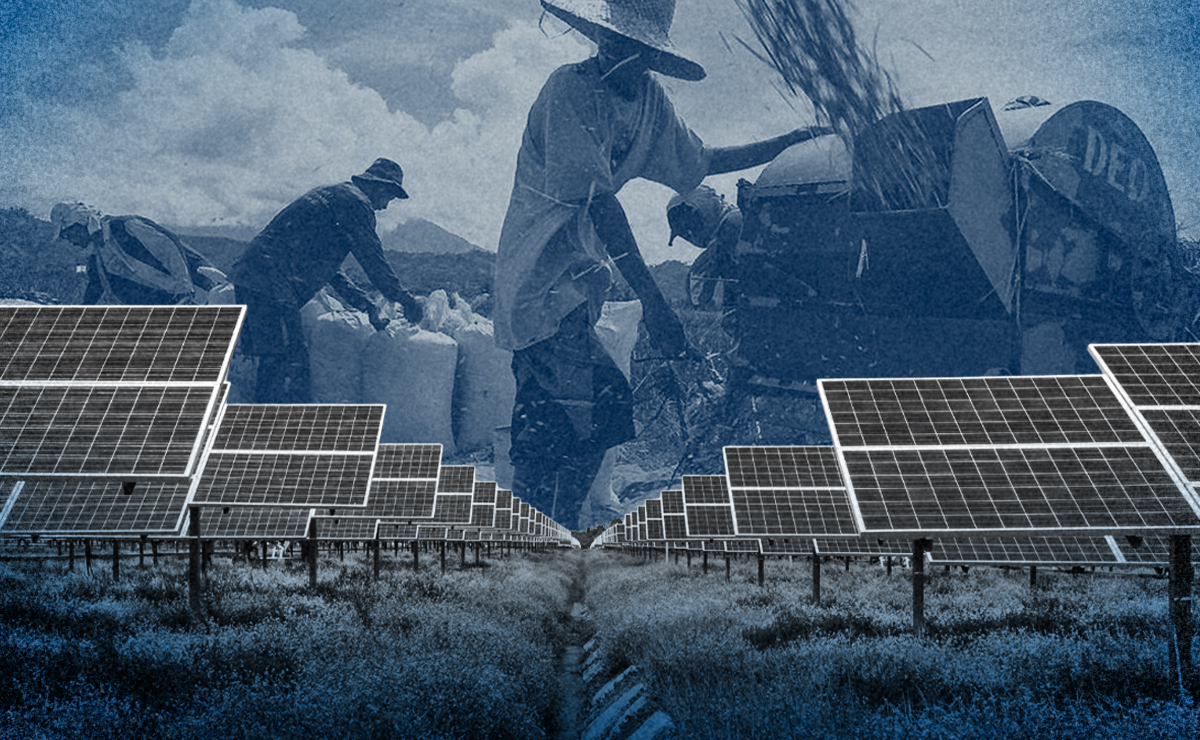
Agrosolar, or agrivoltaics, is promoted as a dual-use innovation that combines renewable energy generation with agricultural production. While it theoretically maximizes land efficiency, its large-scale application in the Philippines raises contradictions involving land requirements, displacement of staple crops, transmission infrastructure costs and governance hurdles.
Global evidence is mixed. Europe and Asia report efficiency gains, while large-scale deployment in the Philippines risks land displacement, farmer income losses and governance challenges. International experience highlights both opportunities and constraints that should inform Philippine policy.
This paper critiques agrosolar’s techno-economic viability within the context of Philippine food security challenges and ASEAN energy transitions. Using scenario modeling, comparative tables and farmer testimonies, it argues that agrosolar risks becoming a “green land grab” rather than a sustainable solution.
Article continues after this advertisement
Introduction