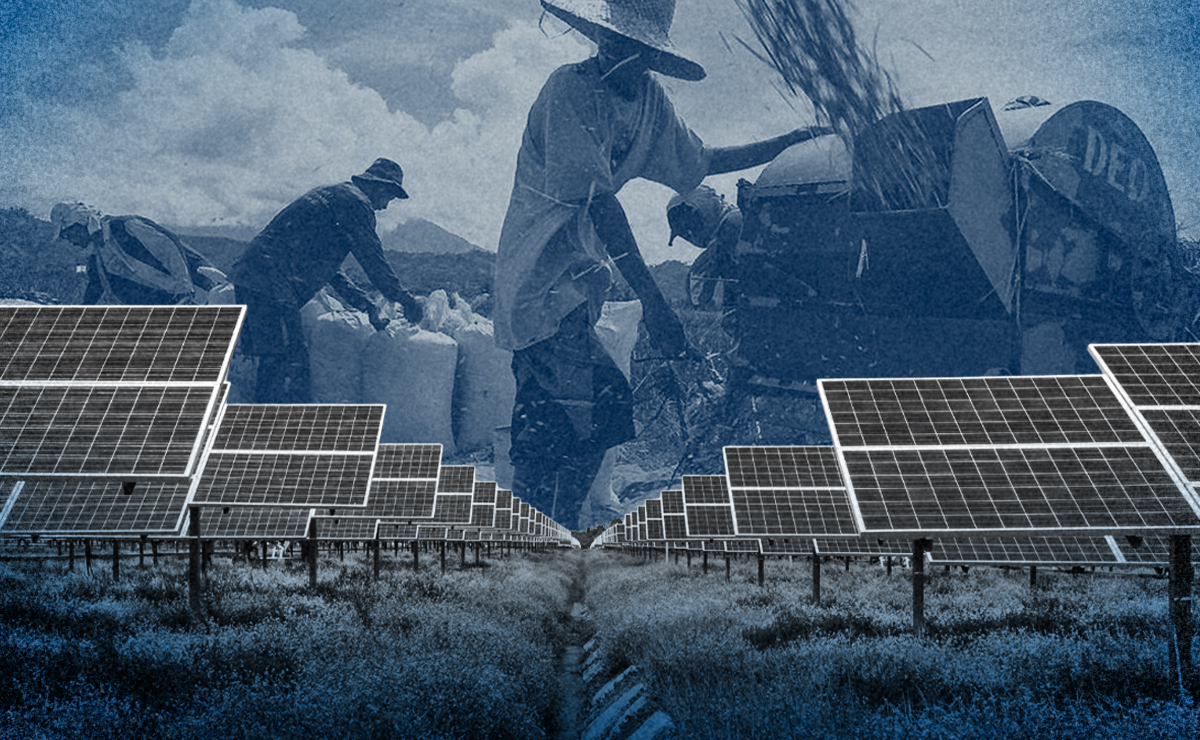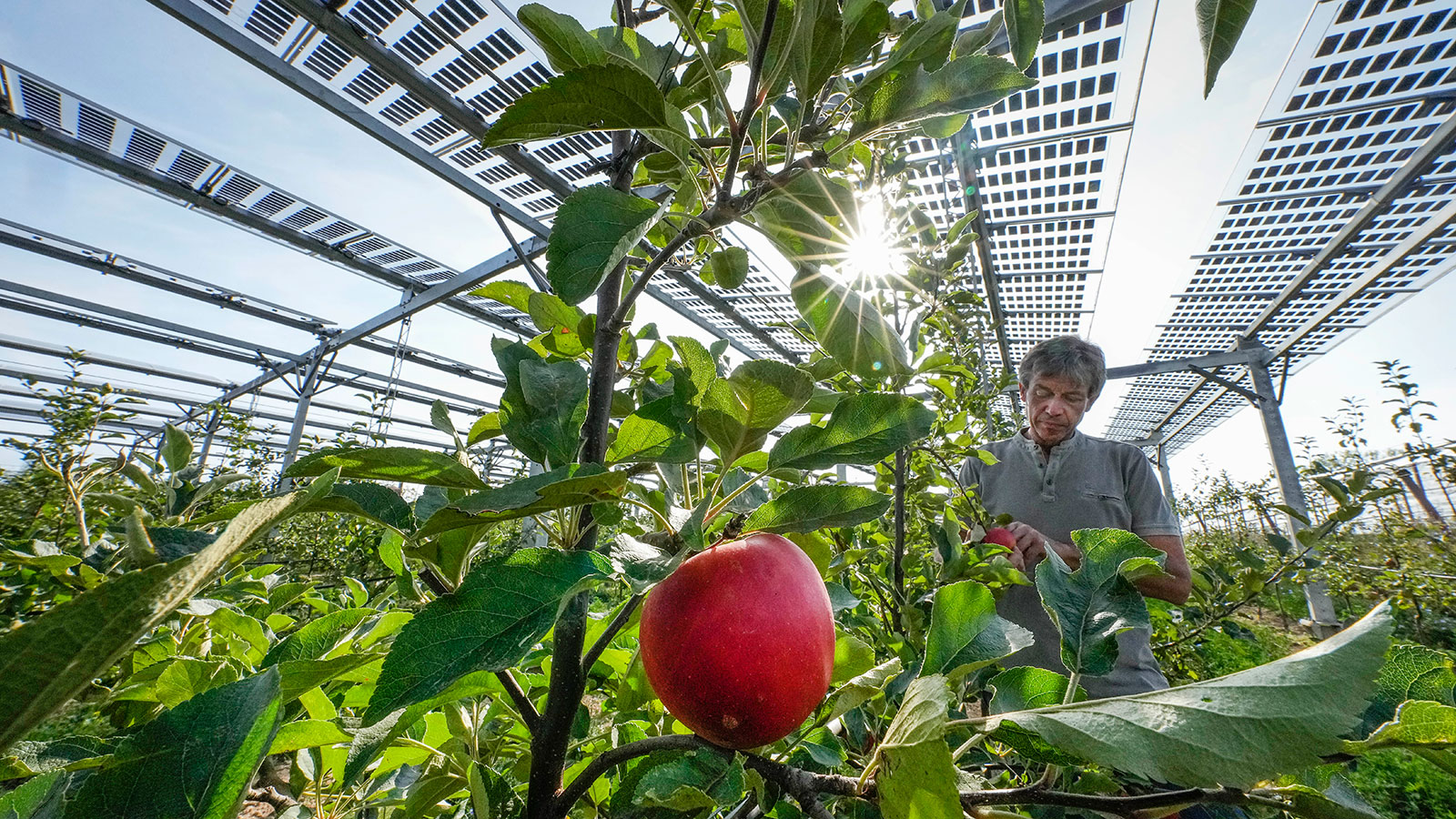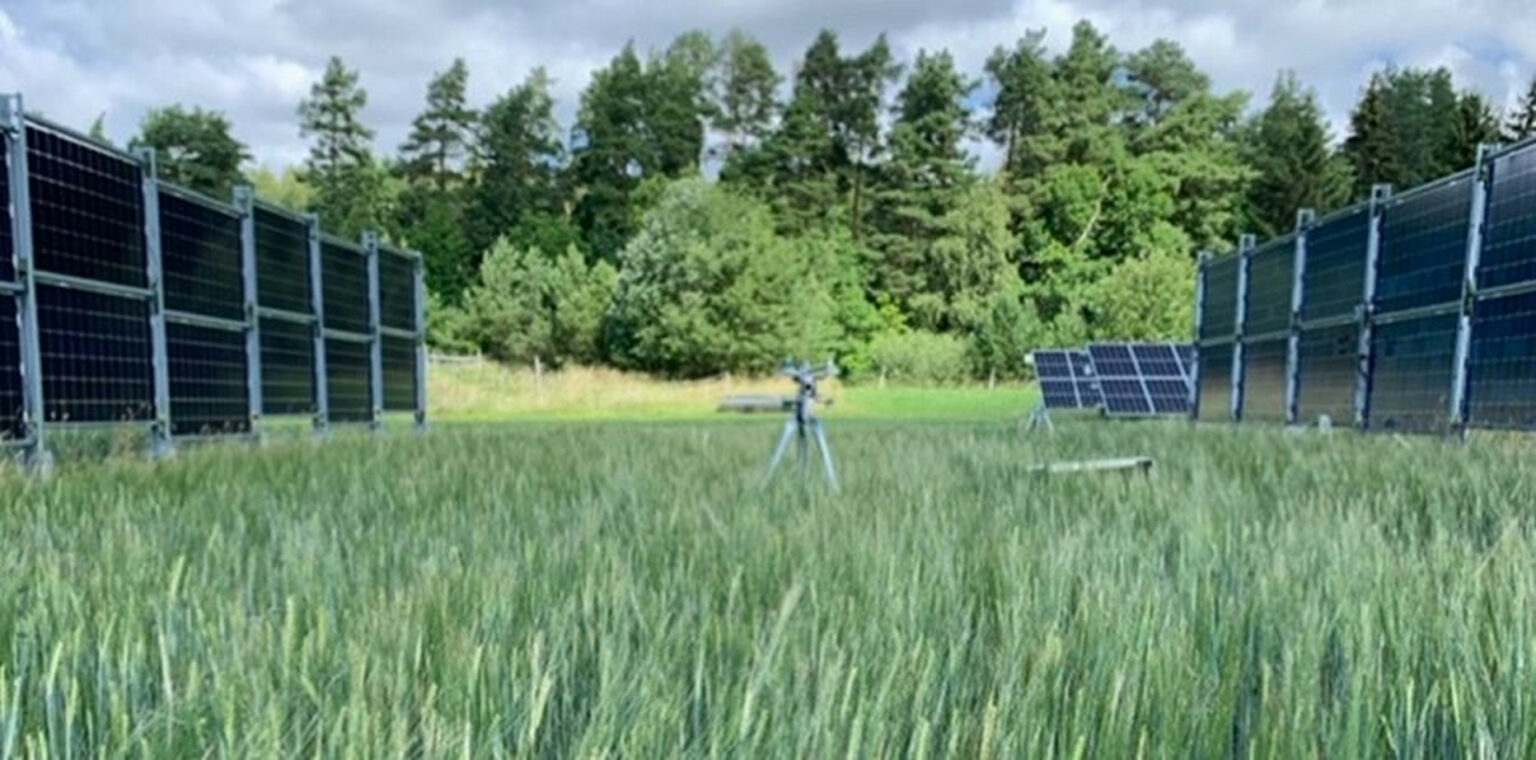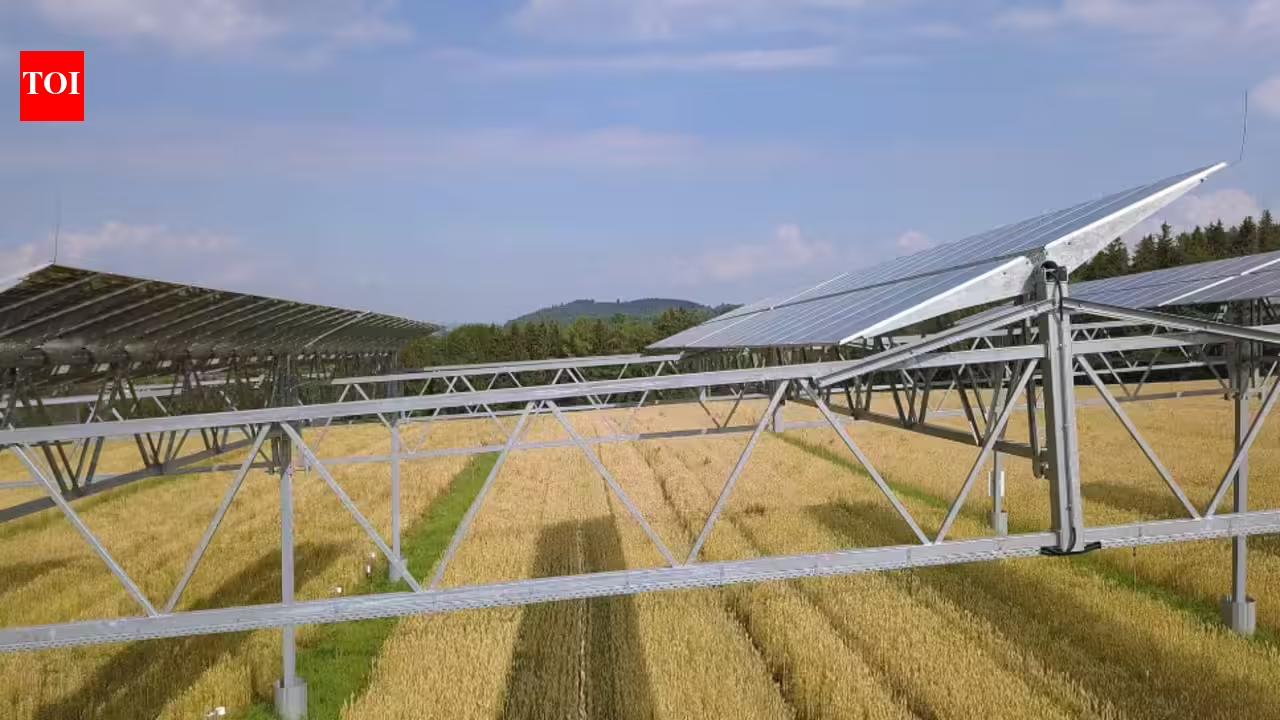
Agrivoltaics pilot plant at Heggelbach Farm in Germany. Image credits: Wikimedia CommonsAgrivoltaics, the practice of generating solar power and growing crops on the same plot of land, has become an active area of agricultural research, as noted by the U.S. Department of Energy and the Global Environment Facility. In 2022, a team from Chonnam National University in South Korea published a study in Agronomy examining broccoli grown beneath photovoltaic panels. The study examined broccoli yield, antioxidant capacity, glucosinolates, visual quality, consumer preference, and electricity production under an agrivoltaic system.The setup underlying the experimentThe researchers created a bifacial solar panel structure above a growing broccoli crop and monitored its performance through three distinct cultivation periods. The panels were installed about 3.3 meters above ground level as part of the agrivoltaic system.The key dataFirst, the broccoli grown under the agrivoltaic system produced about 20% less yield than the open-field crop. The researchers attributed the reduction to the lower light levels under the photovoltaic panels. However, the yield reduction was not accompanied by significant changes in several measures of broccoli quality. The researchers found no statistically significant differences in antioxidant capacity, glucosinolates, and their hydrolysis products between the agrivoltaic and open-field crops.Moving forwardThe Chonnam National University study shows that agrivoltaic systems can combine broccoli production with electricity generation, although the broccoli yield was lower under the panels. The findings suggest that crop-specific research will be important in determining where agrivoltaic systems can be used effectively.One notable finding was the visual difference between the treatments. Broccoli grown under the agrivoltaic system was greener than broccoli grown in the open-field control. When consumer preference was assessed, participants showed a stronger preference for the greener broccoli.Why the economics may work in favour of farmersThe study's most notable economic finding was the difference between the benefits from electricity generation and broccoli production. The study estimated that the annual economic benefit from solar power would be 10.4 times the estimated economic benefit from broccoli production. Even with the lower broccoli yield under the agrivoltaic system, the researchers concluded that combining electricity generation with crop production could increase farmer benefits compared with open-field broccoli production.Moving forwardThe Chonnam National University study shows that agrivoltaic systems can combine broccoli production with electricity generation, although broccoli yield was lower under the panels. The findings suggest that crop-specific research will be important in determining where agrivoltaic systems can be used effectively.
In 2022, South Korean researchers grew broccoli beneath solar panels; yield fell around 20%, but consumers preferred its greener appearance
Agrivoltaics, the practice of generating solar power and growing crops on the same plot of land, has become an active area of agricultural research, as noted by the U.S. Department of Energy and the Global Environment Facility.
398 words~2 min read