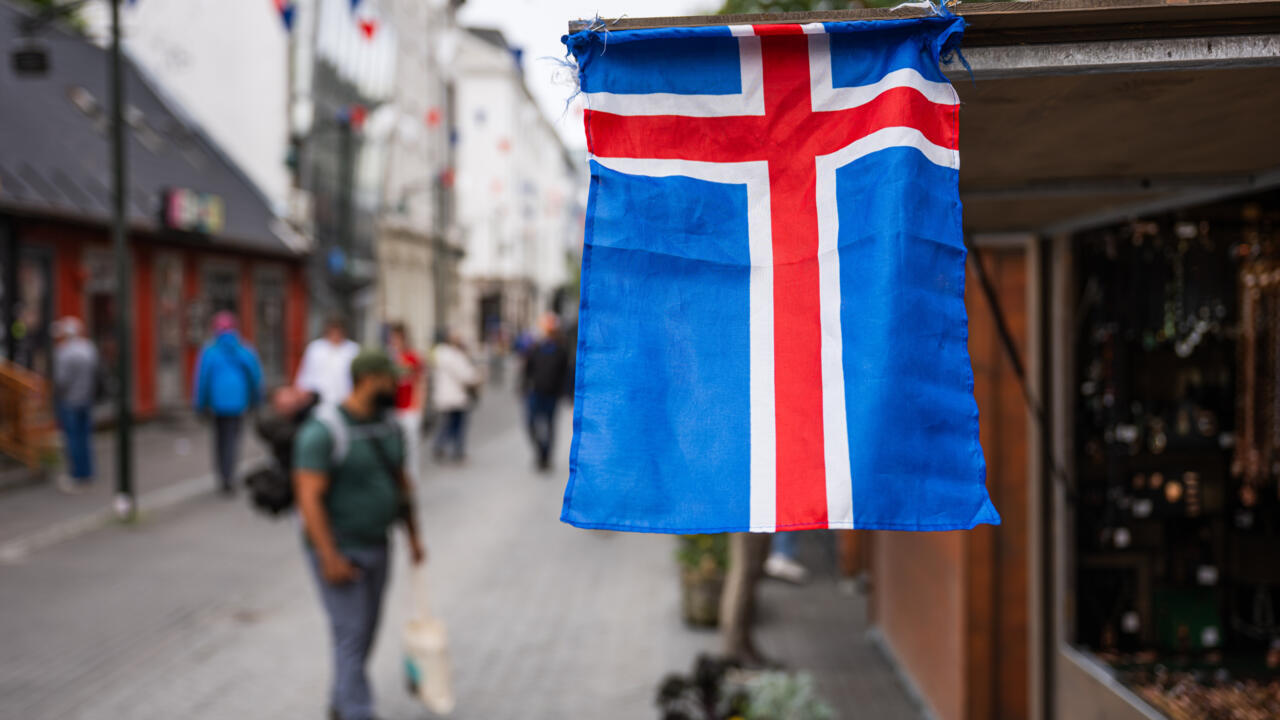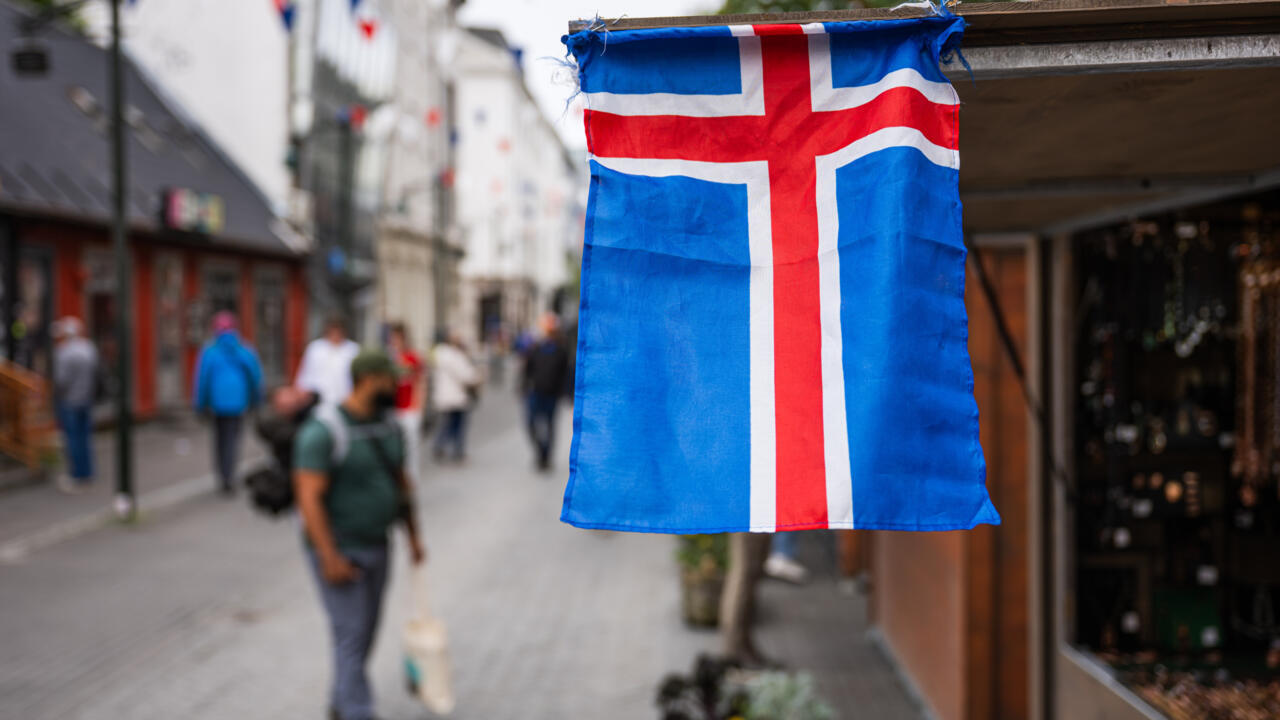
Britain may have left the European Union, but elsewhere in the North Atlantic another fiercely independent island is contemplating the journey in the opposite direction.
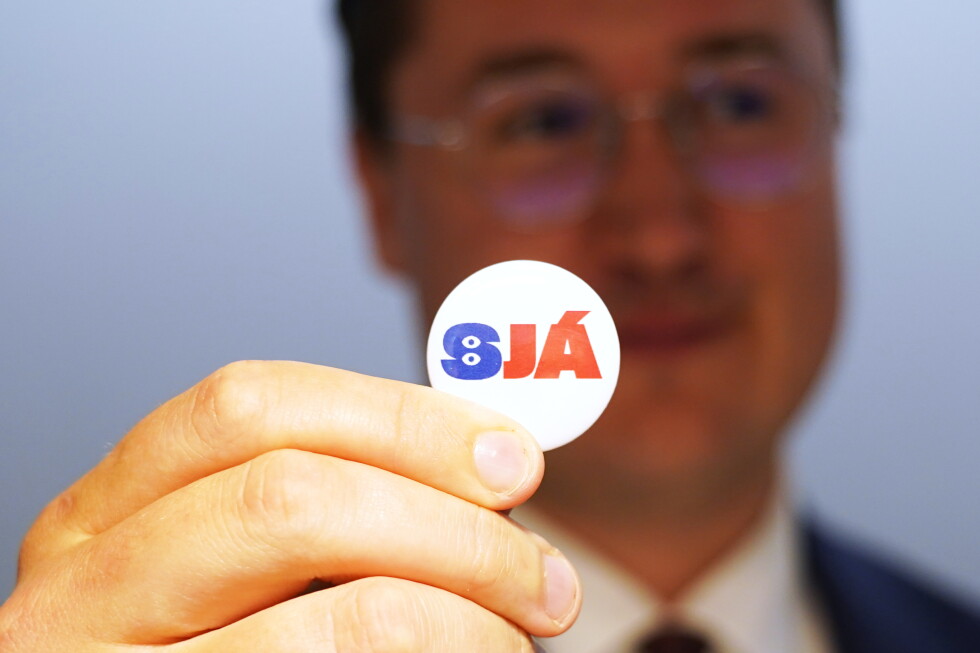
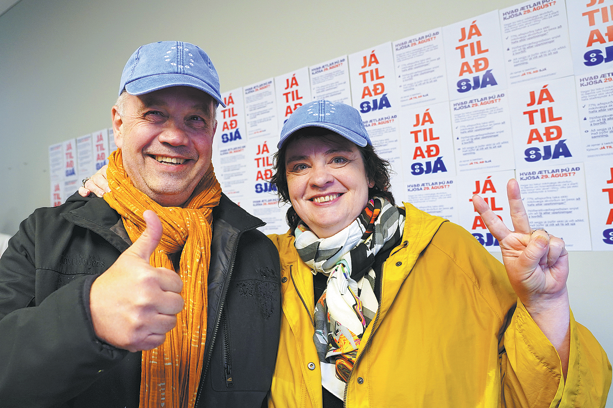
Next Saturday, Icelanders will vote on whether to restart negotiations to join the EU, more than a decade after their last attempt foundered. It is not yet a referendum on membership: if negotiations produce a deal, Icelanders would vote again on whether to accept it. Polling suggests the first hurdle will be close, with a recent survey putting support for talks at 53 per cent.
Yet the exercise could be instructive for Britain. Iceland is showing how a country that once decided it could manage perfectly well outside the EU can reconsider as circumstances change – and, crucially, how it can do so without immediately confronting voters with the binary question of membership.
“The union that the UK left doesn’t exist anymore,” says Mika Aaltola, a Finnish MEP from the centre-right European People’s Party and vice-chair of the EU-UK Parliamentary Partnership Assembly.
Aaltola points to the transformation wrought by Russia’s full-scale invasion of Ukraine, Donald Trump’s trouncing of the international order and open threats against allies, as well as growing concerns about the Arctic. Security and defence, once peripheral to the EU project, have become increasingly central. Indeed, Aaltola’s own country, Finland, was neutral for most of the post-Second World War era but changed its tune after Russia’s 2022 invasion, joining Nato alongside Sweden.