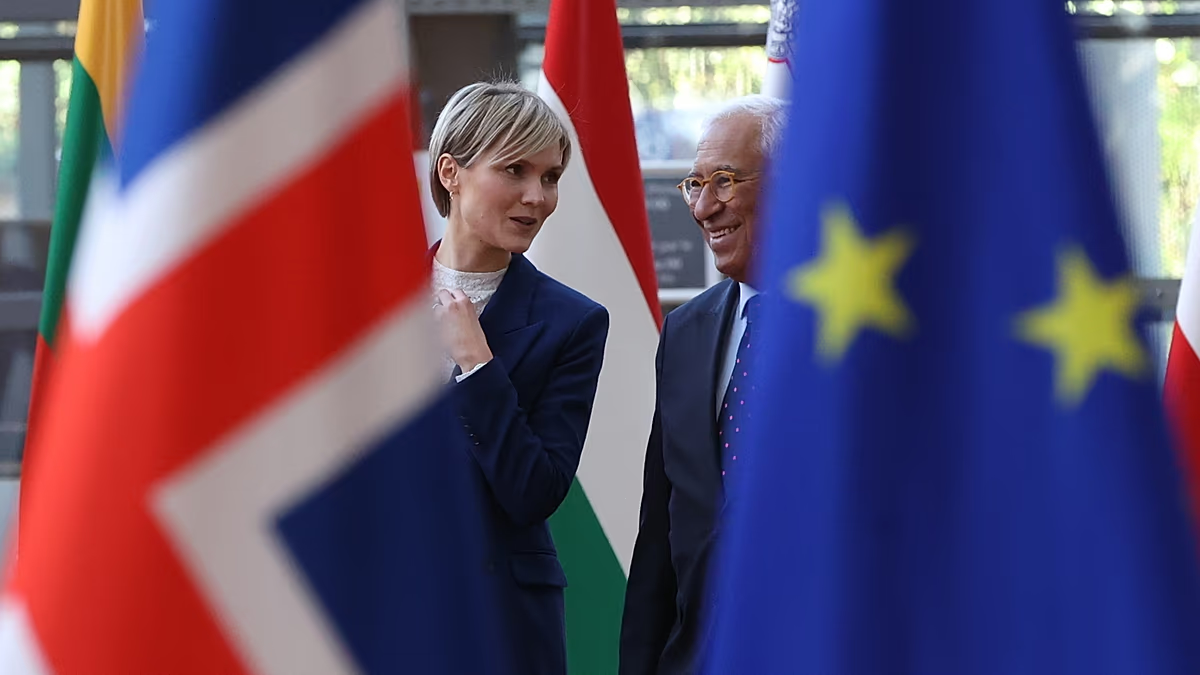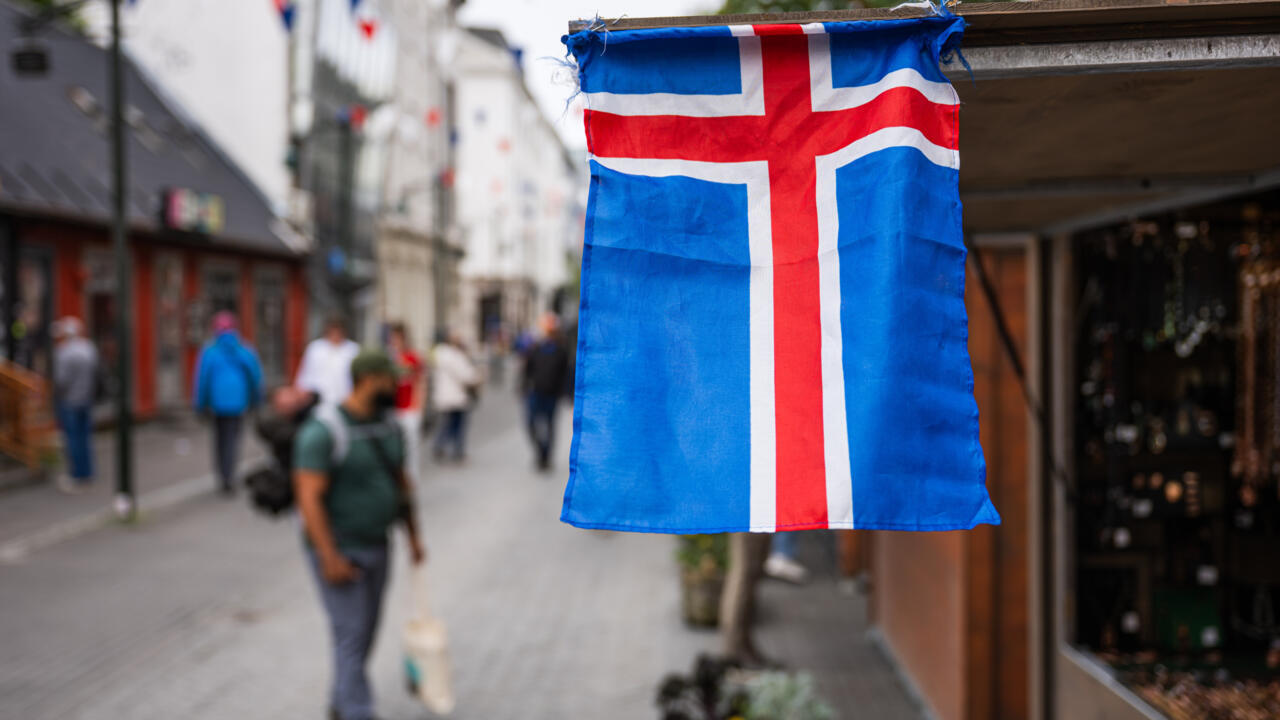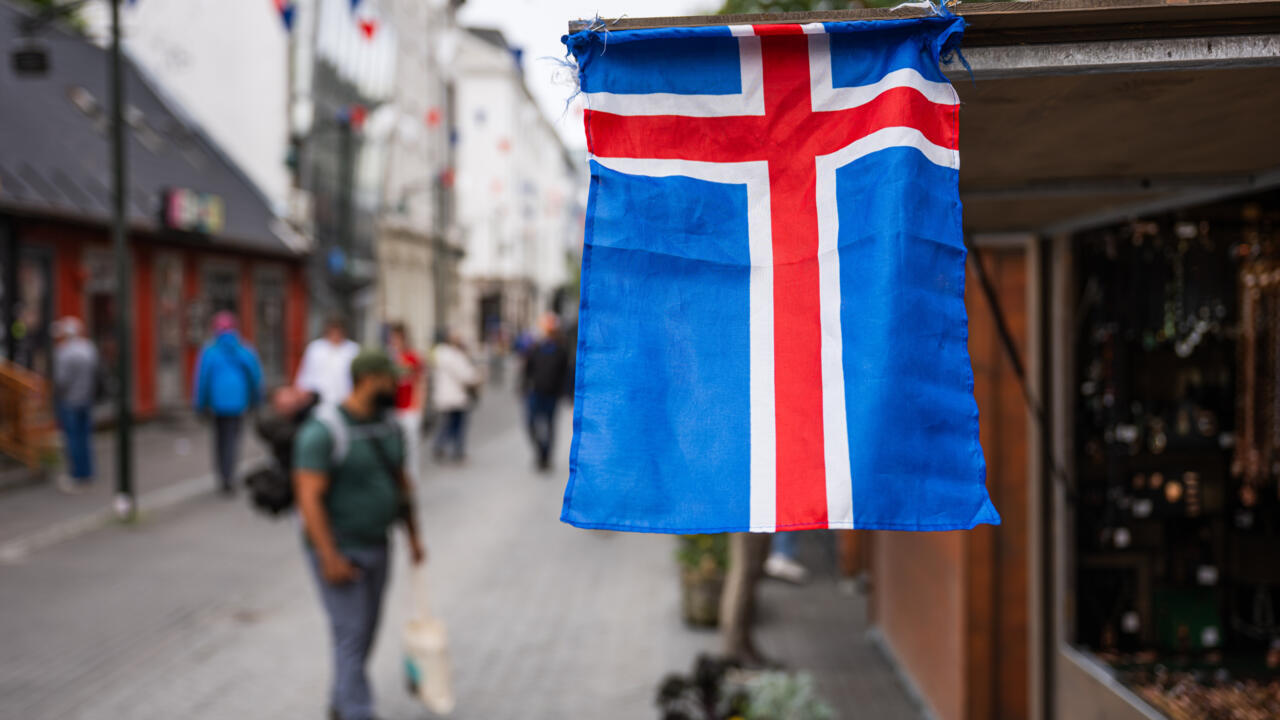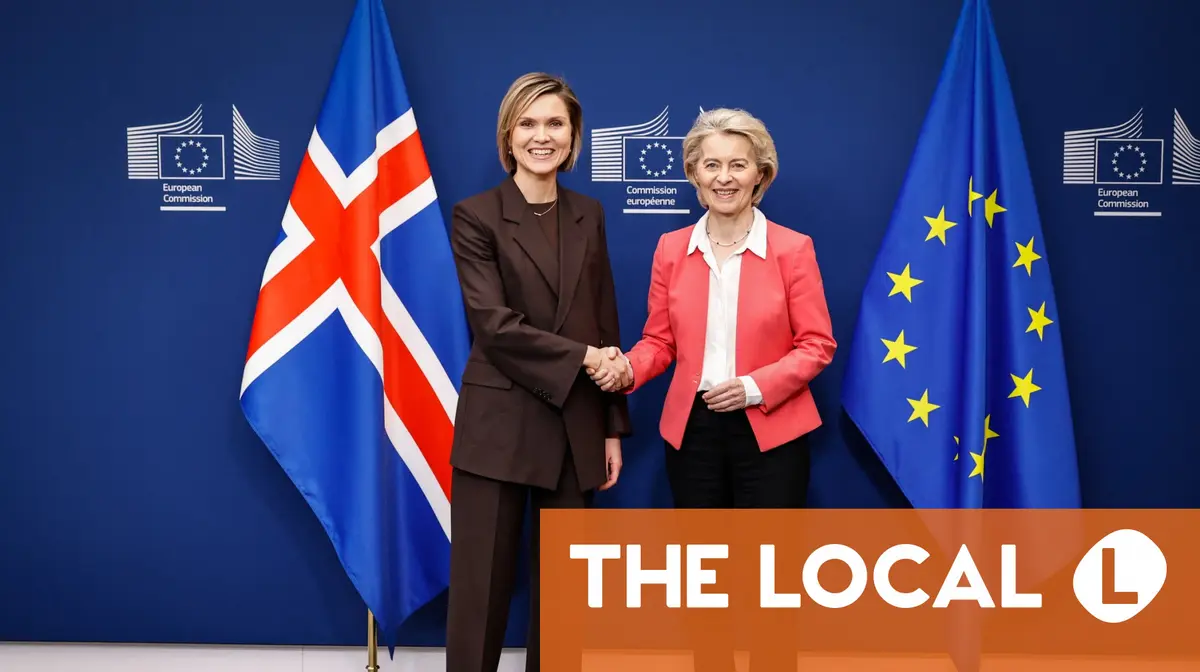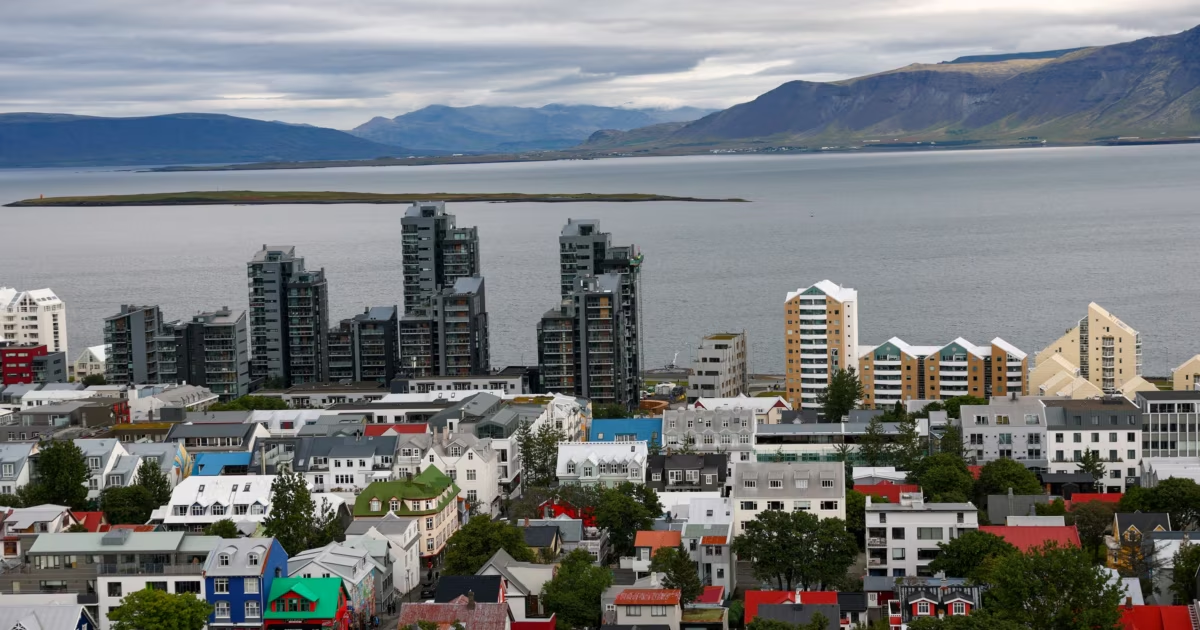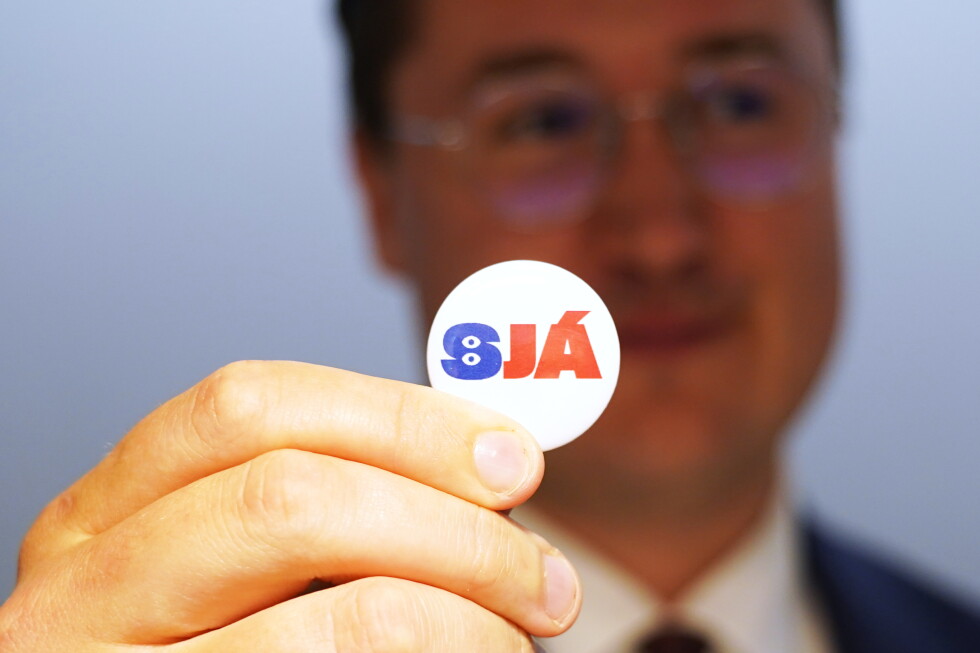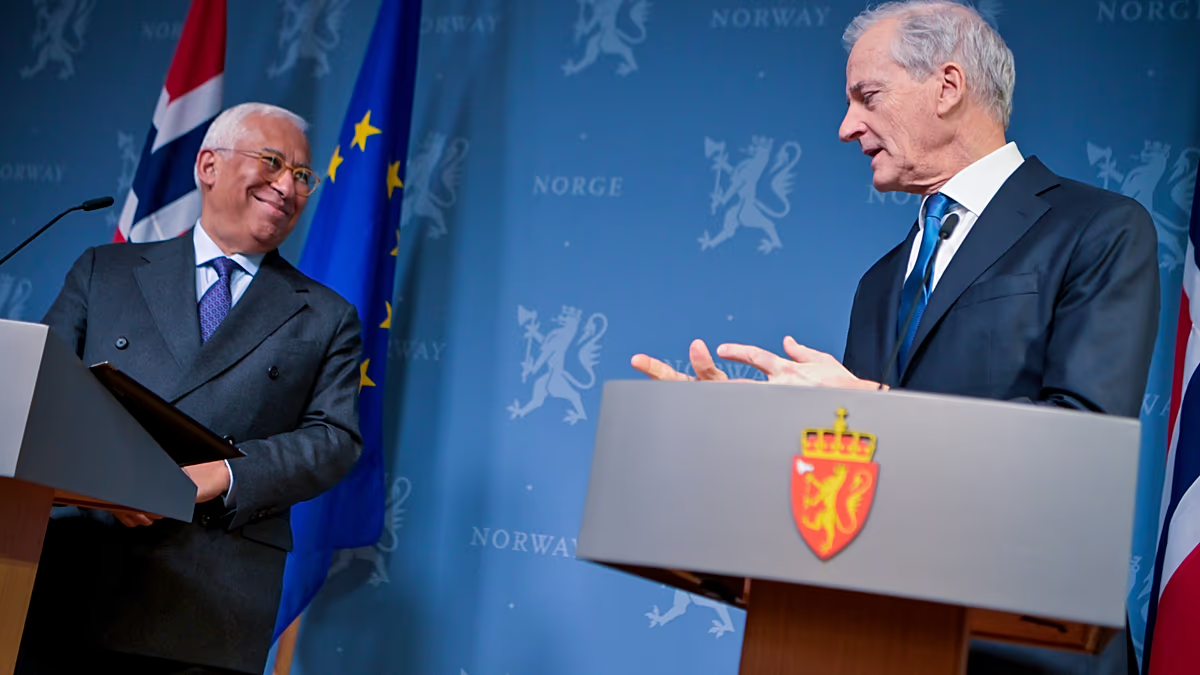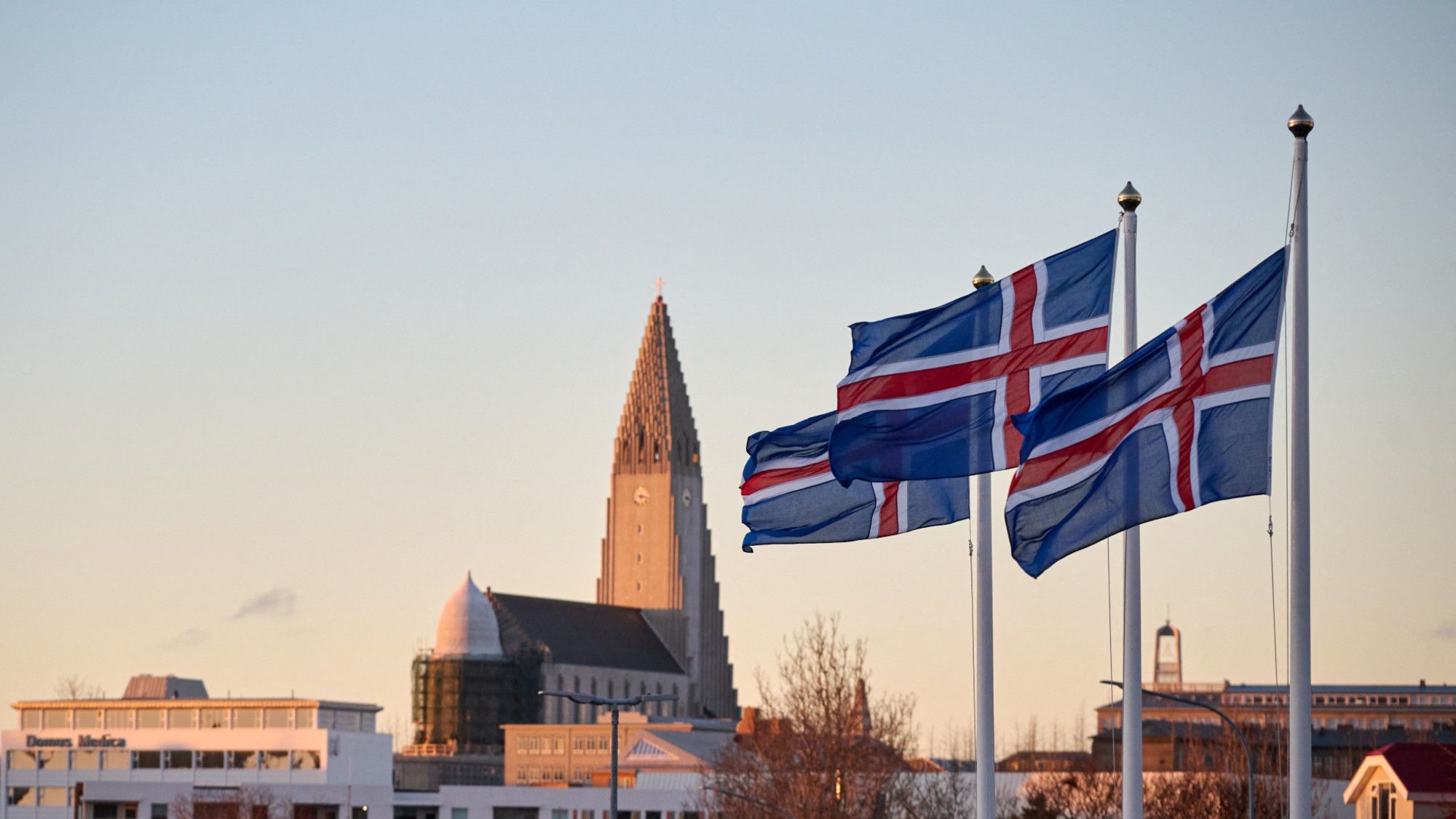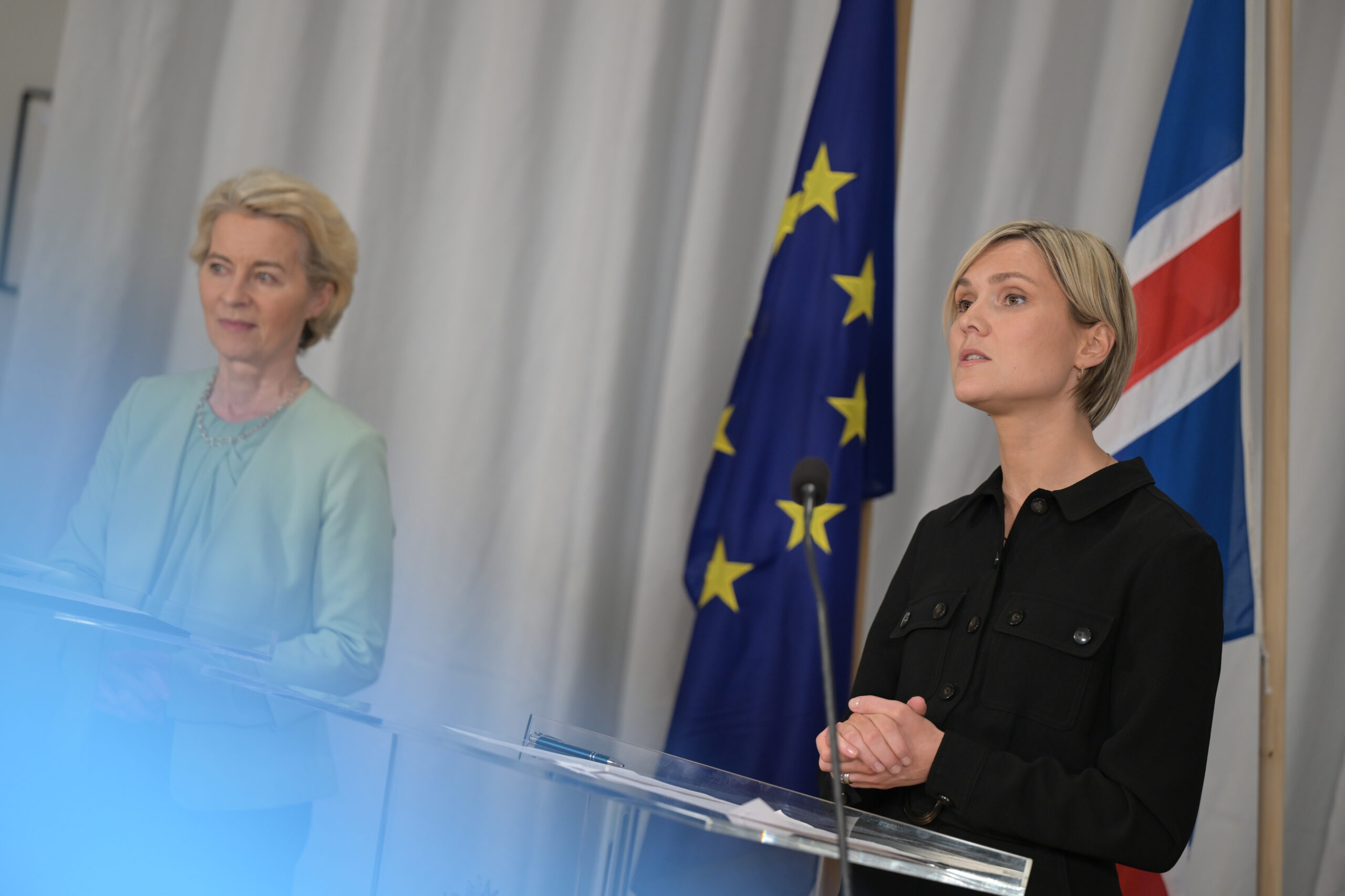
Could Iceland be the next European Union member? Ahead of an important referendum in Iceland on restarting accession talks with the currently twenty-seven-member bloc, Atlantic Council experts answer four pressing questions about this weekend’s referendum and its potential implications for Europe’s future.
What are Icelanders voting on?
When Icelanders go to the ballot box on August 29, they will answer a narrow but important question: “Should Iceland resume accession negotiations with the European Union?” Iceland had applied to join the EU in 2009, and accession negotiations began the following year. However, the country halted negotiations in 2013 due to opposition from then-Prime Minister Sigmundur Davíð Gunnlaugsson’s center-right government to the EU’s Common Fisheries Policy.
Sovereignty concerns over Iceland’s fisheries persist, but geopolitical uncertainties and the allure of the eurozone have renewed public interest in the prospect of membership, especially as the volatile Icelandic krona fuels the country’s high inflation and interest rates.
The current prime minister, Kristrún Frostadóttir, who leads the Social Democratic Alliance, characterizes the referendum not as a vote on EU membership in itself, but as an opportunity to find out what kind of deal Iceland could secure. Frostadóttir and her party assert that Icelanders should be able to judge the terms of an accession treaty.