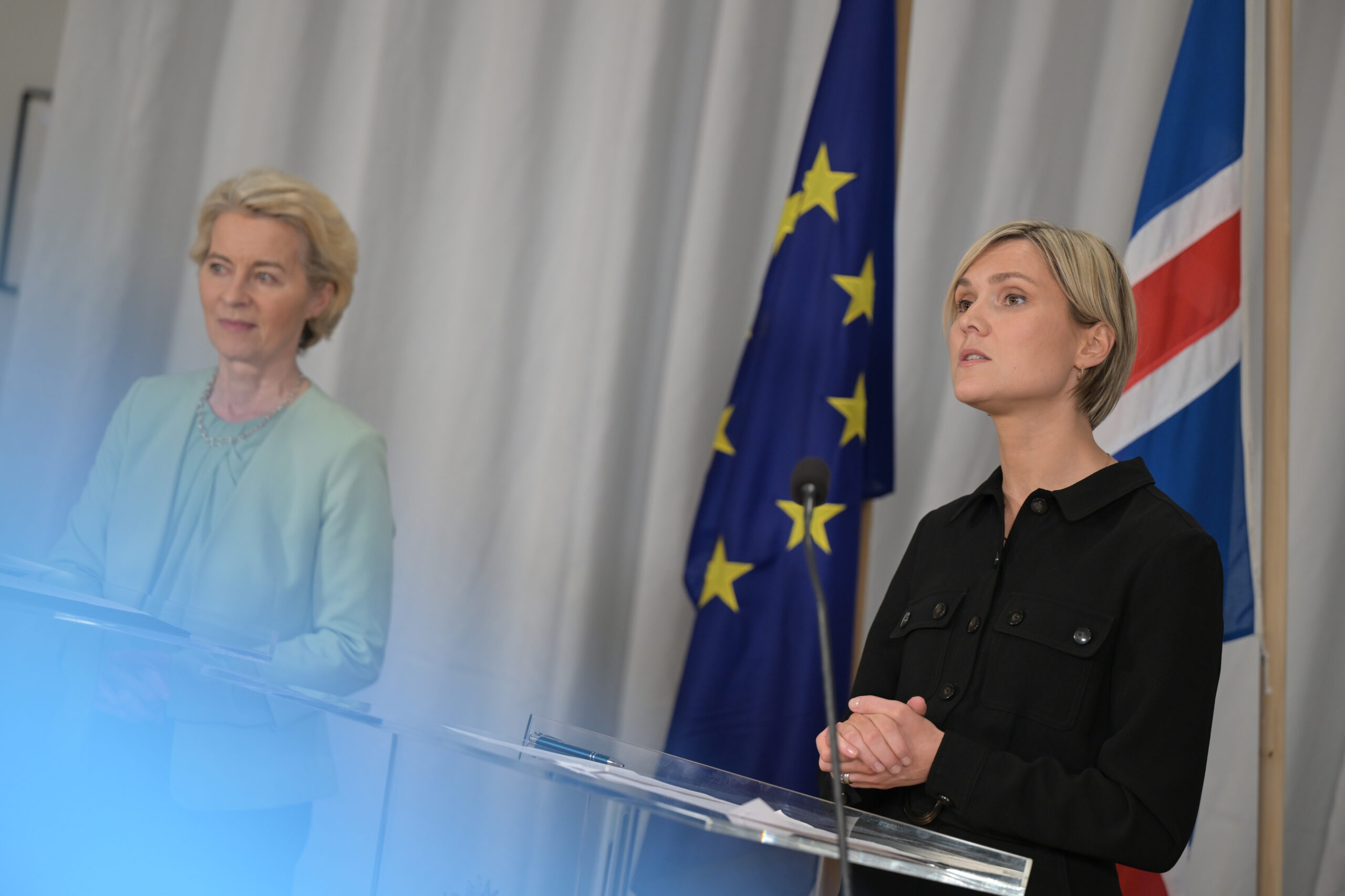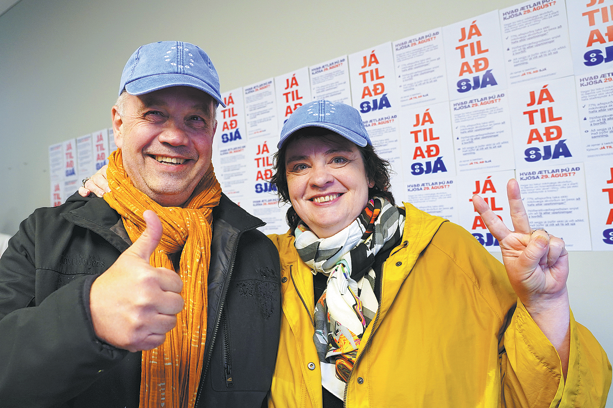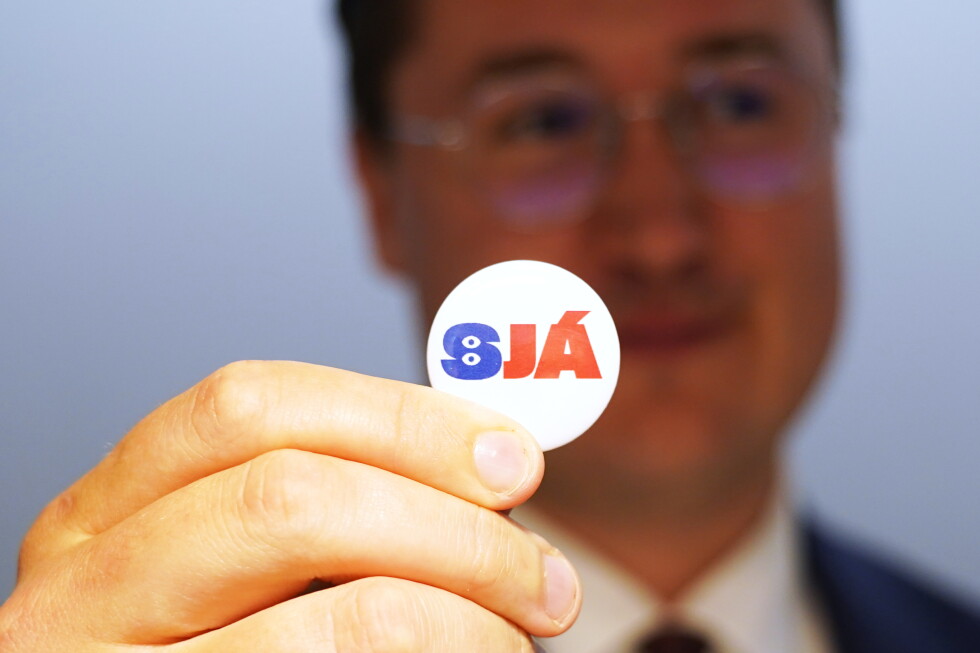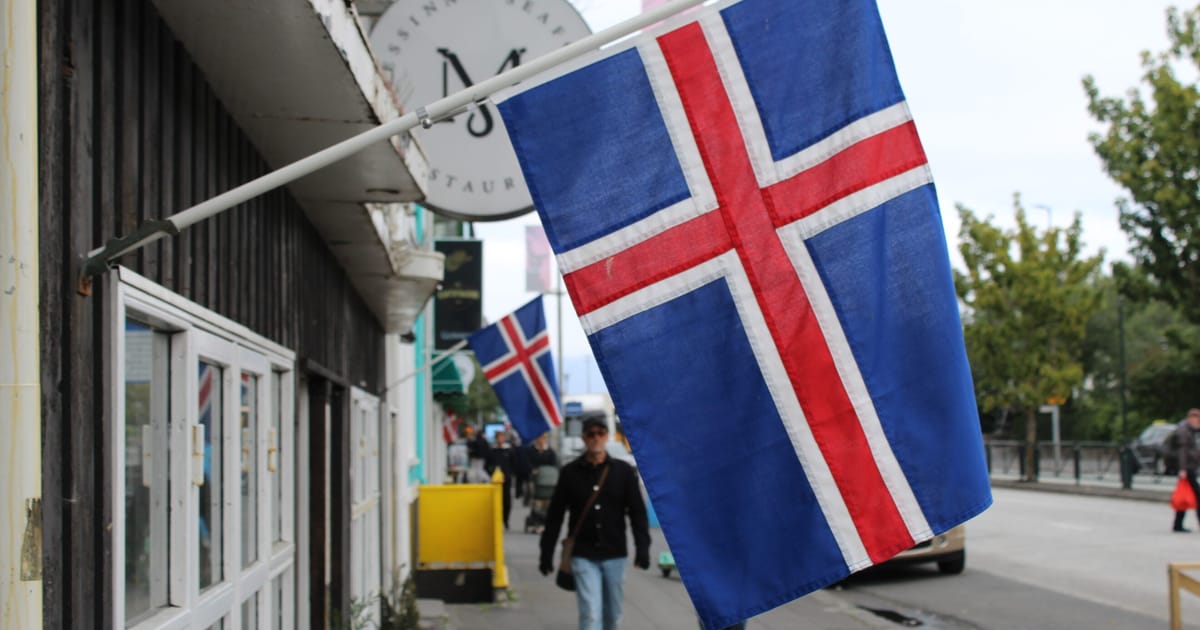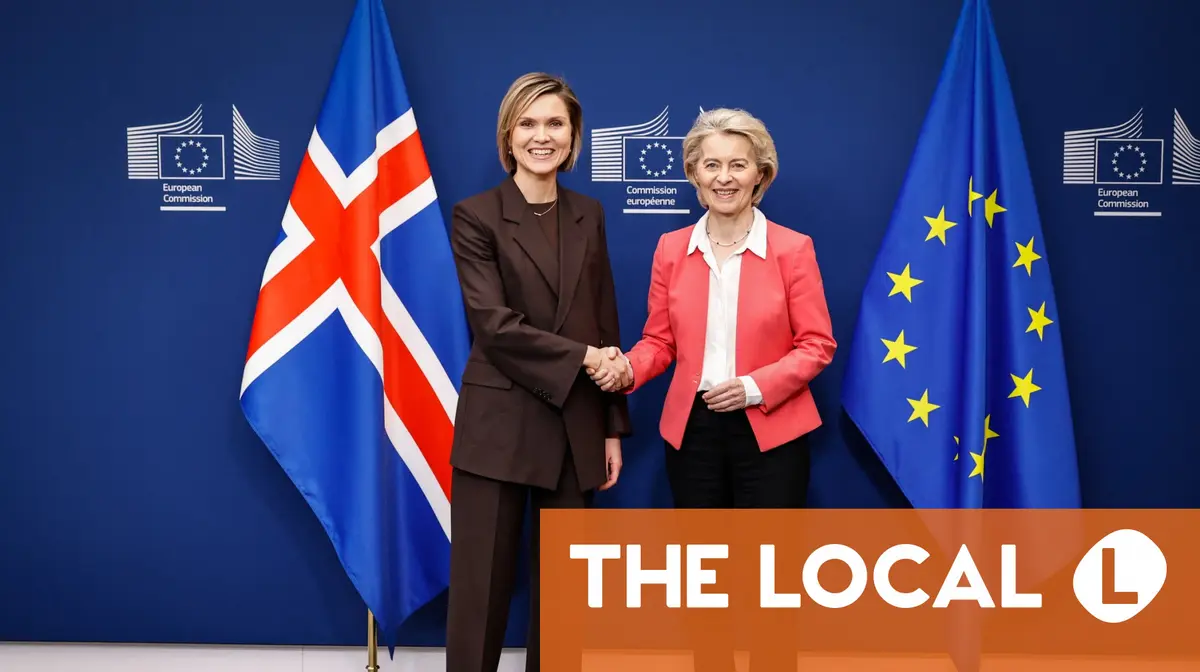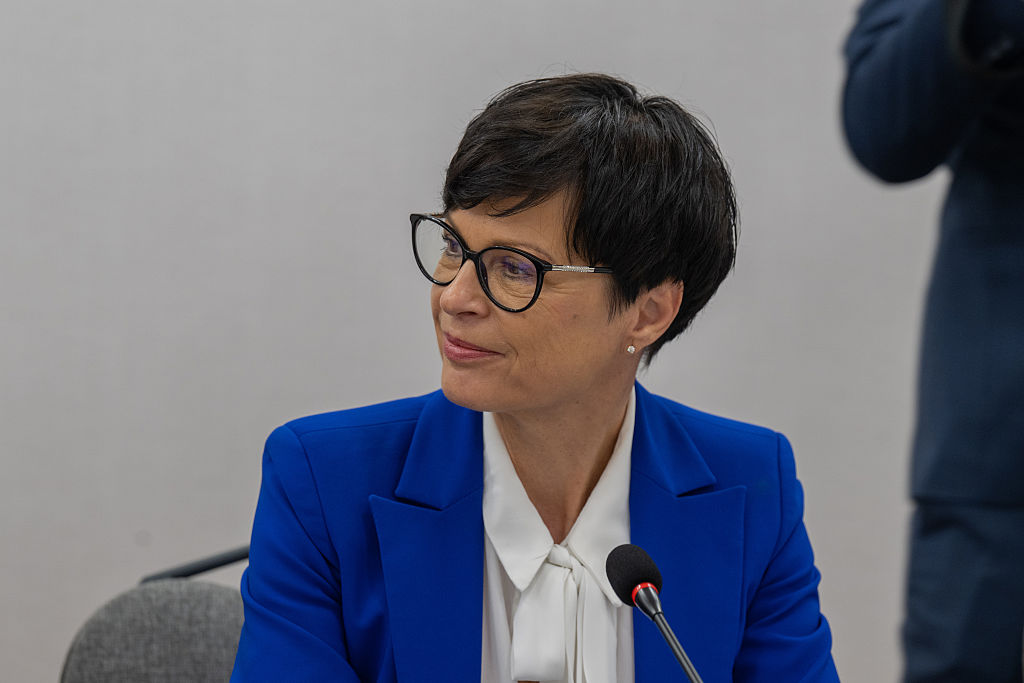
Icelanders are to vote Saturday on whether to resume entry talks with the European Union amid growing global insecurity, in a referendum seen as going down to the wire. Icelanders are not being asked to decide just yet if they want to join the 27-member bloc – only whether they want their government to negotiate possible terms, including on the highly sensitive fishing issue. "This is an opportunity, it's not a final decision," Prime Minister Kristrun Frostadottir told AFP, arguing that the referendum paved the way for a "risk-reducing 'Yes'". "This way you get a deal on the table, you're able to see all the questions, the answers to all the questions we get here," she said. She was speaking to AFP after a "listening meeting" in Selfoss, one of the many small towns the Social Democratic leader has visited to hear Icelanders' questions and concerns on the issue.
To display this content from YouTube, you must enable advertisement tracking and audience measurement.
One of your browser extensions seems to be blocking the video player from loading. To watch this content, you may need to disable it on this site.
Cover image: A PROPOS © FRANCE 24
On Saturday, voters will be asked to answer "Yes" or "No" to the question: "Should Iceland resume accession negotiations with the European Union?" Implied is the question of whether the country of 400,000 inhabitants ultimately thinks it best to remain the captain of its own ship, or hitch its cart to the EU. If the "Yes" side wins, an accession agreement negotiated with Brussels would be put to a new referendum and likely require a change to Iceland's constitution, as well as ratification by EU member states. The north Atlantic island applied to join the bloc in 2009, a year after the 2008 financial crisis led to the collapse of its banks and economy. Membership negotiations began in 2010 but were suspended in 2013 after a eurosceptic government came to power. The world has changed radically since then. Read moreIceland to hold EU referendum 'in the coming months', PM says "The EU is looking around, it's finishing deals with India, with Mercosur. We're seeing changes in the global climate when it comes to how people are using tariffs as weapons," Frostadottir noted. Divisive question While Iceland's economy is flourishing again – albeit with a volatile currency – households are struggling with rising inflation and soaring interest rates, with the central bank raising rates three times so far this year to eight percent. This makes the euro an attractive option to indebted households. On the global stage, the return of war in Europe with Russia's invasion of Ukraine has shaken established security doctrines. US President Donald Trump's threats to take over neighbouring Greenland have added to Icelanders' concerns. Their island is strategically located in the sub-Arctic, has no military and depends on NATO and a 1951 bilateral agreement with the United States for its defence. "The geopolitical upheaval that we have seen recently is not the root cause of this referendum. But obviously, those concerns are impacting the debate," Bifrost University professor Eirikur Bergmann told AFP.