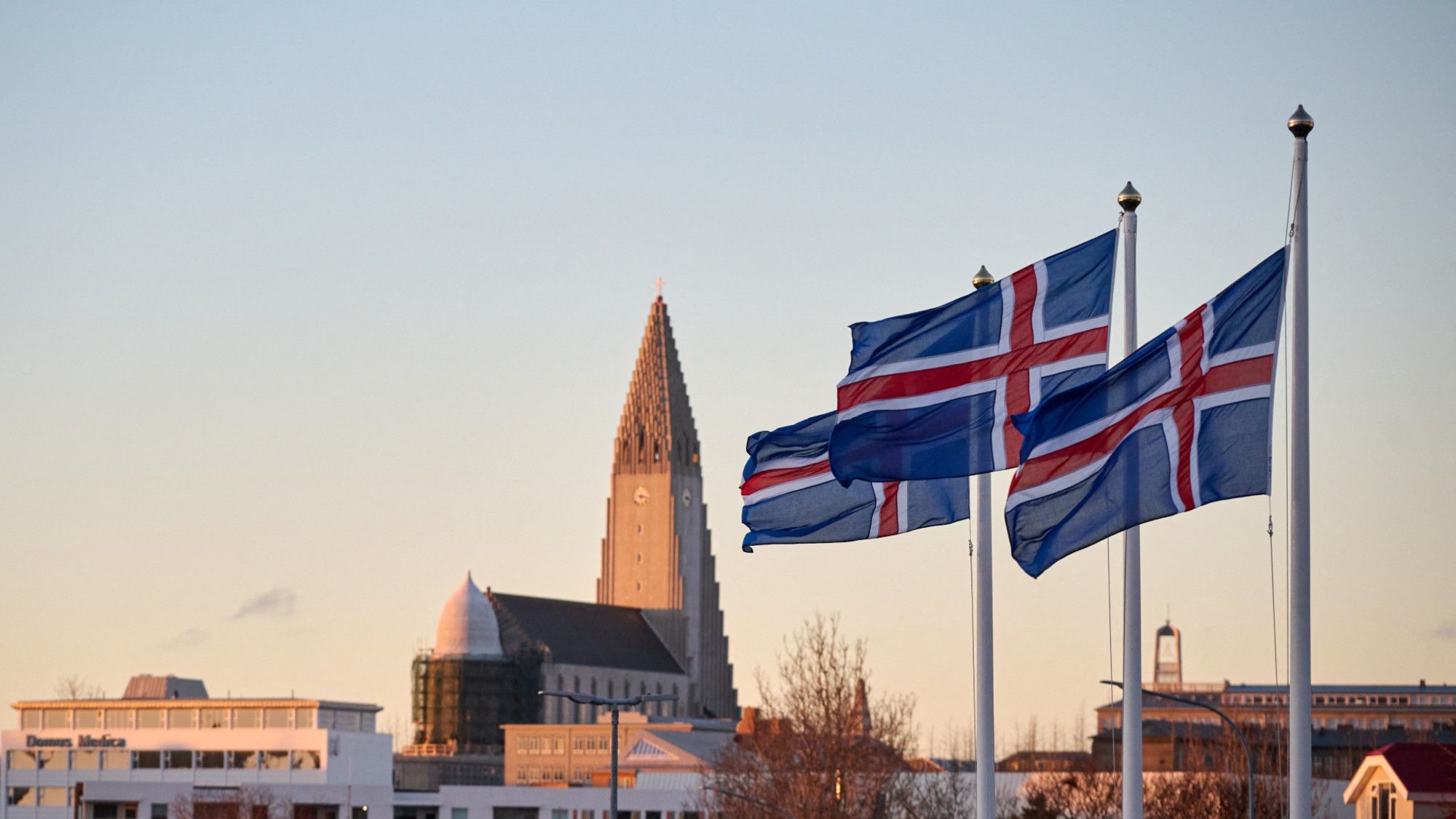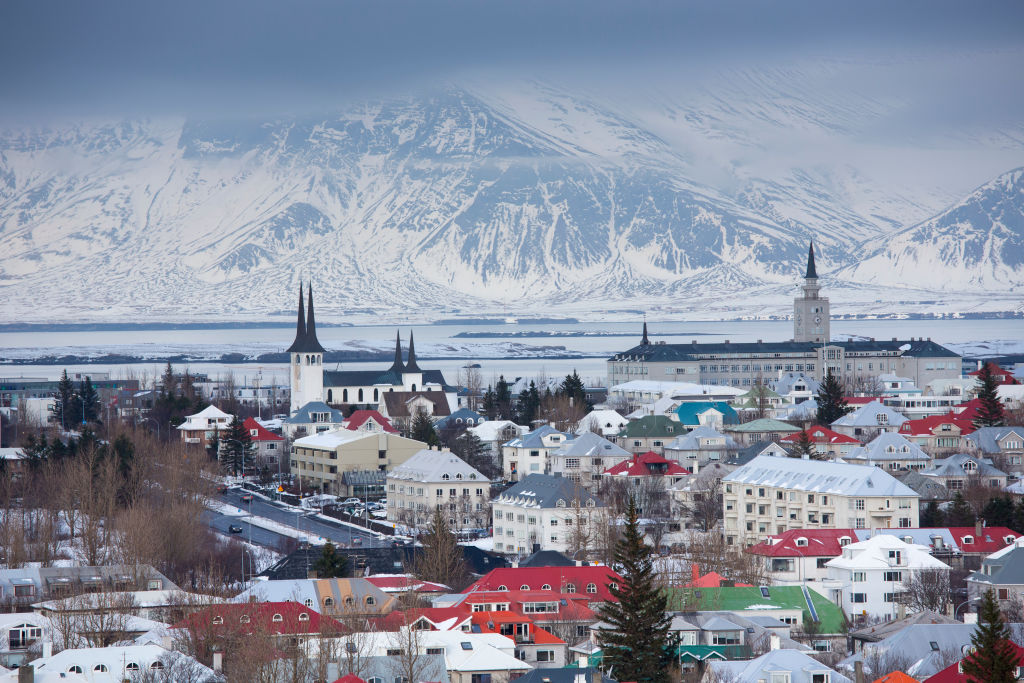
At the end of August, Icelanders will decide in a referendum whether to open talks with the EU on accession. The previous attempt came in 2009, in the aftermath of the international financial crisis that had struck Iceland the year before and led to the collapse of the country’s three largest banks.
Supporters of EU membership viewed the economic turmoil and public disillusionment as a window of opportunity to advance Iceland’s accession to the bloc, despite the challenging circumstances.
Thórdís Kolbrún Gylfadóttir, former Icelandic foreign minister, discusses how Iceland is adapting to new challenges in a rapidly changing geopolitical environment.
On 29 August Icelanders will hold a referendum on whether to reopen accession negotiations with the EU. For many years, the EU was an economic partner and the discussions were held primarily on economic terms. Has the situation changed and become more of a geopolitical debate?
It is not much part of the debate, at least not yet. In my opinion it should be more about geopolitical developments in addition to economics. There are a lot of changes ahead of us, a lot of uncertainty on all fronts.