See more Daily Mail on Google - save us as a Preferred SourceBy SABRINA PENTY, FOREIGN NEWS REPORTER Published: 08:57 BST, 21 June 2026 | Updated: 08:59 BST, 21 June 2026
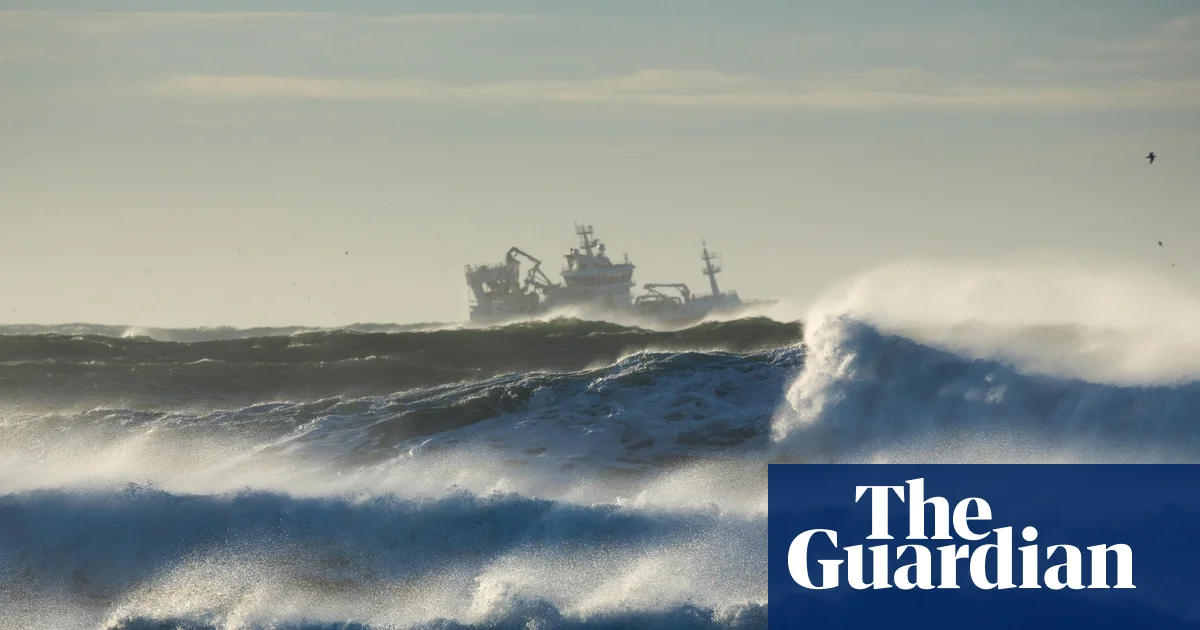
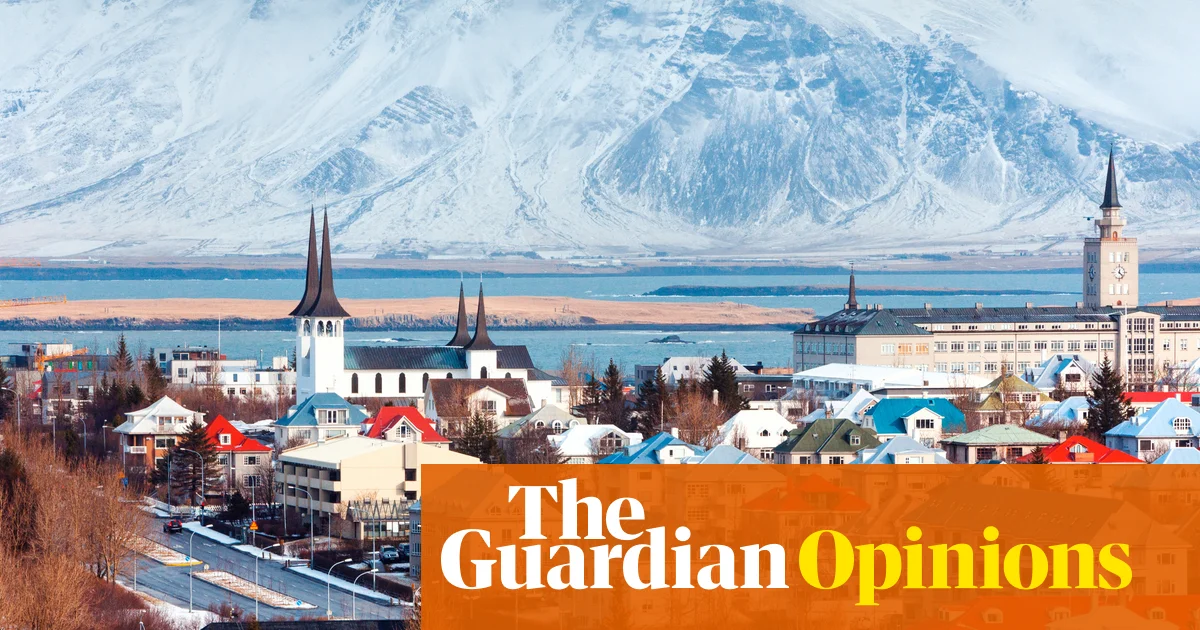
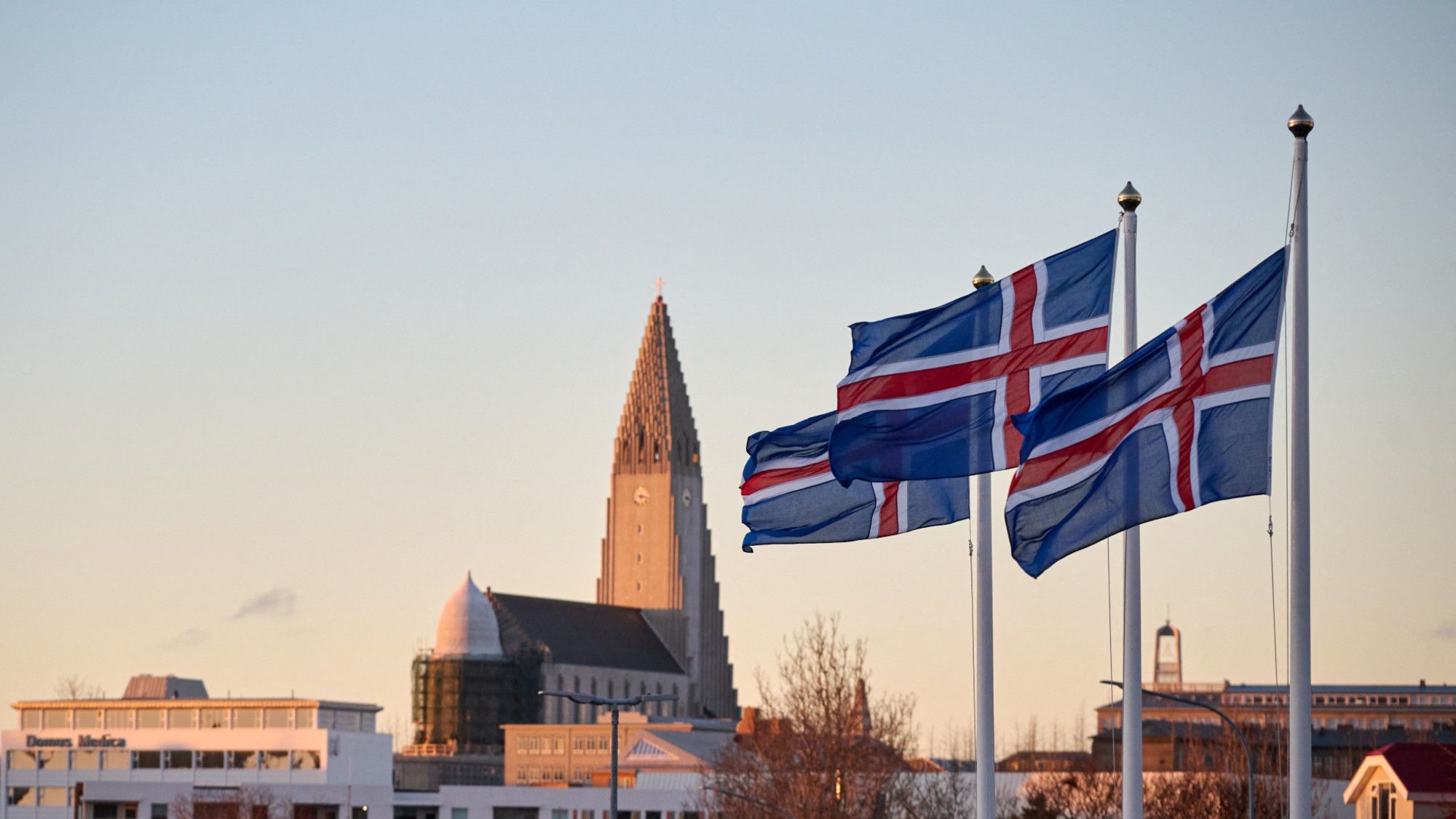
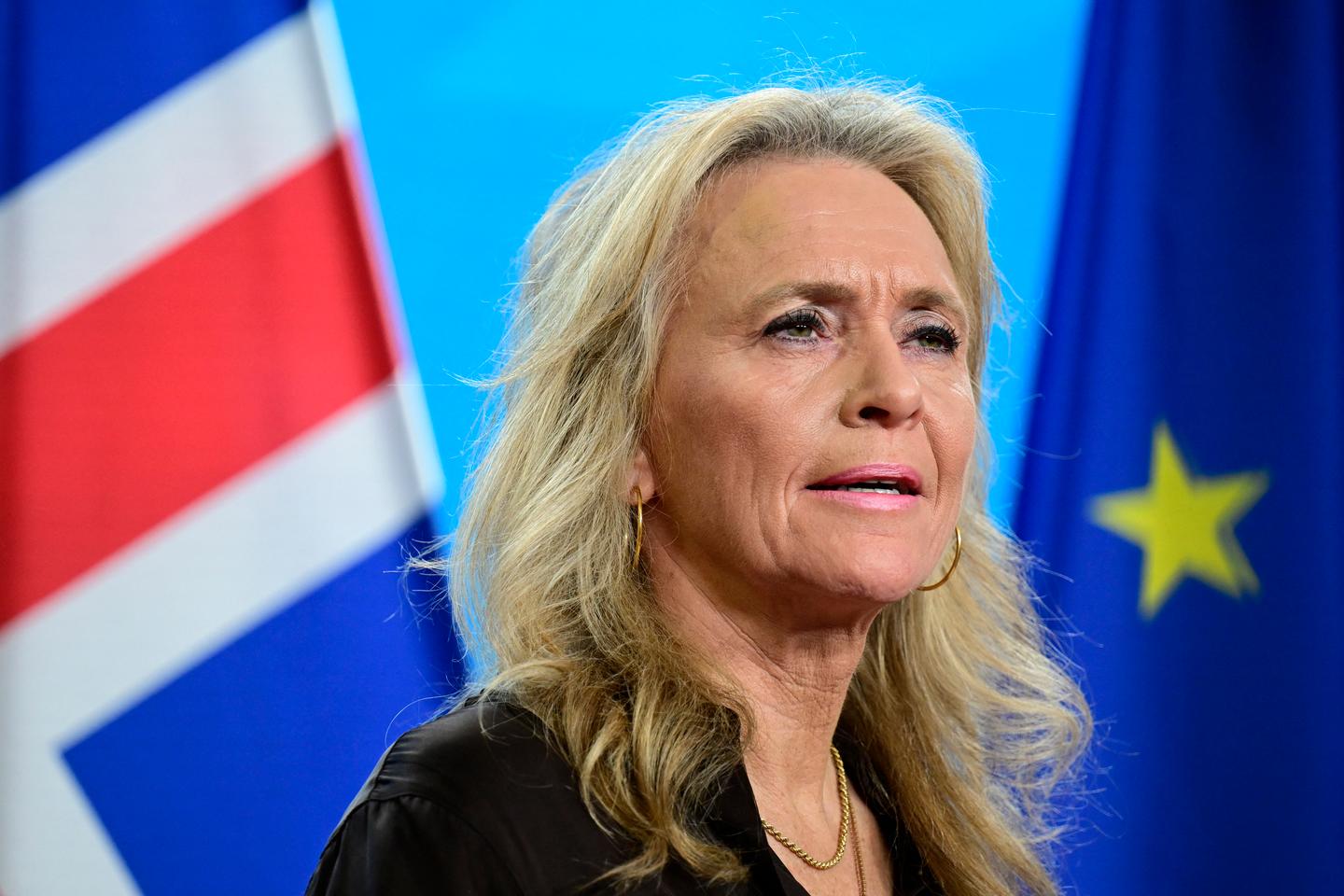
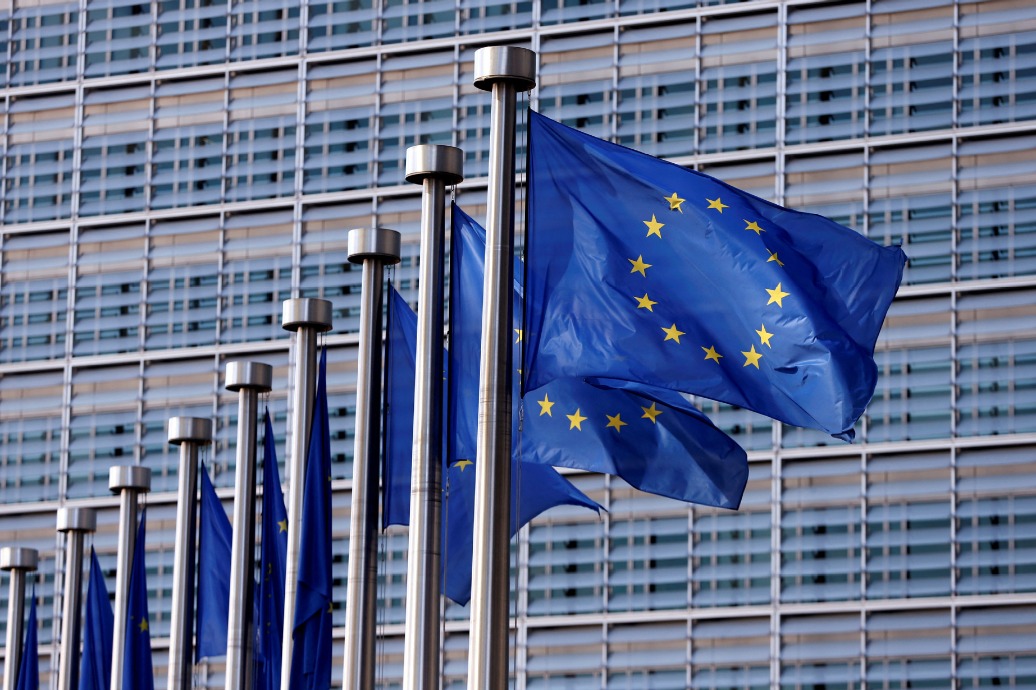
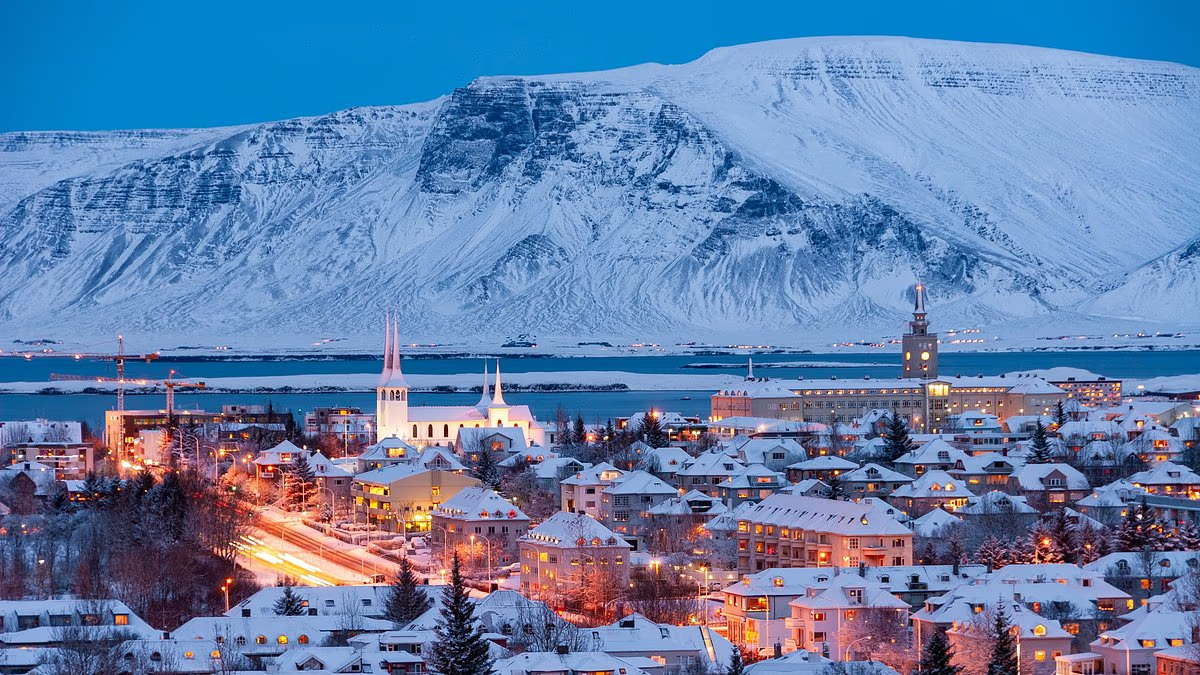
Iceland is set to hold its own 'Brexit-style' referendum, with citizens warned that joining the European Union could be the 'worst business idea' the country could have. The referendum to decide whether Iceland's government will restart membership talks with the EU will be held on August 29, more than a decade after getting cold feet about joining the bloc. The decision for the fiercely independent Arctic island nation with a population of just 400,000 comes as concerns grow about geopolitical instability and economic pressures.But critics fear that joining the European bloc would not make economic sense and leaving would prove impossible. Professor Haraldur Ólafsson, who is leading the 'no' campaign in Iceland, told The Telegraph: 'I would suggest that becoming a member of the European Union is the worst business idea Iceland could think of, and being a member is a huge step away from democracy as we know it.'Ólafsson, whose campaign's Keep In Control drew inspiration from the Leave campaign's Take Back Control slogan in the Brexit referendum, said Icelanders would regret the decision, arguing that although the country has its own trade and fishing policy, it is already part of the EU's single market, meaning it already follows the bloc's regulations.He also explained that the UK's decision to leave the EU served as a warning of how difficult it is to leave the bloc if a country later regrets joining. 'The conclusions we can draw from Brexit are that you are not supposed to leave the EU,' he said, adding: 'They would make it as and if we had the euro, it would go from being difficult to being impossible.'Iceland is set to hold own 'Brexit-style' referendum. File image: Union flag and EU flag outside the Houses of Parliament, London Critics have warned that joining the European bloc could have serious economic consequences for the Arctic nation. File image: General view of Reykjavik, the capital of IcelandFor decades, Iceland avoided seeking EU membership because it was concerned it would be forced to share its rich North Atlantic fishing grounds with boats from other European nations.It applied to join the bloc in 2009, after the country's debt-burdened banking sector collapsed during the 2008 global financial crisis. Talks were suspended in 2013, when a centre-right government came to power, and they formally ended in 2015.Iceland participates in the EU's single market through the European Economic Area, and is part of the Schengen free-travel zone. Prime Minister Kristrun Frostadottir’s centre-left coalition government, elected in 2024, had said it wanted to hold a vote by 2027, but sped up that timetable after US President Donald Trump threatened to take over neighbouring Greenland. Trump several times referred to Greenland as Iceland during a heated international spat about the president’s aim of acquiring the vast Arctic territory.The rising cost of living, Russia’s war in Ukraine and trans-Atlantic tensions have also contributed to growing concerns about Iceland’s security. The volcanic island nation has no army and relies on NATO and a bilateral defence agreement with the USTen countries are currently in accession talks with the EU, with Albania, Moldova, Montenegro and Ukraine top of the list.Joining the bloc requires a yearslong process run by the European Commission assessing 35 sets of criteria from transparency and financial systems to fisheries, transport networks, agricultural regulations, and freedoms like speech and religion. All current EU member nations must unanimously agree to admit the applicant. Hungary has threatened to veto Ukraine's accession.