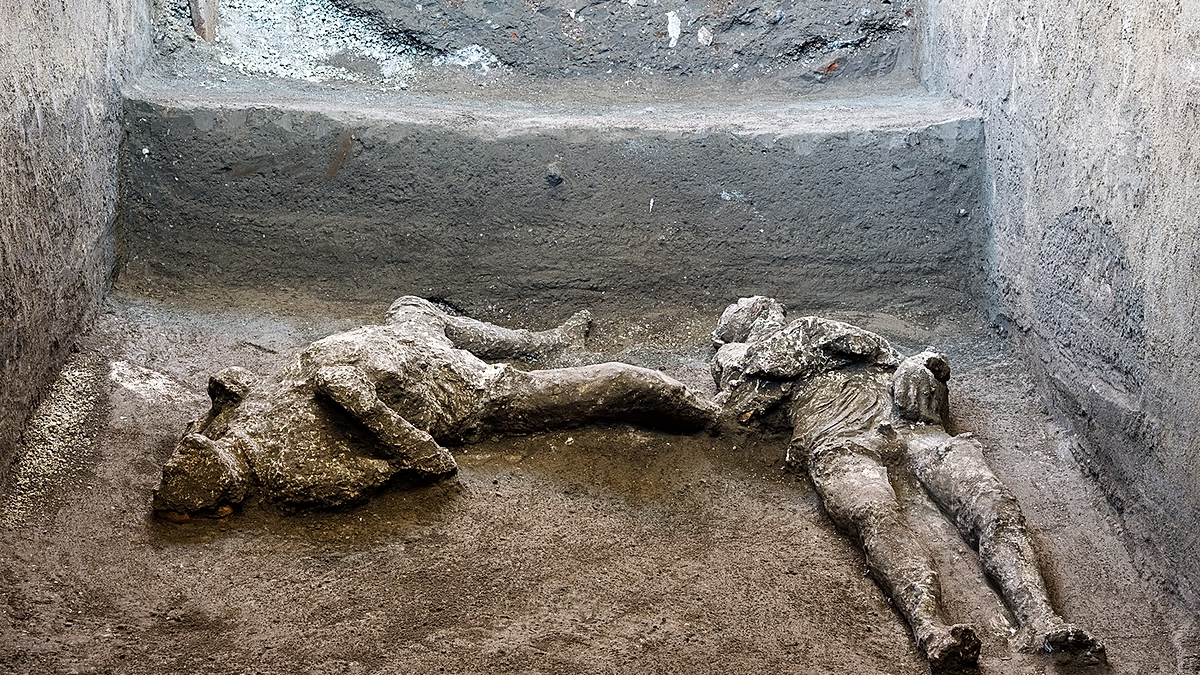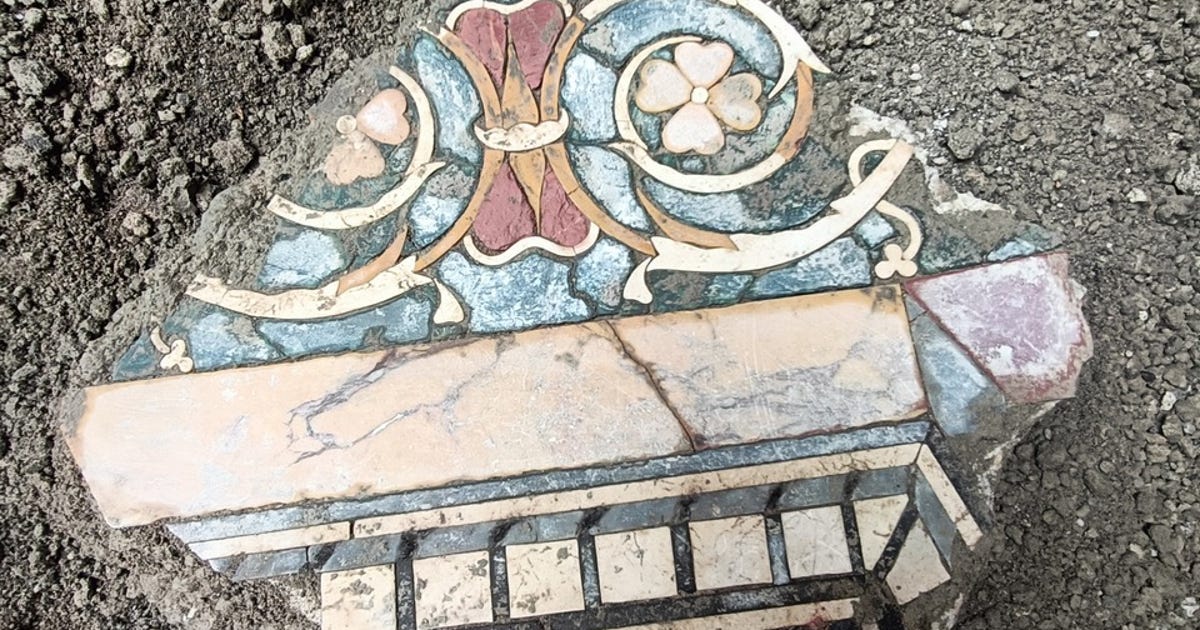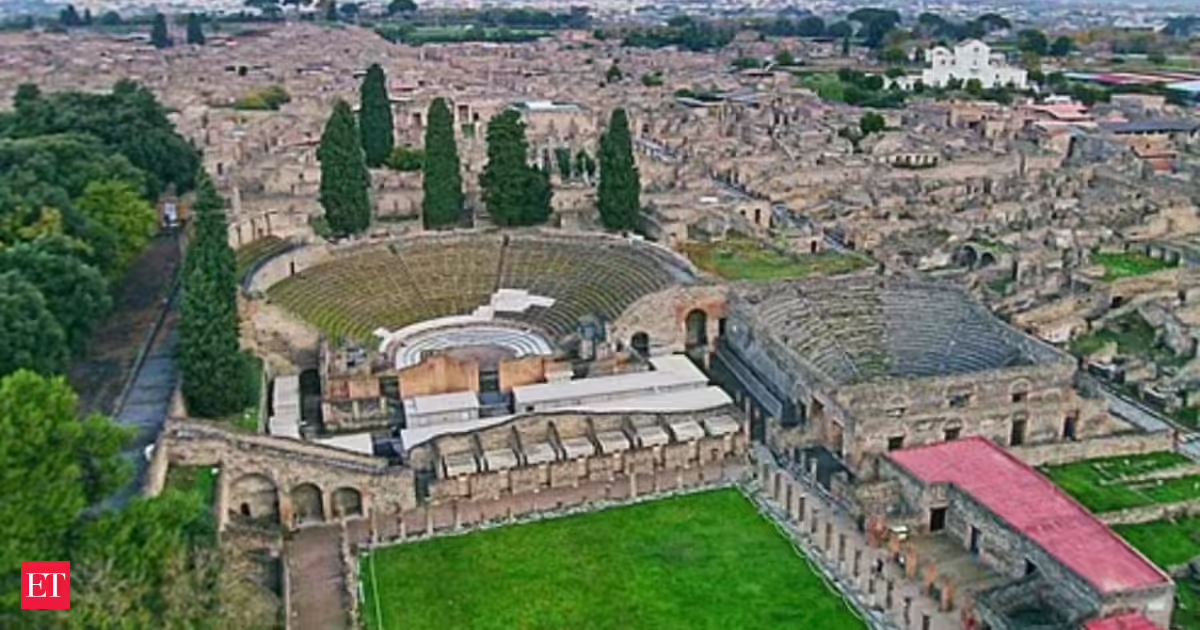
Pompeii did not end in AD 79.. For centuries, while the Roman city remained buried beneath the debris of Vesuvius’ eruption, people went on living among those ruins and kept its memory alive. This surprising story is now being told thanks to a number of new finds in the Insula Meridionalis, in the southern area of ancient Pompeii.
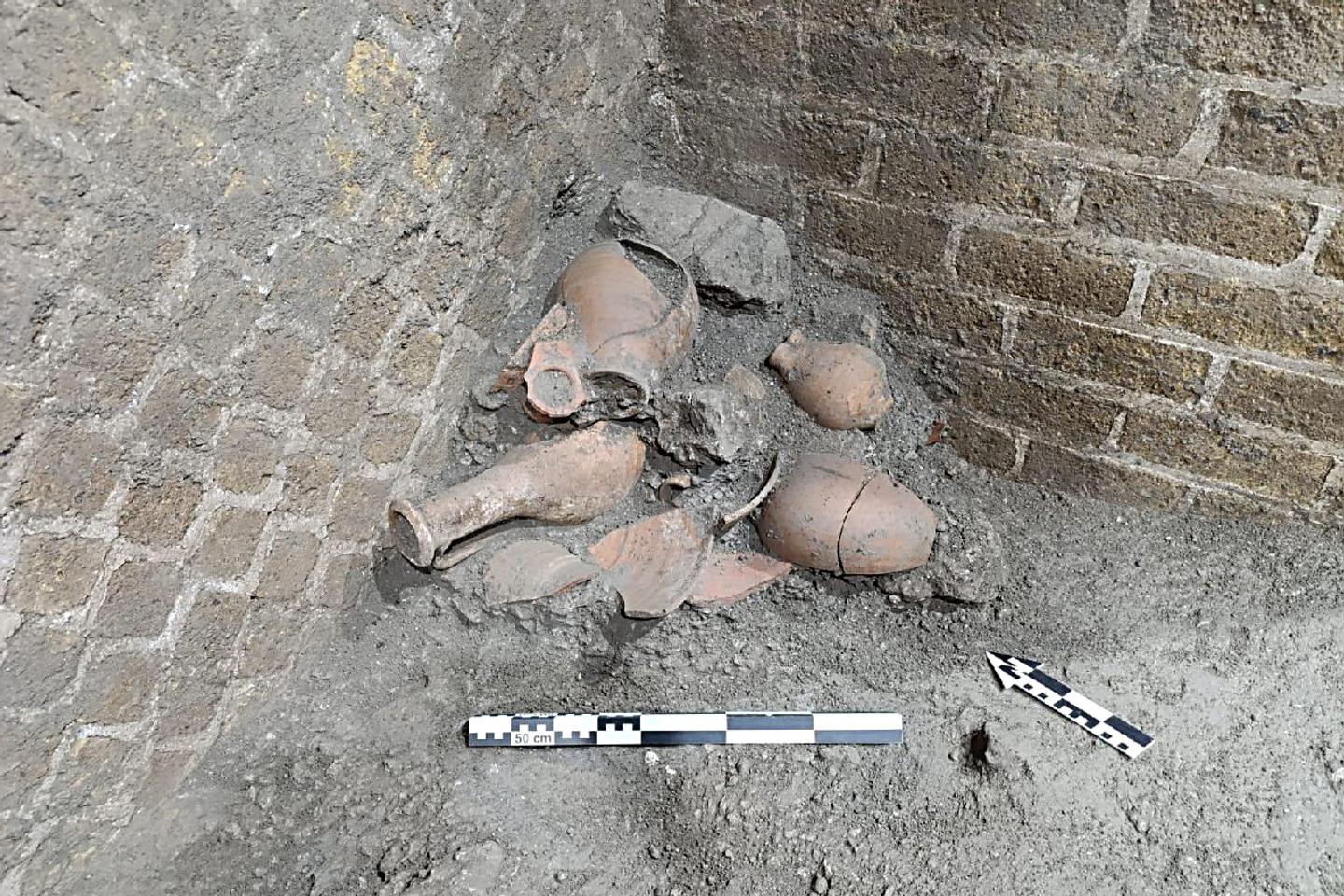
Materials and ceramic artefacts dating from the 15th and 16th centuries have in fact provided fresh evidence of human presence on the site many centuries before the start of the Bourbon excavations, launched in 1748.
The discovery challenges the most common image of Pompeii: on the one hand the Roman city, frozen by the eruption of AD 79; on the other modern Pompeii, brought back to light almost seventeen centuries later. In between, however, lies a far more nuanced story.
The "Pompeii after Pompeii"
"The docu-drama Pompei Fuori dal tempo with Tom Hiddleston, and the work of archaeologist Steven Tuck, show how the theme of the survivors is finally becoming the focus of research and outreach initiatives," explains Gabriel Zuchtriegel, director of the Archaeological Park of Pompeii.