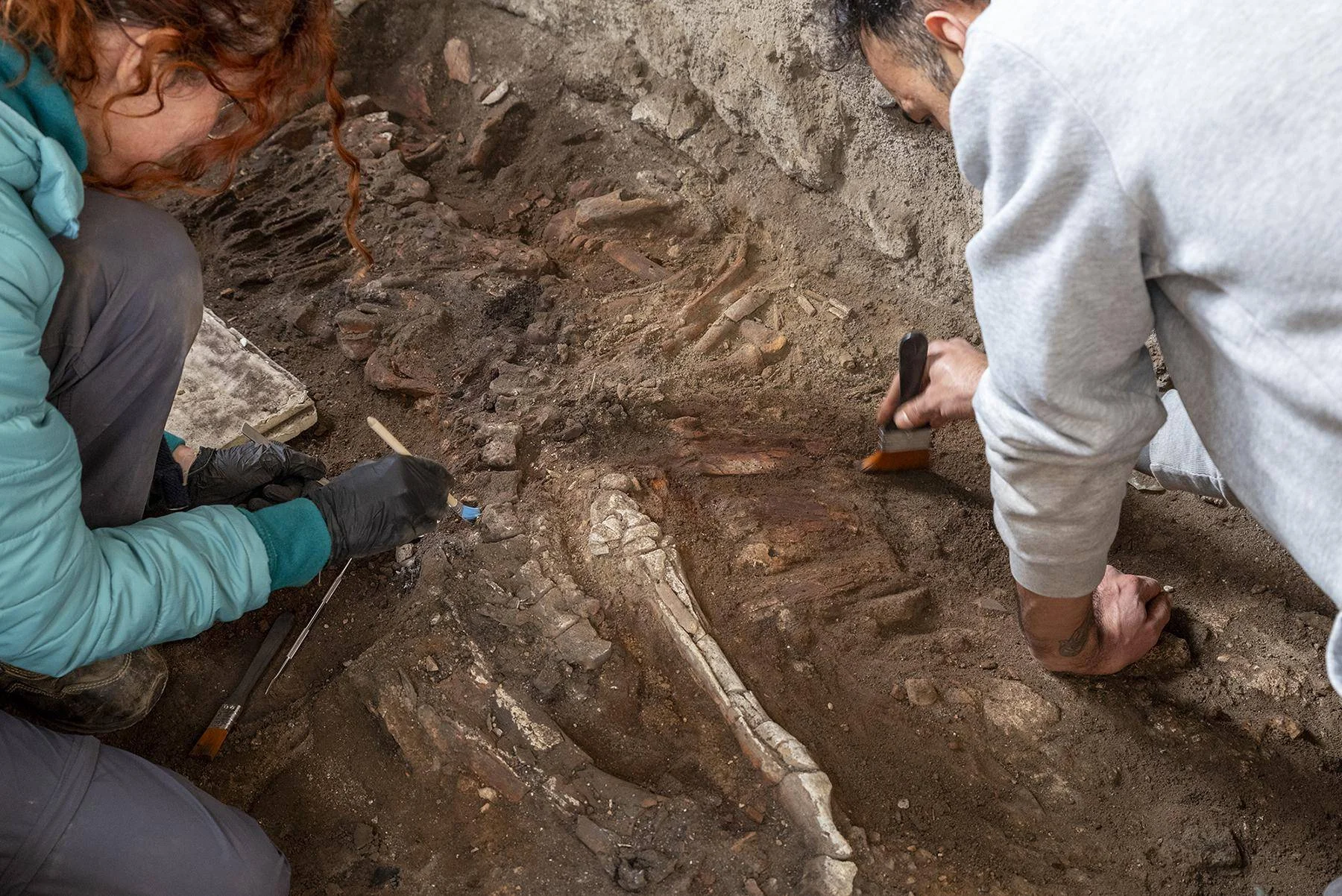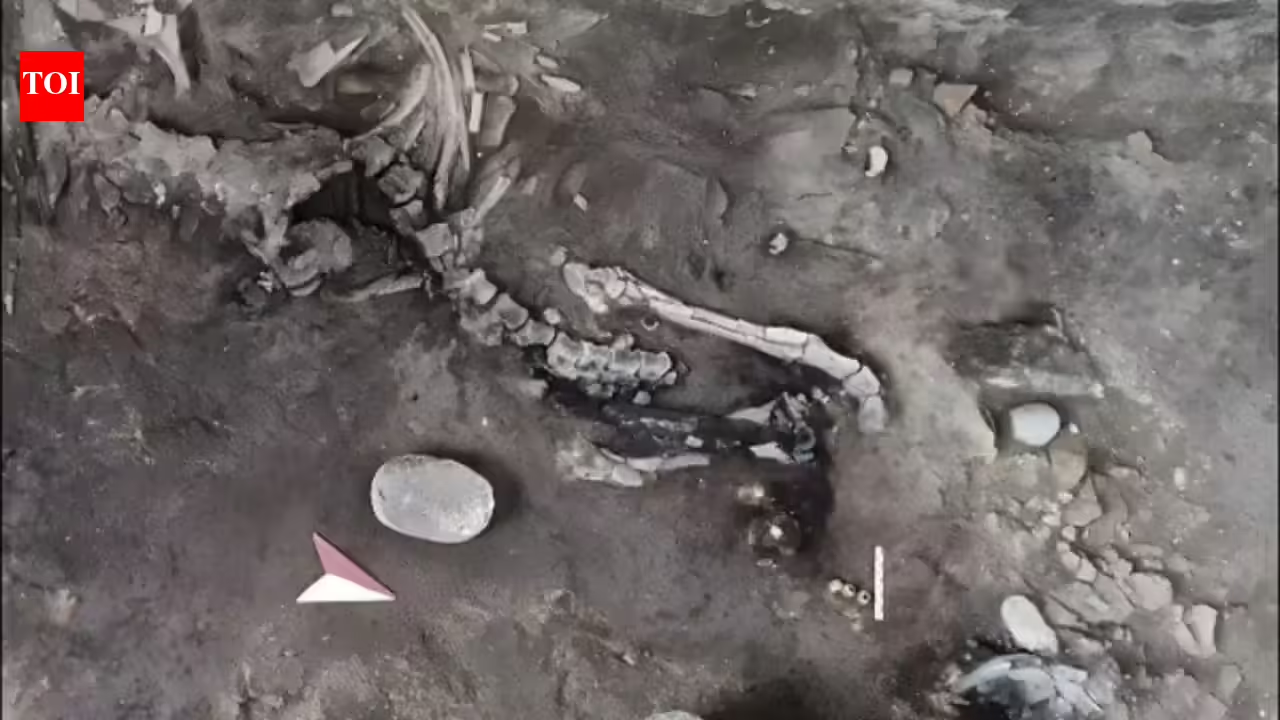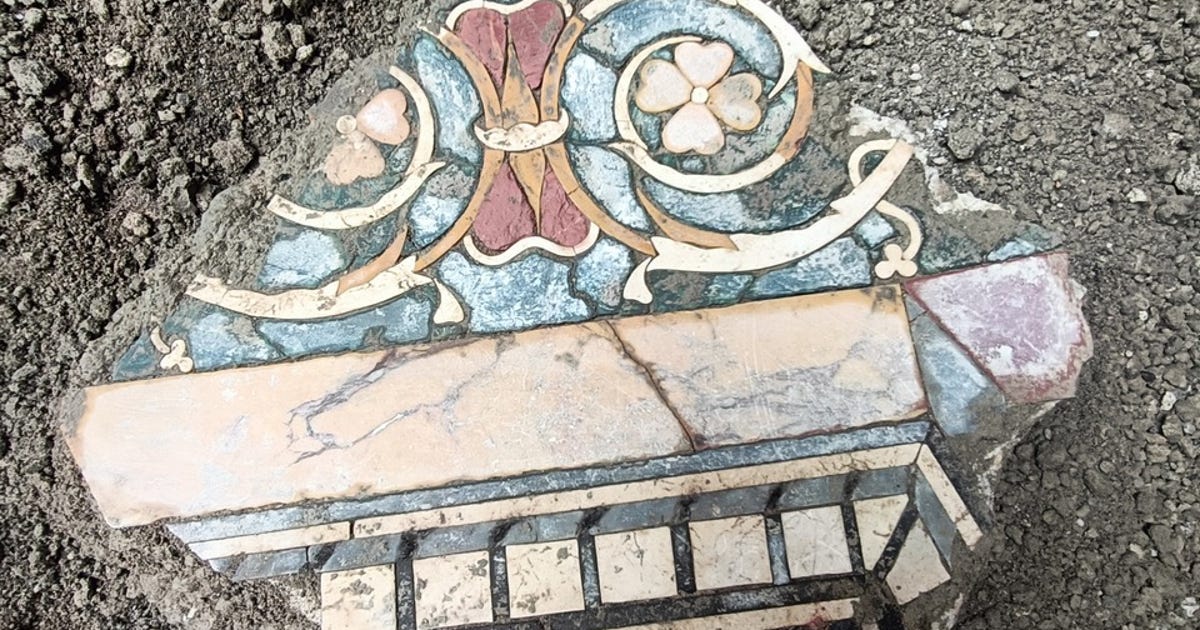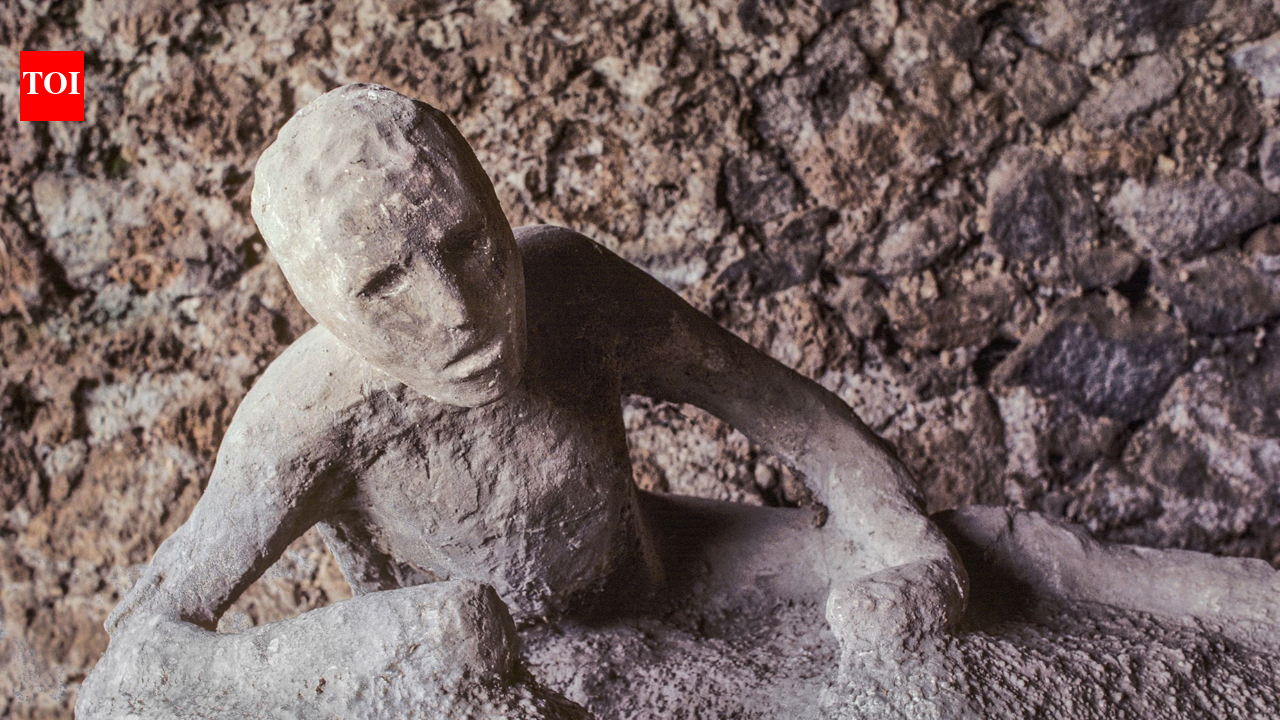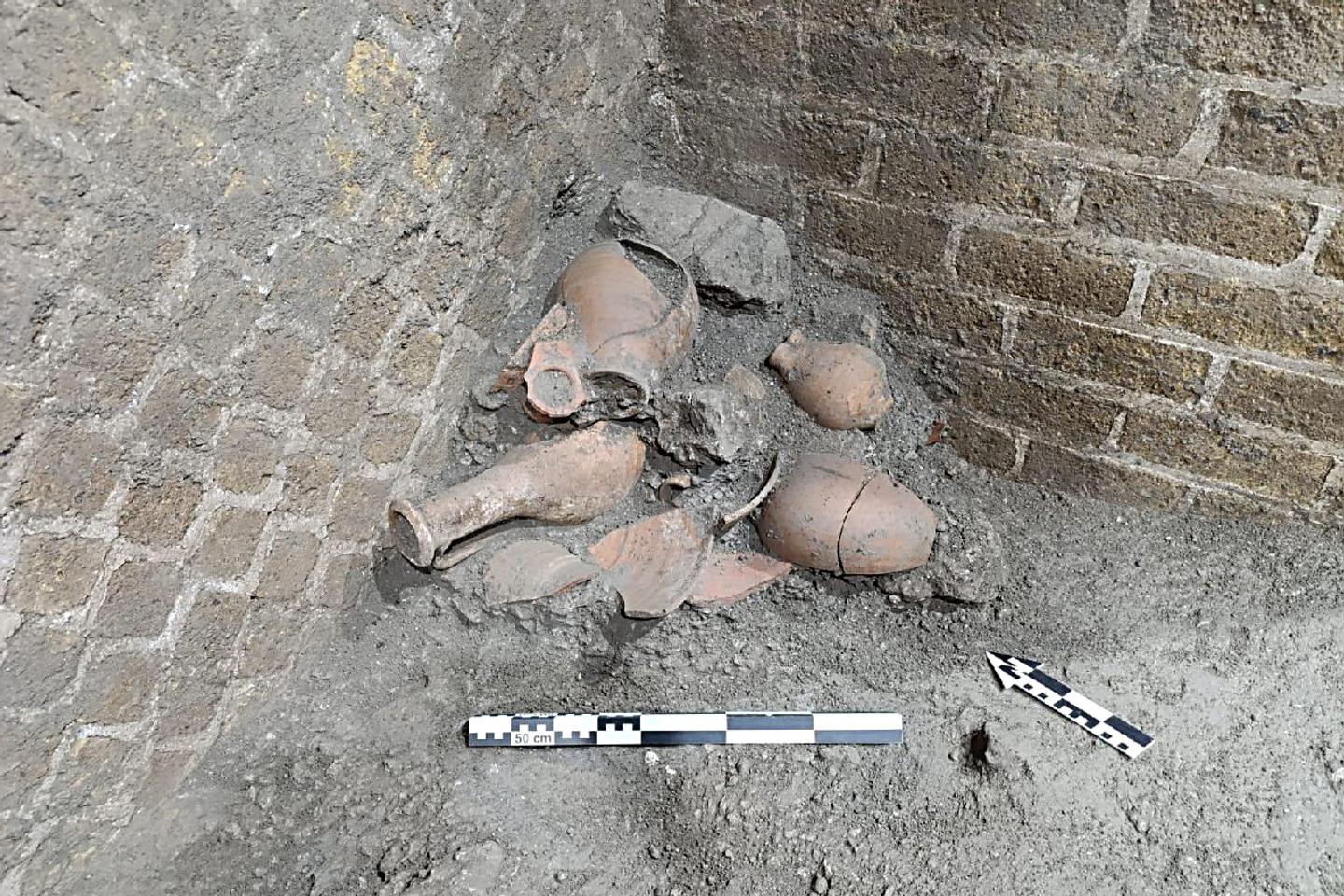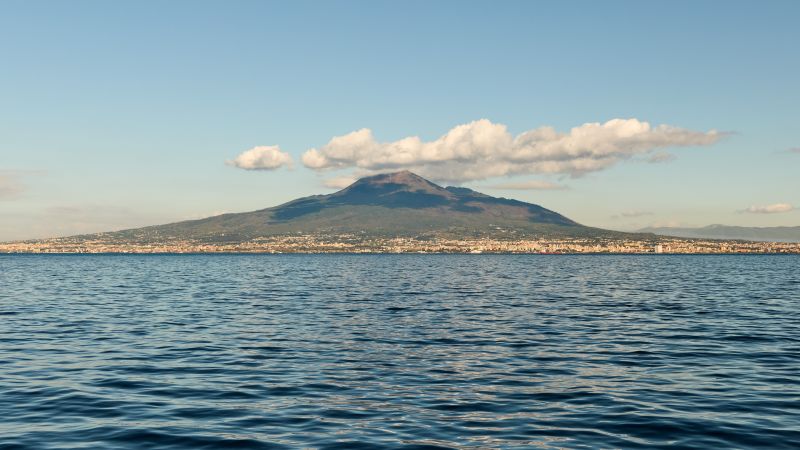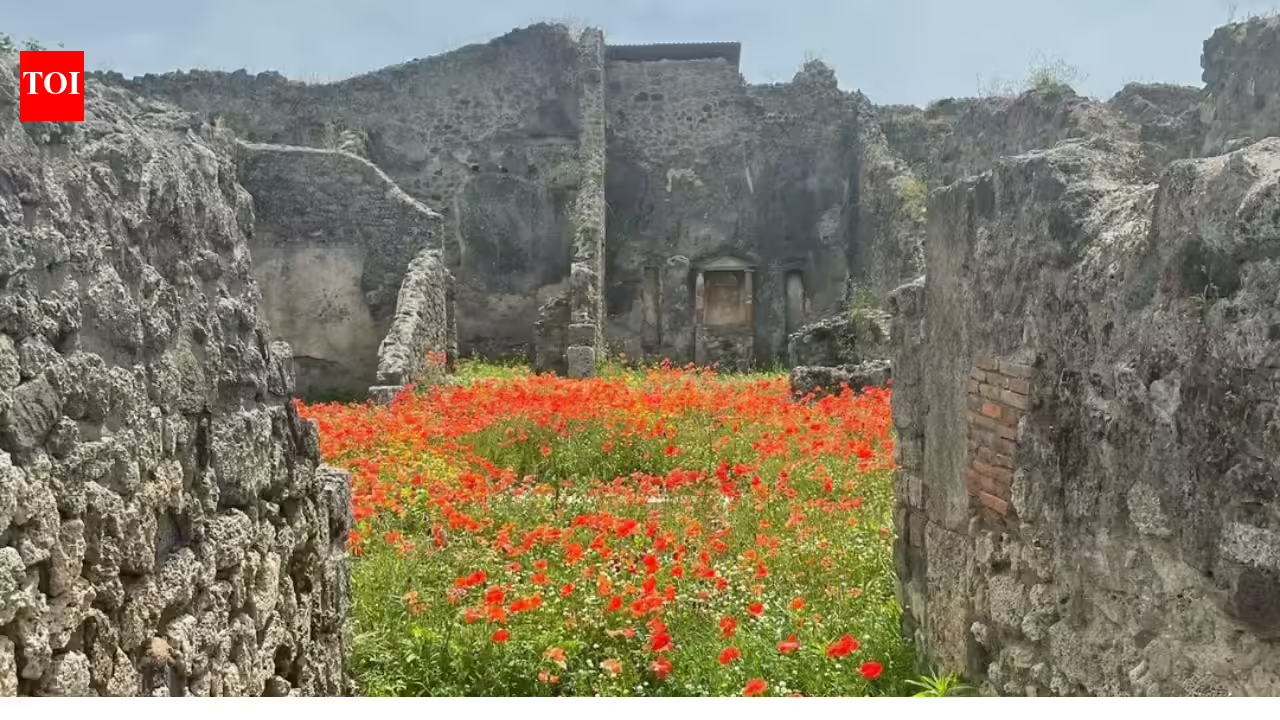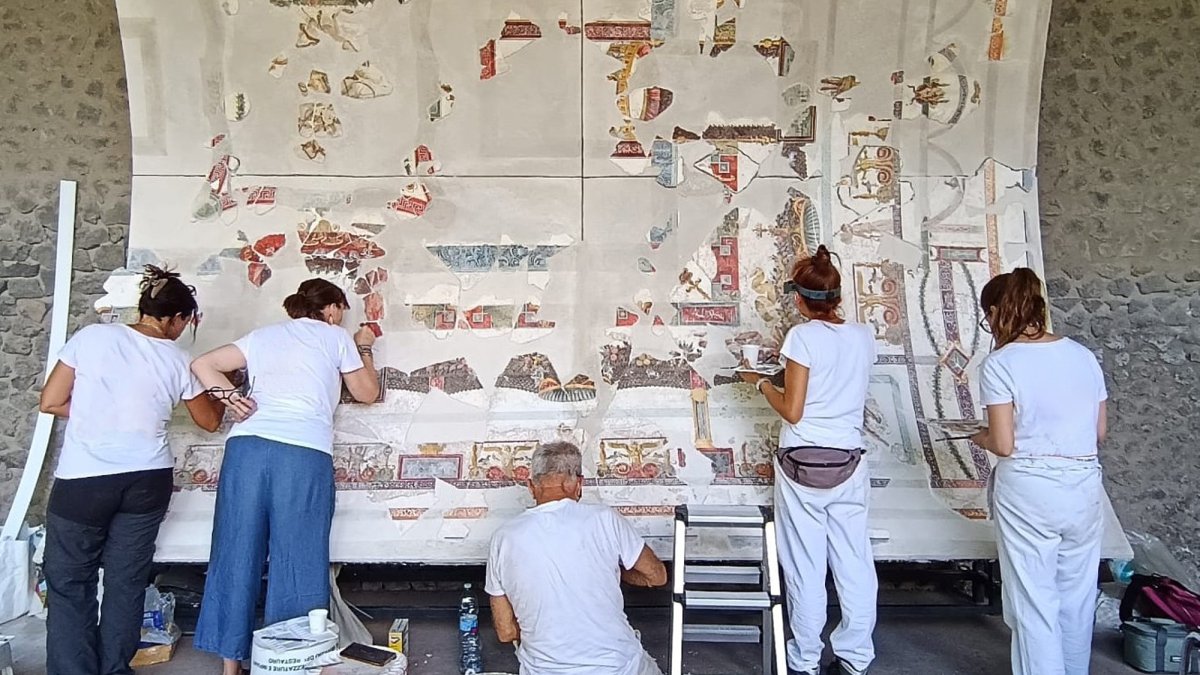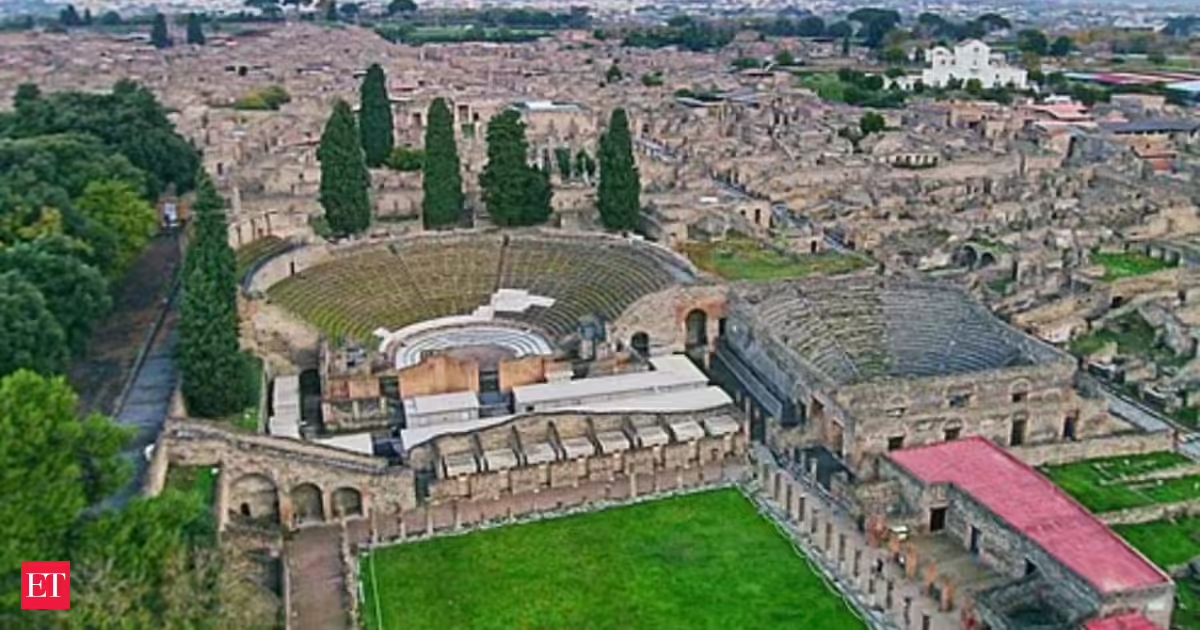
SynopsisIn a serendipitous turn of events in 1748, excavations near Naples revealed the buried city of Pompeii, a Roman gem preserved by the volcanic fury of Mount Vesuvius. This extraordinary discovery opened a window into the everyday lives of Romans, reshaping archaeological methods to focus on conserving these invaluable sites and understanding ancient cultures as a whole.View of Pompeii and Mount Vesuvius | Wikimedia CommonsIn 1748, folks digging near Naples found something odd, not your usual rubble. Below the dirt and rock lay wall paintings, pieces of buildings, and hints of a city long hidden by the Mount Vesuvius eruption of AD 79. Back then, no one understood the full scope of their discovery. It wasn't an organized archaeology job; it was more random.Still, the first colorful wall was a clue to one of history's big comebacks. As time went on, they realized this spot held Pompeii, a place where volcanoes froze life as it was in the Roman era. Thanks to this accidental find, we now get a super detailed peek at day-to-day Roman life. From simply poking around on a whim, they sparked changes in archaeology, protecting old sites, and how we learn about past civilizations.View of Pompeii and Mount Vesuvius | Wikimedia CommonsA buried city slowly emergedThe rediscovery of Pompeii wasn't immediate; as folks from the University of Cincinnati point out, big-time digs near Vesuvius started when Herculaneum was discovered in 1738. Ten years on, in 1748, they began uncovering Roman relics in an area known as La Civita. An article in PubMed mentions this was part of a larger royal endeavor ordered by King Charles III to collect shiny ancient treasures.Everything shifted when painted walls popped up, and this wasn't just about finding old trinkets; it suggested entire structures remained untouched. It wasn't just fragments of daily Roman life; it was an entire preserved city. The realization hit that they'd stumbled upon something way more incredible than anyone had thought.Why the painted walls matteredThe first uncovered frescoes and rooms grabbed everyone's attention, making the ancient city seem right there in front of us. A Nature article talks about how Pompeii is not just an awesome archaeological spot but also a unique account of a volcanic disaster. Because the city stayed preserved, people could experience Roman life through its actual streets, homes, workshops, and public areas, not just from reading about it. This visual aspect mattered a lot. While broken pottery and random artifacts teach historians plenty, painted walls show stories that nearly anyone can grasp right away. These walls give insight into people's tastes, wealth, religious views, and daily lives in one go.According to University College London, slowly revealing Pompeii created what's now one of the world's top outdoor museums. People moving through those spaces, which still look like parts of a working city, really connect with the ancient times in a way that few other sites can match.The casts of some victims in the so-called "Garden of the Fugitives", Pompeii | Wikimedia CommonsFrom royal treasure hunt to archaeological landmarkThe earliest digs at Pompeii didn't meet modern standards. Instead of logging whole scenes, they often just grabbed portable items. Over time, though, folks working there started to think differently. A study in Public Archaeology and other research on PubMed Central show how Pompeii became part of a bigger shift in the eighteenth century toward protecting sites and managing heritage. With more buildings surfacing, scholars realized the site's true worth was in how its parts connected – streets, homes, shops, temples, and public spaces all mattered together.That realization changed archaeology. Pompeii showed that an ancient city could be looked at as a full environment, not just a bunch of treasures. Houses could tell us about daily life, streets could show how cities were planned, and everyday items could reveal common habits. Over 275 years since the painted walls were first uncovered, Pompeii is still one of the most influential archaeological sites around. The amazing preservation, thanks to being sealed in volcanic ash, kept lots of details safe that would've otherwise been lost. When it was dug up, it shifted how we examine and imagine the ancient world.Read More News on(Catch all the US News, UK News, Canada News, International Breaking News Events, and Latest News Updates on The Economic Times.) Download The Economic Times News App to get Daily International News Updates....moreless
In 1748, workers digging near Naples hit painted walls, and Pompeii began returning from ash
In a serendipitous turn of events in 1748, excavations near Naples revealed the buried city of Pompeii, a Roman gem preserved by the volcanic fury of Mount Vesuvius. This extraordinary discovery opened a window into the everyday lives of Romans, reshaping archaeological methods to focus on conserving these invaluable sites and understanding ancient cultures as a whole.
725 words~3 min read