The ancient Romans attempted to rebuild after the disaster of 79 C.E., and continued to eke out a post-apocalyptic living among the ruins of Pompeii for centuries, archaeological finds show
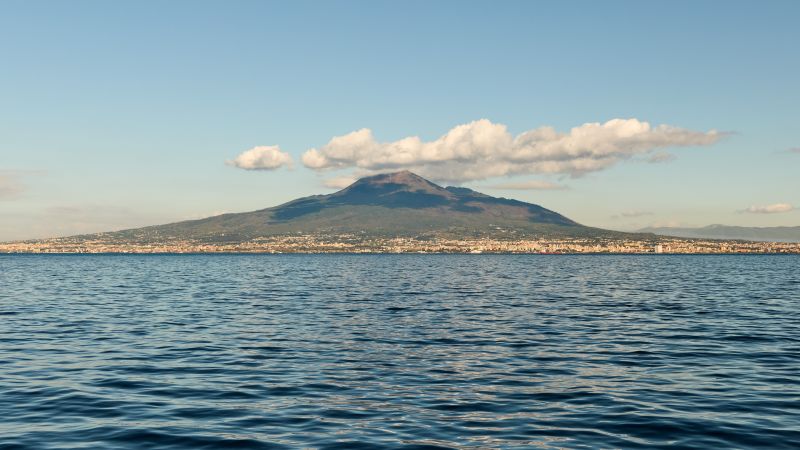
In the aftermath of the eruption of Mount Vesuvius in 79 C.E., the once-bustling city of Pompeii was a smoldering landscape of ash covering wrecked buildings and decomposing corpses. But life, as the saying goes, found a way.
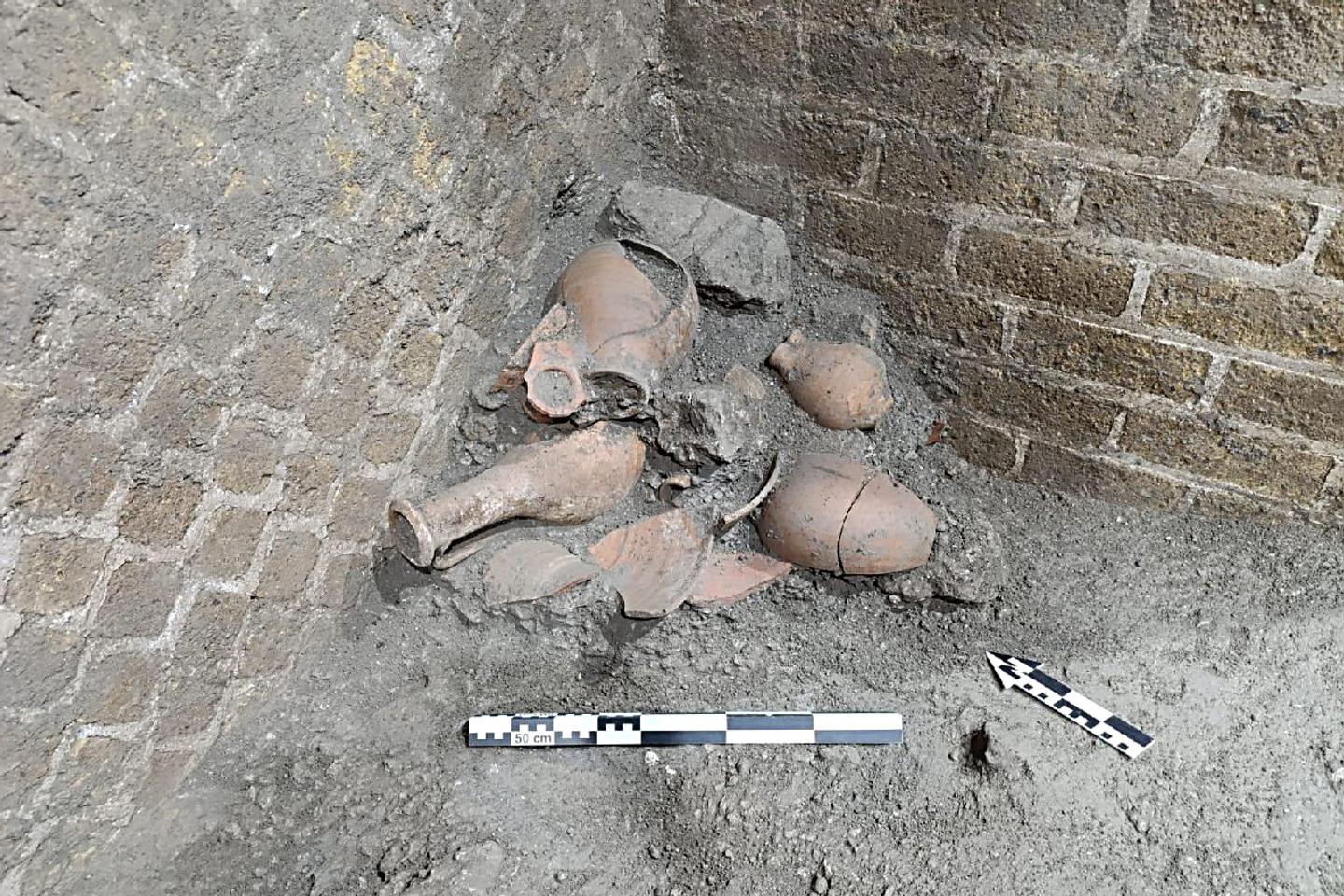
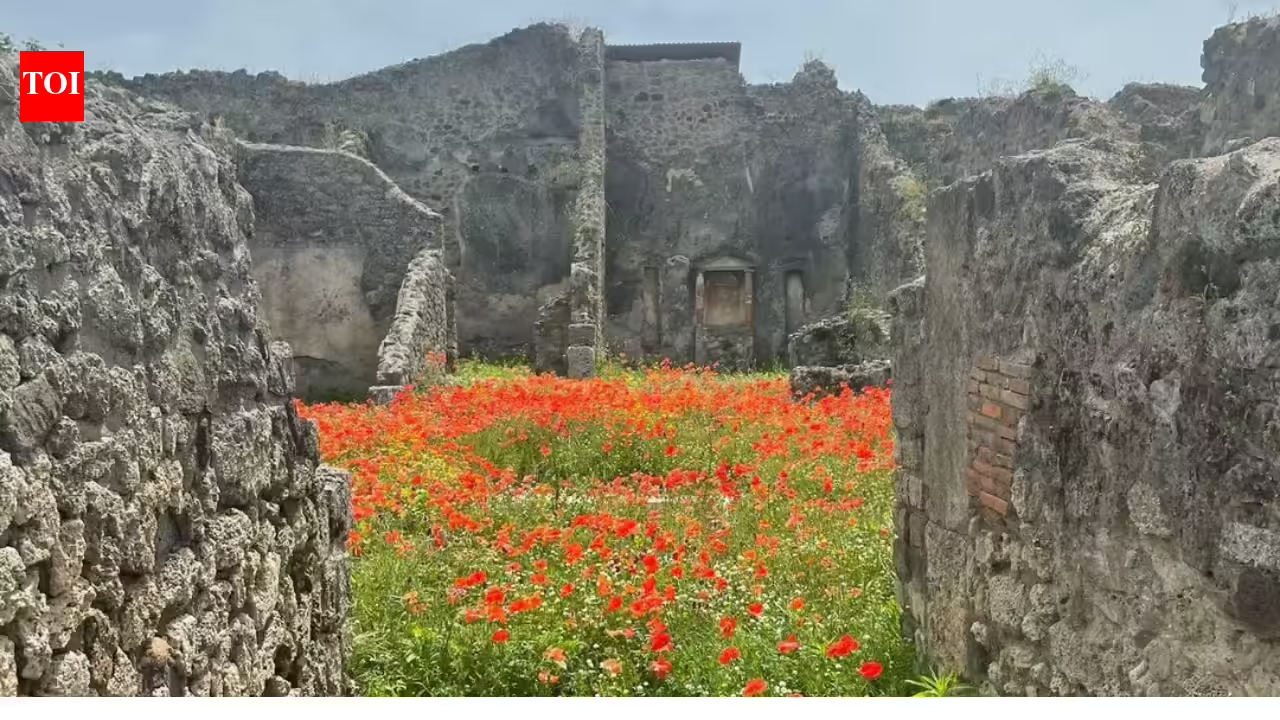
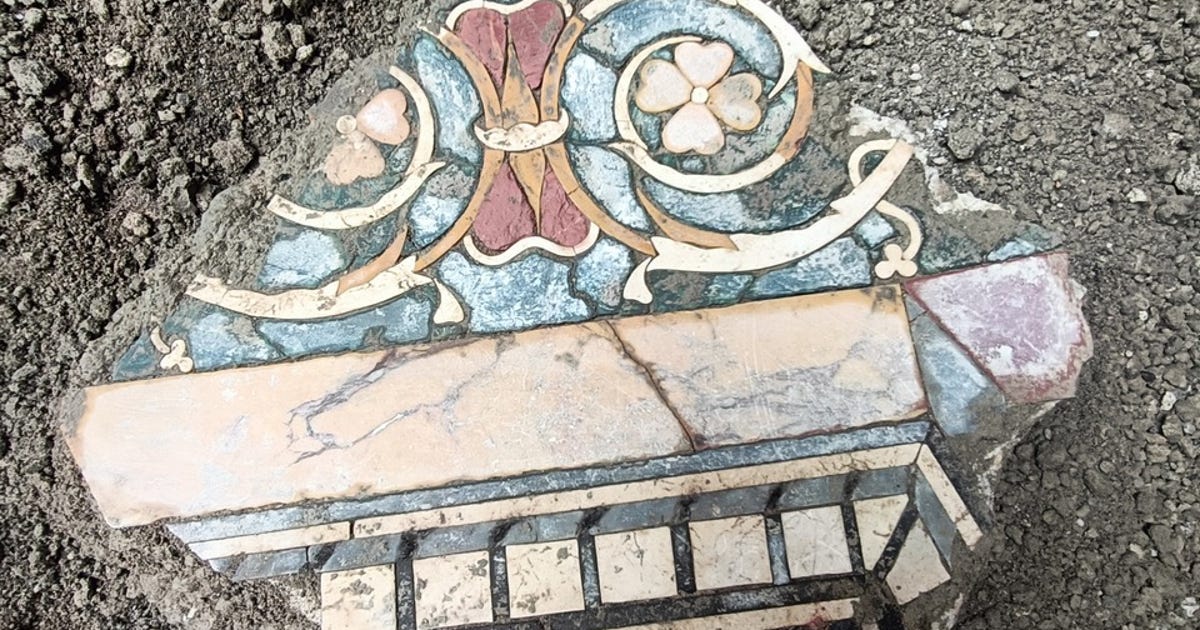
Either by choice or because they had nowhere else to go, people returned and continued to live for at least four centuries among the ruins of Pompeii, Italian archaeologists say. A new dig at the magnificently preserved Roman site has uncovered evidence of this post-eruption existence, showing that Pompeii never went near its former grandeur, but also didn't completely disappear.
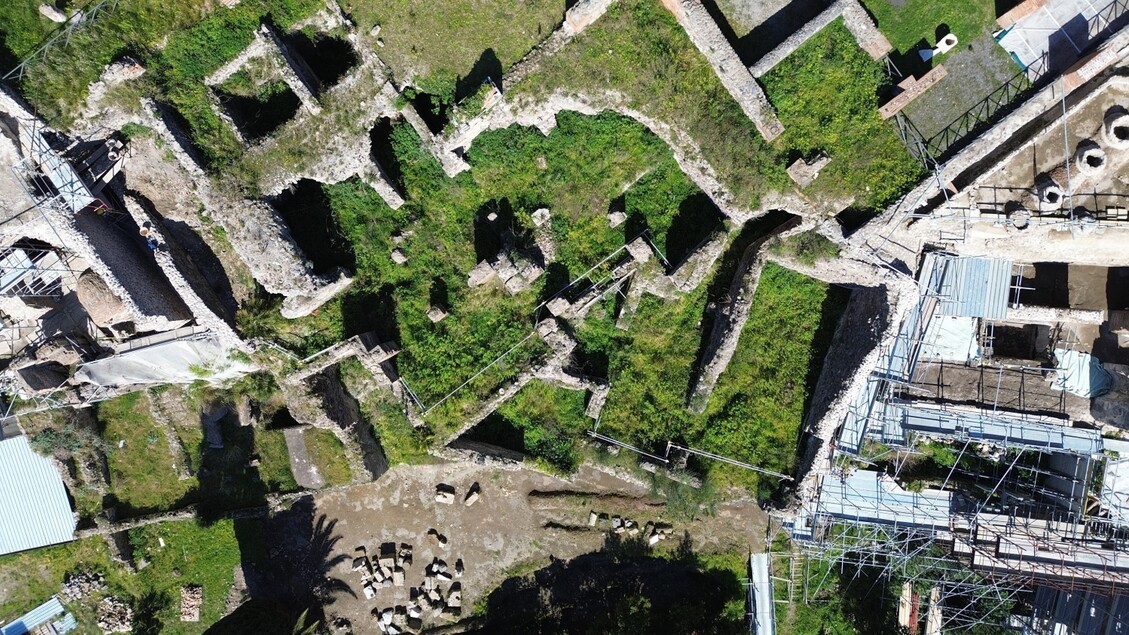
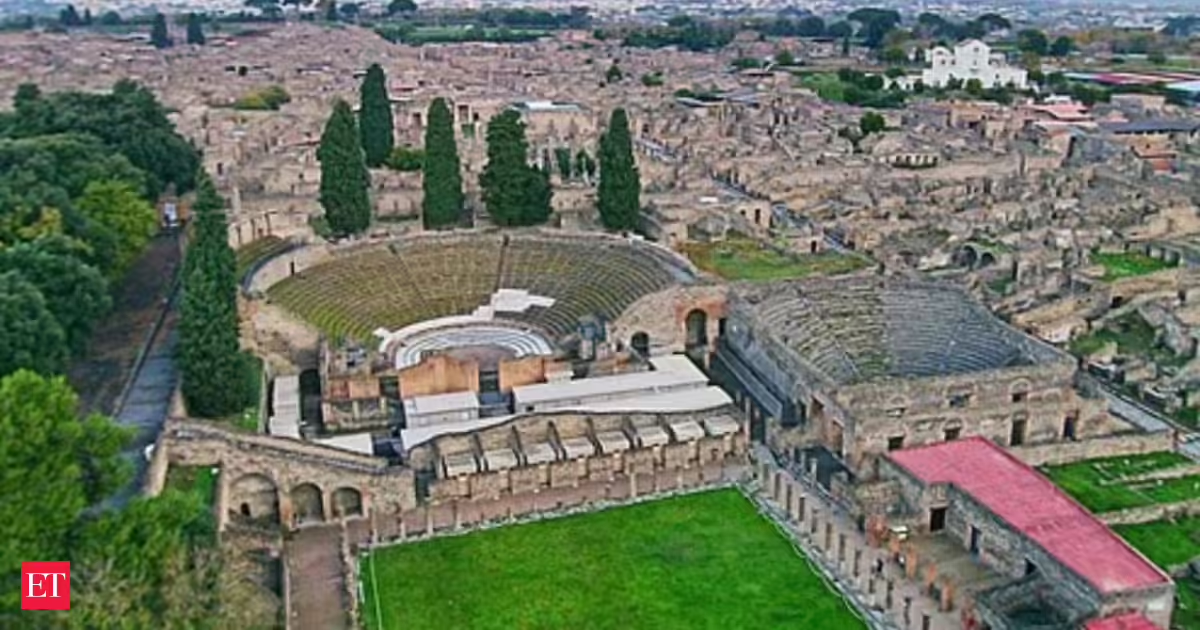
The researchers focused on the Insula Meridionalis, the southernmost neighborhood of Pompeii, which once offered a scenic view of the Gulf of Naples and housed some of the most ostentatious villas in the city, as well as a temple dedicated to the goddess Venus and a large warehouse complex. Work in the area has been ongoing since June 2024 and the archaeologists published a preliminary report Wednesday in the journal of the Archaeological Park of Pompeii.