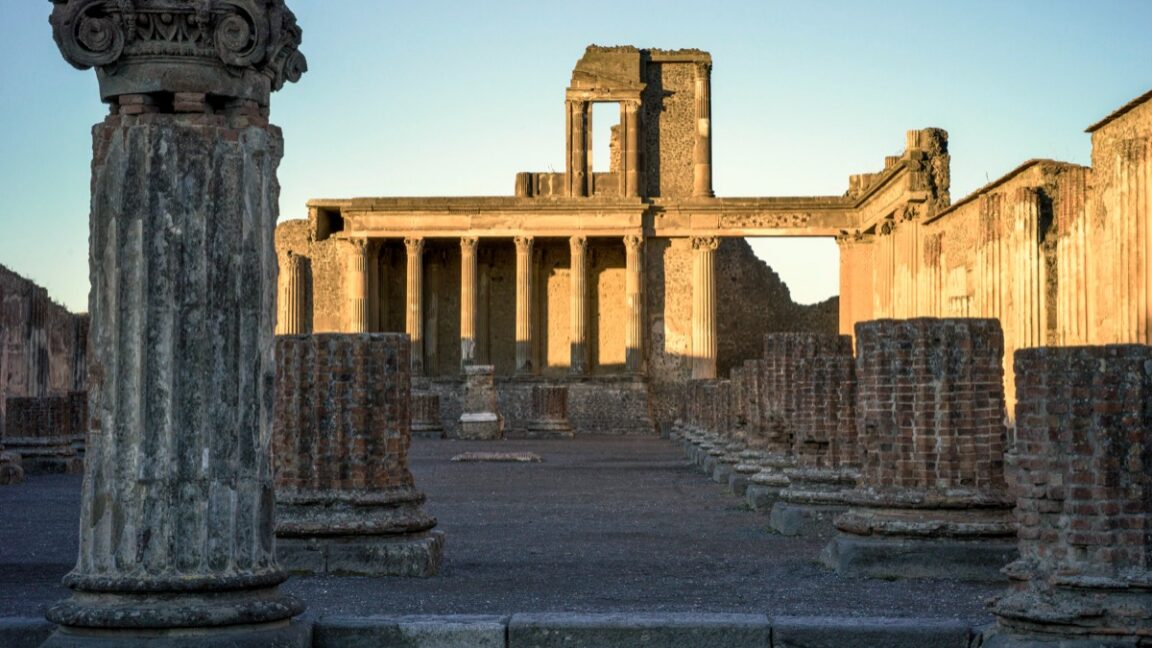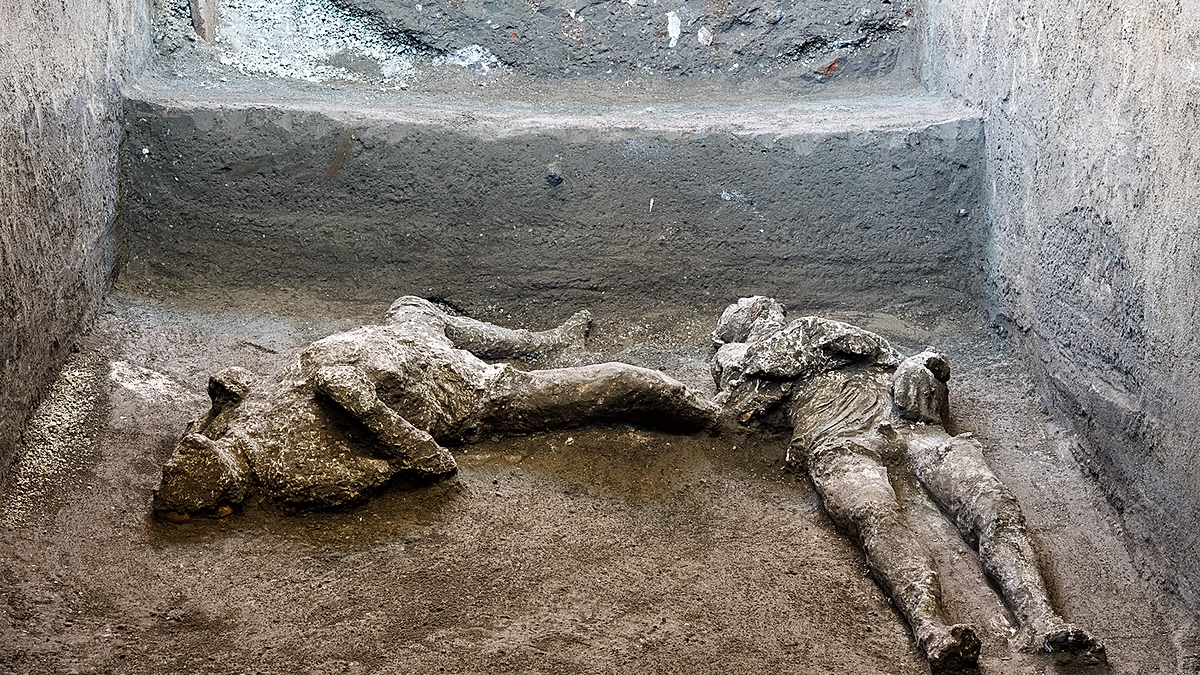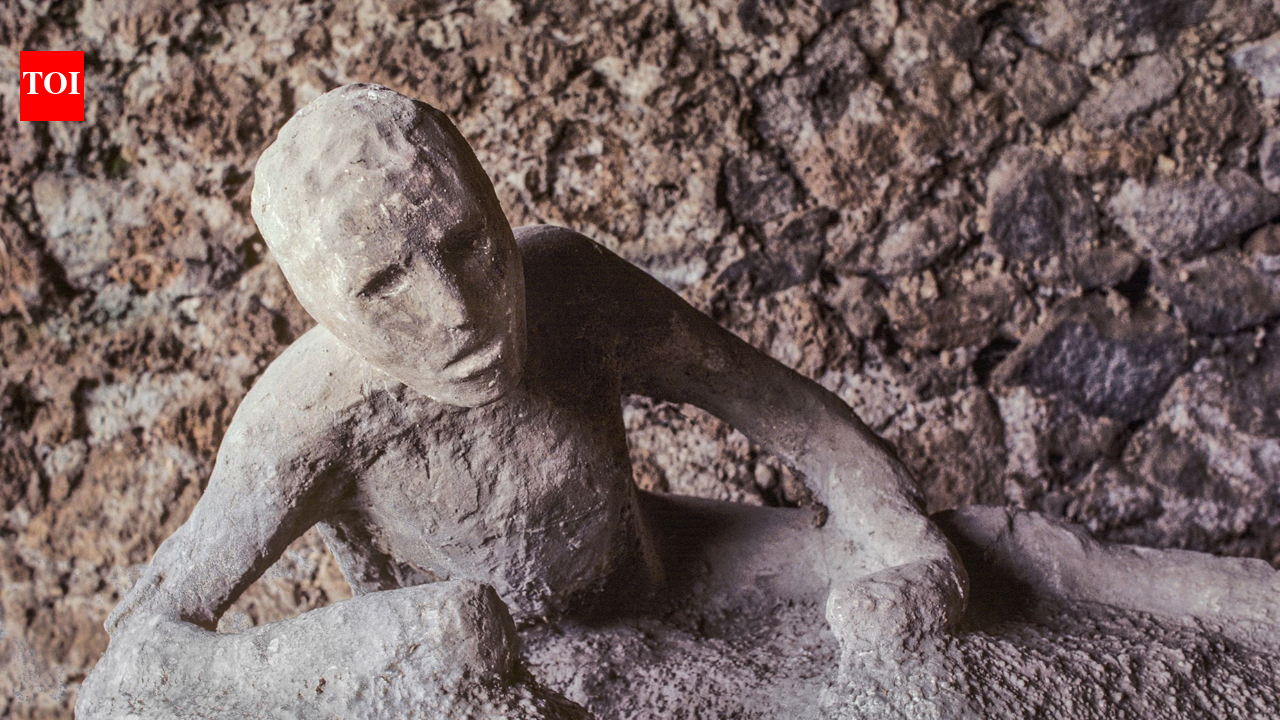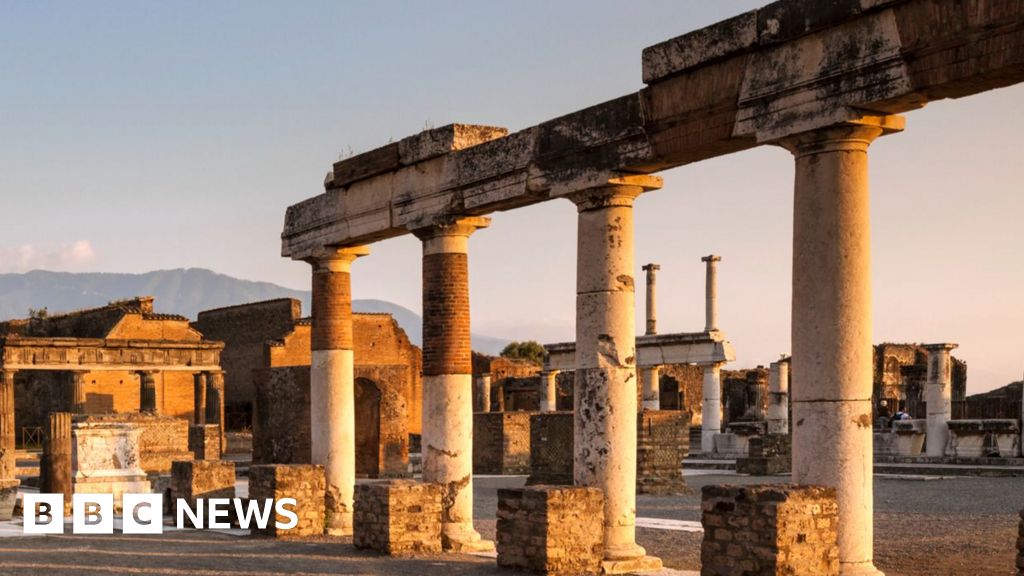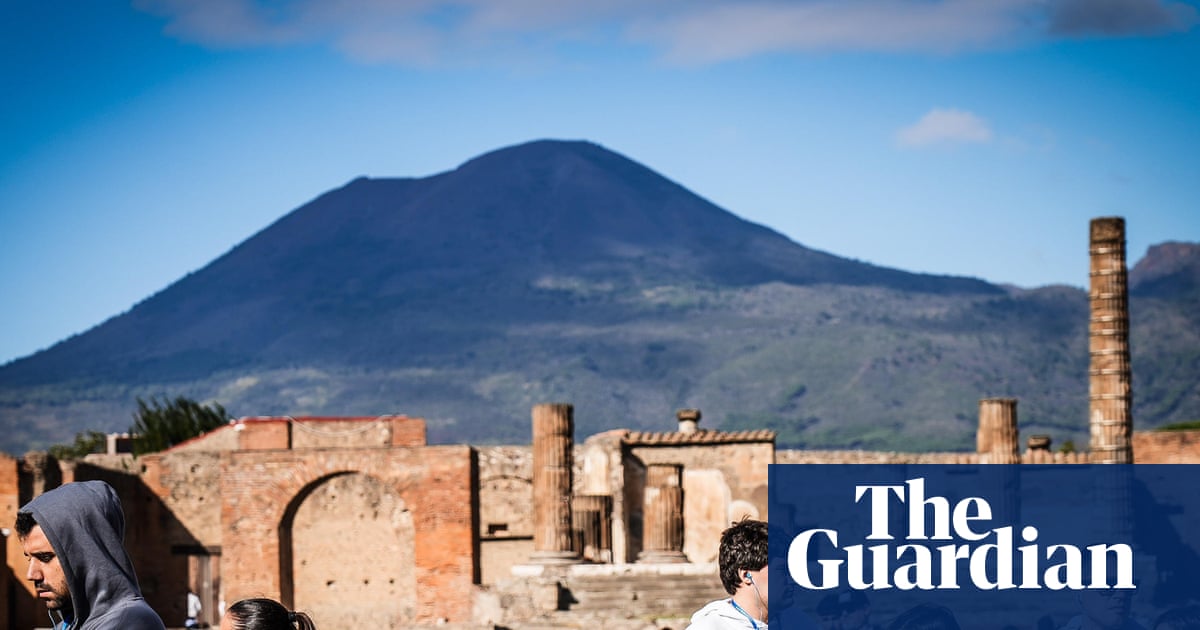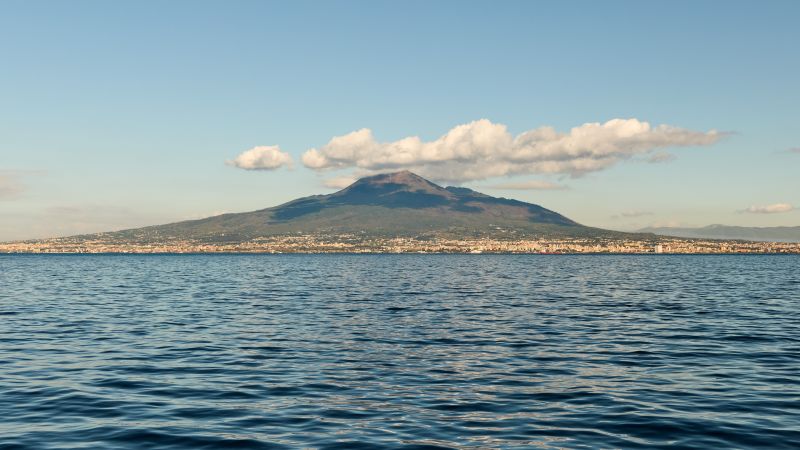
Pompeii is often thought of as an undisturbed time capsule, a once-bustling port that fell silent after Mount Vesuvius erupted and blanketed the ancient Roman city with a thick layer of ash in AD 79.
“It is such a great persistent narrative,” Dr. Steven Tuck, professor and head of classics at Miami University in Oxford, Ohio, told CNN. “You walk around Pompeii, and you’re pretty much hit with that story: Everybody dies, everything’s wiped out.”
But Tuck’s visits to Pompeii over the years revealed what he calls “evidence via absence,” or clues from items missing that fateful day, such as empty household shrines and stables.
“When you look more closely, you realize that there’s a lot of stuff missing that should be there,” Tuck said. “There are no boats tied up on the dock and all of the strong boxes where people kept their cash in in the Roman world, they’re all empty. Eventually, it occurred to me that this doesn’t jibe with that story that everybody died.”
For the past decade, Tuck has worked on the Pompeii Survivors Project, an exhaustive search for those who managed to flee before Pompeii and nearby Herculaneum were destroyed. His findings were published in the 2025 book “Escape From Pompeii: The Great Eruption of Mount Vesuvius and its Survivors.”