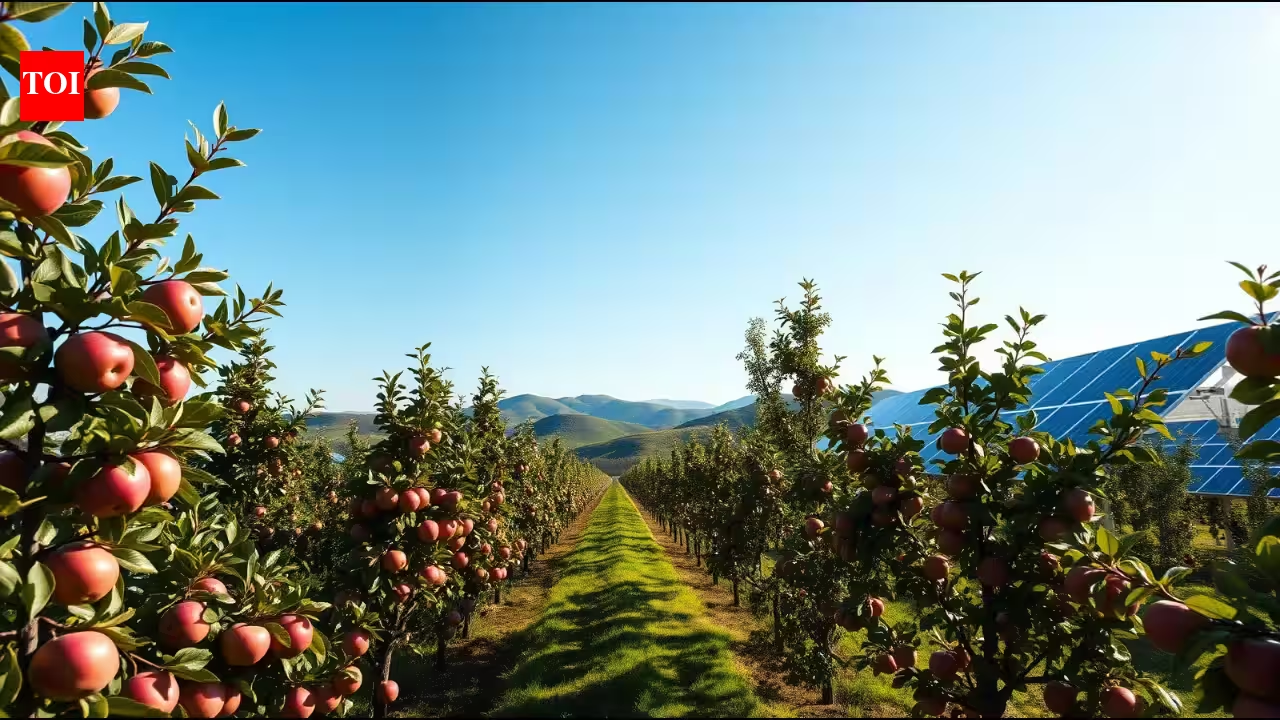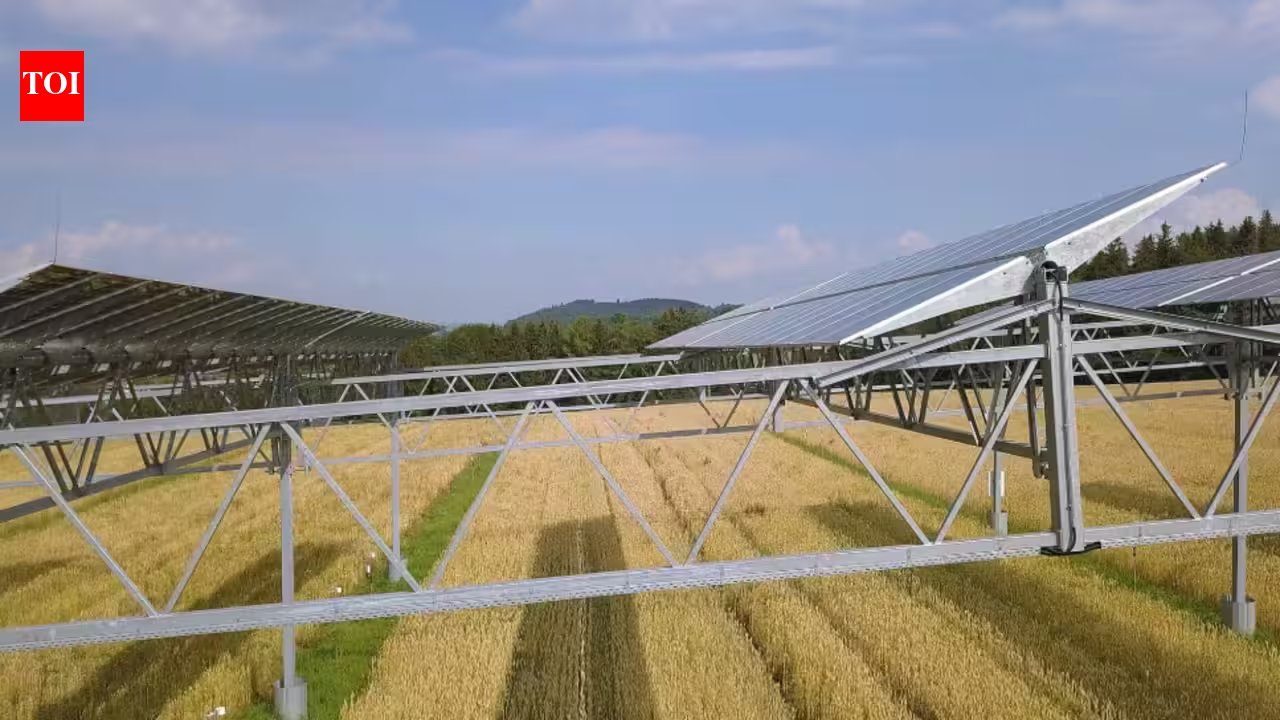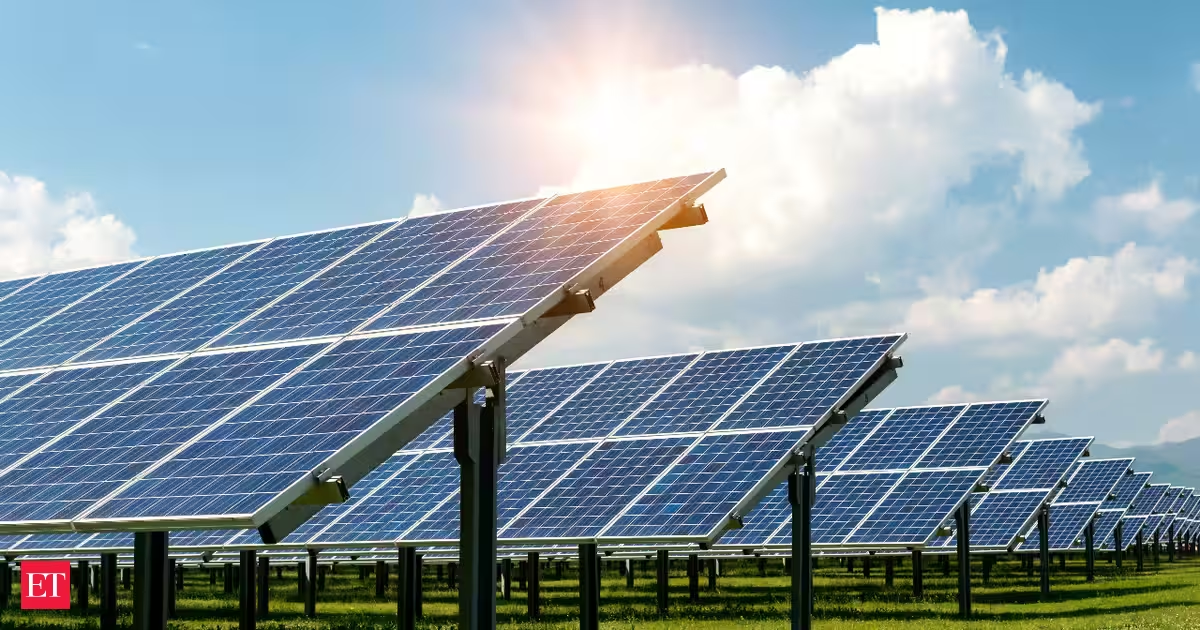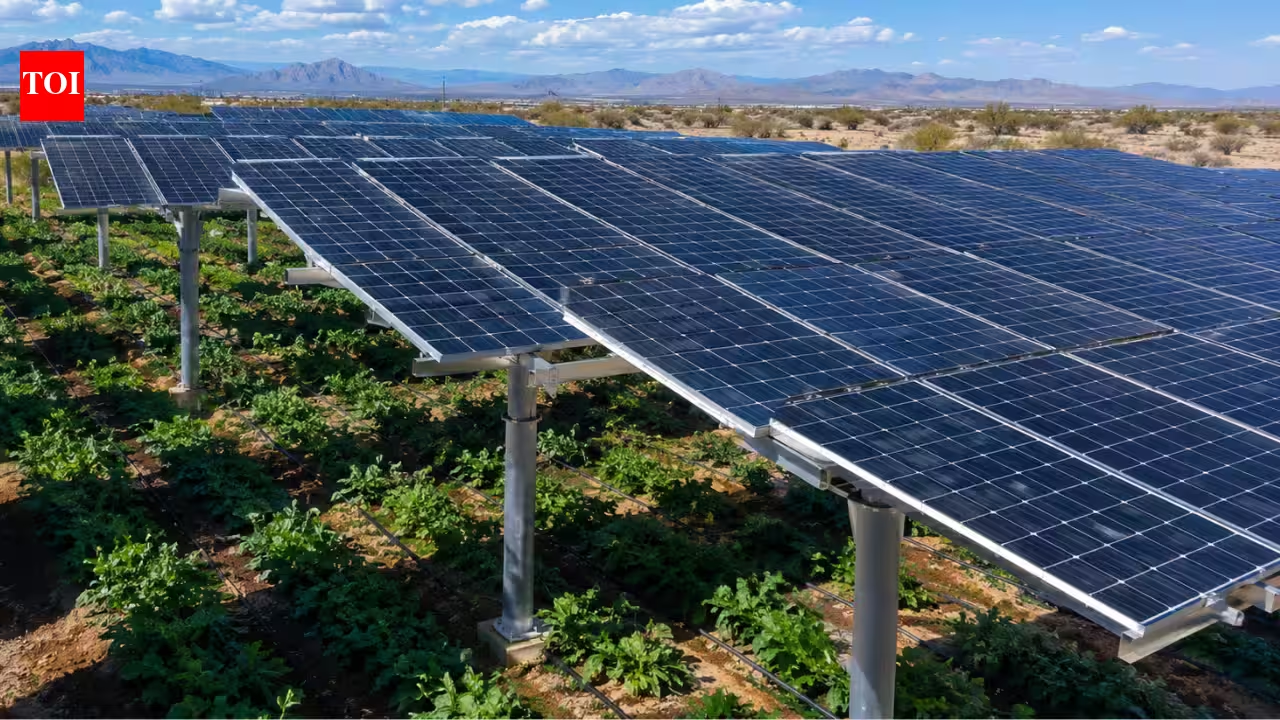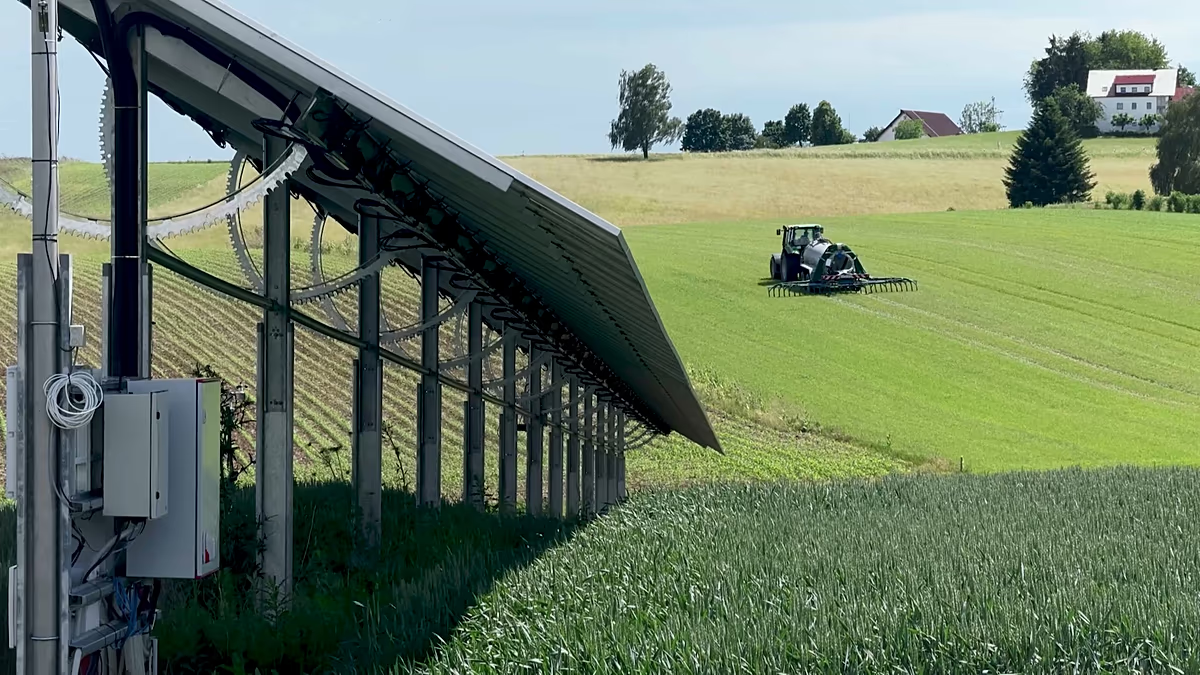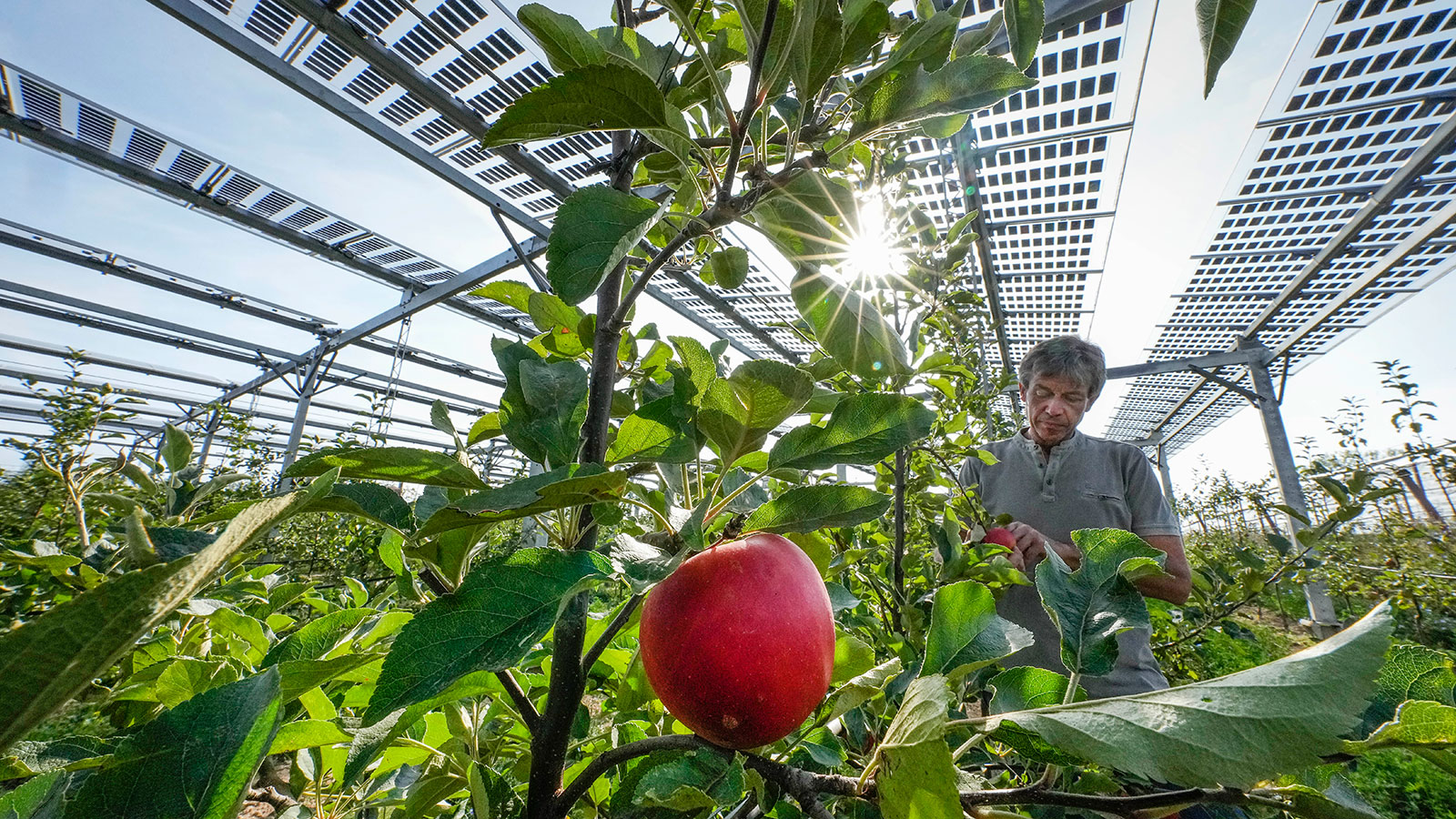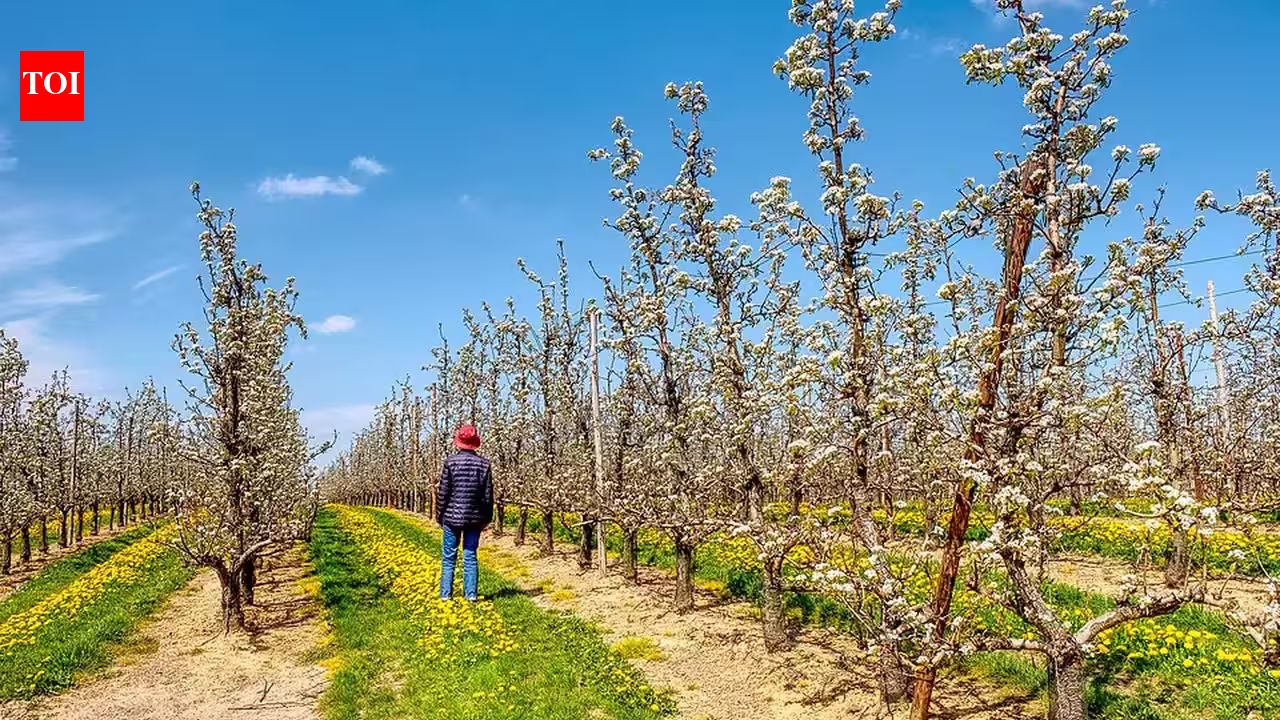
Belgian scientists experimented with agrivoltaics by placing solar panels over a pear orchard. Image Credits: Wikimedia Commons.In 2020, researchers in Belgium installed a row of semi-transparent solar panels above a working pear orchard in Bierbeek, near Leuven. The experiment was designed to test whether the same land could produce both food and electricity without sacrificing too much of either. Three years of harvest data now offer a clearer picture of the trade-off. Pear production fell by about 15% under the panels, but the combined use of the land achieved a land-equivalent ratio of 1.44, indicating that the agrivoltaic system made more productive use of the land than separate food and electricity production.According to KU Leuven, researchers began monitoring the orchard during the 2021 growing season to examine how the panels affected pear trees and fruit. The Bierbeek project was conducted under commercial orchard conditions, allowing researchers to assess how agrivoltaics performed in an active agricultural setting. The trial also examined whether the panels could provide additional benefits for the orchard while generating renewable electricity.A solar roof over the pearsThe installation was designed specifically for the trees. Conventional solar panels would have blocked too much sunlight, so researchers selected semi-transparent photovoltaic modules that allowed part of the incoming light to reach the pear canopy. The panels were mounted about 4.2 metres above the ground, directly over rows of Conference pear trees, and covered roughly a quarter of the ground area with photovoltaic modules.The arrangement was not intended merely to generate electricity. The panels were attached to the orchard's existing hail-protection structure, allowing the researchers to test whether the solar installation could provide agricultural benefits alongside its energy output. The panels also altered the orchard's microclimate. KU Leuven's research found that the system increased nighttime air temperatures during periods of frost by about 0.5°C and reduced the peaks of high temperatures during a hot summer period. The structure could also provide physical protection against hail and reduce exposure to intense sunlight, potentially helping to limit weather-related damage to the crop.But the experiment also revealed a clear trade-off. Pear trees need sufficient sunlight for photosynthesis and fruit development, and the panels reduced the amount of light reaching the canopy. During the three-year assessment, researchers recorded an average reduction in light of about 24%. The key question was whether this reduction would lead to a comparable decline in pear production.Less fruit, but more from the same landThe answer was consistent across three growing seasons. According to Agronomy for Sustainable Development, pears grown under the agrivoltaic system produced about 15% less fruit than those in the control plots in each of the three years. Yields fell from 42.6 to 35.7 tonnes per hectare in 2021, from 52.6 to 44.7 tonnes per hectare in 2022 and from 47.6 to 41.1 tonnes per hectare in 2023. The reduction did not mean the pears were generally lower in quality. Flowering and fruit set were not significantly changed, while most measured quality characteristics remained similar between the shaded and unshaded fruit. However, researchers did observe more bottle-shaped pears and a reduction in fruit calibre under the panels.That distinction matters because agrivoltaics is judged by more than crop yield. Its central argument is that electricity and food can be produced from the same piece of land. The researchers therefore calculated a land-equivalent ratio, which compares combined production with what would be achieved if the agricultural and solar activities occupied separate areas. The three-year experiment reached an average ratio of 1.44. In practical terms, the combined system was using land 44% more efficiently than separate production of pears and electricity under the study's calculation.Representation of solar panels raised above a working pear orchard in Belgium. Image Credits: ChatGPT.A model with limitsThe Bierbeek experiment ultimately suggests that agrivoltaics works best when it is designed around the needs of a particular crop rather than applied as a universal solution. The orchard did not produce the same harvest under the panels, but the land was able to provide two outputs at once: fruit and electricity. That makes the system less about replacing conventional farming and more about finding ways to use agricultural land more efficiently.The results also point to a broader question for future projects. Agrivoltaics will have to prove that its benefits can outweigh the compromises involved, not only in terms of crop production but also through reliable electricity generation and long-term economic returns. Further research will therefore be important to determine whether systems tested in orchards such as Bierbeek can become practical at a larger scale.
In 2020, Belgium raised semi-transparent solar panels above a working pear orchard; pear yields fell 15%, but combined land-use efficiency reached 44% higher
In 2020, researchers in Belgium installed a row of semi-transparent solar panels above a working pear orchard in Bierbeek, near Leuven. The experiment was designed to test whether the same land could produce both food and electricity without sacrificing too much of either.
754 words~3 min read