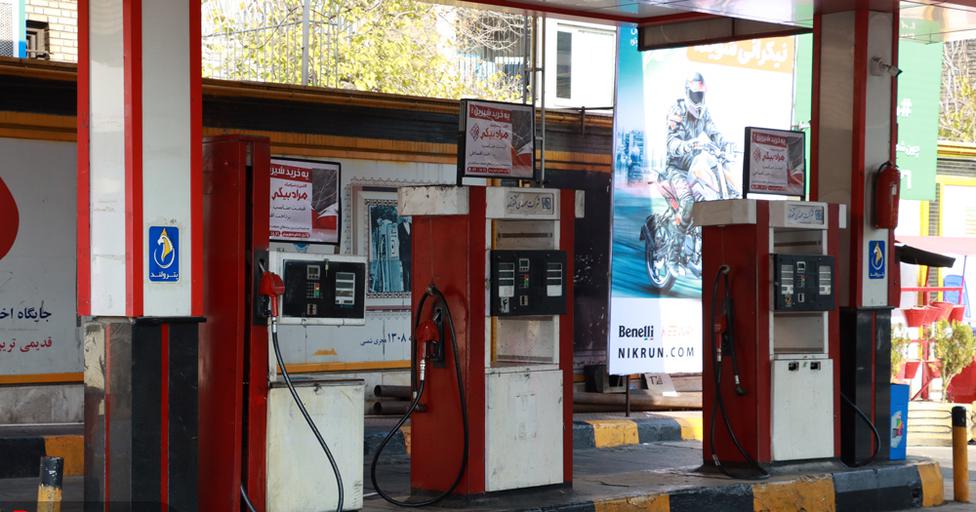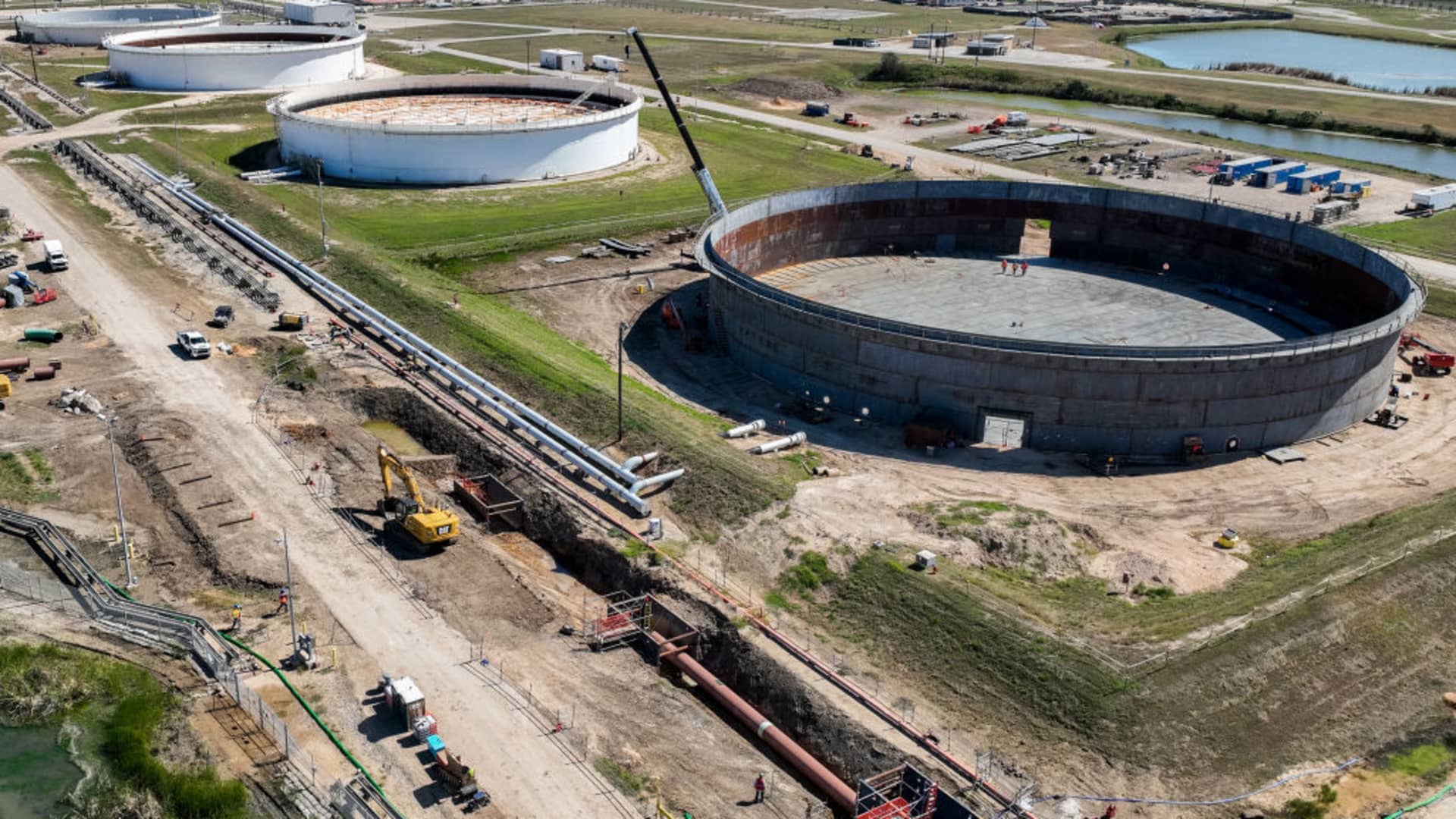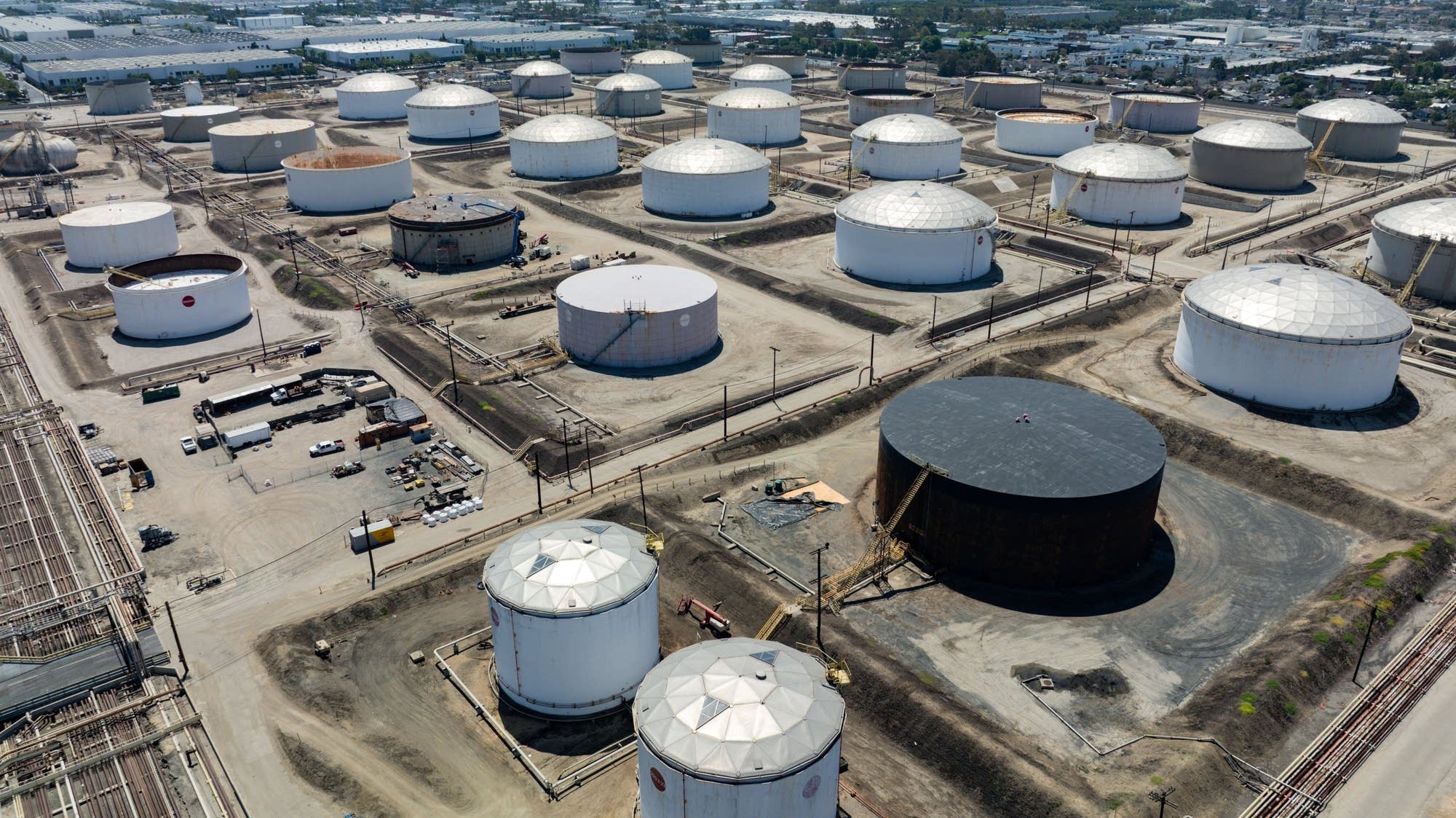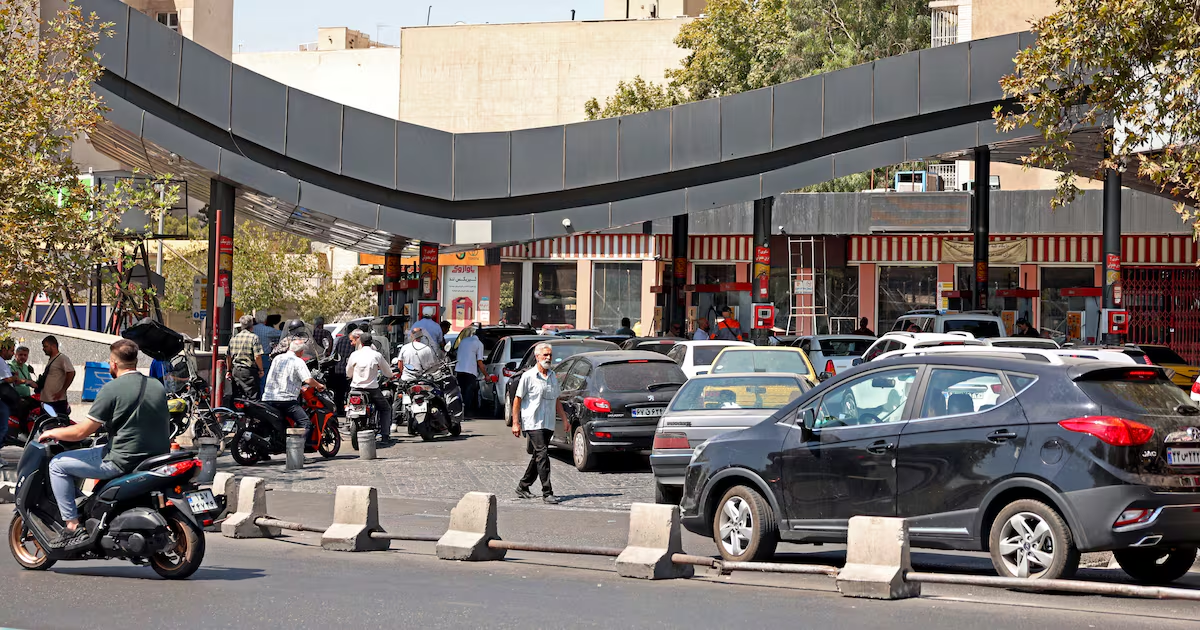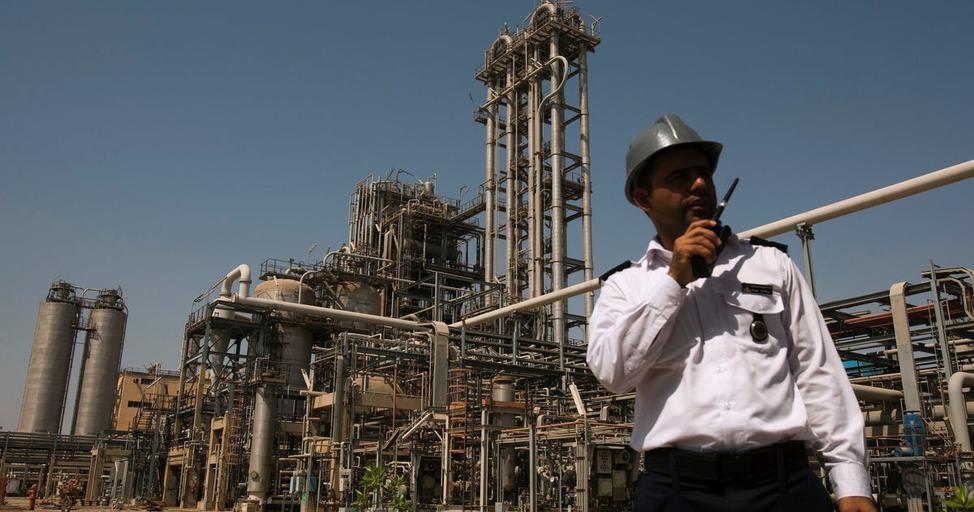
The level of Iran’s strategic gasoline reserves has reached a concerning low. Meanwhile, government officials have announced efforts to boost domestic production using refineries and petrochemical plants, a strategy that has raised sharp concerns regarding the quality of fuel being distributed across the country.
Yaser Mirzaei, Deputy at the Energy Optimization and Strategic Management Organization, addressed the nation’s energy consumption, noting that daily gasoline consumption has surged to approximately 135 million liters. He warned that strategic reserves have dropped to a level where continued drawdowns could severely jeopardize the country’s fuel supply stability.
According to Mirzaei, Iran is facing this surge in consumption at a time when covering the deficit through imports is restricted. Financial hurdles, limited access to foreign currency, and transport logistics continue to hamper gasoline import channels. He cautioned that strategic reserves must be preserved for emergency scenarios rather than relied upon in the long term to offset daily deficits.
Mirzaei also warned that increasing output does not necessarily equate to producing high-quality gasoline. Blending lower-grade compounds into refinery fuel degrades overall quality. In previous years, substituting fuel deficits with petrochemical products and additive-blending methods sparked widespread controversy over vehicle damage and severe air pollution.