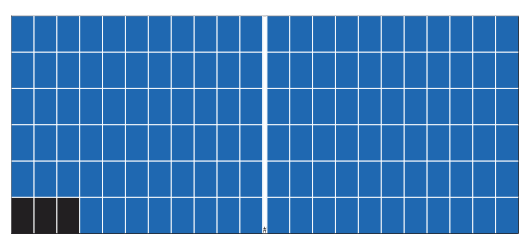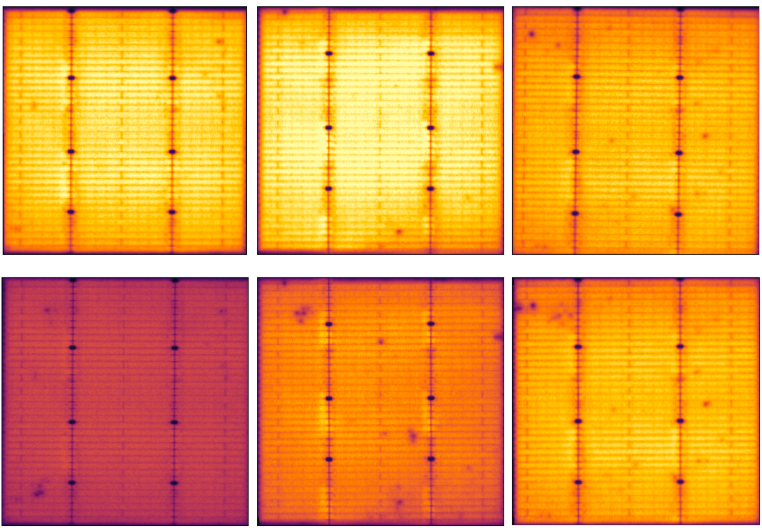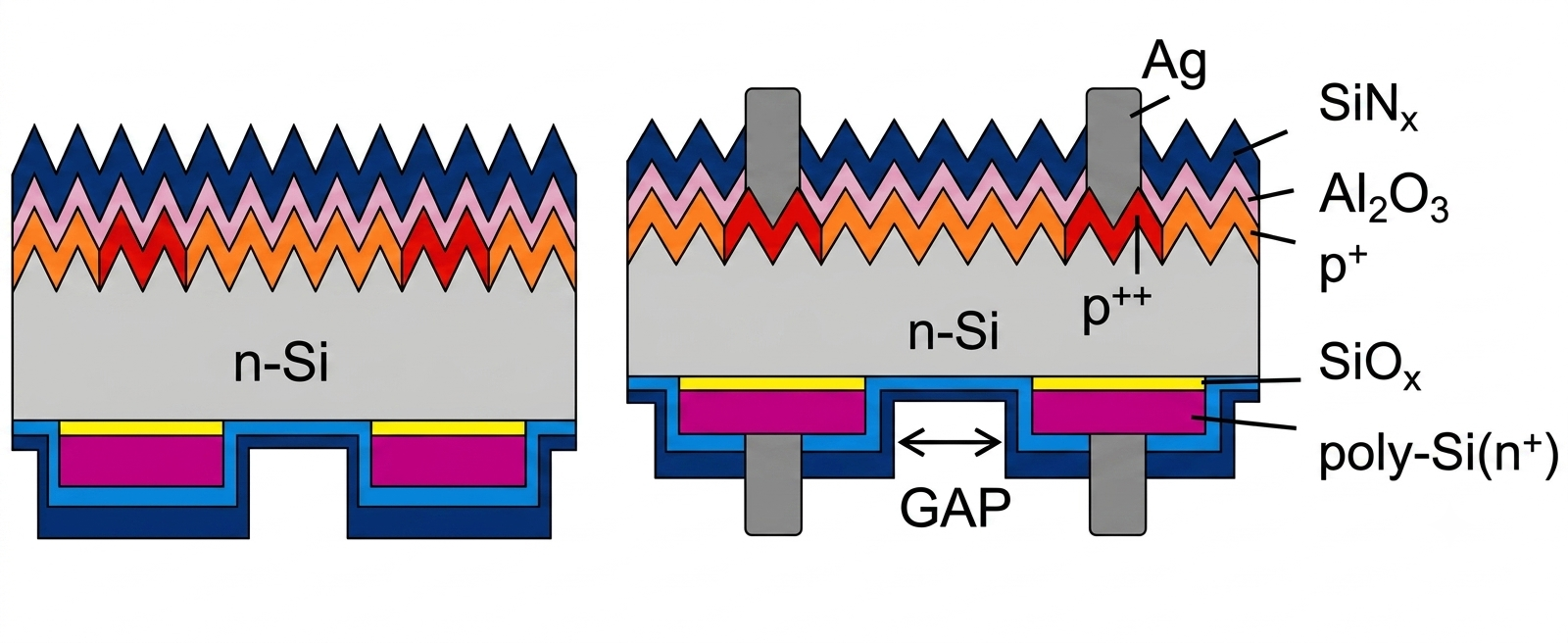
UNSW and DAS Solar used Quokka3 simulations to identify cut-induced losses in back-contact TOPCon cells, finding that gap-region cutting reduces efficiency losses by around 50% compared with emitter-region cutting. They recommend an optimized 0.3 mm gap width, particularly important under low irradiance, to minimize edge recombination and resistive losses without additional edge passivation.
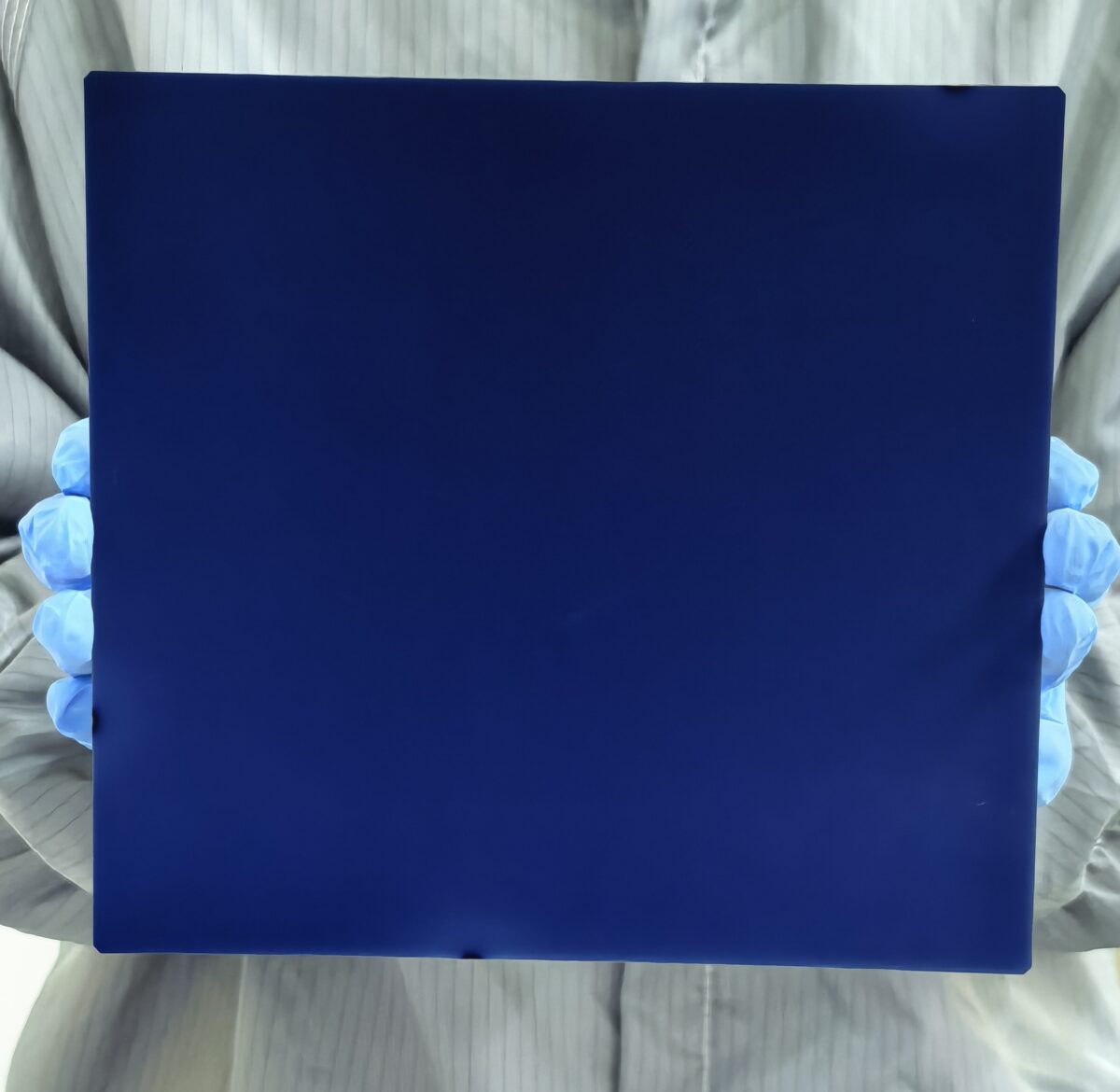
A research team from the University of New South Wales (UNSW) and Chinese PV manufacturer DAS Solar have investigated how laser cutting affects the performance of back-contact TOPCON (TBC) silicon solar cells, in an effort to identify the dominant cut-induced loss mechanisms and determine practical design conditions that minimize efficiency degradation in cut-cell and module applications.
“Our work establishes practical design guidelines for industrial TBC cut-cell manufacturing and demonstrate that optimized gap-region cutting can substantially mitigate cut-induced recombination losses without additional edge-passivation processing,” UNSW Professor Martin Green told pv magazine. “It was done in conjunction with DAS Solar, reportedly the first to bring GW-scale TOPCon manufacturing into production with the work supported by DAS Solar and the Australian Renewable Energy Agency (ARENA).