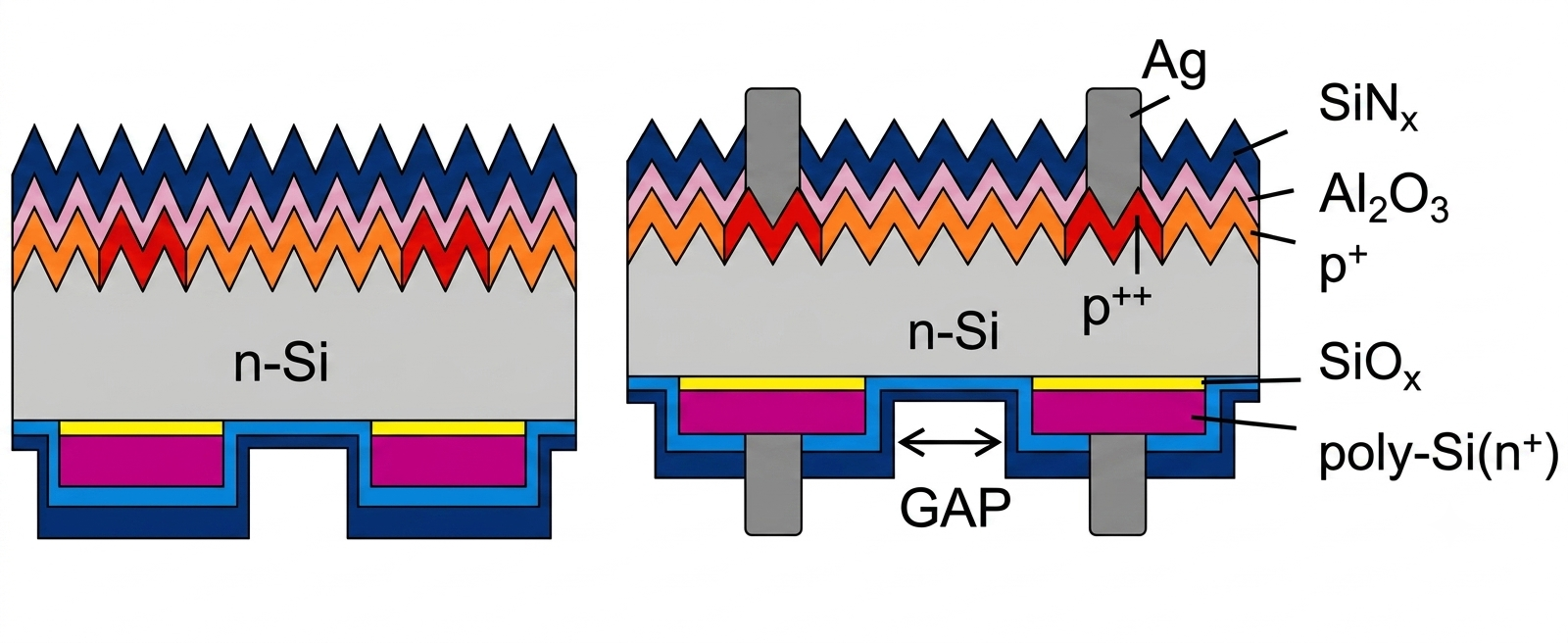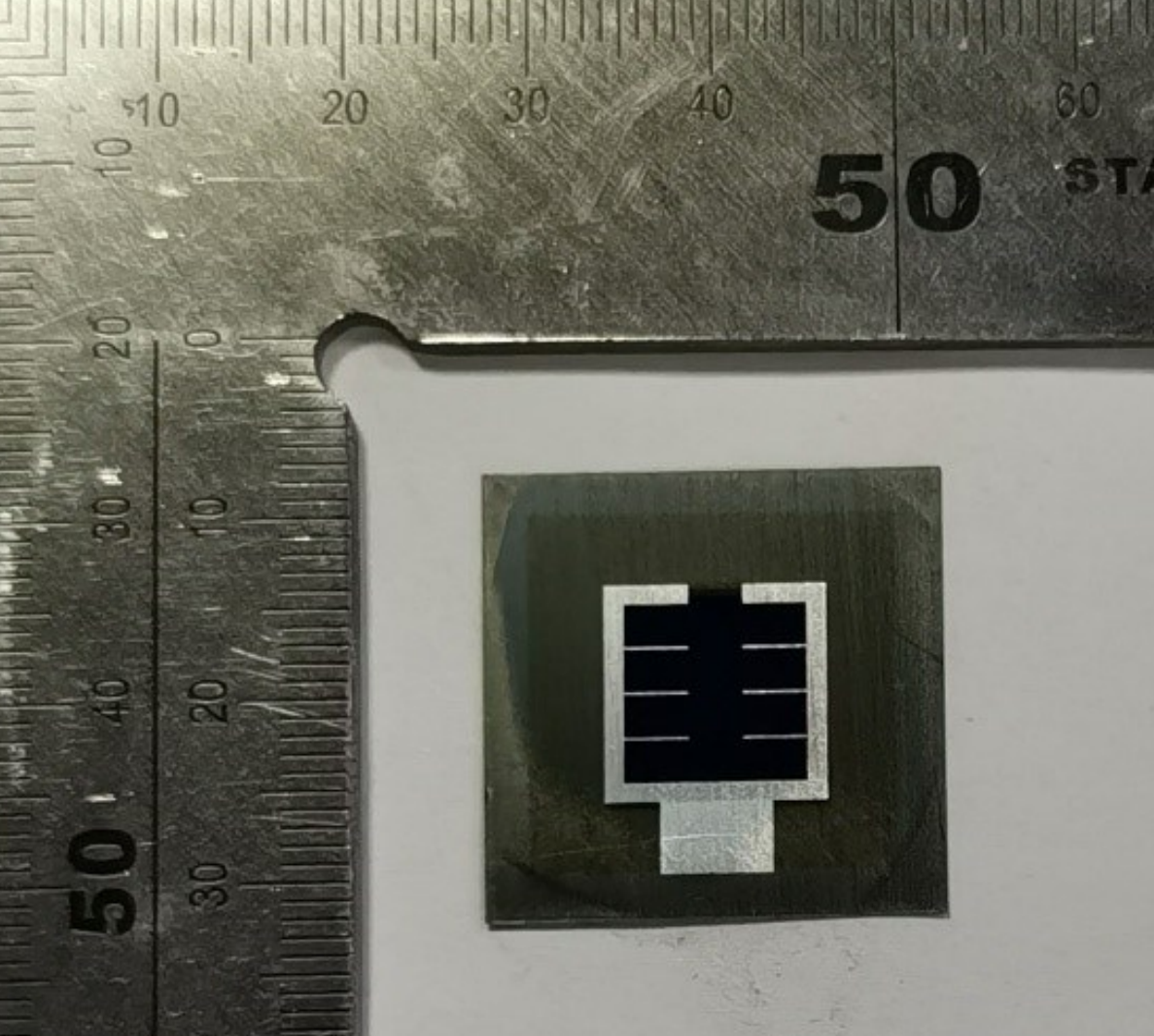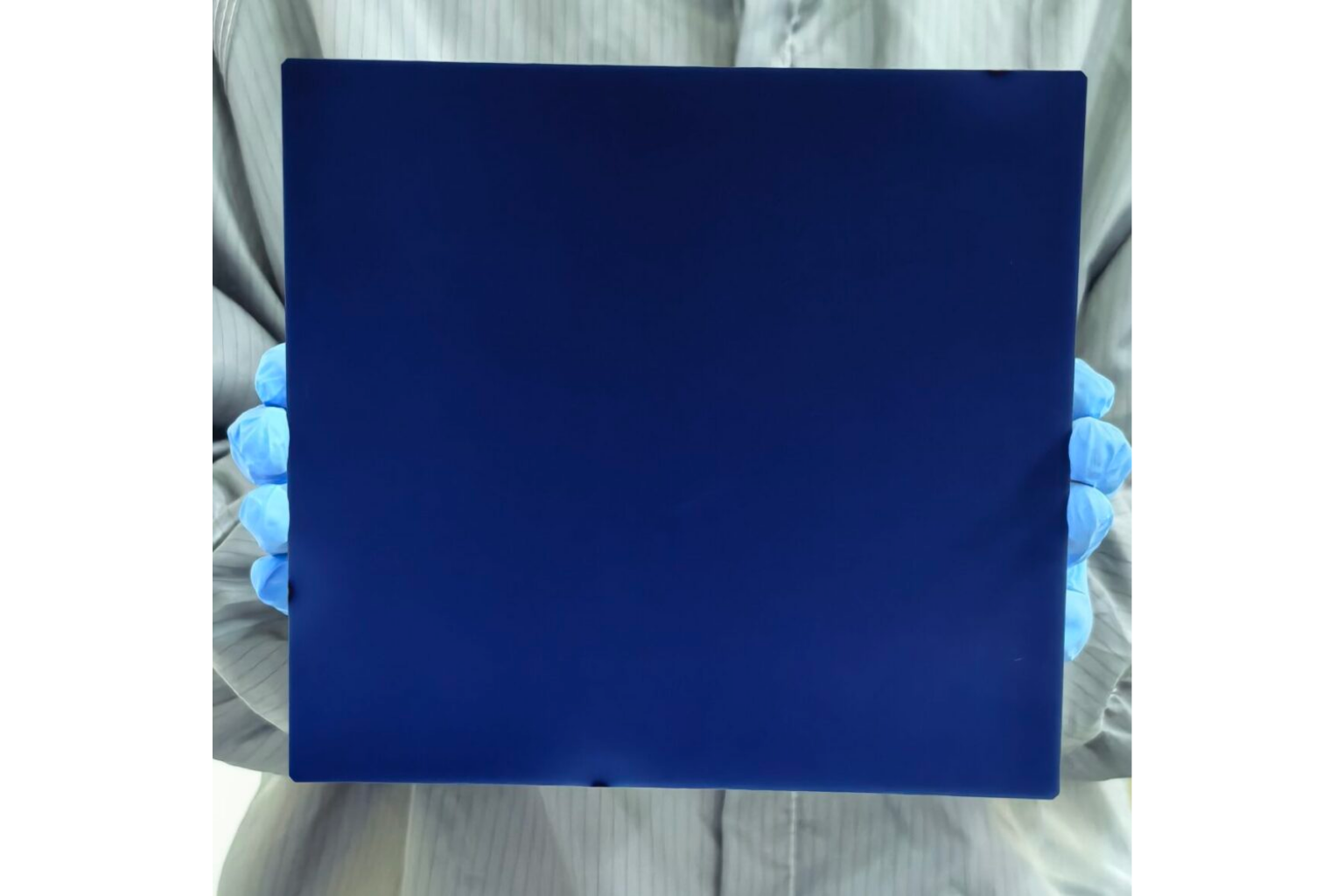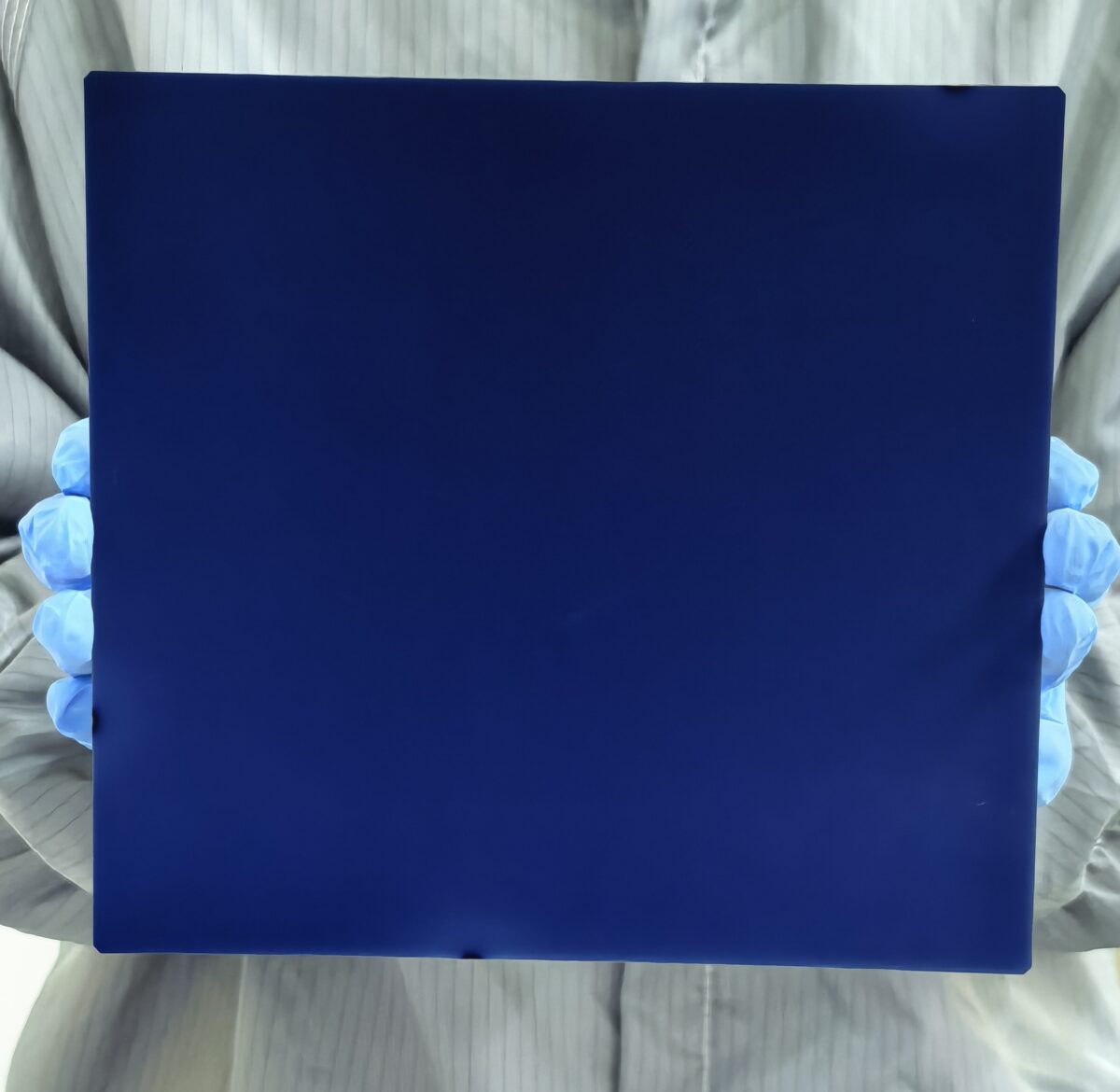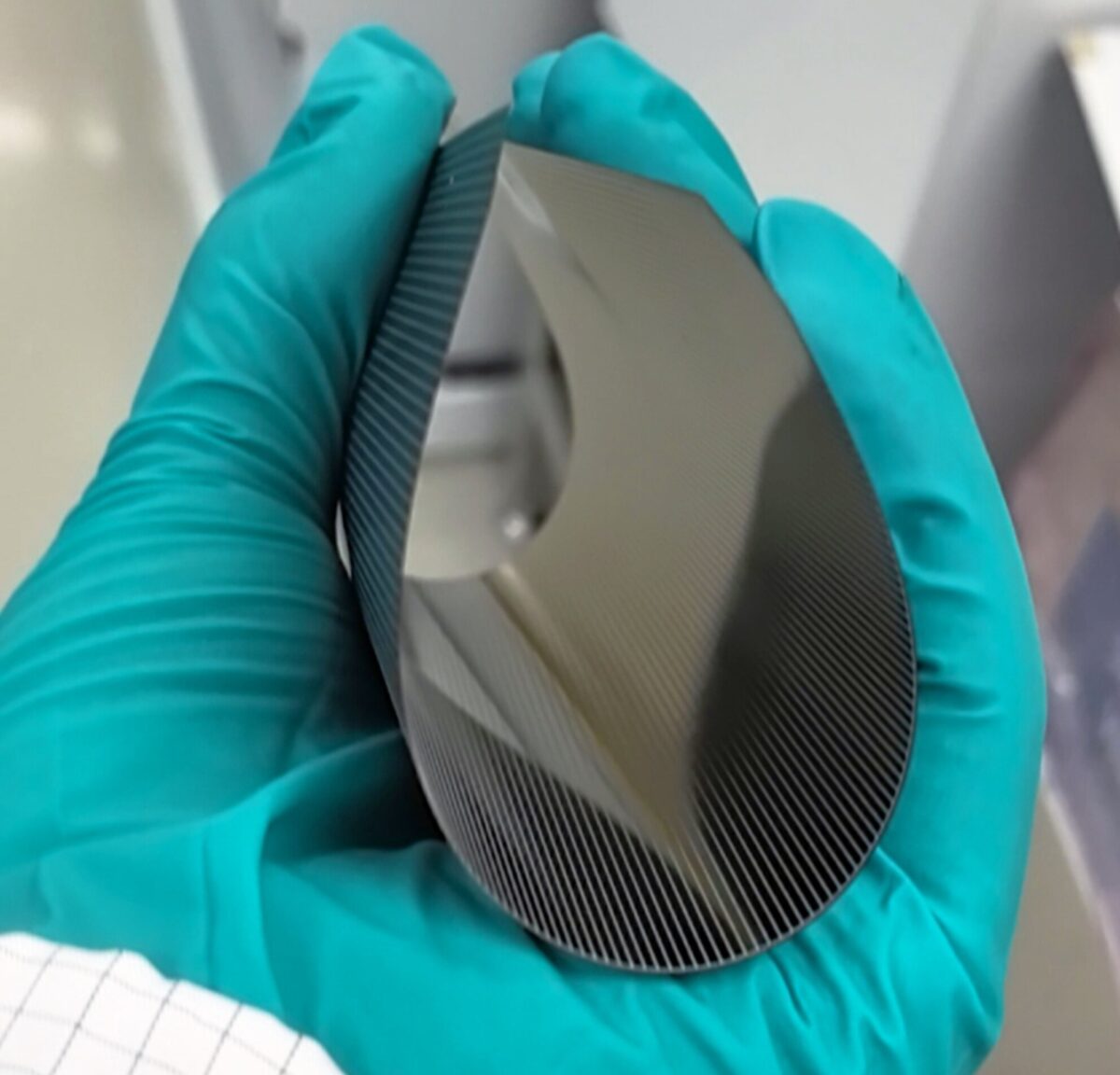
The ultra-thin TOPCon solar cell uses dual-sided polysilicon passivated contacts formed by low-pressure chemical vapor deposition. The champion device, with a thickness of only 80 μm, achieved 19.7% efficiency with 719 mV open-circuit voltage and demonstrated strong passivation, optical performance, and mechanical flexibility.
May 22, 2026
Researchers from the National University of Singapore have fabricated an ultra-thin TOPCon solar cell with polysilicon (poly-Si) passivated contacts on both sides – a so-called byPoly solar cell – using low-pressure chemical vapor deposition (LPCVD).
Poly-Si layers are used in TOPCon devices to improve passivation and carrier transport. In these structures, a thin interfacial oxide reduces surface recombination by electrically and chemically passivating the silicon interface, while the overlying doped polycrystalline silicon layer provides a low-resistance pathway for majority carriers.
“Due to its simple structure and good low‑light performance, the cell is suitable for building-integrated photovoltaics (BIPV), indoor low‑light energy harvesting, wearable electronics, portable power supplies and solar quadcopters,” research lead author Aaron Danner told pv magazine.