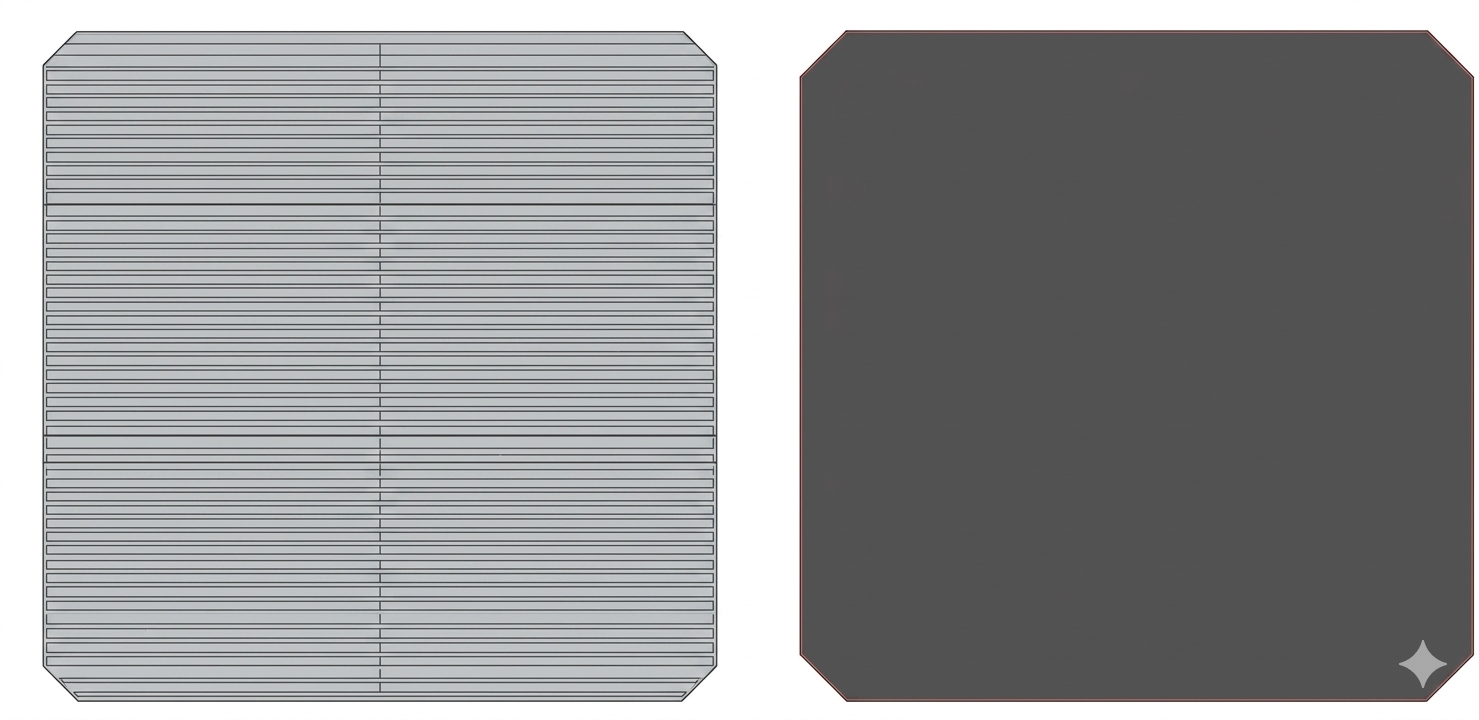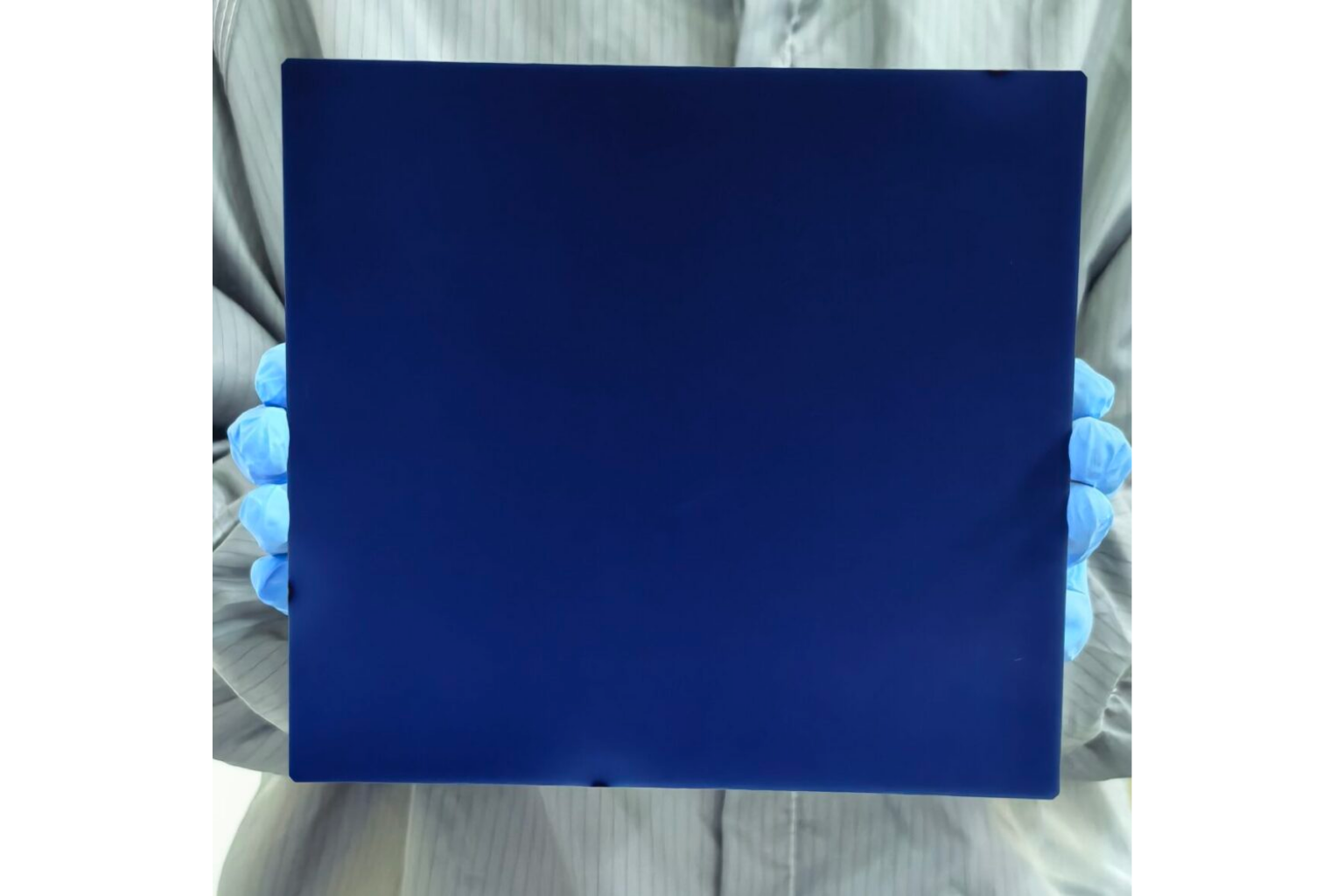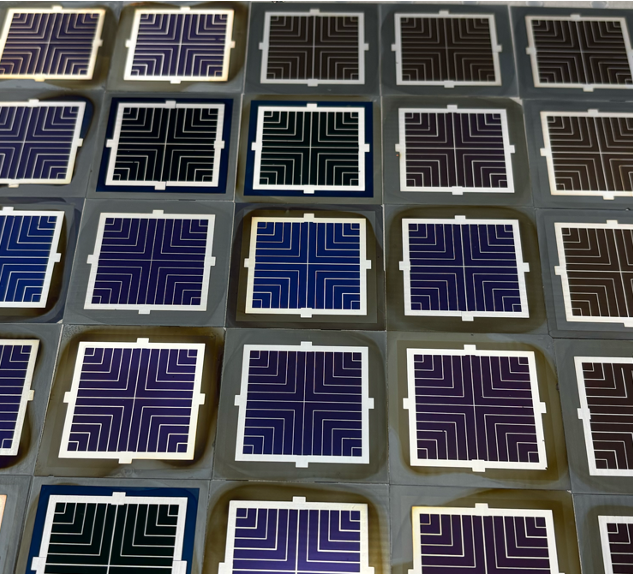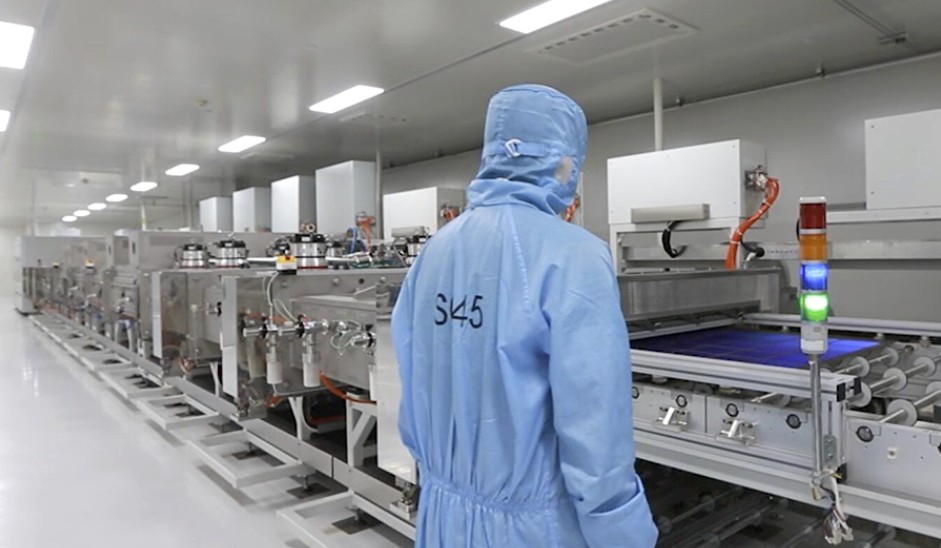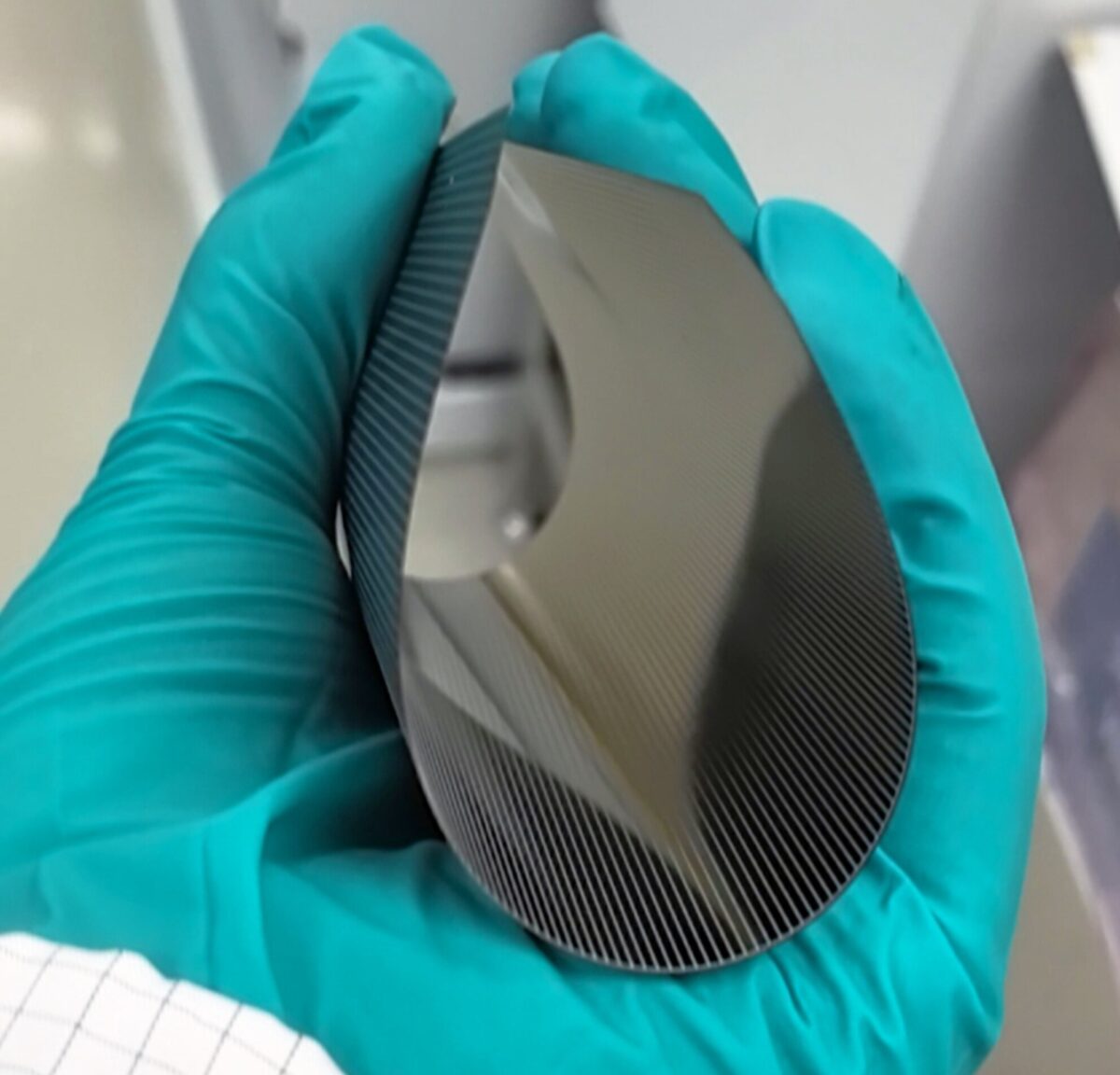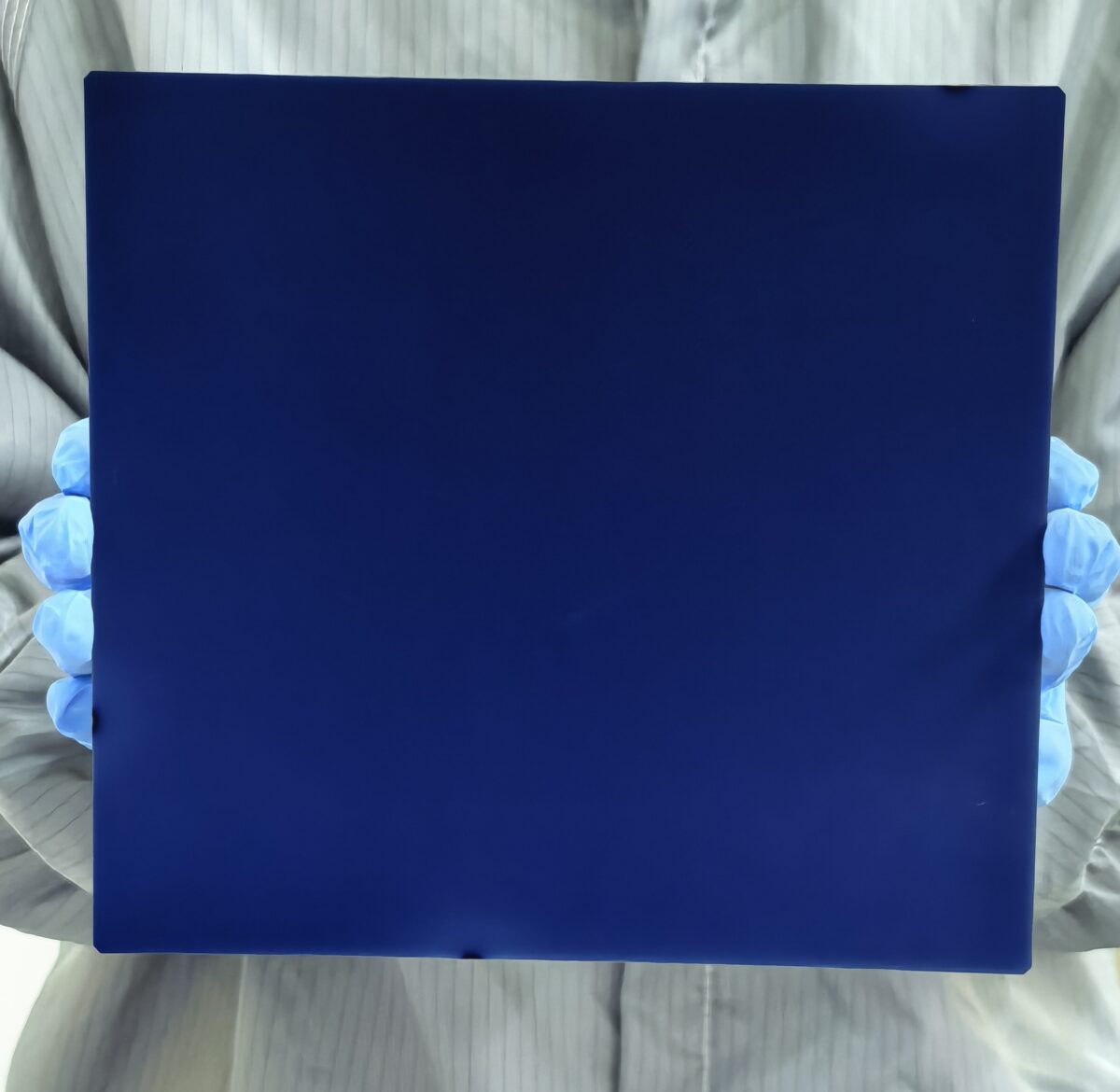
Researchers from UNSW and DAS Solar developed a zero-busbar metal grid optimization approach for tunnel oxide passivated back-contact (TBC) silicon solar cells, enabling more efficient current collection at the rear surface while reducing silver consumption by 3–4 mg/W. The first TBC cells produced in mass manufacturing using this technique have demonstrated efficiencies exceeding 27%.
May 25, 2026
A research team comprising scientists from the University of New South Wales (UNSW) in Australia and Chinese PV manufacturer DAS Solar have developed a new technique for the optimization of metal grid design of silicon back contact (BC) solar cells applying tunnel oxide passivated contact (TBC) at the rear surface.
The cell is based on a zero-busbar (ZBB) design, which the scientists said required significantly lower silver (Ag) content for metallization.
“Compared with the multi-busbar (MBB) schemes, the ZBB design cuts silver paste consumption by around 3-4 mg/W,” the research's lead author, Dengyuan Song, told pv magazine. “The specific value varies slightly according to different metallization pattern designs of solar cells. Such a reduction in silver consumption is highly significant and practically remarkable. In particular, under the current frequent fluctuations in silver prices, lowering silver consumption plays a vital role in stabilizing production costs, and supporting the large-scale industrialization of TBC solar cells.”