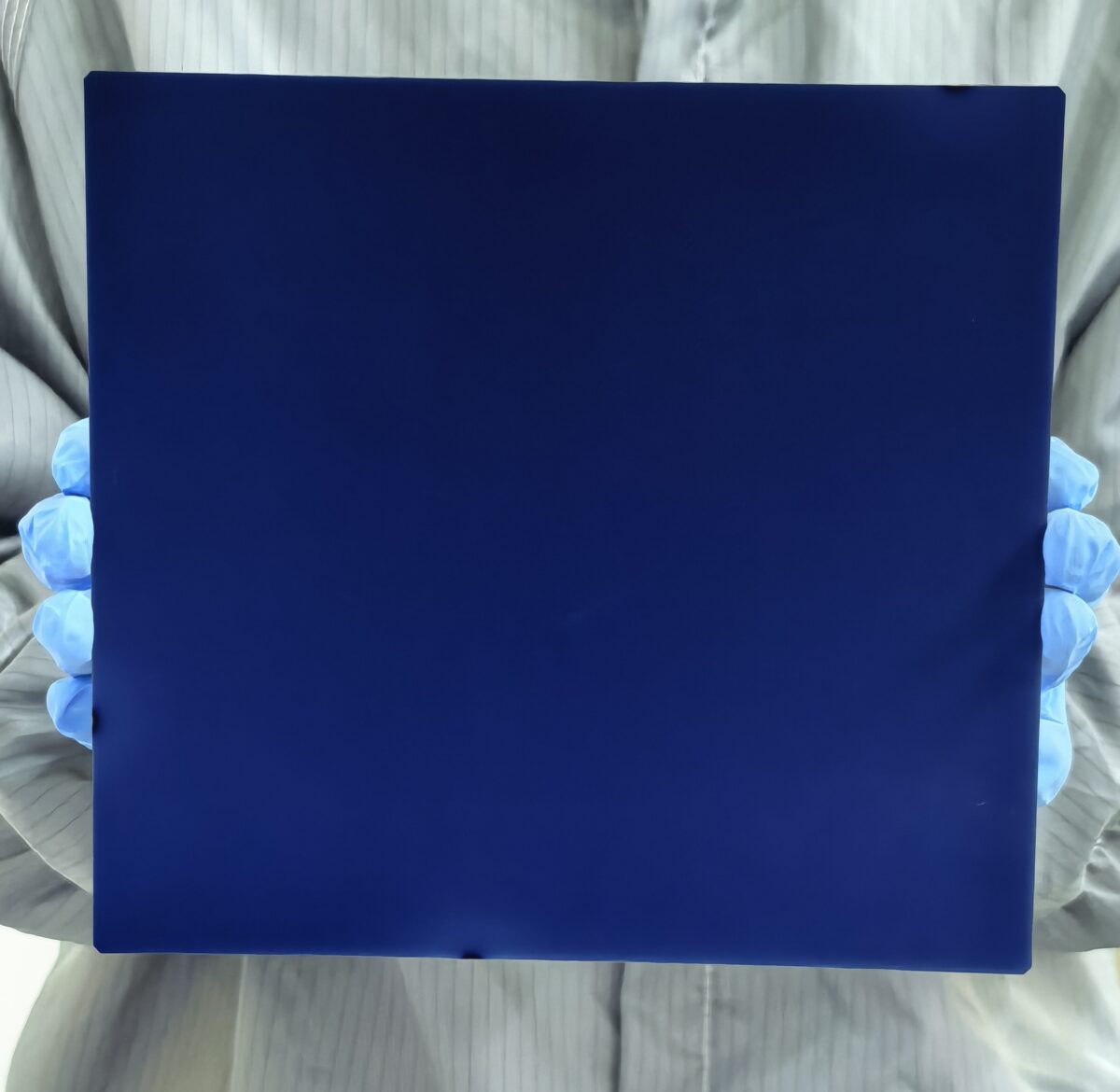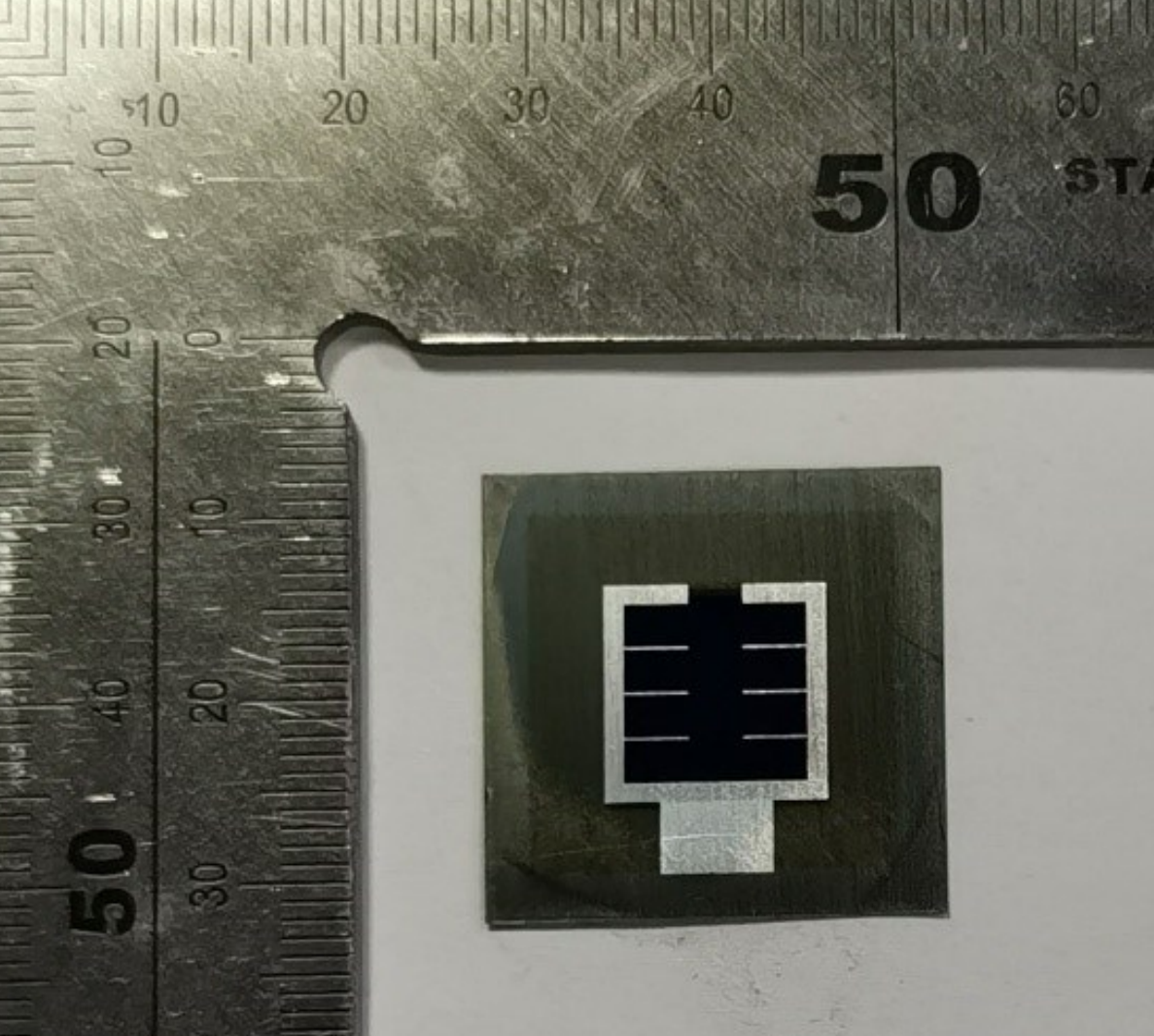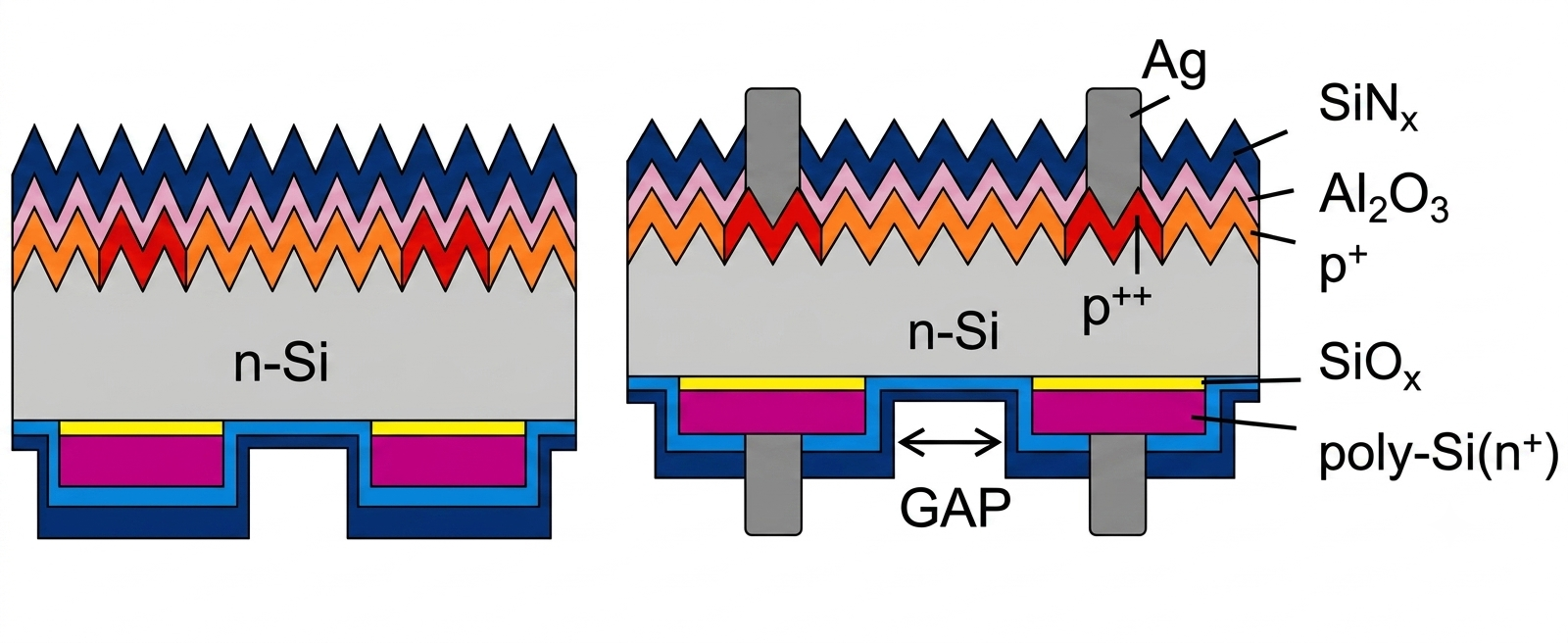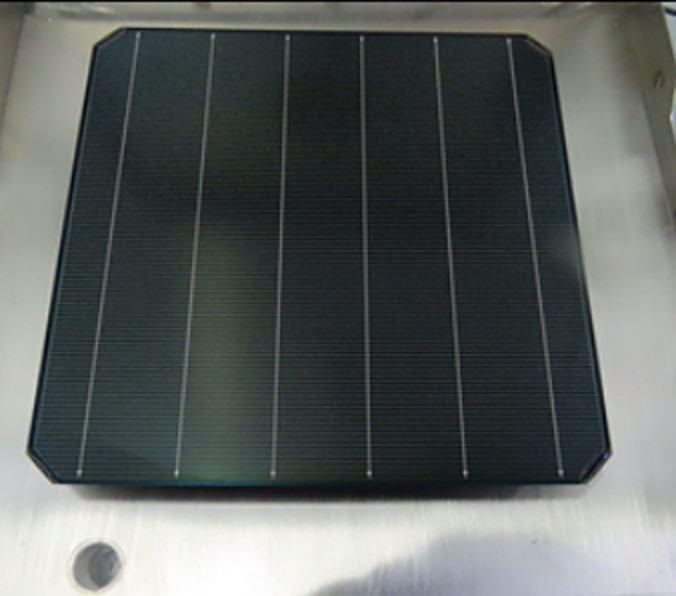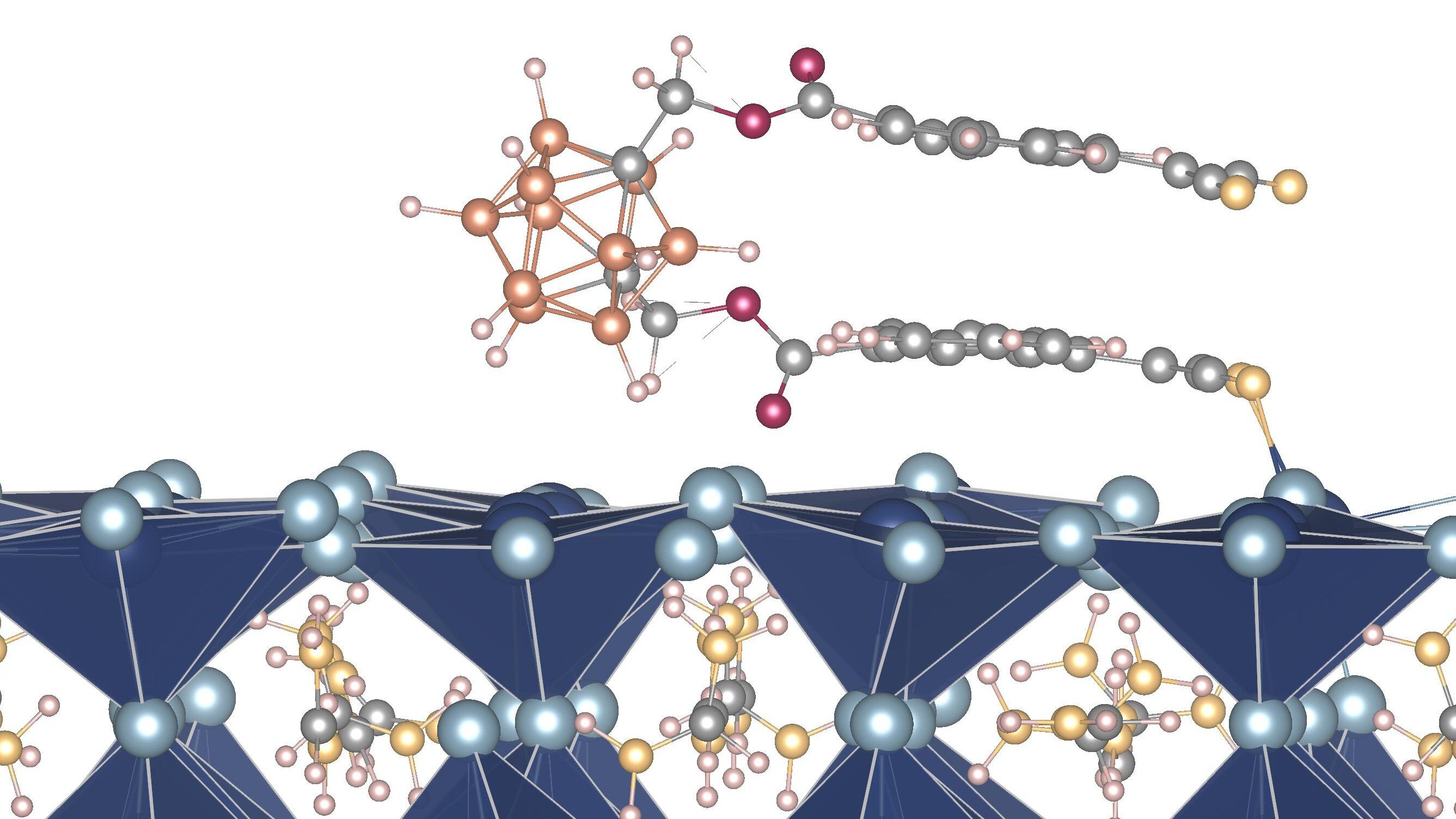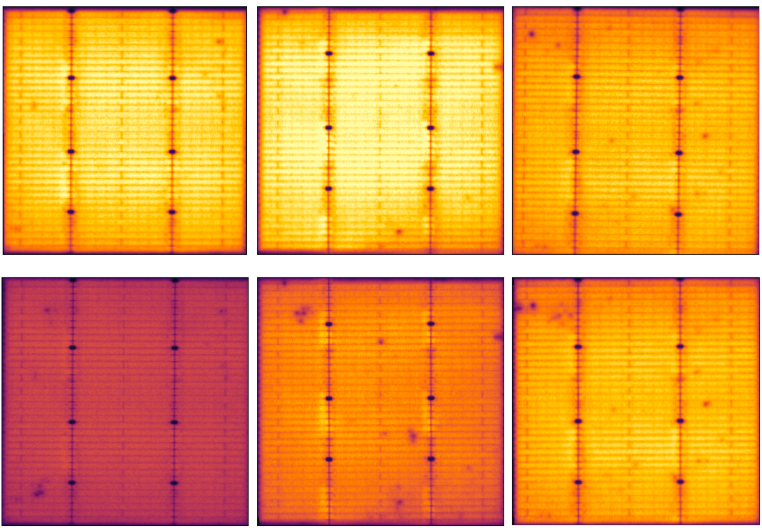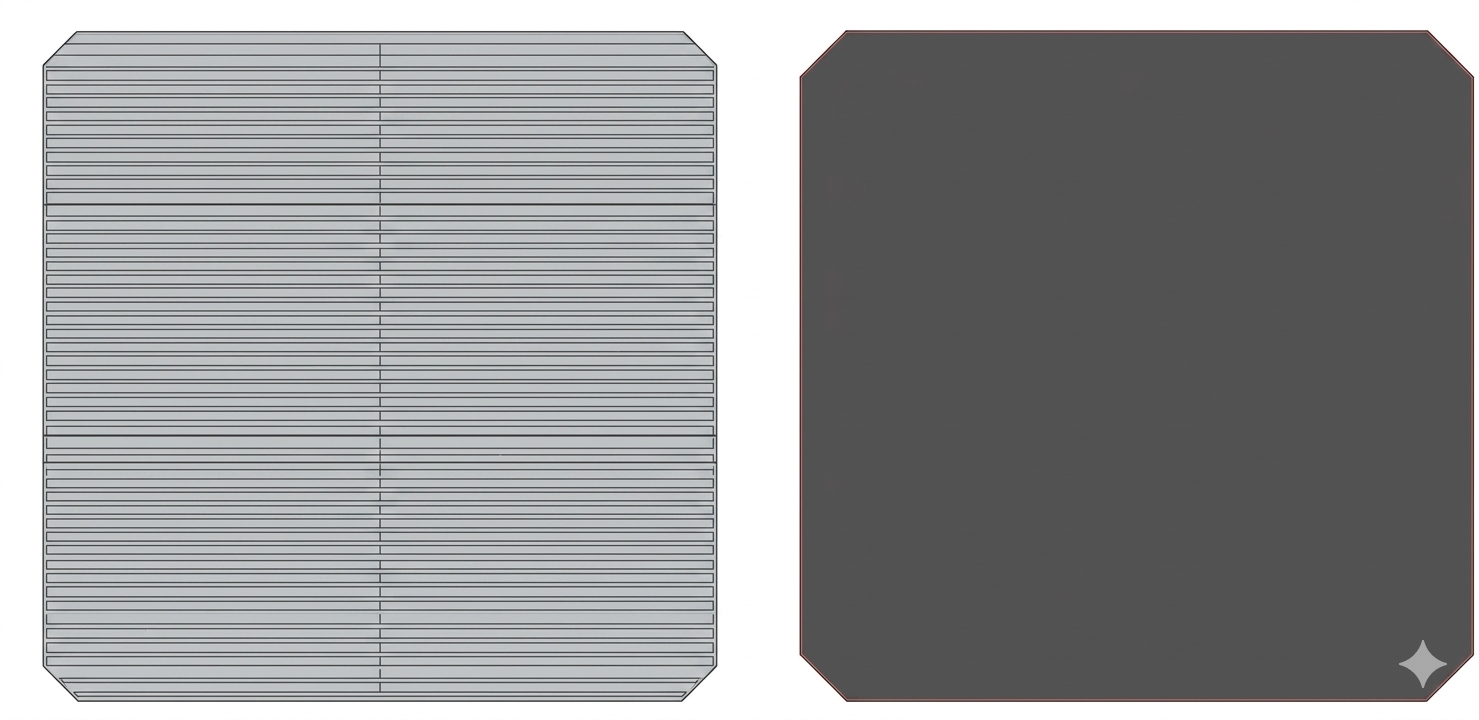
Researchers from UNSW and Trina Solar developed a silver-free silicon tunnel-back-contact solar cell using dual-polarity screen-printed aluminum contacts on poly-Si/SiOx passivated structures with optimized firing and specialized aluminum-silicon (Al-Si) pastes. The approach enables low-resistance contacts and reduced silver use, but efficiency is still limited by higher Al/Si interfacial recombination, highlighting the need for further contact and interface optimization.
A group of researchers from the University of New South Wales (UNSW) in Australia and Chinese PV manufacturer Trina Solar have designed a silver-free silicon (Si) tunnel oxide passivated back contact (TBC) using a dual-polarity aluminum (Al) contact engineering strategy, specialized aluminum pastes and optimized firing conditions.
“The novelty of this study is the demonstration of screen-printed aluminum contacts on both n-type and p-type poly-Si/SiOx passivated contacts for back-contact silicon solar cells, providing a potential pathway toward silver-free back-contact solar cells,” corresponding author Ning Song told pv magazine. “We also found that aluminum behaves very differently on n-type and p-type poly-Si, providing new insights into contact formation and future contact optimization.”