"For the manufacturing process of perovskite-silicon tandem solar cells, Fraunhofer ISE focuses on the so-called “hybrid route,” a combination of vacuum and wet chemical processes."
Support CleanTechnica's work through a Substack subscription or on Stripe.
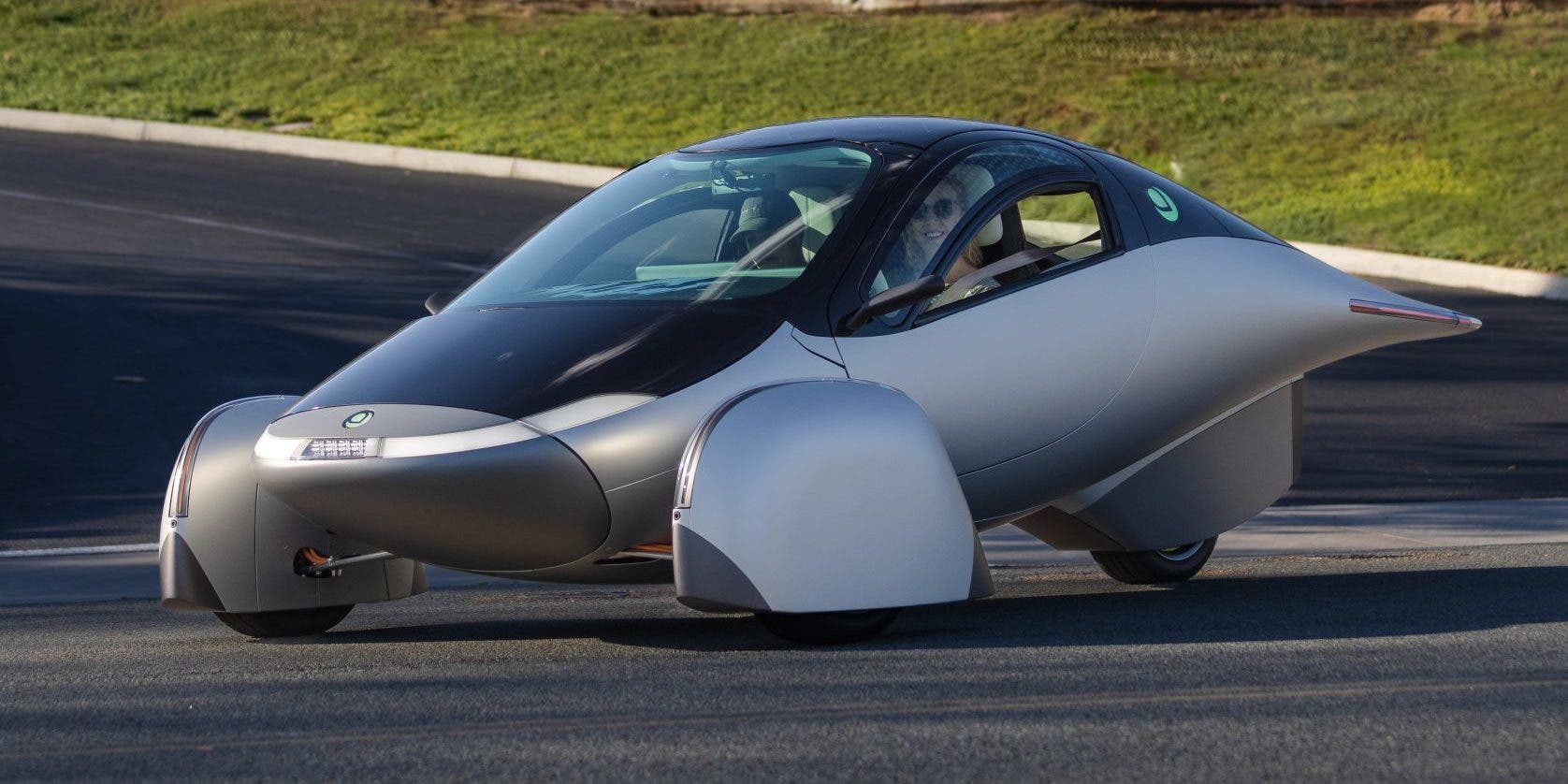
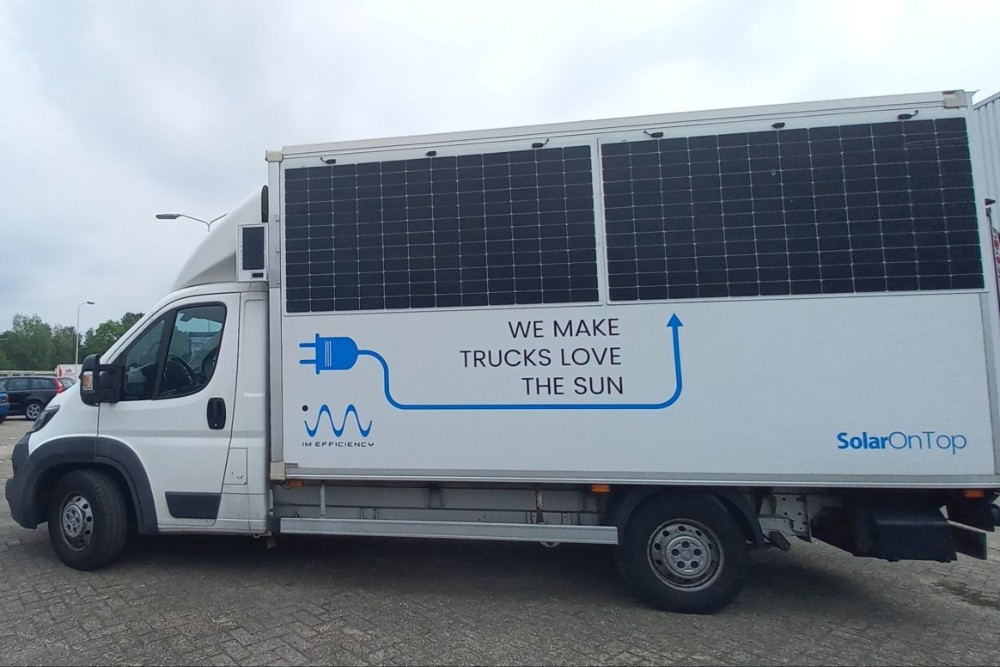
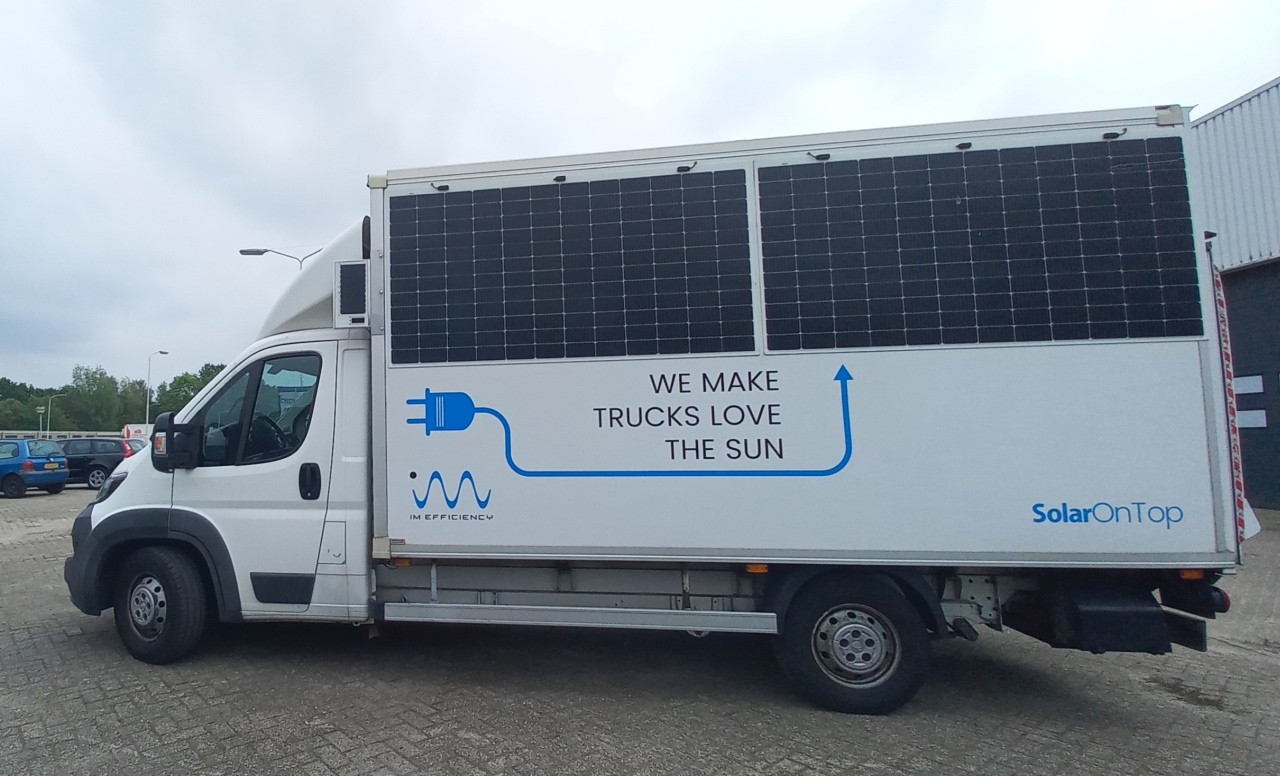
The idea of putting solar panels on vehicles has been around for decades. I can’t say how many companies I’ve seen come and go that planned to produce and sell solar-powered cars. It’s just not the safest and most efficient place to deploy solar panels. However, I’ve never really seen the argument for them that Fraunhofer ISE is making. Fraunhofer ISE is saying that solar cells on cars “can take the pressure off the grid in Europe.”
At a time when the energy transition is going through so many challenges in Europe, could solar cells on vehicles make a big difference? I’m skeptical, but let’s see the case Fraunhofer ISE is making.
“Vehicles that generate their own solar power could make a significant contribution to the decarbonization of the transportation sector. Findings from the European research project SolarMoves suggest that so-called Vehicle Integrated Photovoltaics (VIPV)—solar modules integrated into vehicles—can significantly reduce electricity demand and the strain on the power grid. The study found that, in the best-case scenario, a passenger car in Central Europe can generate up to 55 percent of its annual energy needs on its own; in Southern Europe, this figure can reach up to 80 percent,” the well known research institute writes.