Support CleanTechnica's work through a Substack subscription or on Stripe.
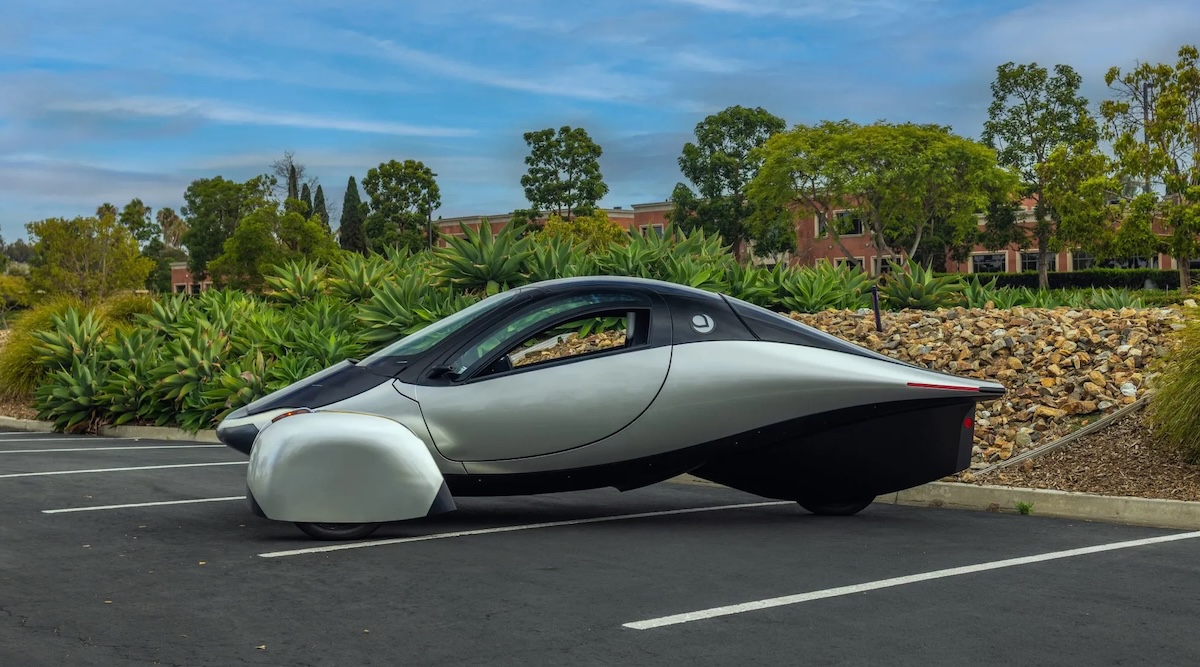
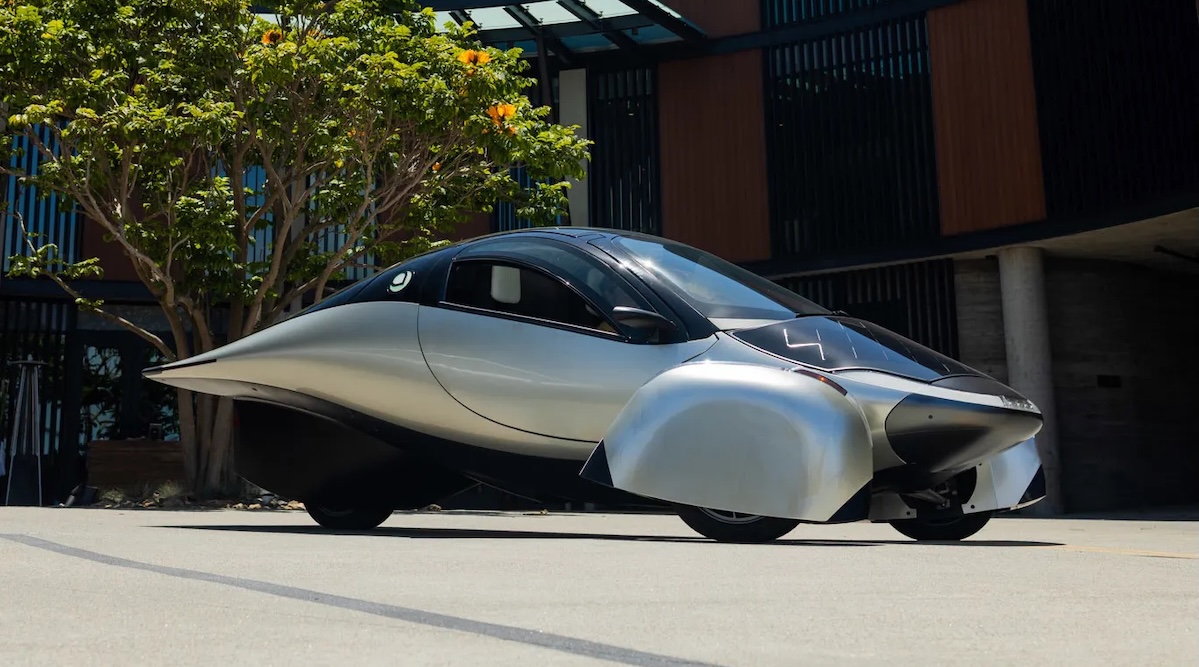
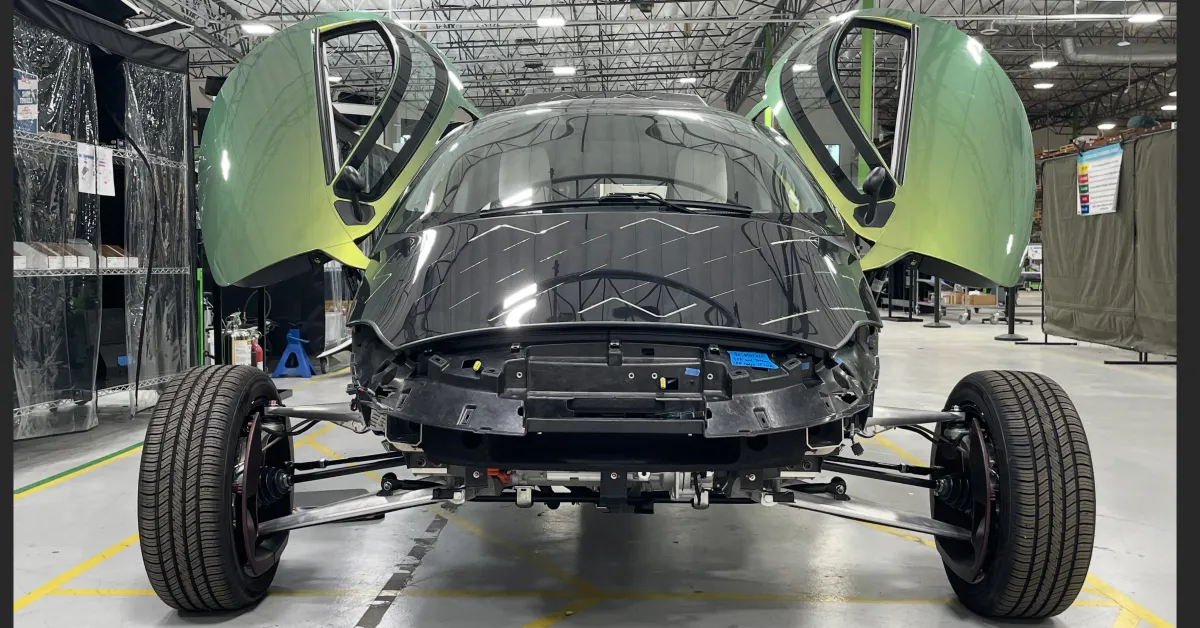
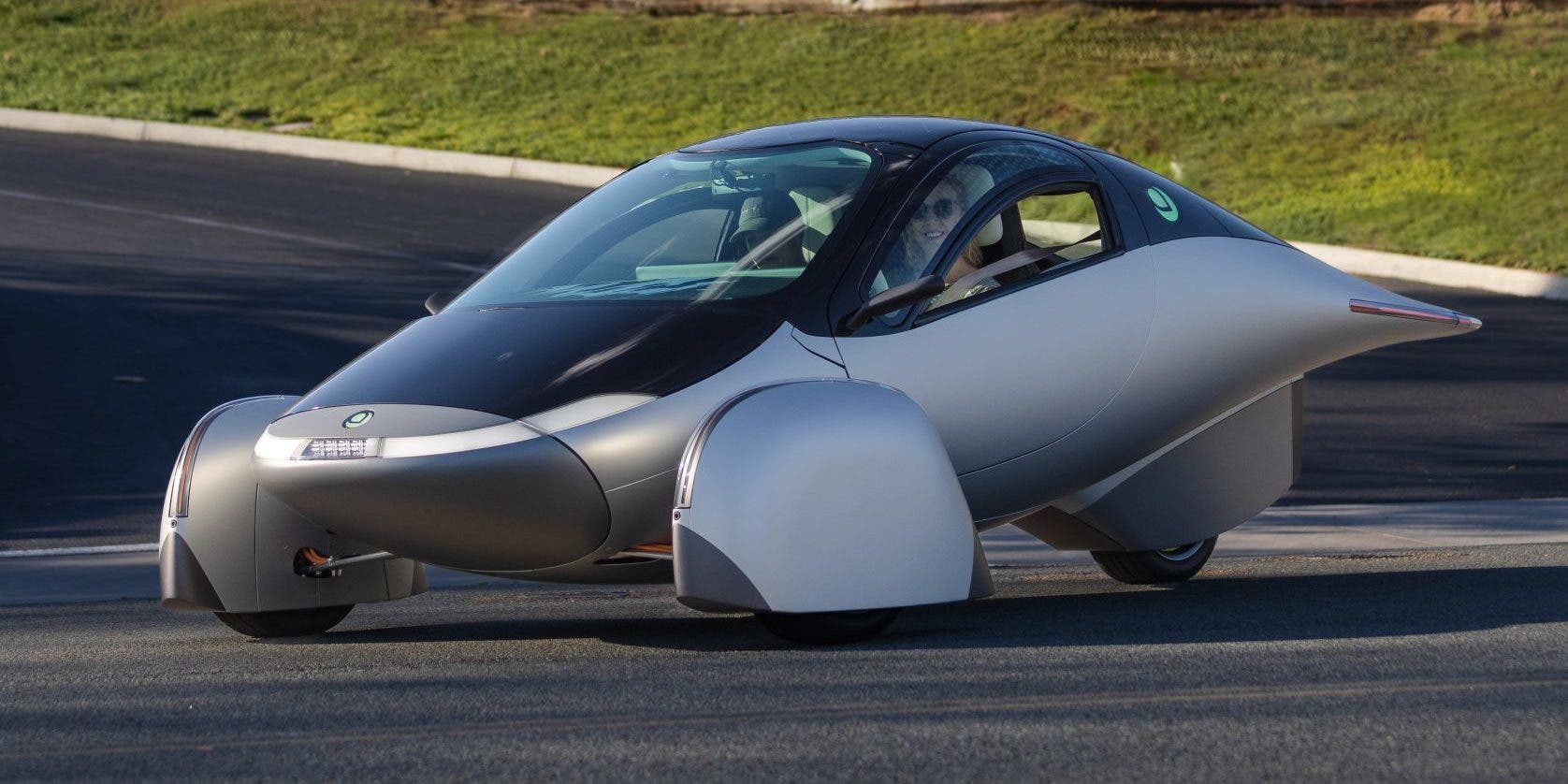
My CleanTechnica colleague Tina Casey recently wrote a great piece looking at Aptera’s latest solar tests, titled “Sleek, Futuristic ‘Atlas’ Car Recharges Self With Built-In Solar Cells”. She covered how the company’s validation vehicle recharged itself using its built-in solar cells. The company noted that by repositioning the vehicle during the day to catch more sun, it yielded a peak of 4.6 kilowatt-hours. It got less sitting still all day, as you’d expect, but it still hit the company’s solar targets.
That’s a huge milestone. It proves their curved panels and custom solar charge controller work out in the real world. But pulling in power from the sun is only half of the math equation. In this article, I want to talk about the road ahead to getting the promised 40 miles of daily solar range.
A Tougher Row To Hoe
To turn that 4.6 kWh of total daily generation into 46 miles of range, the car has to hit an efficiency design target of 100 watt-hours per mile. That translates to 10 miles per kWh. For some perspective, most traditional EVs you see on the highway right now get somewhere between 3 and 4.5 miles per kWh. So, Aptera has to prove its vehicle is incredibly slippery and light to make the numbers work.